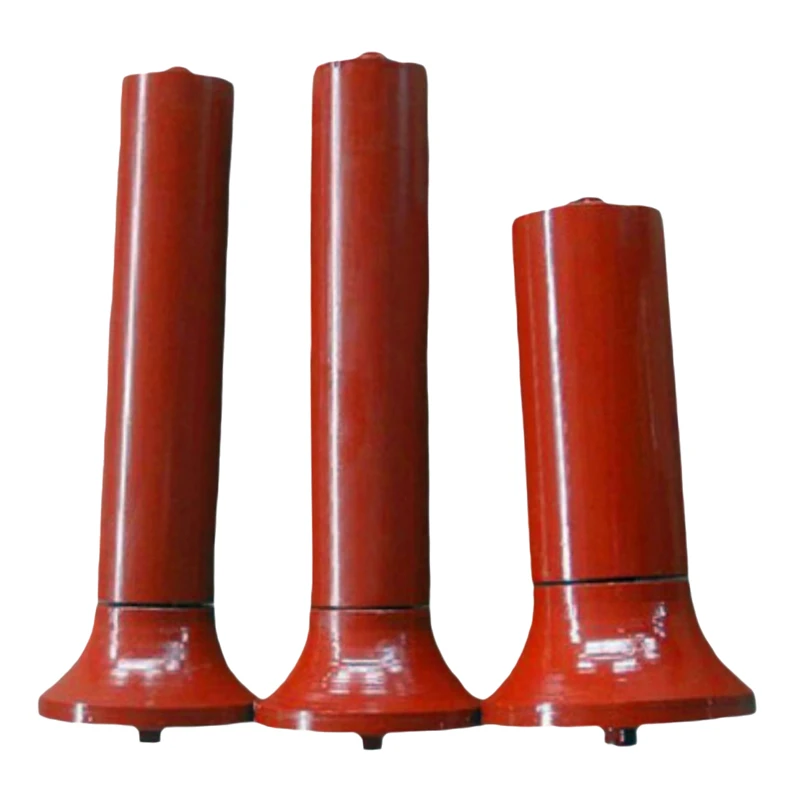
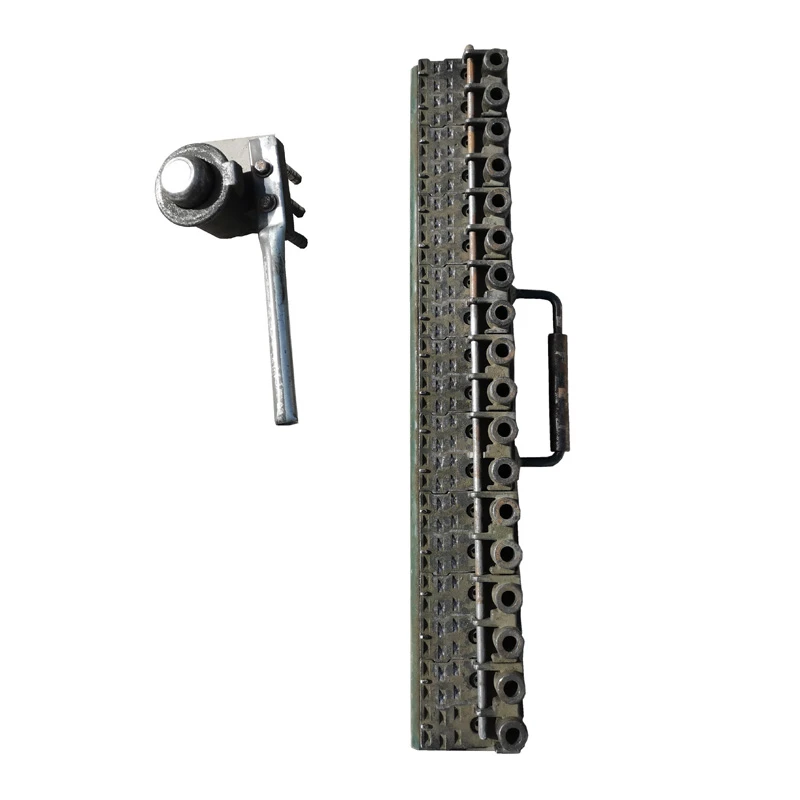
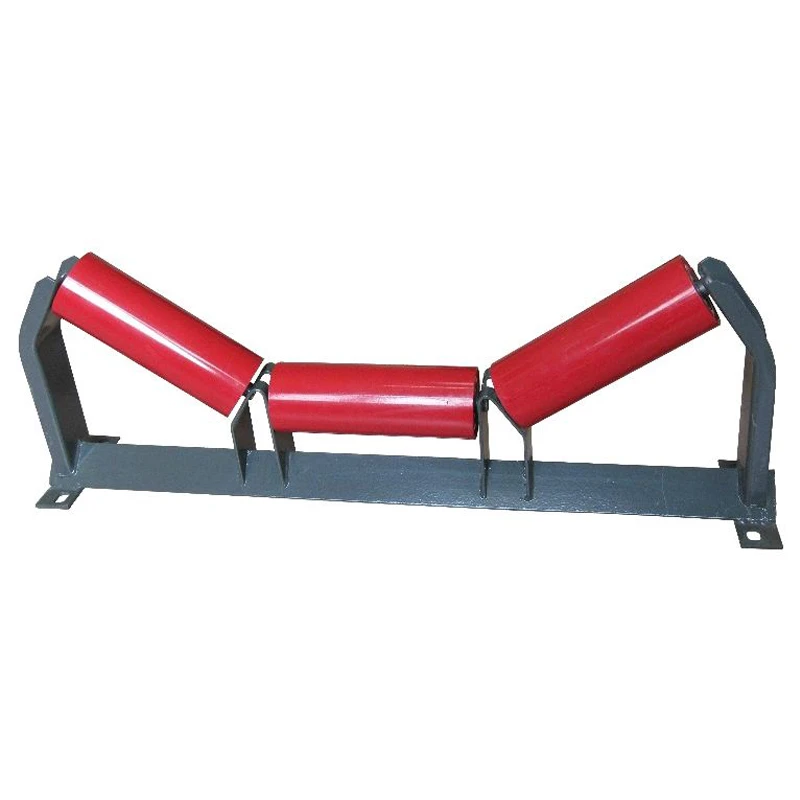
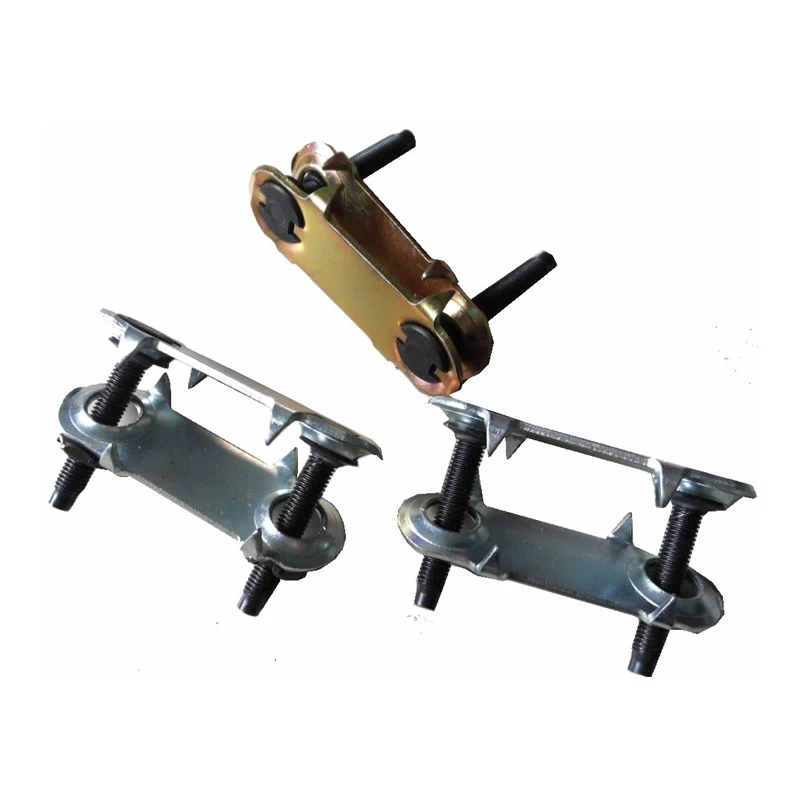
Grasshopper Conveyor is a key solution in the industry, specifically within material handling, manufacturing, and logistics sectors. This article explores how https://www.hgconveyorbelt.com supports professionals with durable, high-performance products, and explains why this product is an ideal choice for businesses in these sectors.
Table of Contents
- Grasshopper Conveyor Overview
- Benefits & Use Cases of Grasshopper Conveyor
- Cost, Maintenance & User Experience
- Sustainability & Market Trends
Grasshopper Conveyor Overview
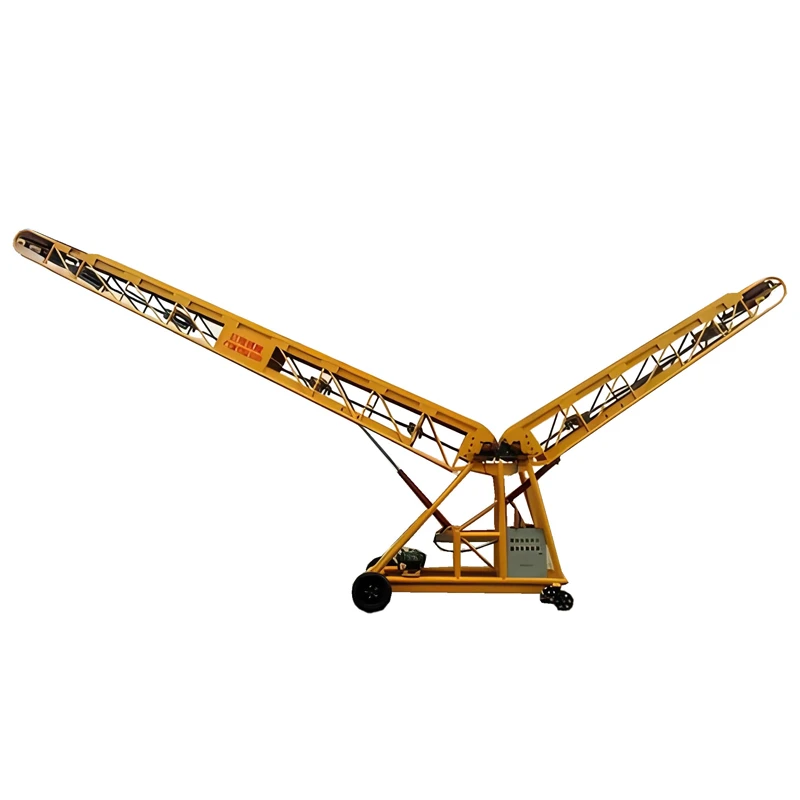
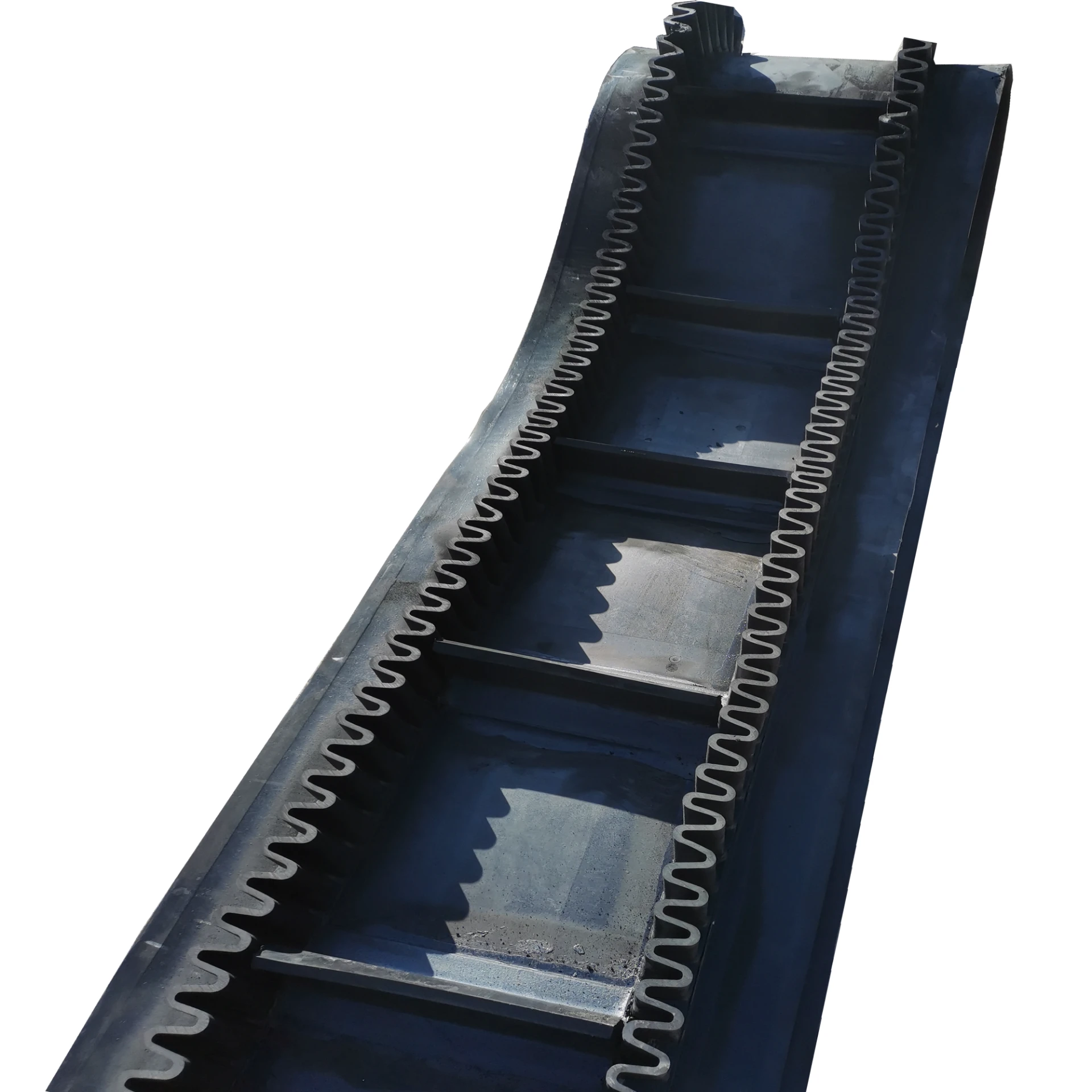
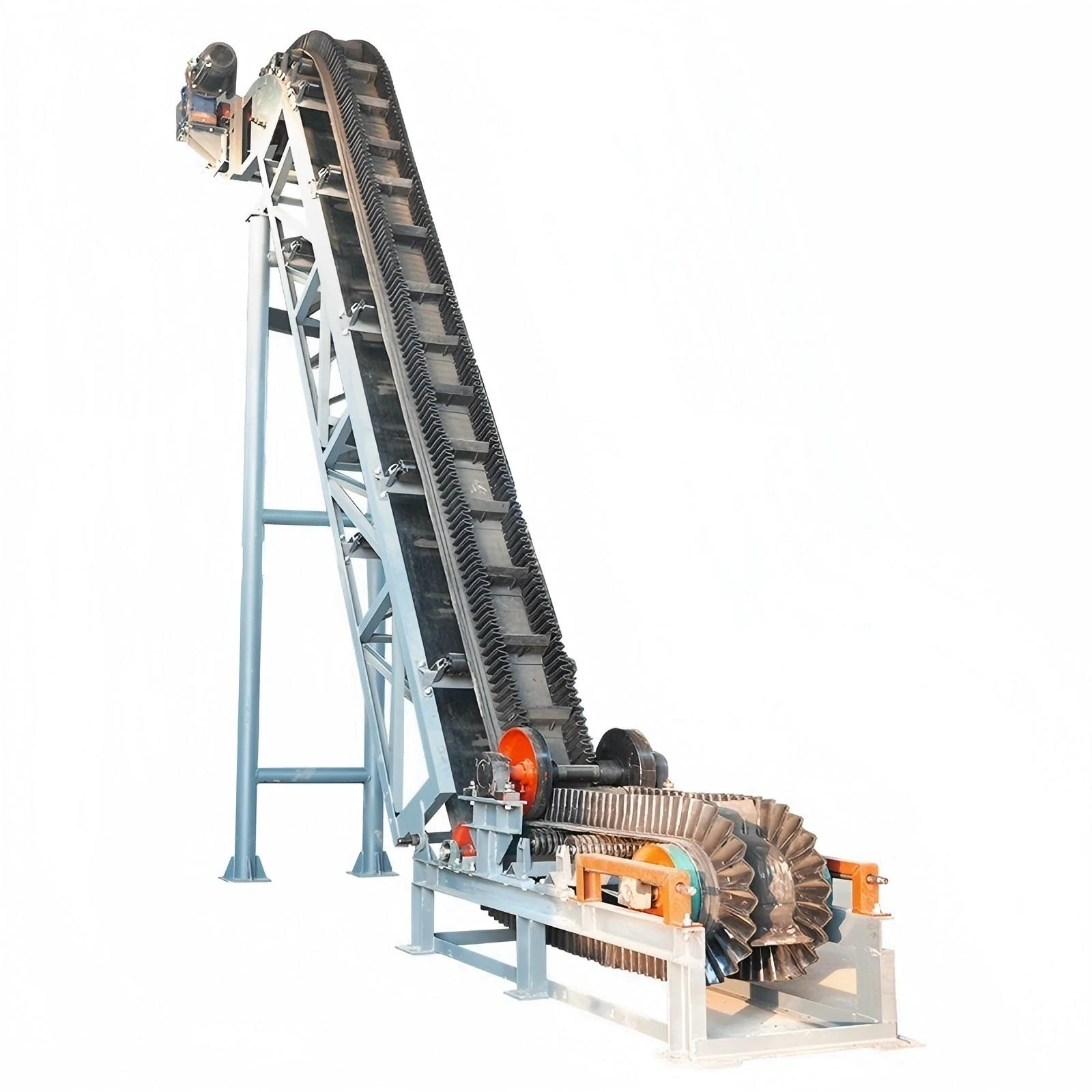
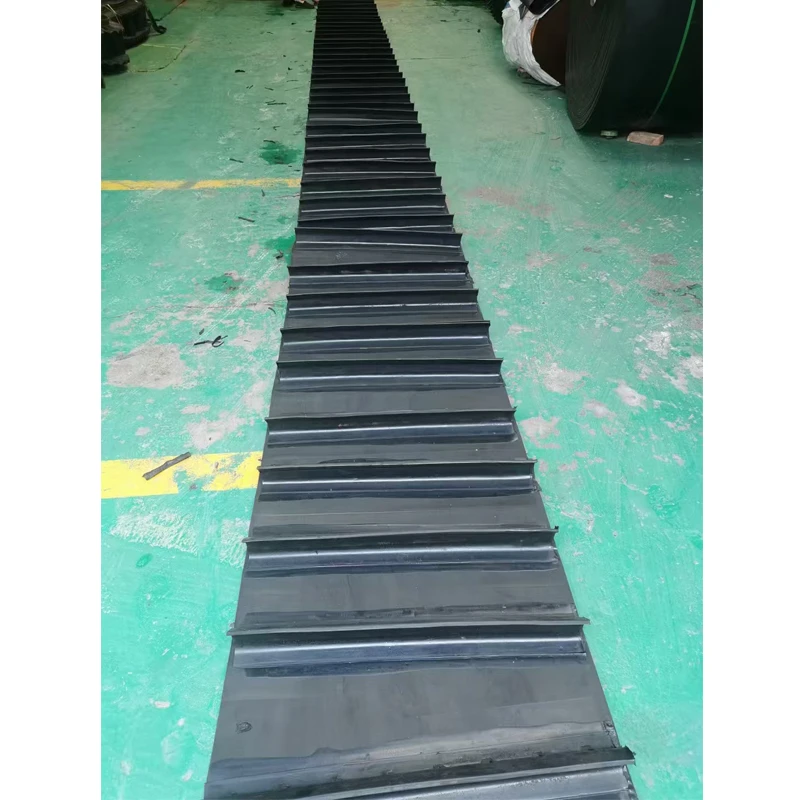
So what exactly is the Grasshopper Conveyor, and why does it seem to crop up often in those industrial conversations? In real terms, it’s a specialized conveyor belt system designed to handle heavy-duty materials with exceptional reliability and flexibility. Made by companies like HG Conveyor Belt, it’s engineered to perform in some pretty demanding environments — think mining, quarrying, and bulk material handling.
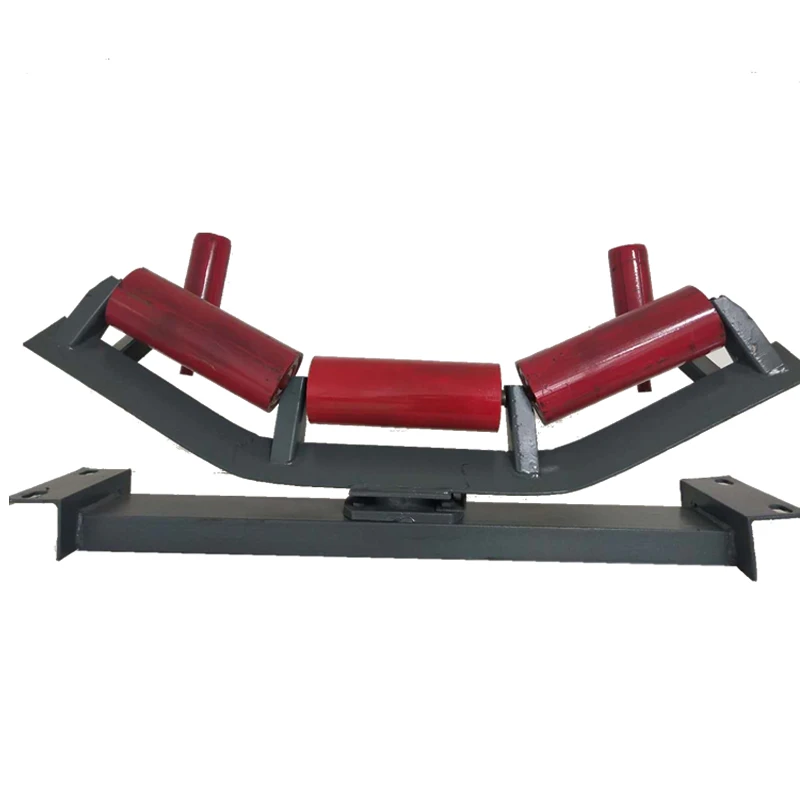
- The design focuses on a sturdy frame with multiple sections that ‘hop’ or lift in sequence, aiding material movement on steep gradients.
- Technically, these conveyors support load capacities up to 1200 kg/m and belt speeds ranging 1.2 to 2.5 m/s, depending on the model — details you’ll find detailed at HG Conveyor’s website.
| Specification | Details |
|---|---|
| Max Load Capacity | 1200 kg/m |
| Belt Width Options | 400 mm to 2000 mm |
| Max Belt Speed | 2.5 m/s |
| Operating Temperature | -20°C to 60°C |
| Typical Applications | Bulk material handling, mining, logistics |
Benefits & Use Cases of Grasshopper Conveyor
What really sets the Grasshopper Conveyor apart? For starters, it thrives where traditional conveyors struggle — particularly on steep inclines or in confined spaces. Its unique articulating sections allow for smooth vertical transport that’s less prone to slipping or spillage. I’ve noticed many engineers say this makes it a real game-changer in quarrying setups and automation lines.
- Industries from cement to recycling use it to transport materials efficiently while reducing floor space needs.
- Features like modular design, ease of integration with existing systems, and relatively low noise levels provide clear competitive advantages.
Cost, Maintenance & User Experience
Now, when considering a new conveyor system, the total cost of ownership looms large. Grasshopper Conveyors often demand a higher upfront investment than simpler belt types, but many operators find the payoff worth it. Durability and reduced downtime improve ROI, especially in harsh environments. It’s sort of like buying a quality pair of boots — a bit pricier but you wear them longer.
- Maintenance routines are generally straightforward due to modular parts, and many customers from mining companies report up to 25% less maintenance time.
- Some feedback highlights the conveyor’s adaptability and operator-friendly controls as significant pluses.
Sustainability & Market Trends
Sustainability isn’t just a buzzword here — it shapes the way conveyors are designed and used. The Grasshopper Conveyor system often comes with energy-efficient motors and components minimizing waste, and the reduced spillage contributes to a cleaner work environment. Plus, evolving regulations in many countries push manufacturers to innovate greener solutions, which HG Conveyor seems to embrace wholeheartedly.
- Market analysis points to a steady growth in demand for these conveyors, especially as manufacturers seek automation while reducing carbon footprints.
| Vendor | Product Range | Customization | Lead Time |
|---|---|---|---|
| HG Conveyor | Wide (400-2000 mm belts) | Extensive | 4-6 weeks |
| Competitor A | Limited | Basic | 6-8 weeks |
| Competitor B | Moderate | Moderate | 5-7 weeks |
Frequently Asked Questions about Grasshopper Conveyor
- What is Grasshopper Conveyor and how does it work?
- Simply put, it’s a conveyor design that moves material upward by flexing sections of the belt in a hopping or articulated motion. This is perfect for steep inclines where traditional belts might slip or spill loads.
- What are the main benefits of using Grasshopper Conveyor in industrial applications?
- They include efficient vertical transport, reduced footprint, higher load capacity, and less material waste due to spillage. Plus, the robust design means less downtime and easier maintenance.
- How does Grasshopper Conveyor compare to traditional alternatives?
- Compared to conventional flat or troughed belts, grasshopper conveyors excel at handling steep inclines or confined spaces, offering better grip and less spillage. They also often deliver better energy efficiency in those applications.
- What industries can benefit most from Grasshopper Conveyor implementation?
- Mining, quarrying, recycling, and bulk material handling industries find it especially useful. Its versatility extends to manufacturing lines needing vertical or angular transport as well.
Conclusion on Grasshopper Conveyor from china
To sum up, the Grasshopper Conveyor is more than just a conveyor belt — it’s a dependable industrial partner that tackles difficult materials handling challenges with flair. Its design, durability, and adaptability make it quite a smart investment, especially when sourced from reliable manufacturers like HG Conveyor. For those looking to streamline operations and boost efficiency, it’s definitely worth a closer look.
- Recap the value of Grasshopper Conveyor.
- - Visit our website: https://www.hgconveyorbelt.com
Reflecting on this technology, it feels like Grasshopper Conveyors strike a rare balance between tradition and innovation — standing the test of time yet evolving with modern demands.
References:
1. HG Conveyor Belt official specs and brochures
2. Industry reports on bulk material handling conveyors 2023–2024
3. Customer testimonials from mining and logistics sectors