The Bag Flattener Conveyor: An Industrial Workhorse
Having spent considerable time in the industrial equipment world, I've come across countless conveyor types, but the bag flattener conveyor always stands out for its unique function and subtle complexity. At first glance, it might seem like just another conveyor belt — but it goes beyond that, especially when handling bulky, uneven payloads like bags.
Oddly enough, many engineers I’ve worked with underestimate how vital the bag flattener conveyor is in streamlining packing and processing lines. Its core job is to compress or flatten filled bags to a uniform thickness. This reduces volume, allows easier pallet stacking, and prevents unwanted shifted loads downstream.
In real terms, this means improved logistics and less damage, which ultimately saves money. Plus, it feels satisfying watching a bunch of bulky bags coming out neat and tidy, almost like a small act of industrial artistry.
Why Design Matters in Bag Flattener Conveyors
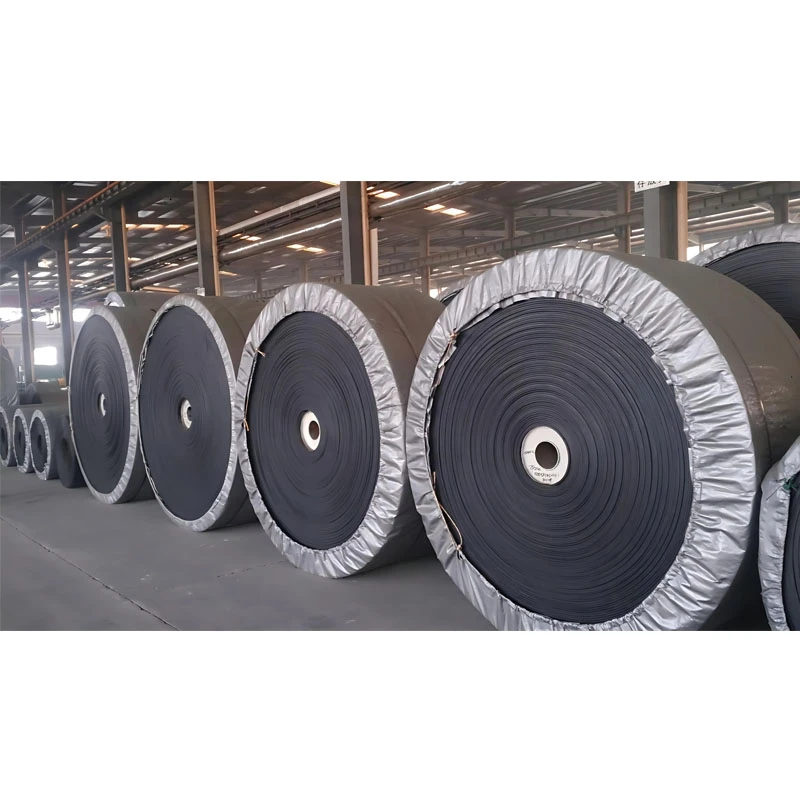
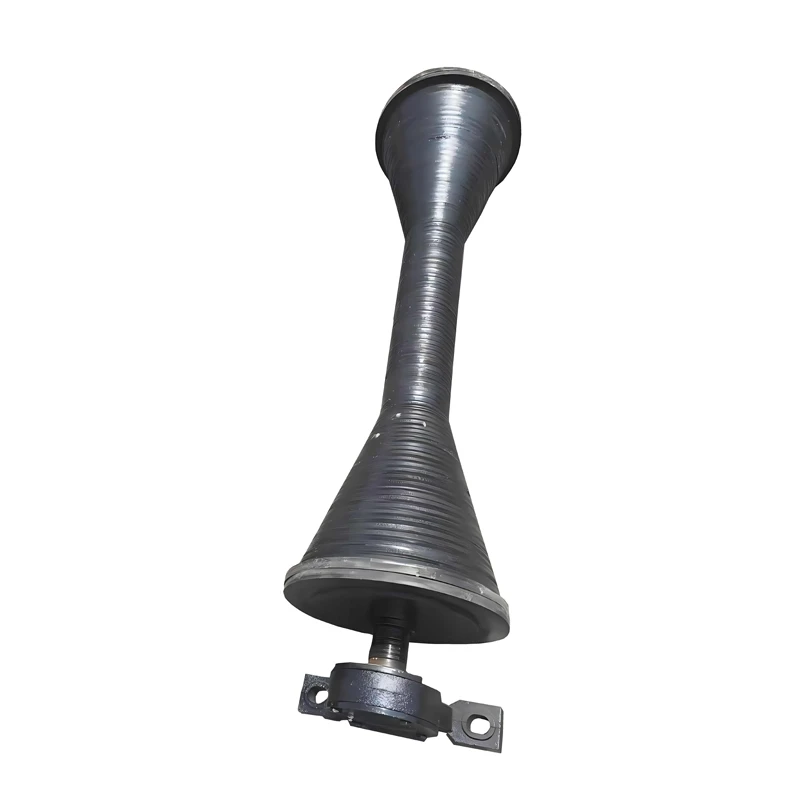
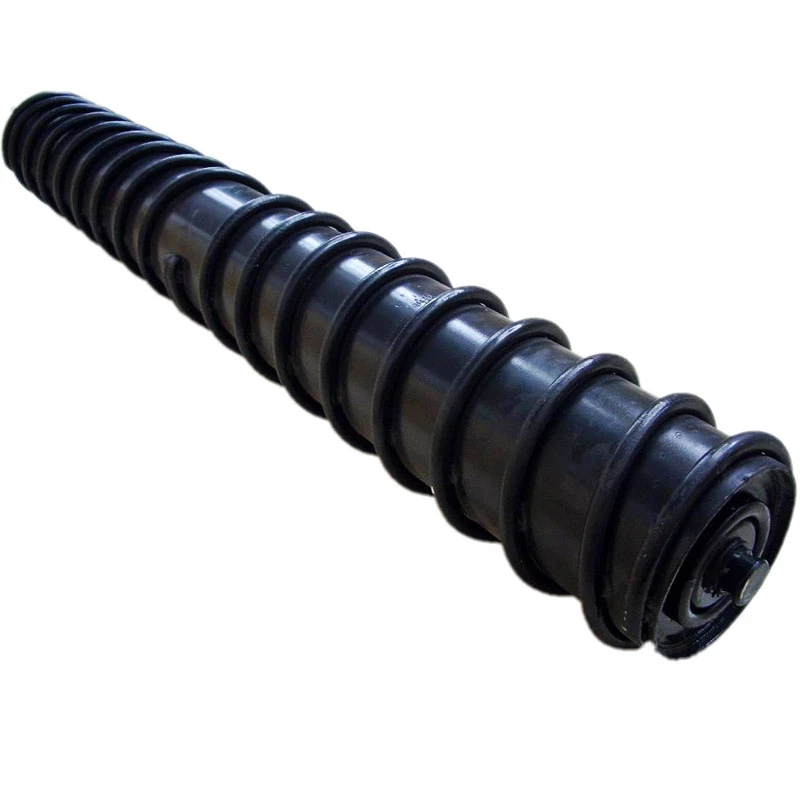
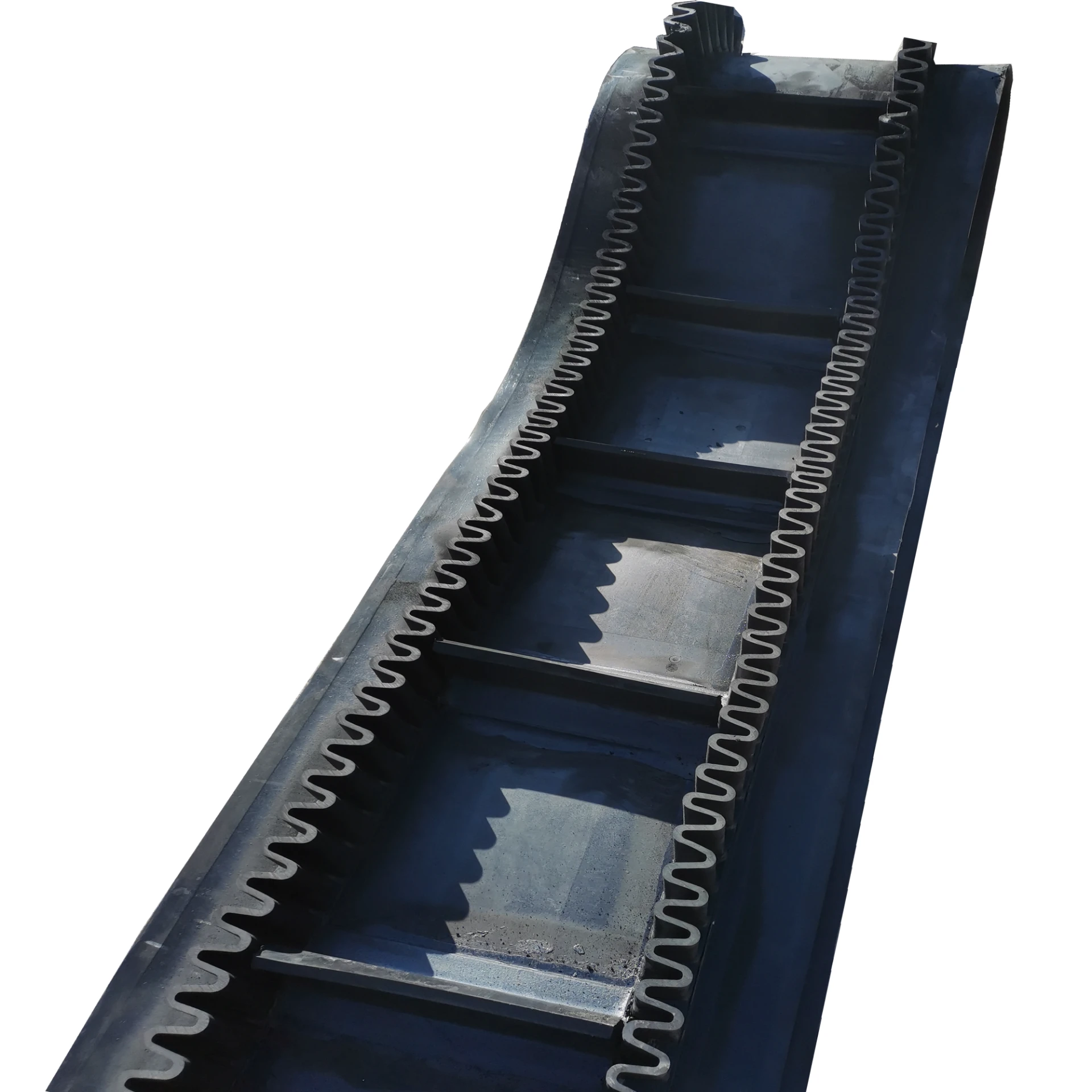
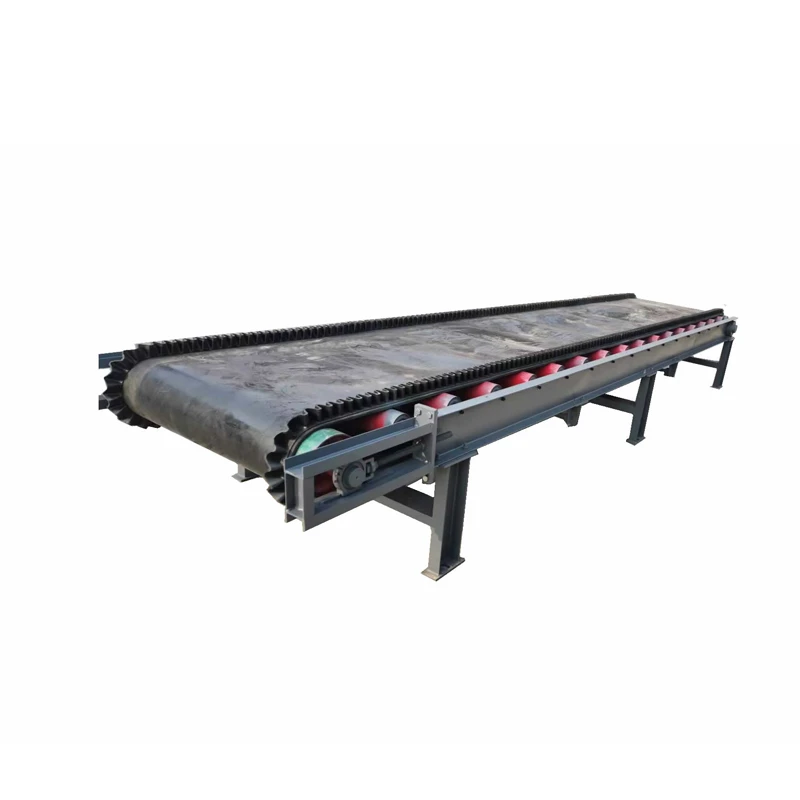
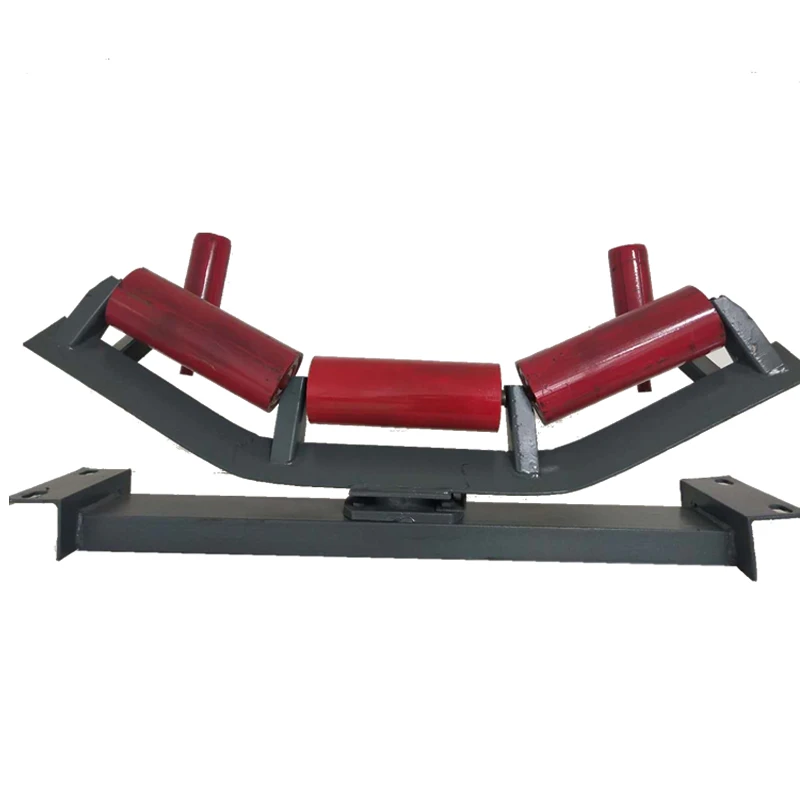
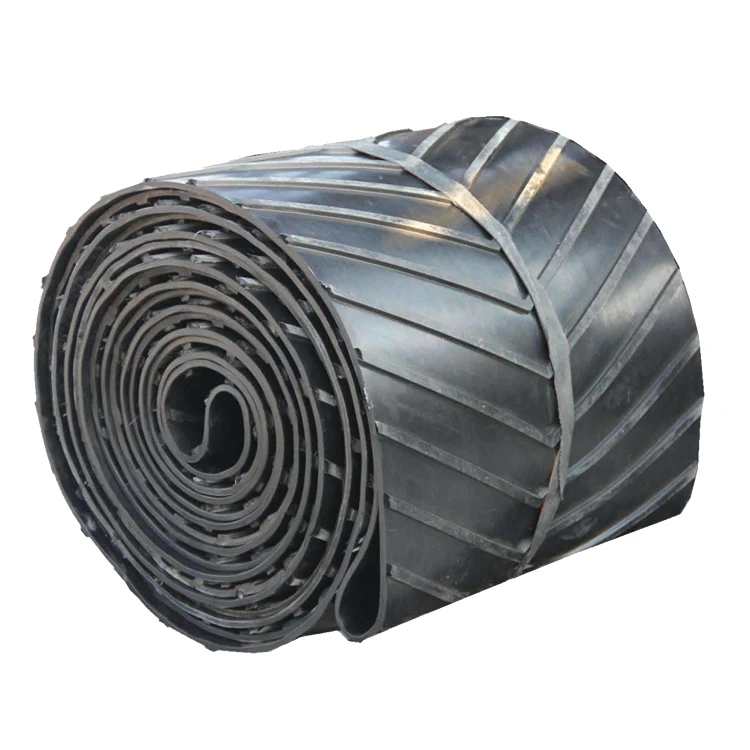
The design of these conveyors is worth a close look. Most bag flatteners use a series of belt layers or rollers configured to apply controlled pressure. Key design considerations include belt material durability (commonly rubber or PVC), adjustable tension, and the flattener’s length and width—optimized to your product’s bag sizes.
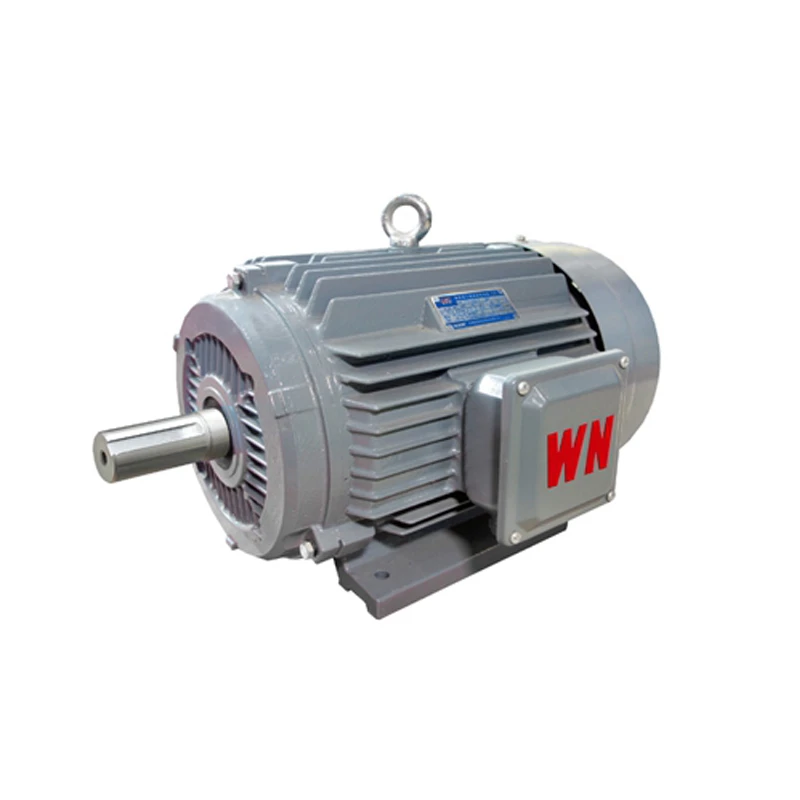
From my experience, the best systems incorporate variable-speed drives and easy-access maintenance setups, because industrial lines have zero tolerance for downtime. Also, the ability to tweak flattening pressure on the fly can make all the difference when switching bag types or contents.
Common Specifications of a Bag Flattener Conveyor
| Specification | Typical Value |
|---|---|
| Belt Length | 3 - 12 meters (customizable) |
| Belt Width | 400 - 800 mm |
| Material | Rubber, PVC, or composite belts |
| Drive System | Variable speed motor with gear reducer |
| Flattening Method | Counter-rotating belts or pressure rollers |
| Control | Manual or PLC-integrated |
Vendor Comparison: Some Options to Consider
Now, if you’re shopping for one of these systems, the market does offer a few solid manufacturers—each with their quirks. Here’s a quick, no-nonsense comparison I put together from past projects and industry sources:
| Feature | HGC Conveyor Belt | Competitor A | Competitor B |
|---|---|---|---|
| Customization | High - bespoke configurations | Medium | Low |
| Build Quality | Industrial-grade, tested | Good | Average |
| Lead Time | 4-6 weeks | 6-8 weeks | 8+ weeks |
| Support & Service | Responsive, technical backup | Moderate | Limited |
You know, I recall a recent case where a cereal packaging plant integrated an HGC bag flattener conveyor. The client said it cut down palletizing issues dramatically and even reduced product crush damage. It’s funny how these “small” pieces of equipment can make such a big difference on the line.
In conclusion, the bag flattener conveyor might fly under the radar, but its impact is sizable. If you care about packing efficiency, material handling ease, or product integrity, it’s worth a close look. Plus, with vendors like HGC Conveyor Belt offering customizable, quality solutions, you’re not just buying gear; you’re investing in smoother operations.
Reflecting on years in the field, it’s these nuanced pieces of equipment that keep the wheels turning — literally and figuratively.
References:
1. Industry case studies from cereal packing lines, 2022.
2. Technical specs and design notes from HGC Conveyor Belt catalogs.
3. Interviews with industrial engineers specialized in bulk packaging.