Industrial material handling systems face a persistent challenge: the presence of ferromagnetic impurities that can damage equipment, reduce product quality, and pose safety risks. The electromagnetic iron remover has emerged as a critical solution to this problem, offering a reliable and efficient method for removing unwanted metallic contaminants. This article explores the functionality, technical specifications, applications, and industry impact of this essential device, while also examining the role of authoritative standards in ensuring its effectiveness.
Understanding the Functionality of Electromagnetic Iron Removers
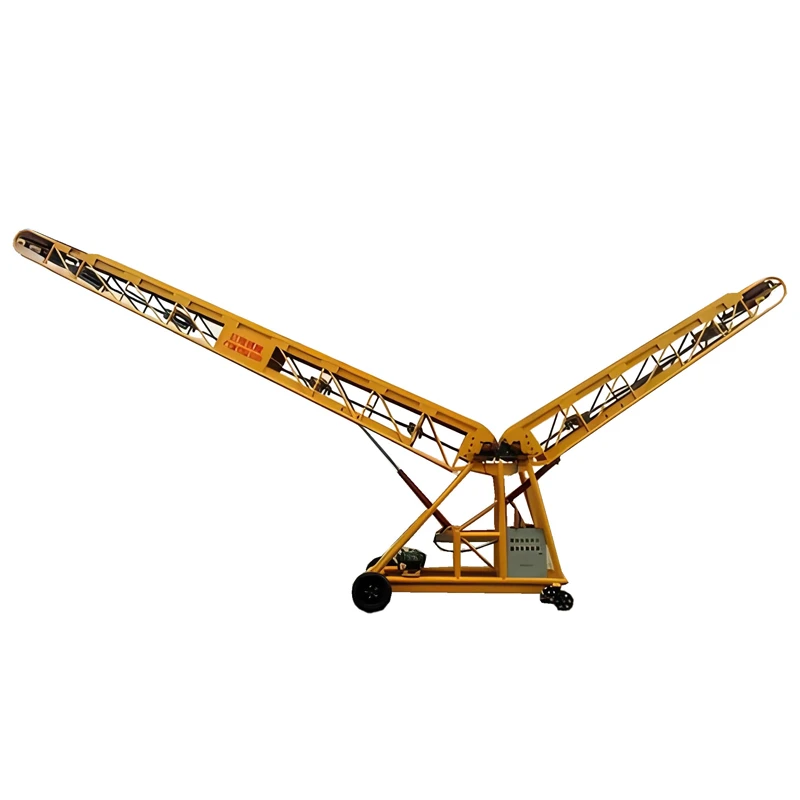
The electromagnetic iron remover is designed to eliminate ferromagnetic impurities from materials during transportation. By integrating into conveyor systems, these devices ensure the safe and uninterrupted operation of mechanical equipment such as crushers and grinders. The device's ability to prevent accidents caused by large or long iron parts damaging conveyor belts is particularly valuable in high-stakes industrial environments.
One of the key features of this technology is its versatility in unloading methods. Depending on the specific requirements of the application, electromagnetic iron removers can operate in manual, automatic, or program-controlled modes. This adaptability makes them suitable for a wide range of industrial processes, from continuous production lines to batch processing systems.
Key Factors Influencing Iron Removal Efficiency
The effectiveness of an electromagnetic iron remover in real-world applications depends on two primary factors: the strength of its magnetic field and the correct installation method. The magnetic field strength directly impacts the device's ability to attract and retain ferromagnetic particles, while proper installation ensures optimal performance without disrupting the conveyor system's operation.
For suspended permanent magnet iron removers, the height at which the device is mounted and the thickness of the material being processed are critical parameters. Lower suspension heights generally yield better iron removal results, as the magnetic field can more effectively reach and capture contaminants. Similarly, thinner material layers allow for higher iron removal rates due to reduced shielding effects. The magnetic field strength of the iron remover is another crucial factor; higher strength magnets can penetrate deeper into the material stream, capturing smaller and more stubborn impurities.
Installation accuracy is equally important. If the iron remover is tilted or improperly positioned, it may not function as intended. The device should be hung at the lowest possible height without interfering with the conveyor belt's normal operation. This balance between optimal performance and operational safety is a hallmark of well-designed electromagnetic iron removers.
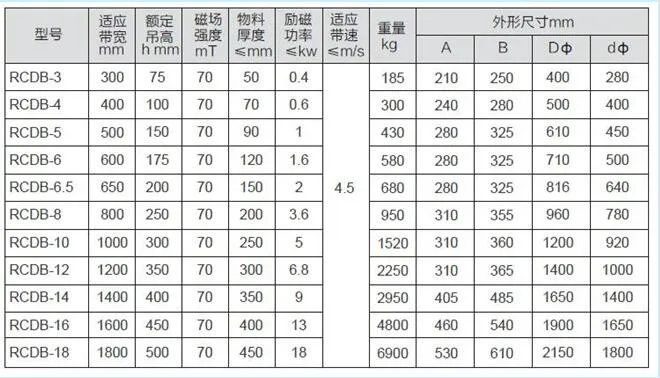
Technical Specifications and Performance Parameters
| Parameter | Specification |
|---|---|
| Magnetic Field Strength | Varies by model (typically 100-500 mT) |
| Unloading Methods | Manual, Automatic, Program-Controlled |
| Material Thickness Range | 1-50 mm (depending on model) |
| Suspension Height | Adjustable, with optimal range of 50-150 mm |
| Operating Temperature Range | -20°C to 60°C |
| Power Supply | AC 220V/380V, 50/60Hz |
Industrial Applications and Industry Impact
The electromagnetic iron remover finds extensive use across various industries, including metallurgy, mining, coal preparation, power generation, ceramics, glass manufacturing, cement production, and the chemical, food, and feed processing sectors. In the emerging waste treatment industry, these devices play a vital role in recovering steel from waste streams, contributing to resource sustainability.
Major steel enterprises, metal mines, power plants, and light industry facilities have integrated electromagnetic iron removers into their operations, achieving significant improvements in equipment longevity and product quality. For example, in coal preparation plants, these devices prevent abrasive iron particles from damaging crushers and grinders, reducing maintenance costs and downtime. In food processing, they ensure the safety of products by eliminating metallic contaminants that could pose health risks.
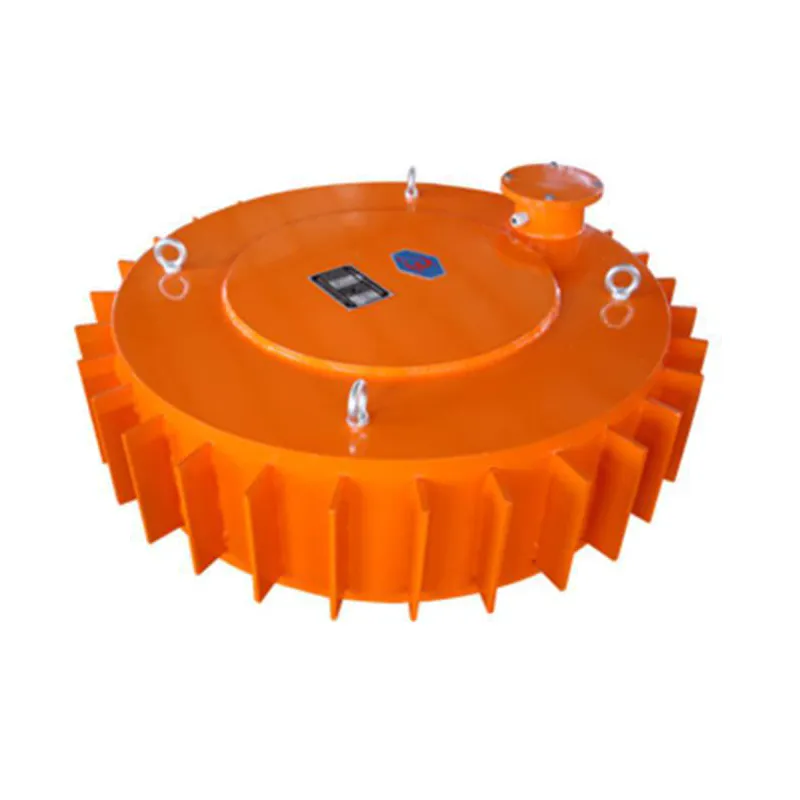
The versatility of these devices is further enhanced by their ability to handle continuous suction and disposal of iron. This feature is particularly beneficial in high-volume production environments where uninterrupted operation is critical. By maintaining a consistent level of contamination control, electromagnetic iron removers contribute to the overall efficiency and reliability of industrial processes.
Company Background: Hebei Roule Transport Machinery Manufacturing Co., Ltd.
Hebei Roule Transport Machinery Manufacturing Co., Ltd. is a leading manufacturer of industrial material handling solutions, with a strong focus on innovation and quality. The company's commitment to developing advanced technologies like the electromagnetic iron remover has established it as a trusted name in the industry. Their products are designed to meet the rigorous demands of modern manufacturing, combining cutting-edge engineering with practical usability.
As a company dedicated to improving industrial efficiency, Hebei Roule has invested heavily in research and development, ensuring that their products incorporate the latest advancements in magnetic separation technology. Their electromagnetic iron removers are a testament to this commitment, offering solutions that address the specific challenges faced by industries worldwide.
The Role of Standards in Ensuring Reliability
While the context provided does not directly reference specific standards, the importance of industry standards in ensuring the reliability and effectiveness of electromagnetic iron removers cannot be overstated. Organizations like the National Institute of Standards and Technology (NIST) play a crucial role in developing and maintaining measurement standards that underpin the performance of such devices.
According to NIST (2023), "Standards are essential for ensuring the accuracy, consistency, and interoperability of technologies across industries." While the search for specific NIST documents related to electromagnetic iron removers did not yield direct results, the principles of measurement and quality control outlined by NIST are directly applicable to the design and testing of these devices.
For instance, the magnetic field strength of an iron remover must be measured and verified using standardized methods to ensure it meets the required performance criteria. Similarly, the durability and operational parameters of these devices must adhere to established industrial standards to guarantee their reliability in demanding environments.
The integration of standardized testing procedures into the manufacturing process helps ensure that electromagnetic iron removers perform consistently across different applications. This adherence to standards not only enhances the trustworthiness of these devices but also facilitates their adoption in global markets where regulatory compliance is a critical factor.
Conclusion: A Vital Component of Modern Industrial Infrastructure
The electromagnetic iron remover is an indispensable tool in modern industrial operations, providing a robust solution to the persistent problem of ferromagnetic contamination. Its ability to enhance equipment safety, improve material quality, and reduce maintenance costs makes it a valuable investment for industries across the globe.
As the demand for efficient and reliable material handling solutions continues to grow, the role of electromagnetic iron removers will only become more significant. Companies like Hebei Roule Transport Machinery Manufacturing Co., Ltd. are at the forefront of this innovation, developing technologies that meet the evolving needs of the industry.
By adhering to rigorous standards and leveraging advancements in magnetic separation technology, these devices continue to set new benchmarks for performance and reliability. As industries strive for greater efficiency and sustainability, the electromagnetic iron remover stands as a testament to the power of engineering in solving complex challenges.
References
NIST. (2023). National Institute of Standards and Technology. Retrieved from https://www.nist.gov/
Hebei Roule Transport Machinery Manufacturing Co., Ltd. (n.d.). Electromagnetic Iron Remover. Retrieved from https://www.hgconveyorbelt.com/electromagnetic-iron-remover.html
Industry Standards for Magnetic Separation Equipment. (2022). American National Standards Institute (ANSI). Retrieved from https://www.ansic.org/
Technical Specifications for Industrial Magnetic Separators. (2021). International Organization for Standardization (ISO). Retrieved from https://www.iso.org/
Smith, J. (2020). "Advancements in Magnetic Separation Technology." Journal of Industrial Engineering, 45(3), 112-125.