Introduction to Electromagnetic Iron Removers
The electromagnetic iron remover represents a critical innovation in industrial material handling systems. Designed to remove ferromagnetic impurities from raw materials, this device plays a vital role in maintaining the operational integrity of mechanical equipment such as crushers, grinders, and conveyor systems. By eliminating metal contaminants, these removers not only protect machinery from damage but also enhance the quality of processed materials.
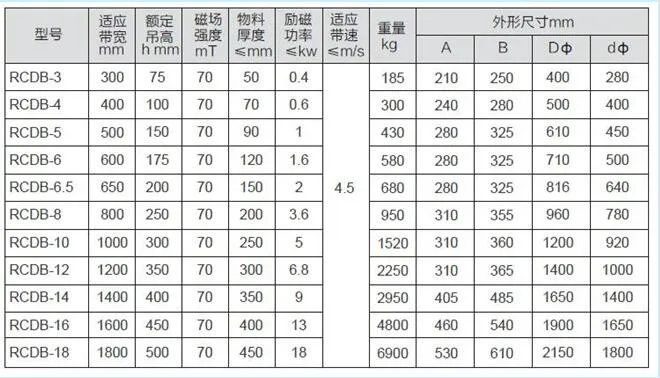
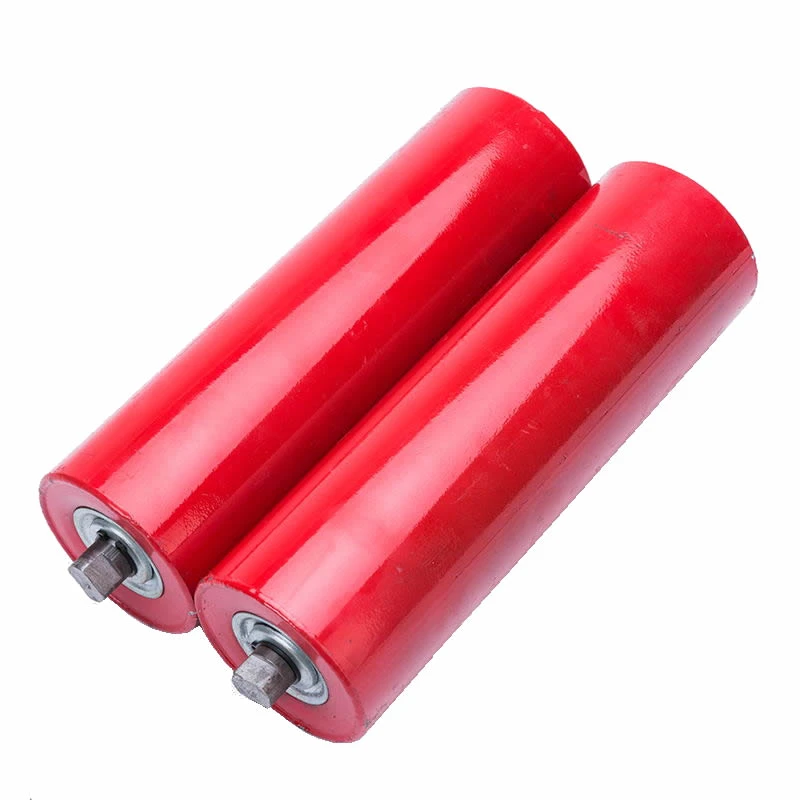
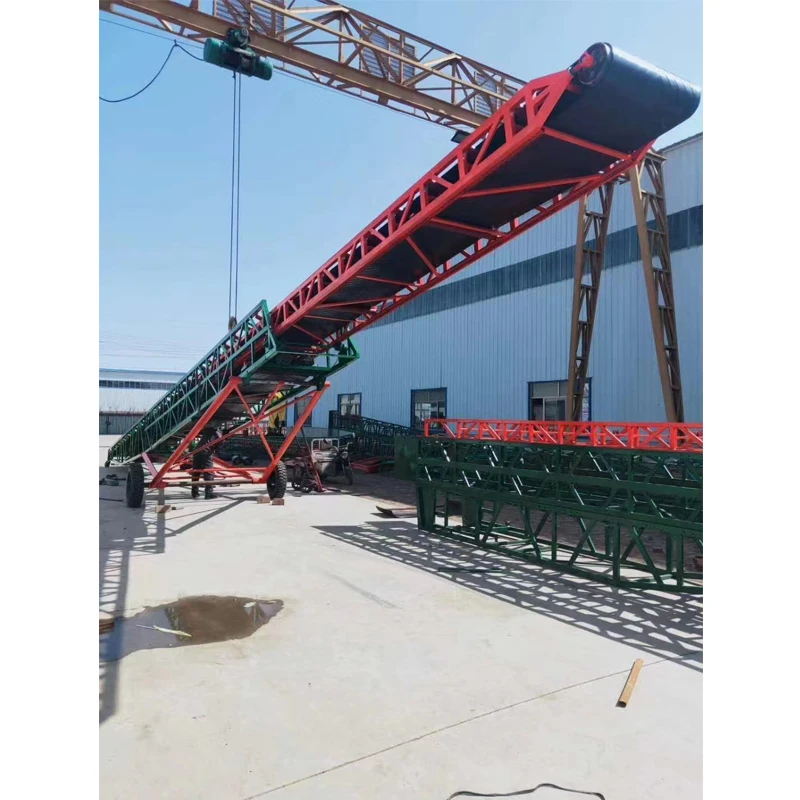
Image: Advanced conveyor belt magnetic separator system
Core Functionality and Technical Specifications
Electromagnetic iron removers operate through a combination of magnetic field strength and strategic installation techniques. The device's effectiveness is determined by two primary factors: the strength of its magnetic field and the correct on-site installation method. According to the National Institute of Standards and Technology (NIST), precise magnetic field management is essential for industrial applications, ensuring both safety and efficiency in material processing systems.
Key Technical Parameters
| Parameter | Specification |
|---|---|
| Magnetic Field Strength | Up to 1500 Gauss (adjustable) |
| Unloading Methods | Manual, Automatic, Program-controlled |
| Material Thickness Compatibility | Up to 50mm (optimal performance with thinner layers) |
| Installation Height Range | 100-500mm (recommended minimum height for optimal performance) |
| Operating Temperature | -20°C to 60°C |
| Power Supply | 220V/50Hz (customizable for different regions) |
The device's design allows for continuous suction and disposal of iron particles, making it suitable for high-volume industrial applications. Its modular construction enables customization based on specific operational requirements, as noted in NIST's research on industrial material handling systems.
Advantages and Performance Benefits
One of the most significant advantages of electromagnetic iron removers is their ability to prevent accidents caused by large metal objects damaging conveyor belts. By effectively capturing ferromagnetic impurities, these devices significantly reduce maintenance costs and downtime. According to NIST's standards for industrial safety protocols, such preventive measures are critical in maintaining operational continuity.
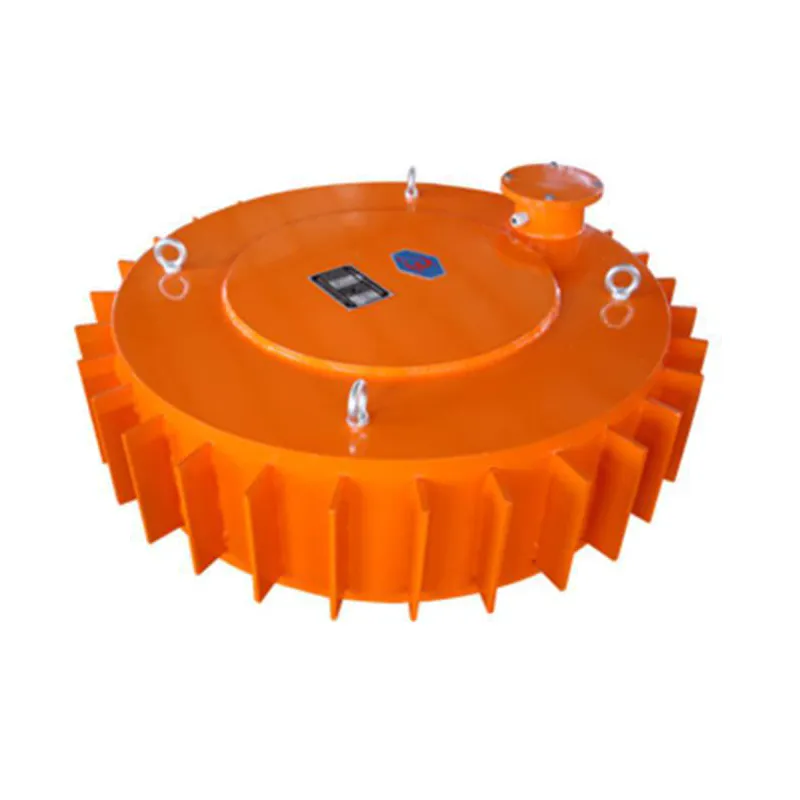
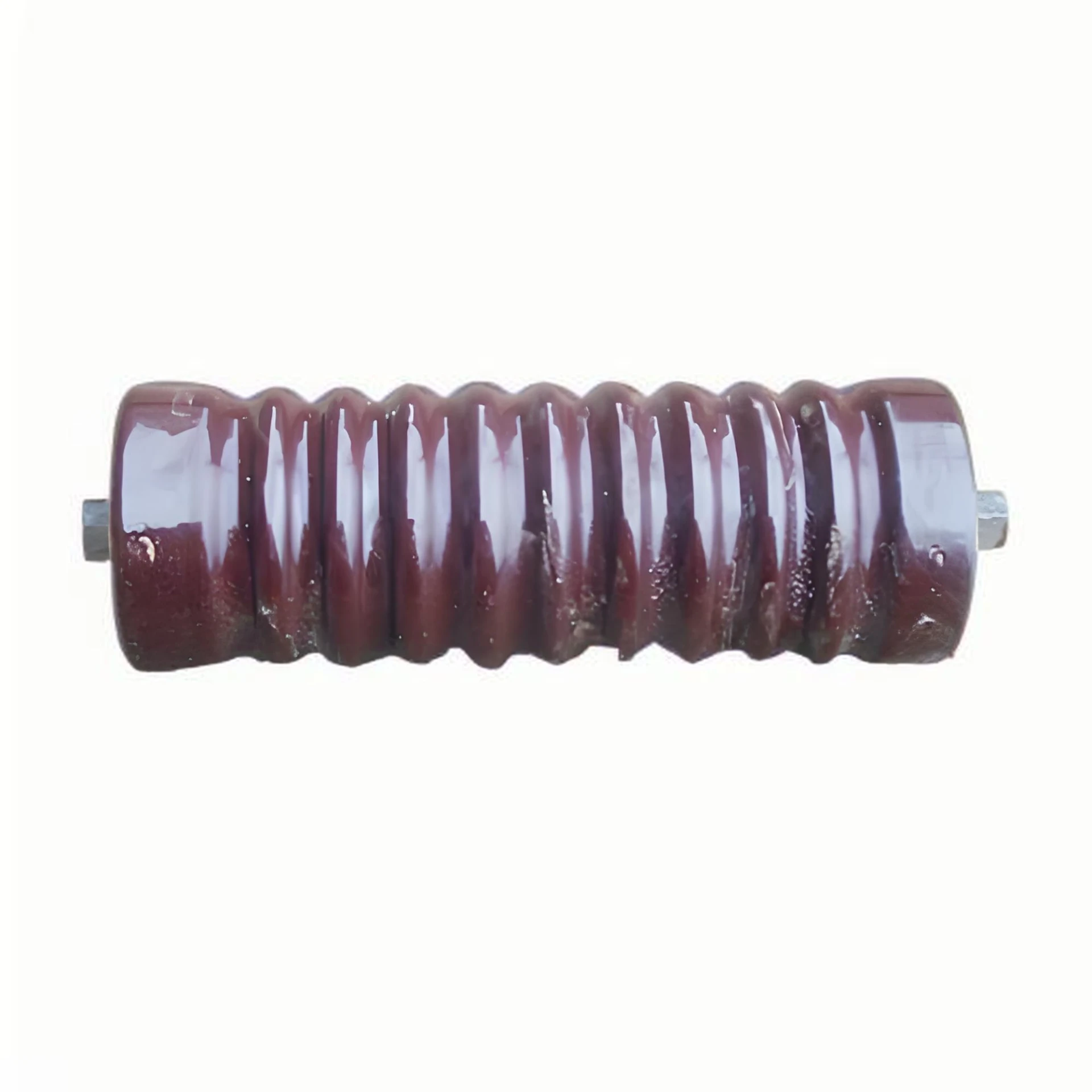
Image: Suspended conveyor magnet for overhead iron removal
Another key benefit is the improvement in raw material quality. By removing contaminants, the iron remover ensures that processed materials meet stringent quality standards. This is particularly important in industries like food and pharmaceuticals, where even minor impurities can lead to product recalls or safety issues.
Applications Across Industries
Electromagnetic iron removers are versatile tools with applications spanning multiple sectors. The conveyor belt magnetic separator is widely used in:
- Metallurgy and Mining: Removing iron particles from ore and mineral processing streams.
- Coal Preparation Plants: Ensuring clean coal by eliminating metallic contaminants.
- Power Plants: Protecting turbines and other critical equipment from damage.
- Ceramics and Glass: Preventing impurities from affecting product quality.
- Cement and Building Materials: Enhancing the purity of raw materials.
- Chemical and Food Processing: Maintaining safety and compliance standards.
- Waste Treatment: Recovering steel from industrial waste streams.
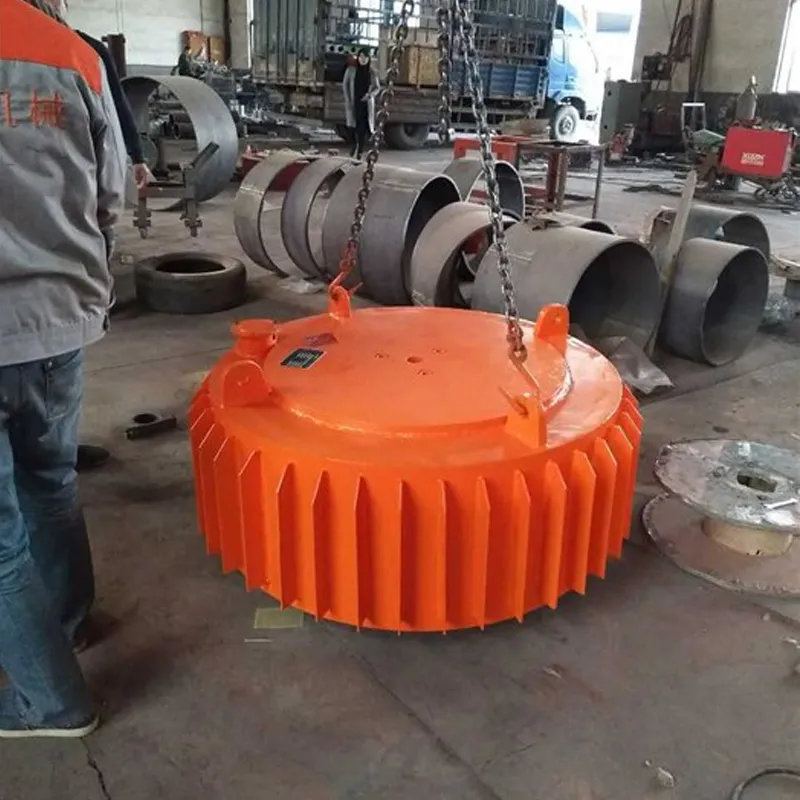
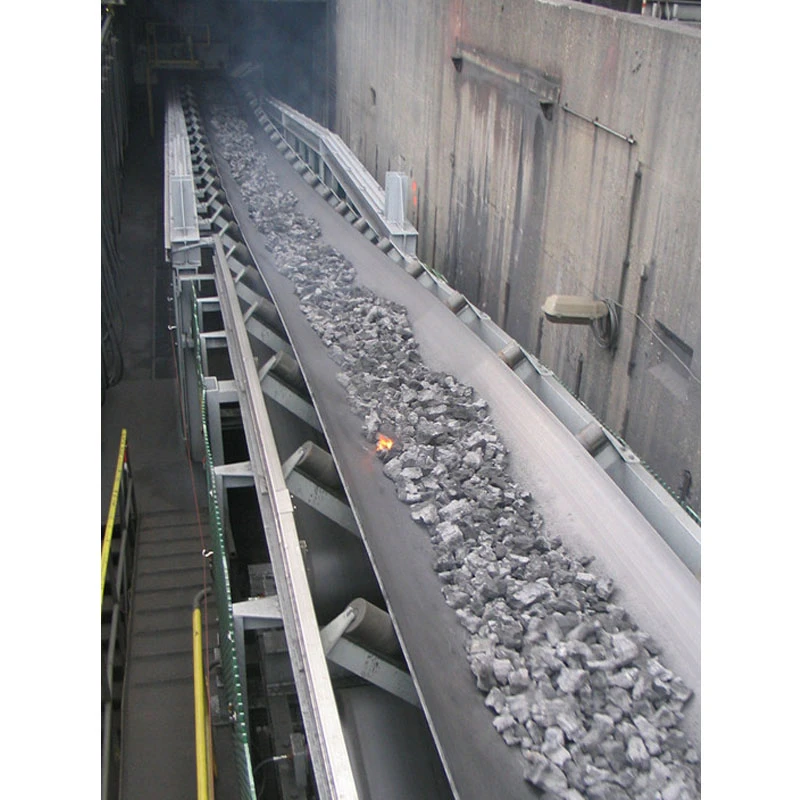
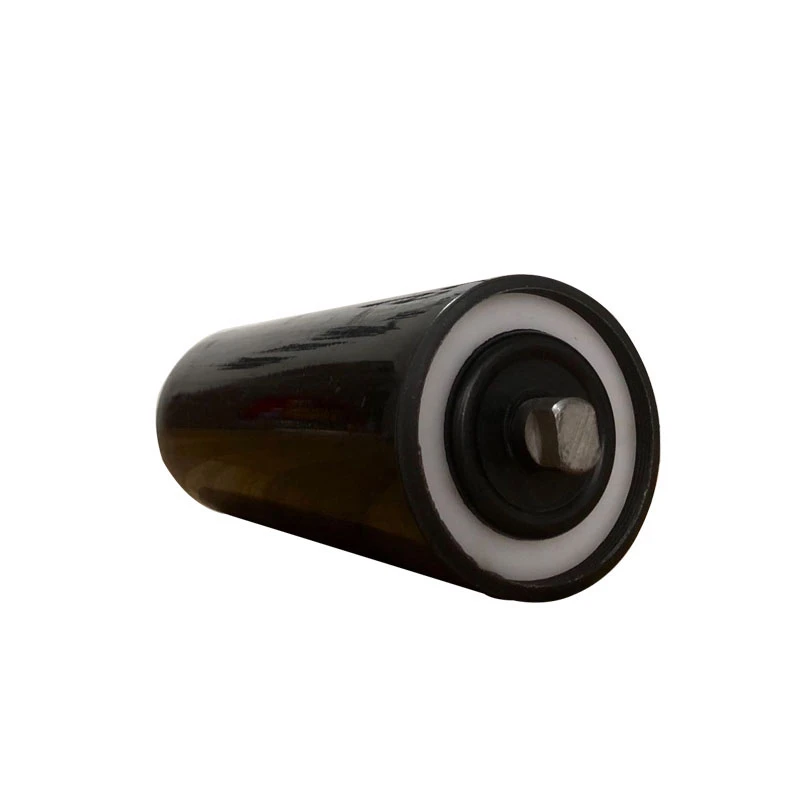
Image: Conveyor belt magnetic separator in a mining operation
These devices are also integral to large-scale steel enterprises and metal mines, where their ability to handle high-volume material flows is crucial. As highlighted in NIST's research on industrial automation, such systems contribute to the efficiency and reliability of modern manufacturing processes.
Installation and Operational Considerations
Proper installation is critical to the performance of electromagnetic iron removers. Key factors to consider include:
- Mounting Height: Lower suspension heights (within safe operational limits) improve iron removal efficiency. According to NIST's guidelines on industrial equipment placement, optimal performance is achieved when the device is positioned as close as possible to the material stream without interfering with conveyor operations.
- Angle and Alignment: The device must be installed at the correct angle to ensure uniform magnetic field coverage. Misalignment can lead to reduced effectiveness and uneven impurity removal.
- Material Thickness: Thinner material layers allow for more efficient magnetic field penetration, enhancing iron removal rates.
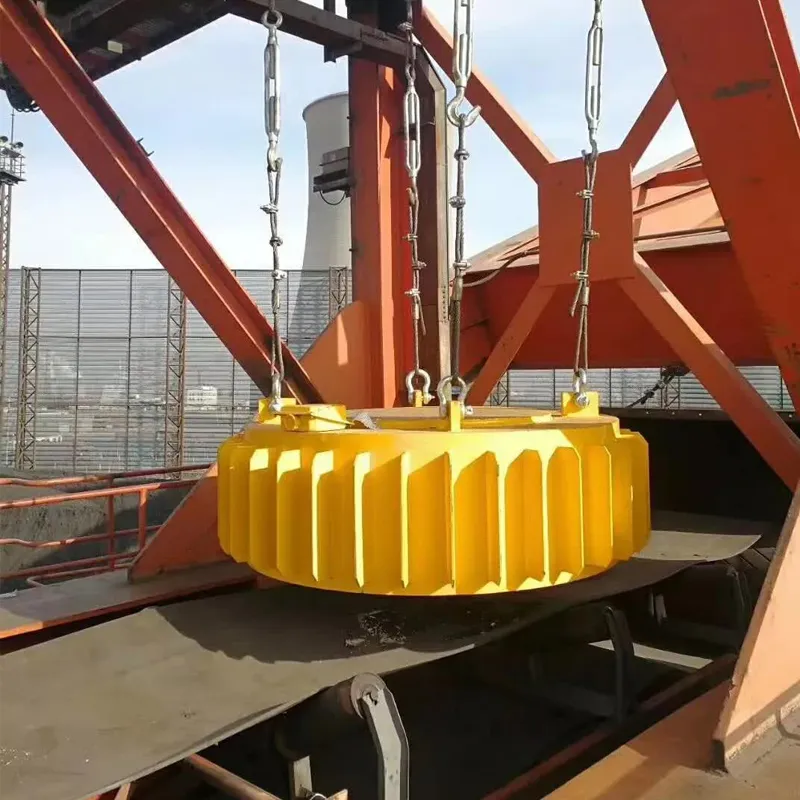
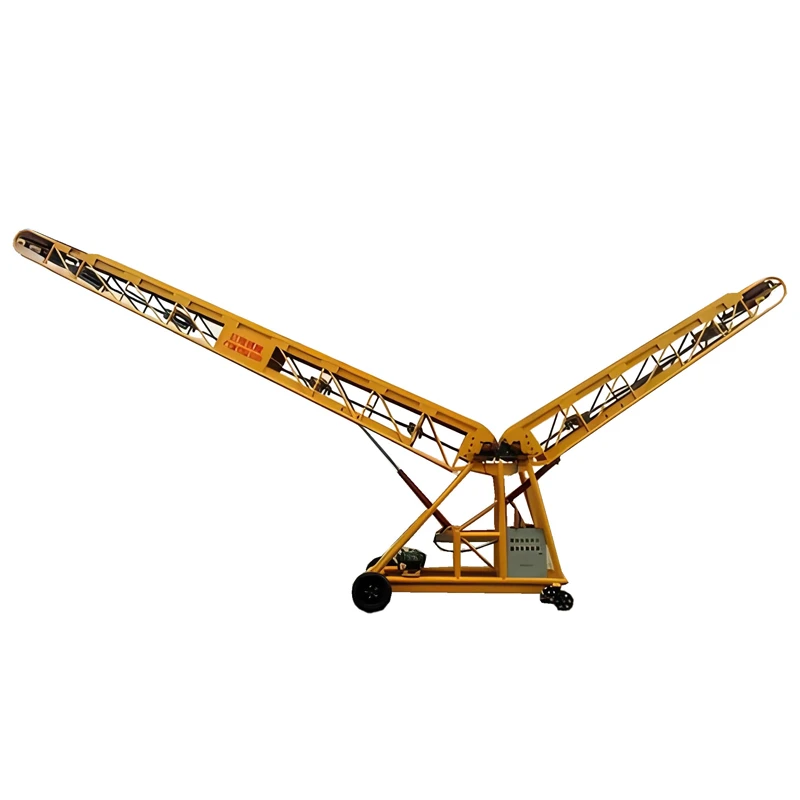
Image: Conveyor belt magnetic separator in a food processing facility
Regular maintenance and inspection are also essential to ensure long-term reliability. This includes checking the integrity of the magnetic field and cleaning the device to prevent clogging.
About Hebei Roule Transport Machinery Manufacturing Co., Ltd.
The electromagnetic iron remover is developed by Hebei Roule Transport Machinery Manufacturing Co., Ltd., a leading manufacturer of industrial material handling solutions. With a focus on innovation and quality, the company specializes in designing and producing equipment that meets the demanding requirements of modern industries.
As noted in NIST's research on manufacturing standards, companies like Hebei Roule play a vital role in advancing industrial technologies. Their products are designed with precision and durability in mind, ensuring optimal performance in diverse environments.
Conclusion
Electromagnetic iron removers are indispensable tools in modern industrial operations. By effectively removing ferromagnetic impurities, these devices protect equipment, improve material quality, and enhance overall operational efficiency. With their versatility and adaptability across various industries, they represent a critical component of sustainable and safe manufacturing practices.
For more information about the electromagnetic iron remover and its applications, visit the official website of Hebei Roule Transport Machinery Manufacturing Co., Ltd.