Understanding Distribution Center Conveyor Systems: The Backbone of Modern Logistics
In today’s fast-paced world, where supply chains stretch across continents and a single misplaced package can ripple into delayed goods worldwide, distribution center conveyor systems emerge as silent heroes. These systems, often hidden behind the scenes, carry the immense weight of global commerce and even humanitarian efforts. Understanding them isn't just for engineers or logistics managers—it’s about recognizing a pillar of modern efficiency that shapes economies and touches everyday lives.
Global Context: Why Distribution Center Conveyor Systems Matter
According to the International Organization for Standardization (ISO), over 70% of the world’s goods pass through some form of automated handling system, highlighting the critical role conveyor systems play. Distribution centers, the nerve centers of supply chains, rely on conveyor technology to move millions of packages daily. The World Bank reports remarkable growth in e-commerce, especially during recent years—a trend pushing logistics systems to scale faster than ever.
But it’s not just about speed or volume. The challenge is handling diverse product sizes, fragile items, and tight delivery windows, all while managing labor costs and safety. Distribution center conveyor systems address these exact pains, becoming more than metal and belts—they're the sophisticated movers ensuring global shelves stay stocked, and relief supplies reach those in urgent need.
What Exactly Are Distribution Center Conveyor Systems?
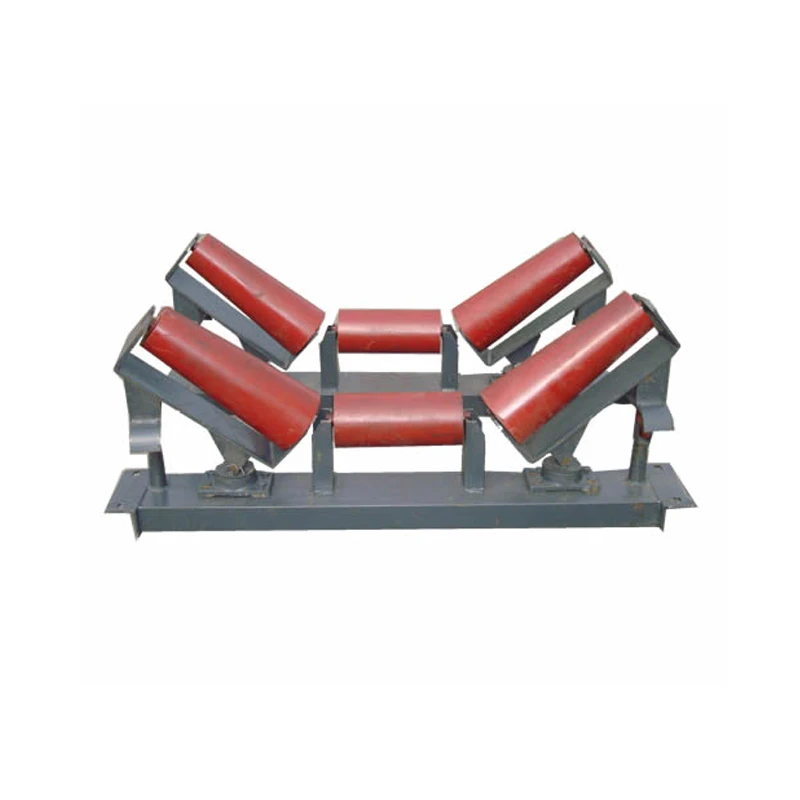
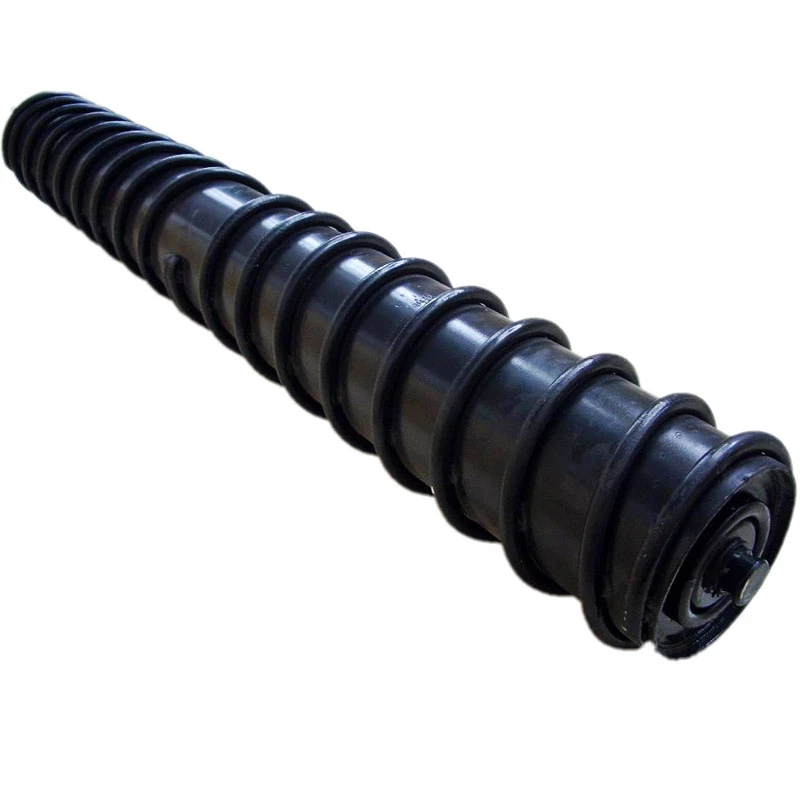
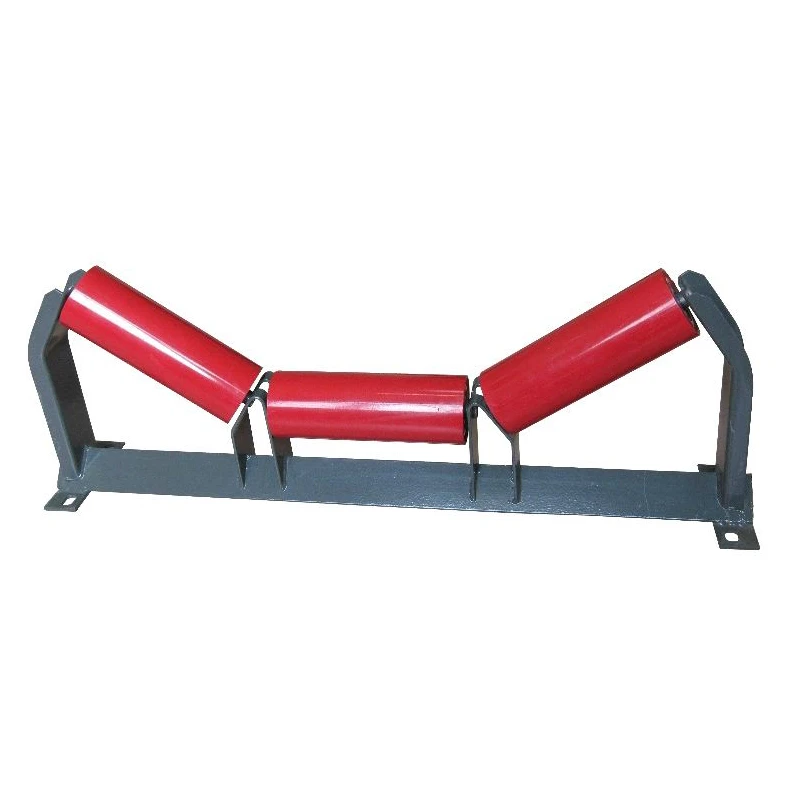
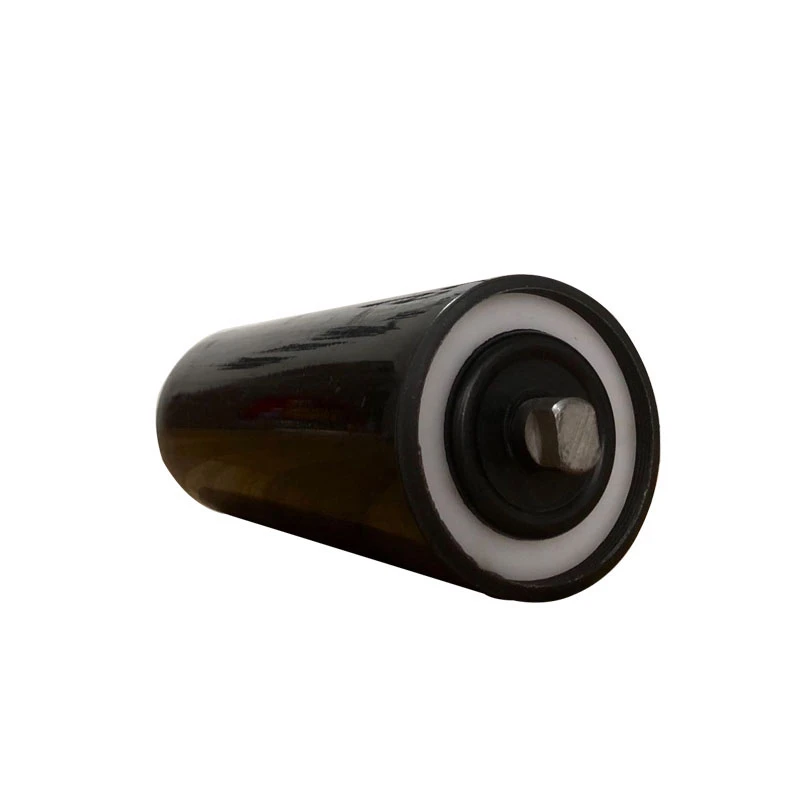
Put simply, a distribution center conveyor system is an interconnected network of belts, rollers, chutes, or automated carts designed to transport goods efficiently through different stages of processing—from intake and sorting to packing and shipping. Think of it as the bloodstream inside a massive facility, pumping parcels where they need to go without bottlenecks or human error.
These systems connect modern industry’s demand for speed and accuracy with humanitarian supply chains’ need for reliability and resilience. Whether in sprawling warehouses in North America or relief hubs in disaster-prone regions, conveyor systems are engineering marvels tailored for diverse, critical applications.
Core Components and Key Factors Behind Their Success
1. Durability That Withstands Heavy Use
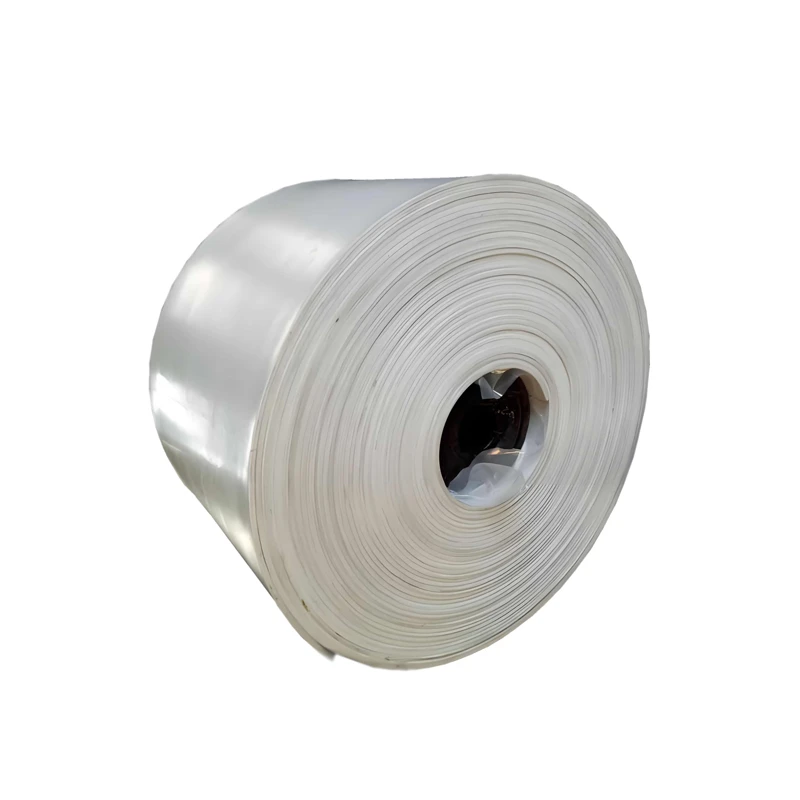
Distribution centers run 24/7, often under harsh conditions—dust, vibrations, temperature fluctuations. Conveyor materials like reinforced steel frames and industrial-grade belts ensure longevity and minimal downtime. It’s a subtle but vital factor; every minute lost to maintenance can create costly backlogs.
2. Scalability To Match Growing Demands
One hallmark of effective conveyor systems is their flexibility. Whether adapting to seasonal spikes or expanding into new warehouse spaces, modular designs help operations scale without a full overhaul. This agility is essential for companies navigating unpredictable market shifts.
3. Energy Efficiency for Sustainable Operations
With environmental concerns intensifying, systems now integrate energy-saving motors and smart controls to reduce consumption. This doesn’t just lower bills but aligns with corporate sustainability goals, a growing priority across industries.
4. Integration With Automation and Digital Controls
From barcode scanners to AI-powered sorters, conveyor systems increasingly cooperate with digital tech. This blend enhances real-time visibility, reduces errors, and optimizes routing—making the whole operation smarter, faster, and more reliable.
5. Cost Efficiency: Balancing Investment and ROI
While setup costs can be significant, modern conveyor systems ultimately save money by reducing manual labor, speeding up throughput, and minimizing damaged goods. Many operators say that upfront costs pale in comparison to the operational savings over years of service.
6. Safety Features Protect People and Products
From emergency stop buttons to sensors detecting obstructions, safety is paramount. These systems reduce worker strain and accidents, which frankly, pays off in happier teams and fewer insurance claims.
Product Specification Snapshot
| Spec | Typical Value | Notes |
|---|---|---|
| Conveyor Belt Length | 50-200 meters | Depends on warehouse layout |
| Max Load Capacity | 500 kg per section | Varies by belt type |
| Power Consumption | 2-4 kW per 100 m | With energy-efficient motors |
| Operating Speed | 0.3-1.5 m/s | Adjustable per process |
| Automation Level | Semi-automatic to Fully automatic | Depends on integration |
Global Applications: Where and How They Shine
Oddly enough, these conveyor systems are everywhere—from huge Amazon fulfillment centers in the U.S. to regional distribution hubs in Europe and Asia. But their impact goes beyond commercial warehouses.
- Humanitarian Logistics: After natural disasters, rapid relief operations use conveyor belts to quickly sort and move essential supplies, reducing bottlenecks when lives are at stake.
- Cold Storage: Food distribution centers in places like Canada and Scandinavia use specialized conveyor systems designed to operate reliably at sub-zero temperatures.
- Manufacturing Supply Chains: Automotive plants in Germany boast conveyor integration that links parts delivery with assembly lines seamlessly.
- Remote Industrial Zones: Conveyor belts assist mining and resource extraction efforts in remote areas of Africa and Australia, moving heavy loads efficiently.
In short, the reach and versatility of distribution center conveyor systems are immense, intersecting with numerous industry sectors worldwide.
Vendor Comparison: A Quick Look at Industry Leaders
| Company | Automation Level | Energy Efficiency | Customization | Global Reach |
|---|---|---|---|---|
| FlexMove Systems | High (AI-driven) | Excellent | Highly customizable | North America and Europe |
| ConveyPro | Medium (semi-automated) | Good | Standard models only | Global (focus on Asia) |
| EcoFlow Tech | Medium (automation-ready) | Outstanding (green tech) | Moderate customization | Europe and North America |
Why Investing in These Systems Pays Off
Beyond mere functionality, distribution center conveyor systems offer lasting value that appeals emotionally and practically. They secure workplace safety by reducing manual package handling, which translates into less fatigue and fewer injuries. They foster trust with customers through reliable, consistent delivery timing. For companies, they enhance sustainability by cutting energy use and waste, and for society, they support crucial humanitarian missions.
In many senses, these systems embody innovation with a human touch—a rare blend that inspires confidence and progress.
Looking Ahead: Innovation in Distribution Center Conveyor Systems
Technology marches on relentlessly. The next wave involves smart sensors capable of self-diagnosing wear, AI that predicts bottlenecks before they happen, and conveyor belts made from biodegradable or recycled materials. Green energy solutions—solar-powered motor packs or regenerative braking—are also gaining traction, reducing carbon footprints significantly.
Digital transformation trends encourage not only faster, but more transparent and flexible systems—consumer demands and industrial needs evolving hand in hand.
Obstacles and How Experts Overcome Them
Despite advances, implementation hurdles remain. High initial costs, integration complexity, and the challenge of retrofitting legacy facilities can stall upgrades. However, modular designs and leasing models offer flexible pathways. Plus, expert consultants now specialize in optimizing existing systems, reducing the pain of transition.
Improved training and predictive maintenance software also help reduce downtime and extend system life, turning these challenges into manageable steps forward.
Frequently Asked Questions About Distribution Center Conveyor Systems
- Q: How do conveyor systems improve order processing speed?
A: By automating transport and sorting, these systems minimize manual handling delays and errors, increasing throughput dramatically. Real-time tracking enhances coordination across processes. - Q: Are these systems customizable for different warehouse sizes?
A: Absolutely. Most modern conveyor systems are modular and scalable, allowing them to be tailored to facility layouts and business needs, from small hubs to mega centers. - Q: What safety protocols are built into conveyor systems?
A: Features include emergency stops, sensors that detect jams or human presence, and anti-slip belts—ensuring both operator and product safety. - Q: Can conveyor systems handle fragile or irregularly shaped items?
A: Yes, with adjustable speed and specialized attachments like rollers or dividers, these systems can safely manage a wide variety of products. - Q: What is the typical lifespan of a conveyor system?
A: With regular maintenance, these systems often last 10 to 15 years, with some components being upgradeable to extend service life further.
Wrapping Up: The Long-Term Payoff of Investing in Distribution Center Conveyor Systems
At the heart of efficient, reliable logistics lies the humble yet indispensable distribution center conveyor system. They empower businesses to keep pace with global demands, provide resilient infrastructure for humanitarian aid, and pave the way to greener, smarter supply chains. Frankly, looking at their evolution, I’m convinced these systems will only become more essential—and accessible.
For anyone interested in taking a deeper dive or upgrading their setup, I encourage you to explore distribution center conveyor systems solutions available today.
It feels like a small technological corner of the world, but really, it’s the engine behind moving everything from your latest online order to life-saving supplies in emergencies.
Takeaway:
Distribution center conveyor systems may seem commonplace but mastering their capabilities is vital for tomorrow’s logistics—efficient, scalable, and sustainable solutions are the future of movement.