Getting to Know Conveyor Products: What You Really Should Consider
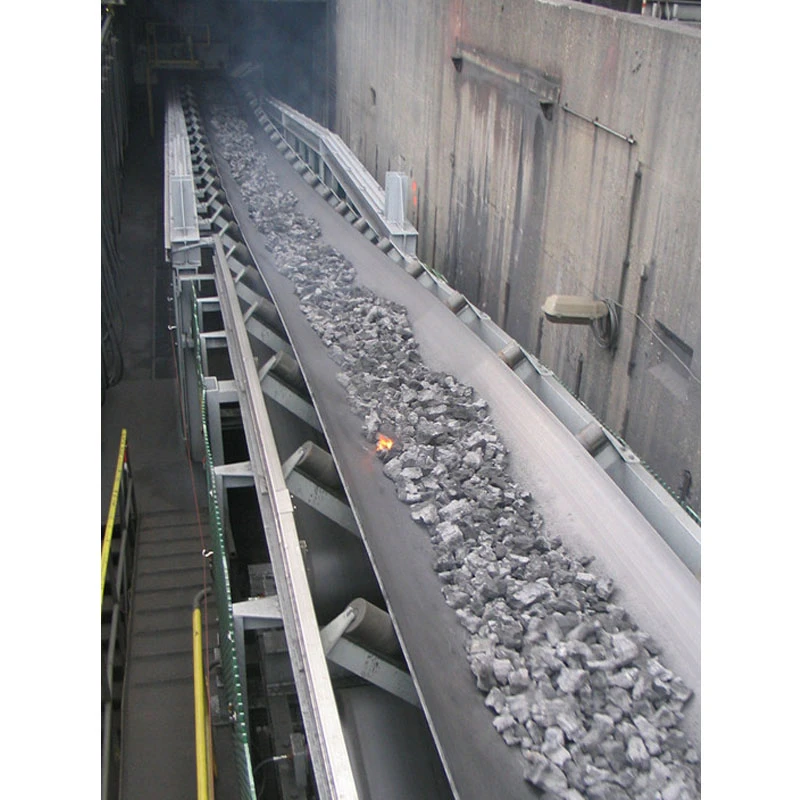
Having spent well over a decade in the industrial equipment sector, I’ve had my fair share of hands-on experience with conveyor products. You quickly realize there’s more to these seemingly straightforward systems than meets the eye. Honestly, they’re the quiet workhorses of countless industries — from mining to food processing — and yet we often take their reliability for granted.
Conveyor products come in various shapes and sizes, each tailored for specific tasks and environments. The real trick is matching the right conveyor type and materials to your operational needs — because no two factories, warehouses, or production lines are the same.
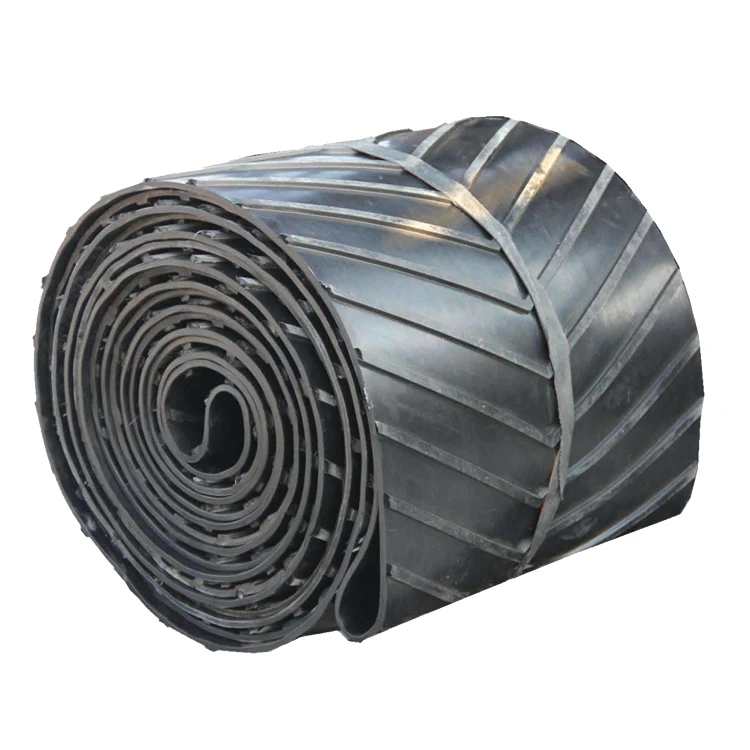
Frankly, one of the biggest challenges I’ve seen on the floor is choosing belt material. Do you go for PVC? PU? Rubber? Or something more specialized like metal or modular plastic? Each has unique durability profiles, friction levels, and resistance to heat or chemicals. I recently saw a plant switch from a standard PVC conveyor belt to a high-strength rubber one, vastly improving uptime in their abrasive-material handling. It’s these small changes that add up.
| Specification | Standard Value | Notes |
|---|---|---|
| Belt Width | 300 - 2000 mm | Depends on conveyor design |
| Material | PVC, Rubber, PU, Metal | Chosen based on load & environment |
| Max Load | Up to 5000 kg/m | Heavier loads need reinforced belts |
| Operating Temperature | -20°C to 80°C (higher available) | Material dependent |
| Speed | Up to 3 m/s | Varies by motor & belt type |
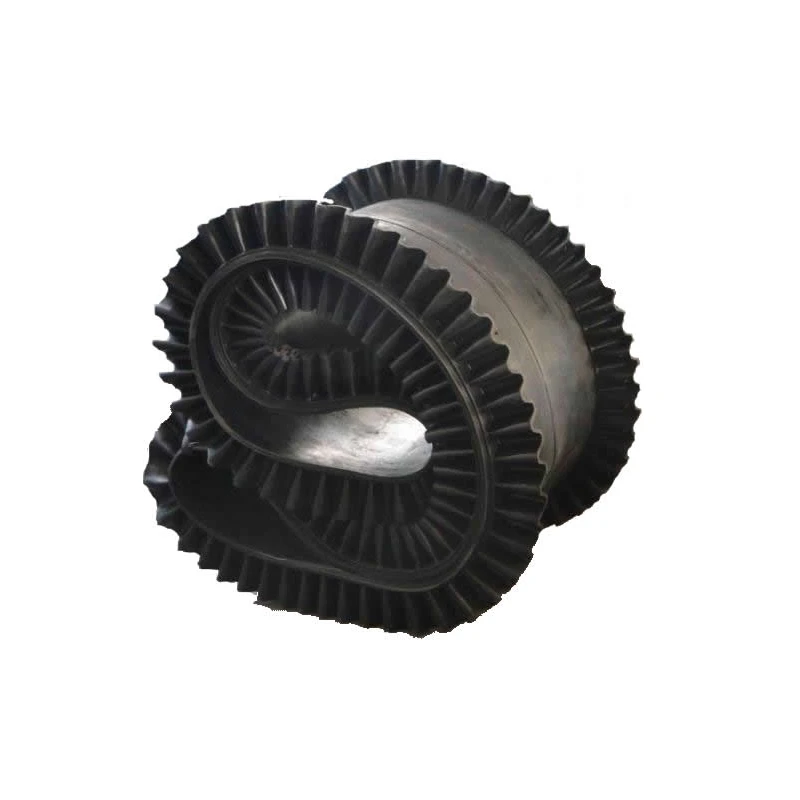
What I also find interesting is how customizable conveyor systems are nowadays. Companies can specify almost every aspect: belt patterning for grip or drainage, side walls, cleats for incline transport, and even integration with digital controls or monitoring systems. There was this one case where a customer needed a conveyor belt that could handle frozen foods without freezing to the belt surface. A specialized polyurethane belt with a smooth, anti-stick finish was the answer. It’s these nuanced solutions that make the difference.
Speaking of suppliers, not all conveyor manufacturers are created equal. Here’s a quick snapshot comparing a few leading vendors I’ve dealt with, including HG Conveyor Belt, who consistently impressed me with their product quality and custom options:
| Vendor | Material Options | Customization | Lead Time | Typical Applications |
|---|---|---|---|---|
| HG Conveyor Belt | PVC, Rubber, PU, Metal | High — pattern, thickness, integrations | 3-4 weeks | Mining, Food, Packaging, Logistics |
| Vendor B | Rubber, PU | Medium — limited sizes & patterns | 4-6 weeks | Logistics, Warehousing |
| Vendor C | PVC Only | Low — standard sizes | 2-3 weeks | Light manufacturing |
It’s also worth mentioning practical aspects like testing and certification. Many industries require conveyor belts to meet fire resistance or food safety standards. I once had to collaborate on a conveyor for an automotive assembly line where static dissipation was essential — no off-the-shelf product could meet the specs, so the manufacturer worked closely with us to produce a custom solution that passed all tests.
Oh, and here’s a small anecdote: a client dealing with heavy scrap metal pieces thought all conveyor belts would wear out fast. But switching to a reinforced rubber belt with anti-tear layers extended their belt life by more than double. This kind of real-world data often doesn’t get shared as widely as it should.
In real terms, choosing the right conveyor product boils down to understanding your operational environment, load types, speed requirements, and also factoring in costs and vendor support. The good news? With companies like HG Conveyor Belt offering tailored solutions, you don’t have to compromise.
So, to sum it up: Before you pull the trigger on conveyor equipment purchases, spend time assessing exactly what you need and ask for samples, test results, and customization options. Your operation’s efficiency truly depends on these choices. The conveyor itself might just blend into the background, but trust me, making the right call upfront saves headaches down the line.
Reflection: Conveyors are one of those unsung heroes — they rarely get the spotlight, but their impact on industrial productivity is huge. Documented experiences and vendor transparency can really help lift the whole sector’s standard.
- Industry reports from Material Handling & Logistics, 2023
- “Belt Conveyors for Bulk Materials,” Conveyor Equipment Manufacturers Association
- Internal case studies from equipment installation projects, 2015-2024