Built-in Electric Conveyor Drum: A Field Note from the Line
If you’re hunting for a Conveyor Roller Manufacturer that understands uptime the way maintenance teams do at 2 a.m., you’re in the right neighborhood. I’ve walked more than a few factory floors where the conversation shifts quickly from specs to “Will it keep running after the holiday shift?” Frankly, that’s where the built-in electric conveyor drum earns its keep.
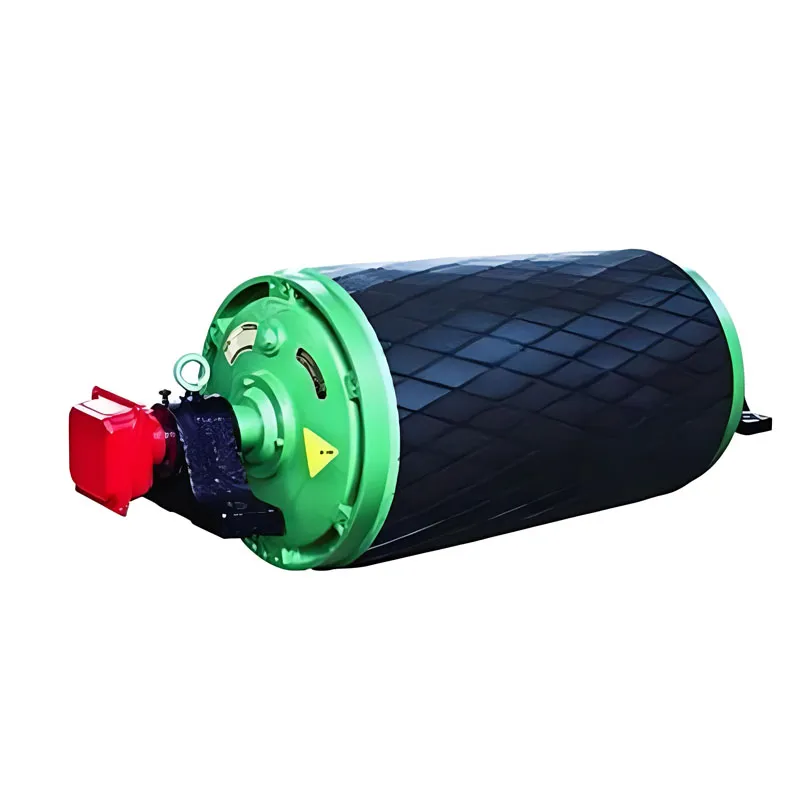
What’s inside the drum (and why it matters)
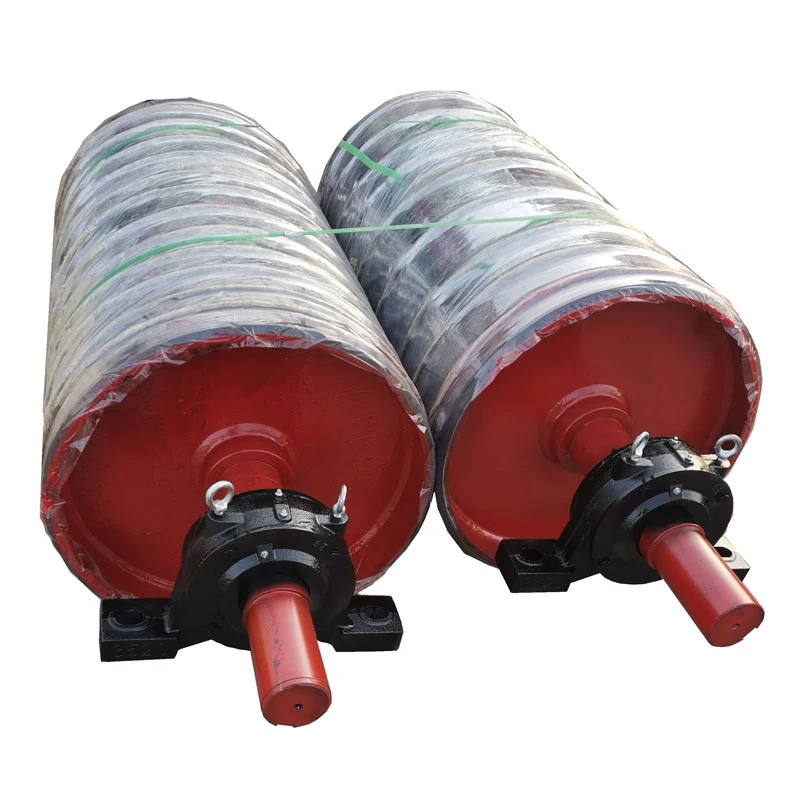
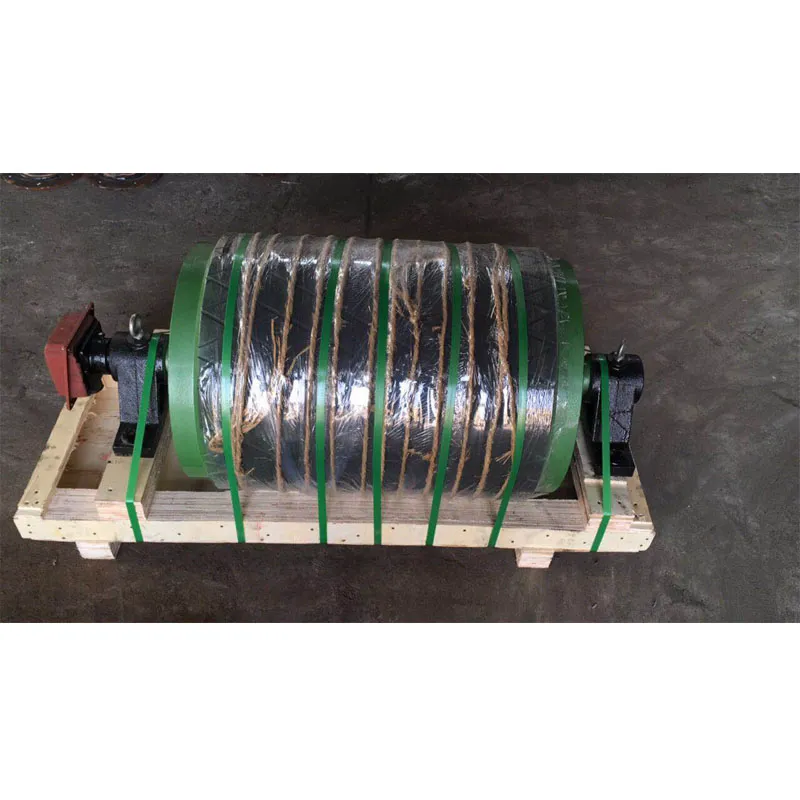
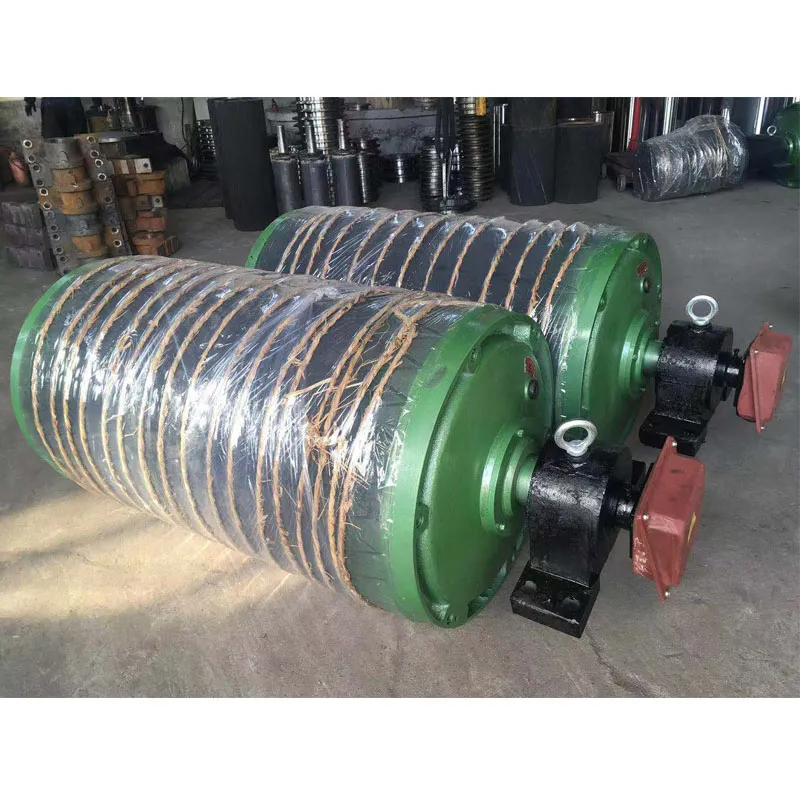
The drum integrates motor, reduction device, drum shell, and sealing—tucking the drive train neatly inside the cylinder. Less exposed hardware, fewer alignment headaches. In practice, noise drops, sanitation improves (food guys love this), and guarding gets simpler. Many customers say the clean profile alone trimmed a few hours off weekly cleaning.
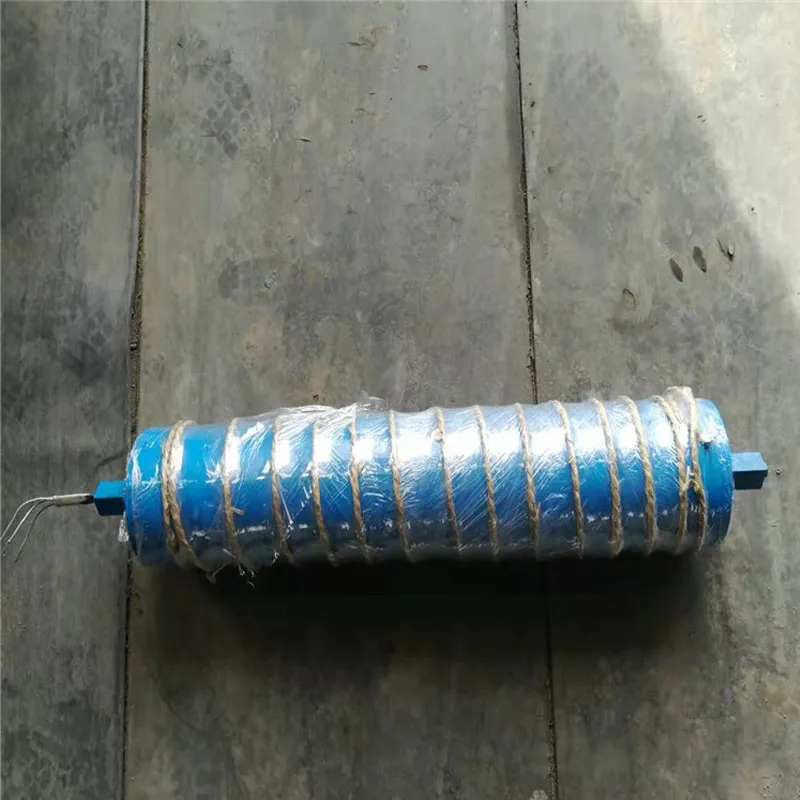
Core Specifications (real-world use may vary)
| Model | Built in Electric Conveyor Drum |
| Power Range | 0.37–7.5 kW ≈ (higher on request) |
| Diameters | Ø113–Ø400 mm (around common belt widths) |
| Belt Speed | 0.1–3.5 m/s ≈ |
| Voltage | 230/380/415/460 V, 50/60 Hz |
| IP Rating | IP66–IP67 per IEC 60529 |
| Shell & Lagging | Carbon steel or stainless; ceramic/diamond/FR lagging options |
| Noise | ≤ 68 dB(A) at 1 m (typical) |
| Service Life | Bearings L10 up to 30,000–50,000 h ≈ |
Testing and compliance: rotor balance to ISO 1940-1 (G6.3), motor per IEC 60034, ingress per IEC 60529, CE/ISO 9001 documented. To be honest, lab numbers are tidy; dusty quarries tell the real story.
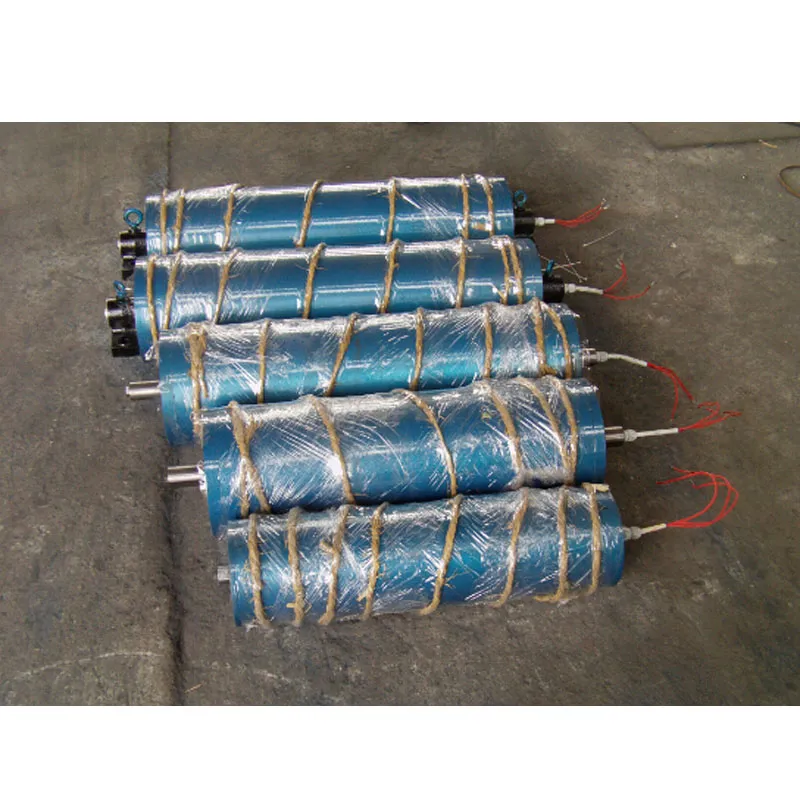
Process Flow and QA
- Materials: precision tubes, heat-treated shafts, sealed bearings, high-temp windings, IP-rated seals.
- Methods: CNC machining → stator winding → gear reduction assembly → shell lagging → dynamic balancing → pressure/leak test.
- Standards: IEC 60034, ISO 1940-1, IEC 60529; safety reviews against ISO 14120 guidelines.
- Inspection: torque and temperature rise tests, no-load current checks, run-in 2–4 h.
- Service life: depends on load, alignment, and duty cycle; mining vs. e‑com is night-and-day.
Where it fits
Distribution centers, parcel hubs, F&B (washdown), aggregates, metallurgy, and, increasingly, compact OEM lines where space and hygiene are non-negotiable.
Vendor Snapshot (field-notes comparison)
| Vendor | IP/Certs | Customization | Lead Time | Typical Use |
|---|---|---|---|---|
| HG Conveyor (this drum) | IP66–67; CE, ISO 9001 ≈ | High: diameters, lagging, voltages | around 2–5 weeks | General industry, bulk |
| Interroll (typical) | IP66–67; broad global approvals | Medium–High | 2–6 weeks ≈ | Parcel, F&B |
| Rulmeca (typical) | IP66–69K options | High | 3–7 weeks ≈ | Quarries, heavy-duty |
Note: specs and lead times shift—seasonality, custom requests, and, yes, global logistics.
Customization and Support
Options include ceramic or diamond lagging, stainless shells, brake/backstop, encoder-ready shafts, food-grade seals, and VFD-friendly windings. Origin: Room1109, Building C, Tianshan Galaxy Plaza, No. 358 Yuhua East Road, Shijiazhuang High tech Zone, Hebei Province. For what it’s worth, service responses have been snappy in my experience.
Case Notes (quick hits)
- EU parcel hub: swap to drum motors cut drive maintenance by ≈38% and shaved 2 dB(A) line noise. Throughput up 6% after belt tracking stabilized.
- Quarry conveyor: IP67-sealed drum ran a full wet season; energy draw was ≈7% lower than legacy geared motor due to fewer transmission losses.
Customer feedback: “Quieter than expected, no oil spots under the tail pulleys.” Another added, “Installation took a morning—we spent longer on coffee than on alignment.”
If you need a Conveyor Roller Manufacturer that will tailor voltage and lagging without weeks of back-and-forth, this platform is a sensible shortlist pick. And, actually, the fewer parts you bolt around a conveyor, the fewer parts you’ll chase on a Sunday.
Standards-minded teams will appreciate the documentation trail—Conveyor Roller Manufacturer spec sheets cite the usual IEC/ISO suspects with test curves attached. Not bad.