[Wood Conveyor For Sale]: Mobile Lifting Conveyor For Loading And Unloading
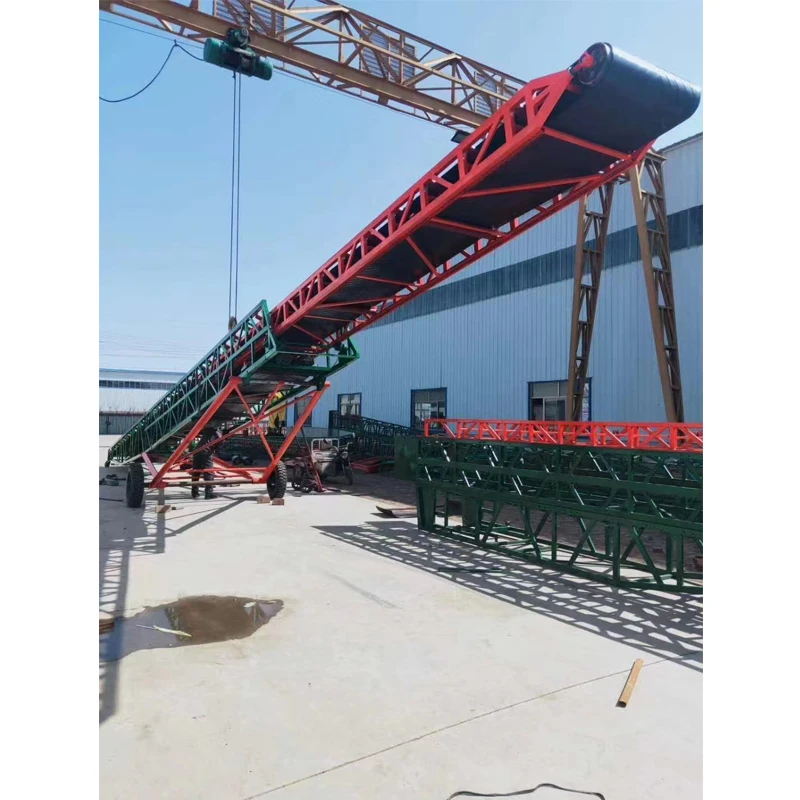
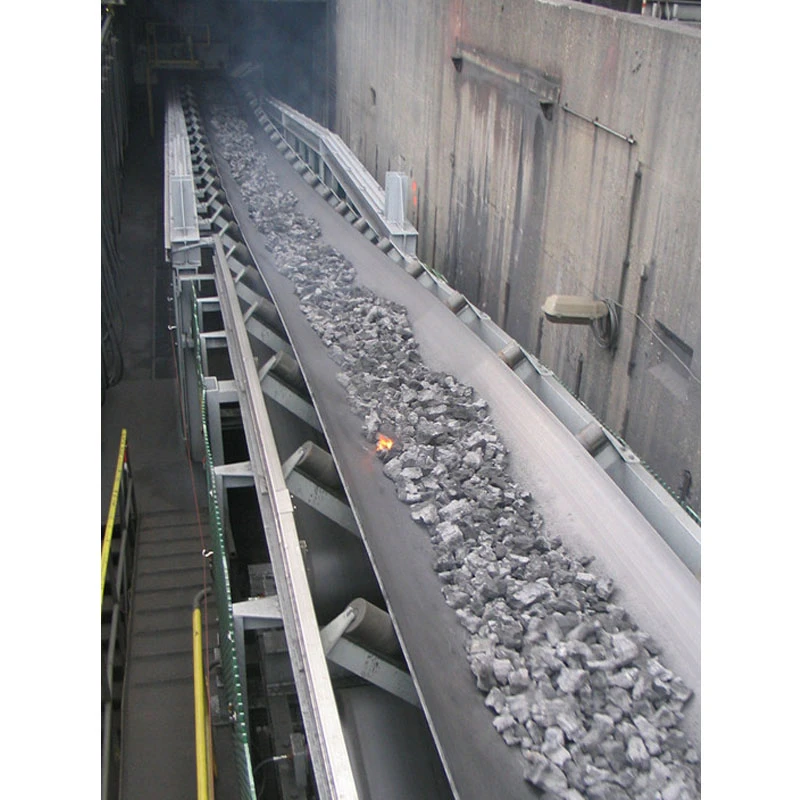
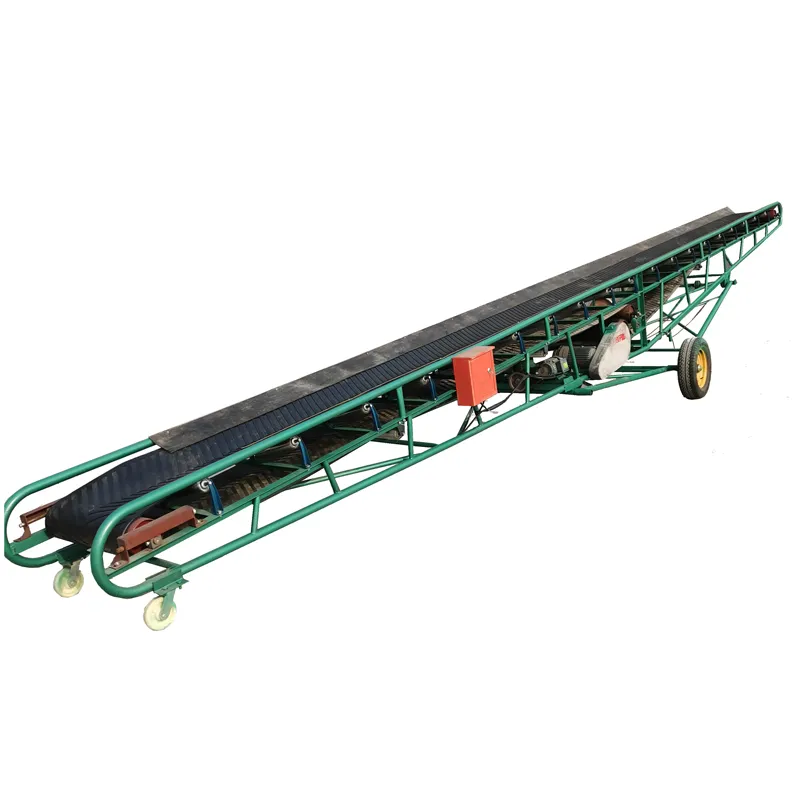
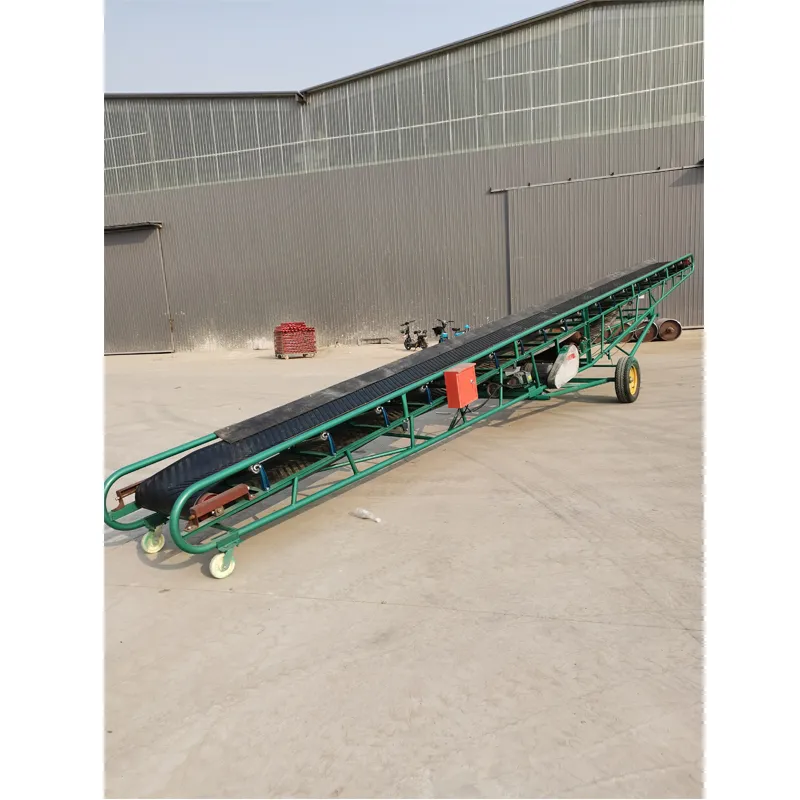
If you spend time around sawmills, pallet lines, or biomass yards, you already know: throughput lives or dies on how well you move material. The Mobile Lifting Conveyor For Loading And Unloading is one of those deceptively simple machines that, when dialed in, makes your day calmer and your labor bill lighter. It’s designed for logistics, mining, construction—and, increasingly, wood operations that crave flexibility and efficiency.
What buyers are asking right now
Trends? Variable-speed drives and quick height changes are standard now. Many customers say they want one conveyor that unloads trucks in the morning, feeds a resaw after lunch, and handles odd-sized bundles by evening. In fact, demand for mobile frames with smarter safety (interlocks, e-stops on both sides) is up—no surprise there.
Core specs at a glance
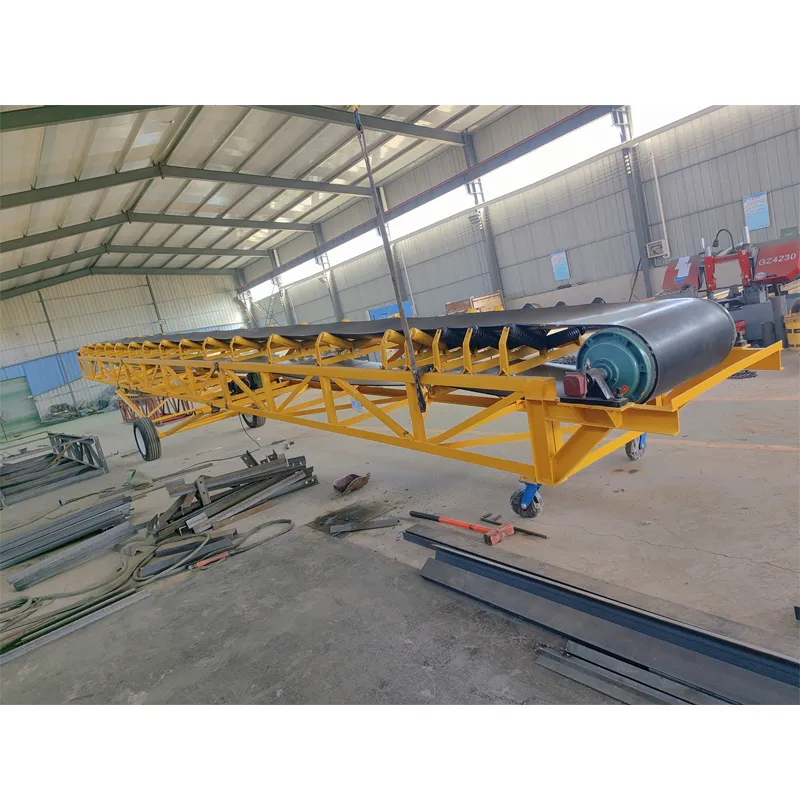
| Belt width | ≈ 600–1000 mm (PVC or wear-resistant rubber options) |
| Conveyor length | ≈ 6–18 m (sectional configurations available) |
| Lift range | ≈ 800–3000 mm, hydraulic or screw lift |
| Capacity | ≈ 30–120 m³/h (real-world use may vary with lumber/firewood) |
| Speed control | 0.3–1.5 m/s via VFD |
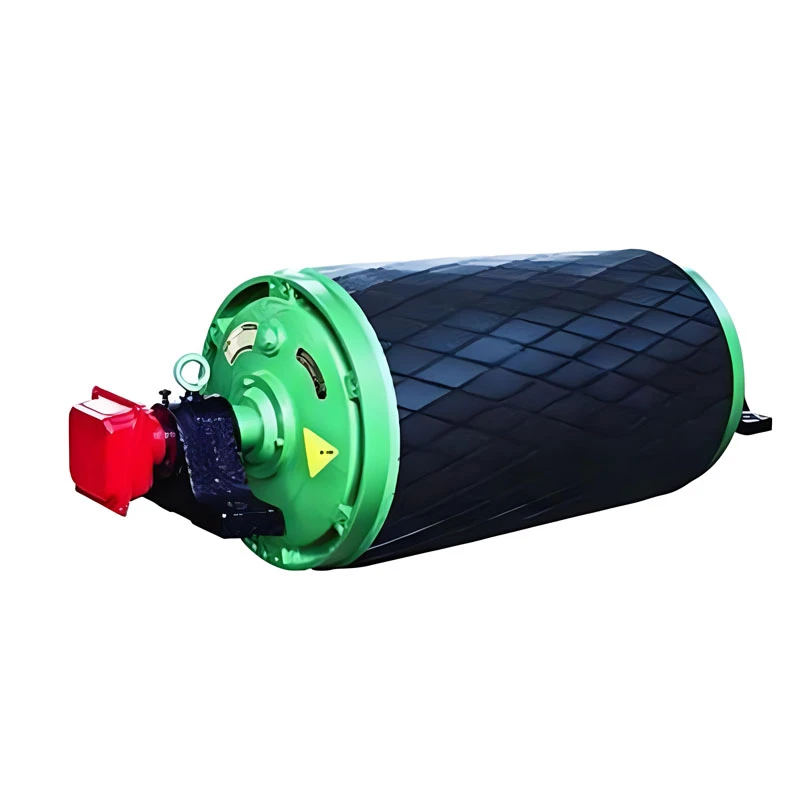
| Drive power | ≈ 1.5–7.5 kW, 220–240V or 380–480V 3-phase |
| Frame | Q235B carbon steel, shot-blasted + powder coat |
| Noise/IP | ≤ 72 dB(A) / IP54–IP55 |
| Certs | CE, ISO 9001; belt per ISO 14890 |
How it’s built and tested (quick tour)
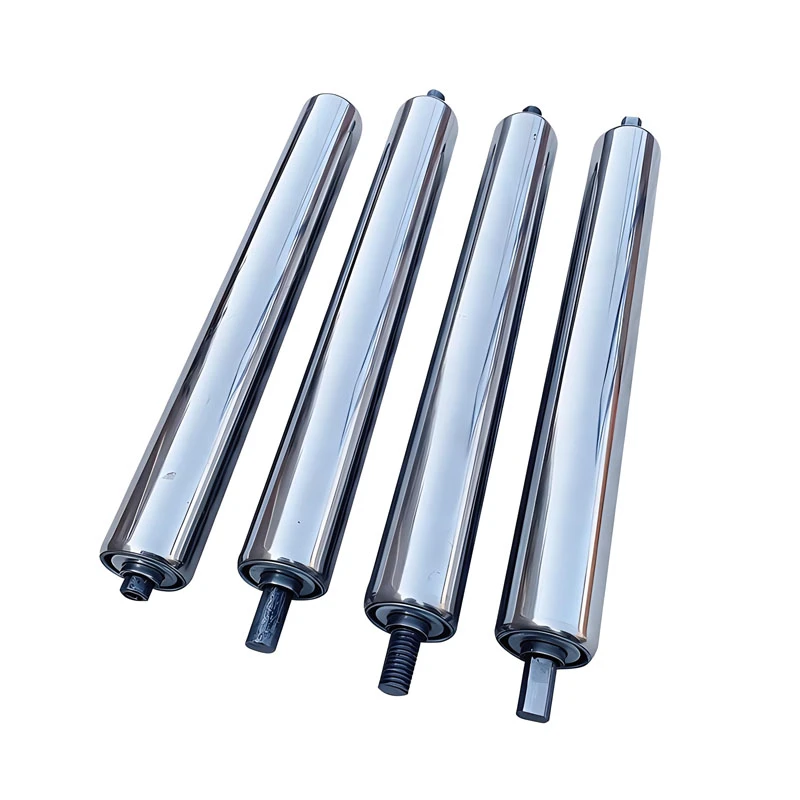
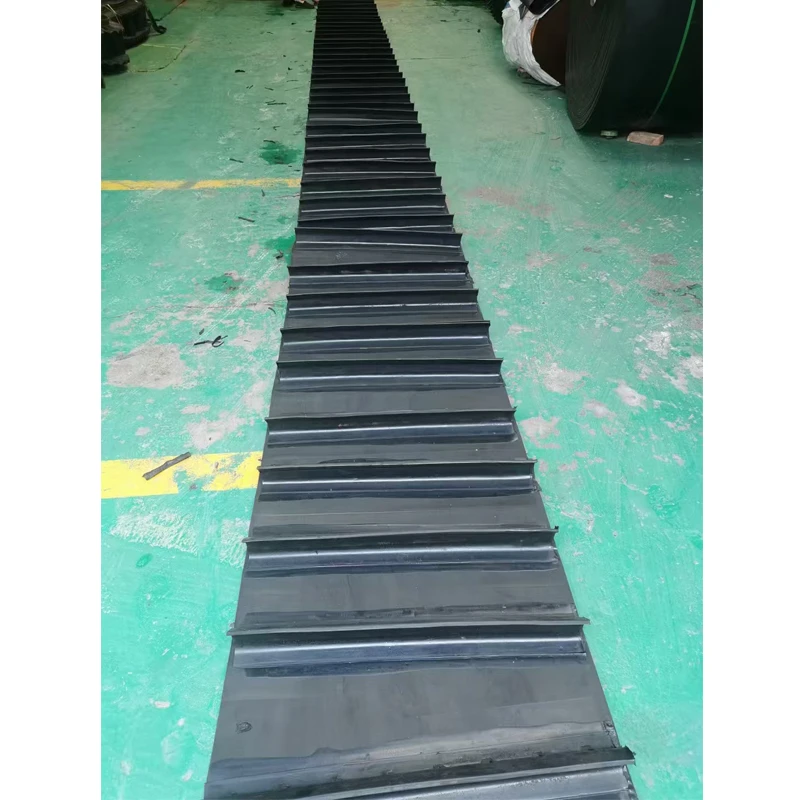
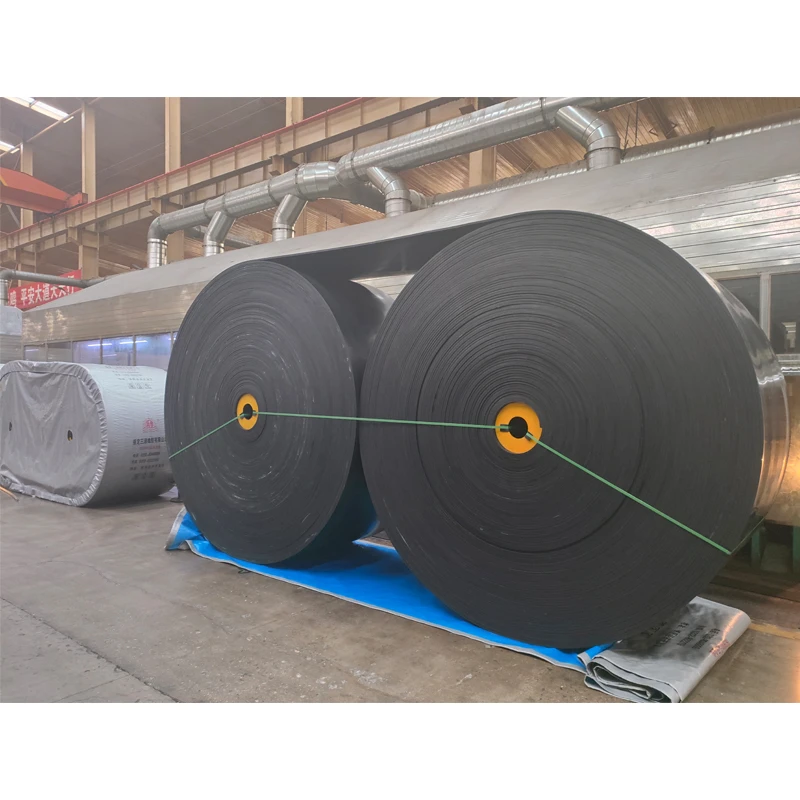
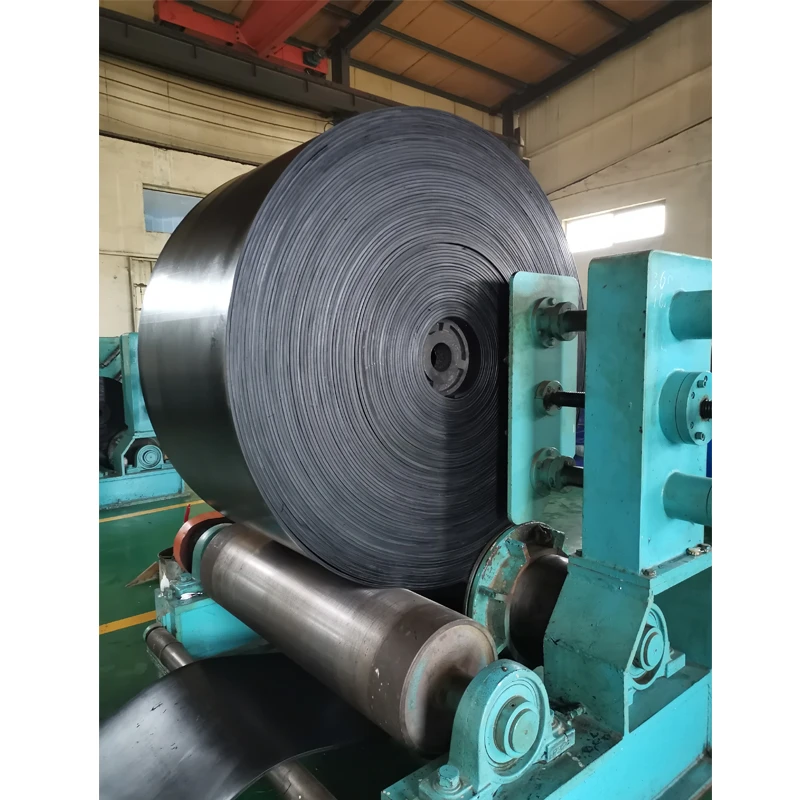
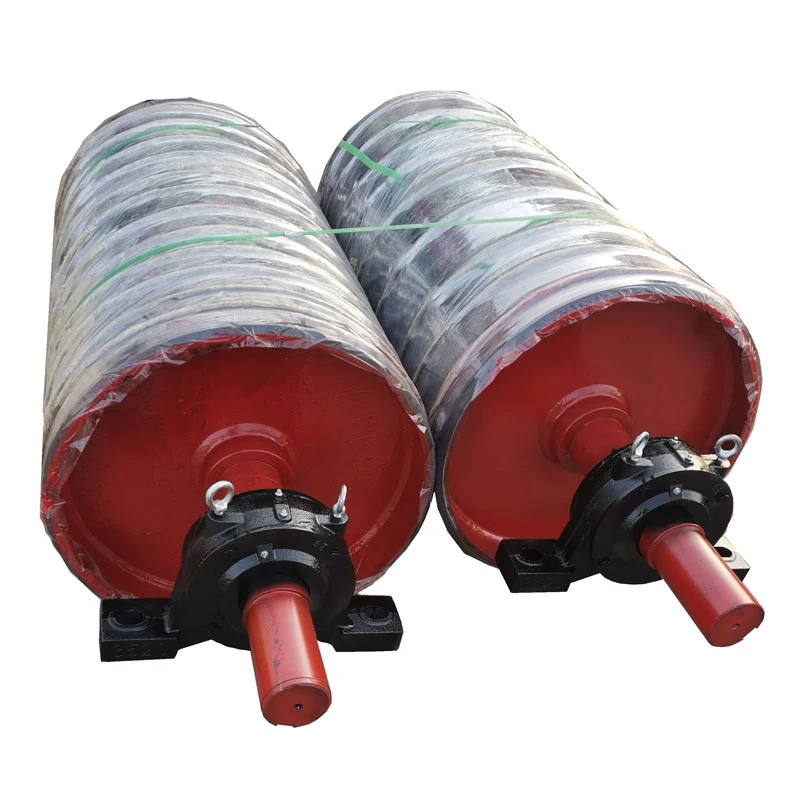
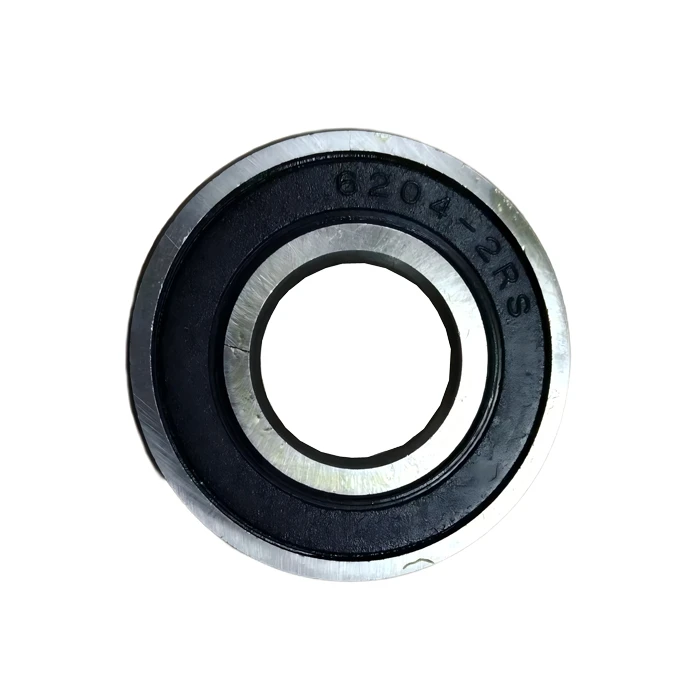
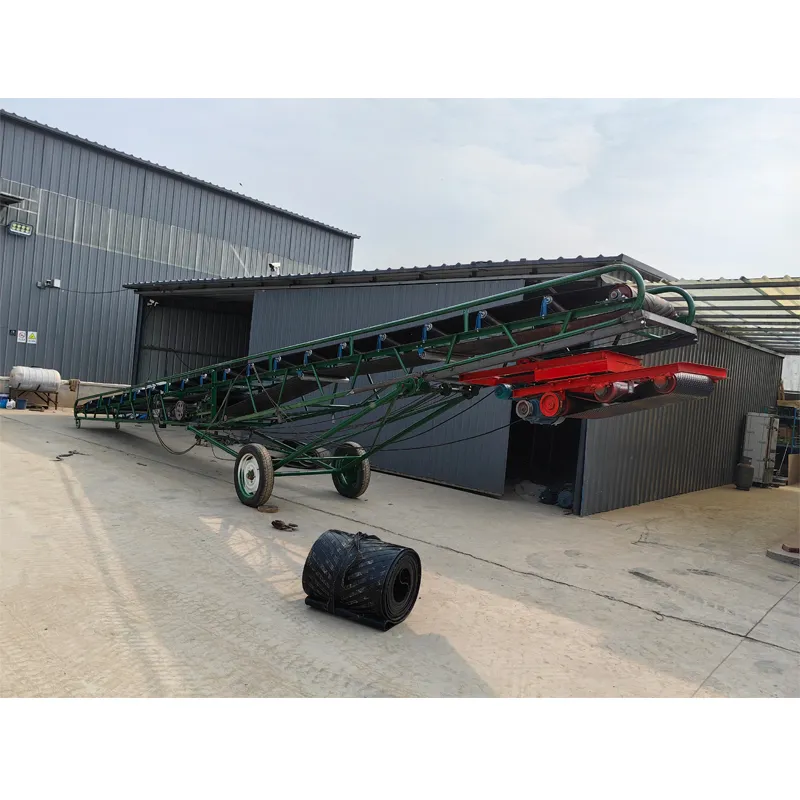
Materials: Q235B steel, EP or PVC belts (chevron available), sealed bearings. Methods: laser cutting, MIG welding, shot blasting, powder coat ≈80 μm. Testing: belt tension to ISO 5048 calcs, 4–8 h no-load run, load test with timber crates, brake/tilt checks, noise and insulation tests. Service life? With monthly tension checks and quarterly bearing relube, many users report 30,000–50,000 h.
Where it shines
- Sawmills: feeding edgers, sorting lines.
- Pallet plants: loading/unloading nail lines and trailers.
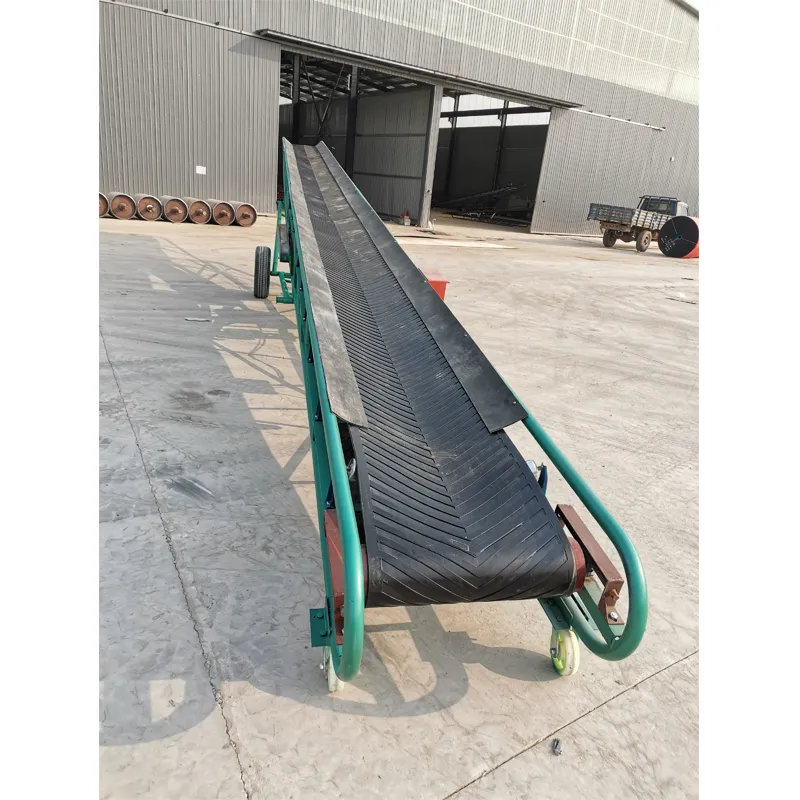
- Biomass: transferring chips and briquettes with side skirts.
- Furniture: moving bundles of panels without scuffing.
Case in point: a midwest pallet shop shaved ~18% off truck turn time using VFD soft-start and a higher lift range; a Baltic sawmill cut manual handling injuries to near-zero after adding dual e-stops and guard kits; and a biomass yard hit 95% uptime last quarter—surprisingly high for winter conditions.
Vendor snapshot (informal, but useful)
| Vendor | Strengths | Watch‑outs |
|---|---|---|
| HG Conveyor (Shijiazhuang High-Tech Zone; Room1109, Building C, Tianshan Galaxy Plaza) | Balanced pricing, CE/ISO, customization depth, fast spares | Lead time can stretch in peak season—order early |
| Import Brand A | Premium finish, extensive dealer network | Higher capex; some parts proprietary |
| Local Fabricator B | Low upfront cost, quick tweaks | Documentation and compliance vary—validate to OSHA/CE |
Customization and safety
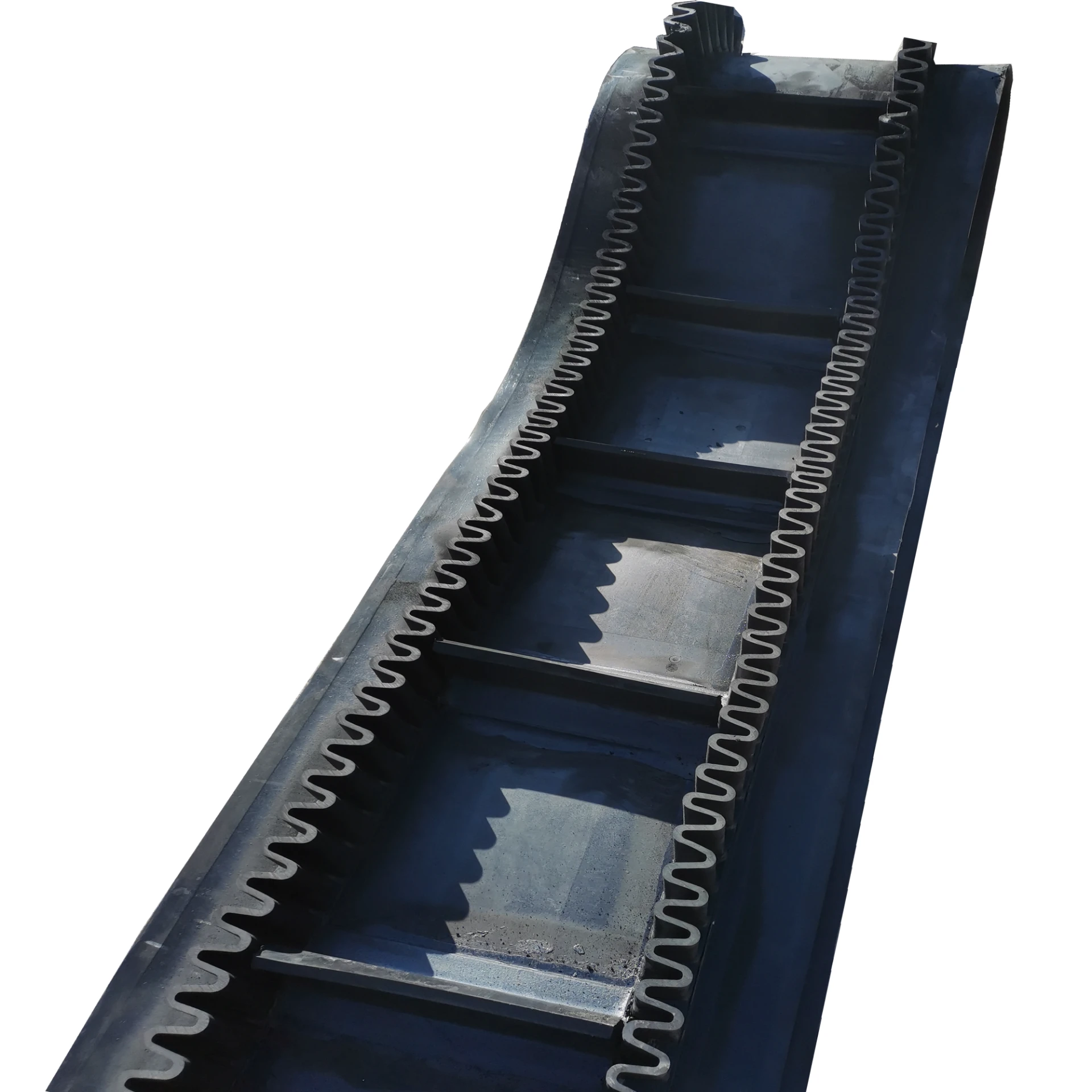
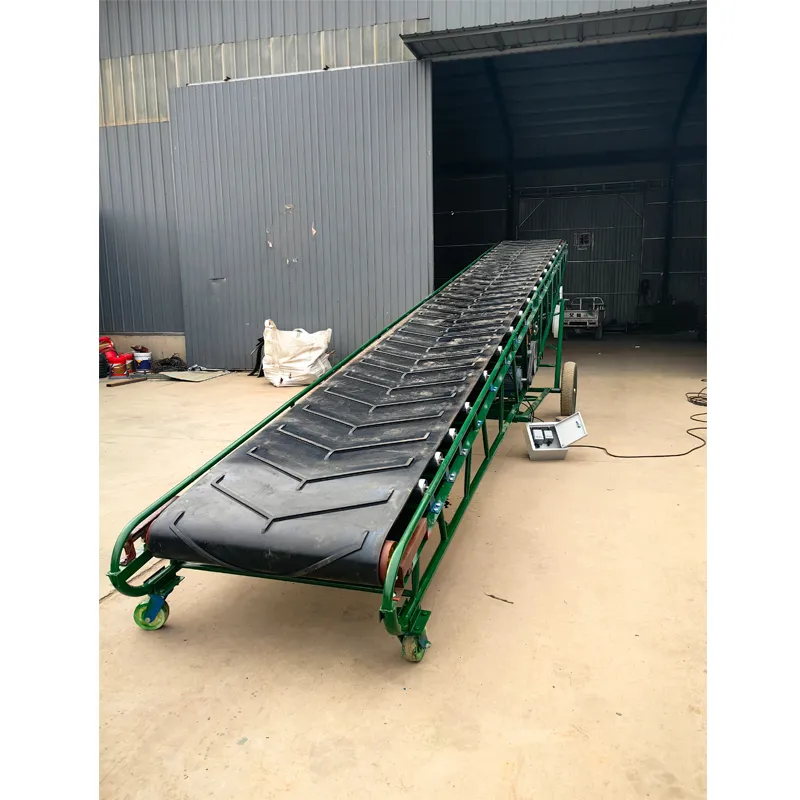
Options include side skirts for chips, chevron belts for steep angles, stainless contact points for wet areas, and photo-eye start/stop. To be honest, I’d always spec dual e-stops, guards per CEMA, and lockable isolators—compliance with OSHA 1910 and the EU Machinery Directive isn’t optional. For those searching Wood Conveyor For Sale, ask for test run videos and a QC checklist tied to ISO 9001.
Final thought: if you’re narrowing down a Wood Conveyor For Sale, focus on lift range, belt spec for your wood mix, and after-sales parts. It seems that these three decide ROI more than brand logos.