Navigating the World of Chip Conveyors
Chip Conveyor systems—they’re, frankly, the unsung heroes of a lot of machining operations. You don't really notice them until they break down, and then everything grinds to a halt. I’ve spent the last few weeks talking to shop floor managers, engineers, and maintenance crews, trying to get a feel for what they really need in a chip conveyor. It's not always about the flashiest features; it's about reliability, ease of maintenance, and just… getting the job done.
Table of Contents
- Chip Conveyor Overview
- Benefits & Use Cases of Chip Conveyor
- Cost, Maintenance & User Experience
- Sustainability & Market Trends
Chip Conveyor Overview
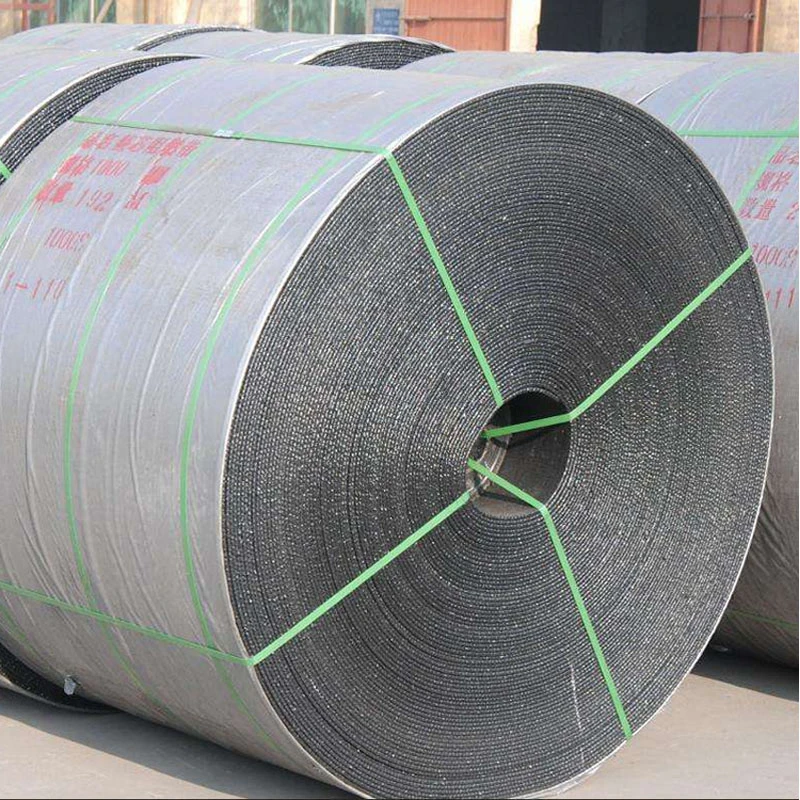
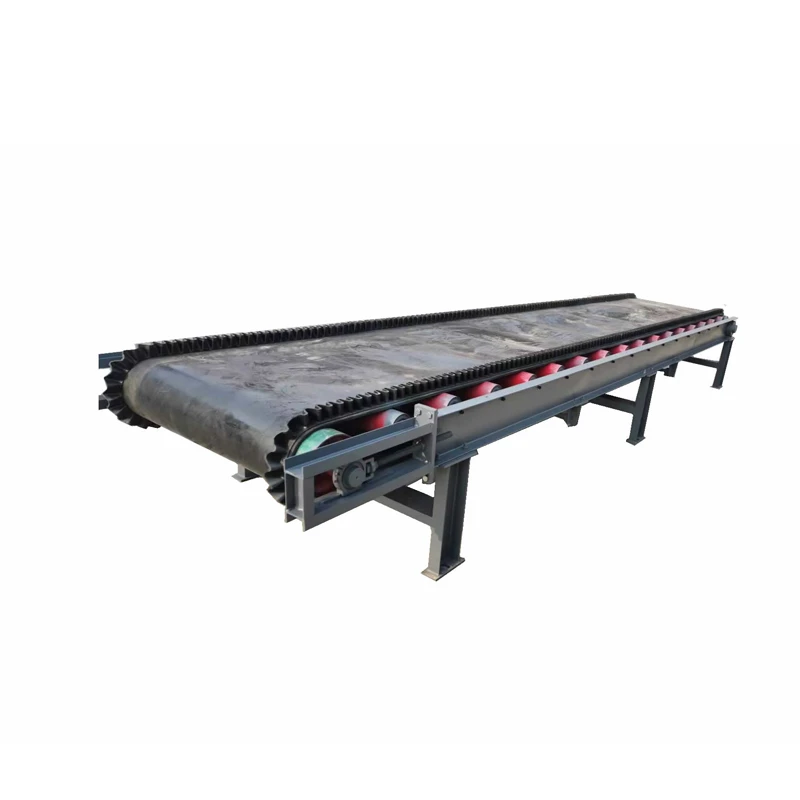
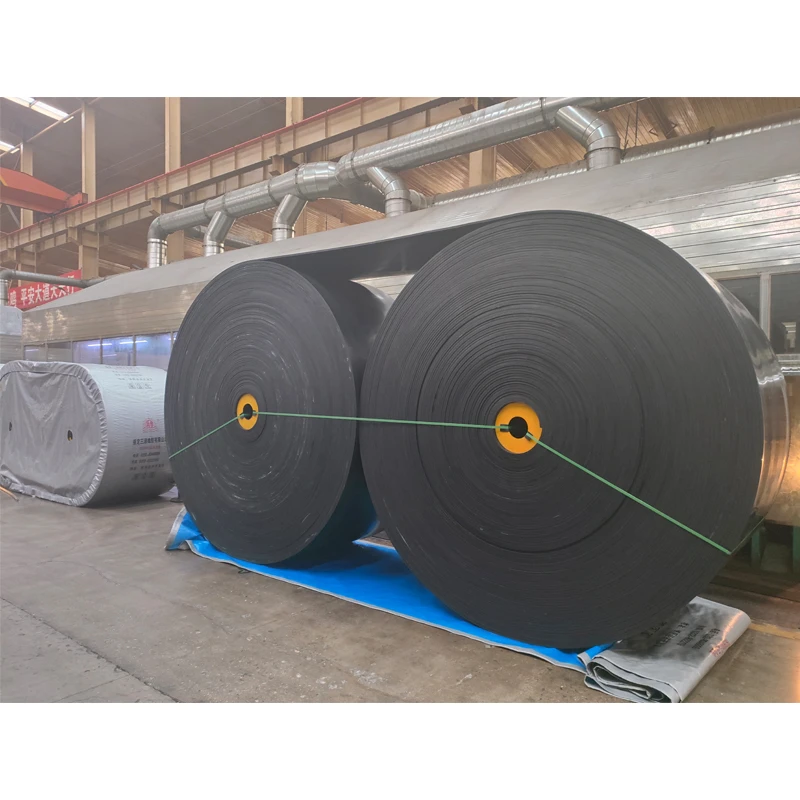
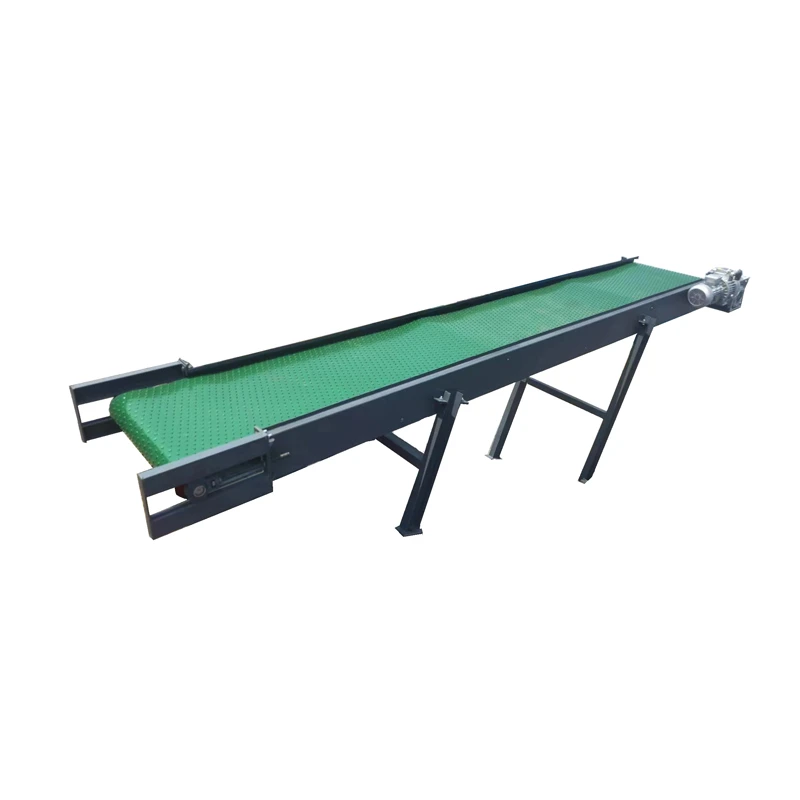
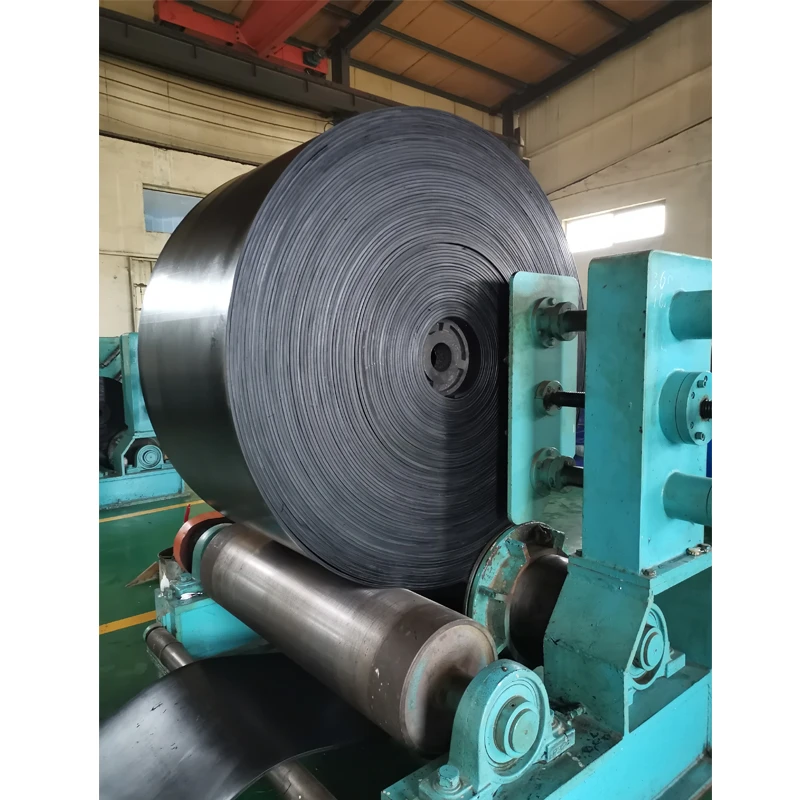
At their core, chip conveyors are designed to remove swarf—those metal chips created during machining—from the work area. Seems simple enough, right? But the variations are huge. You’ve got auger conveyors, belt conveyors, scraper conveyors… each with its pros and cons. Many engineers I’ve spoken with lean toward belt conveyors for their versatility and ability to handle a wider range of chip types and volumes. The materials are crucial, too. It's not just about strength; it's about abrasion resistance and corrosion prevention. HG Conveyor Belt focuses on durable polyurethane belts and robust steel construction, which seems to be a pretty solid approach.
| Specification | Value | Notes |
|---|---|---|
| Belt Material | Polyurethane | High abrasion resistance |
| Load Capacity | Up to 50 kg/m | Dependent on belt width |
| Motor Power | 0.75 kW - 4 kW | Variable speed options |
Benefits & Use Cases of Chip Conveyor
The benefits are fairly straightforward: improved workplace safety (less tripping hazard!), increased machine uptime (no more manual chip removal slowing things down), and better chip recycling. But the applications are where it gets interesting. I suppose CNC machining is the biggest one, obviously. But you see them in metal forming, grinding, and even some plastic machining operations. I visited a small job shop last week that was using a chip conveyor to remove aluminum chips from a milling machine. The owner told me it had cut their downtime by almost 30%. That's a significant ROI.
| Vendor | Price Range | Warranty | Customization |
|---|---|---|---|
| HG Conveyor Belt | $2,000 - $8,000 | 1 Year | High |
| Chipblaster | $2,500 - $9,000 | 6 Months | Medium |
| ScrapMaster | $1,800 - $7,000 | 90 Days | Low |
Cost, Maintenance & User Experience
Okay, let's talk money. The initial cost of a chip conveyor can range from a couple of thousand to well over ten thousand dollars, depending on the size, capacity, and features. But honestly, it’s the total cost of ownership that matters. Many engineers say that a well-maintained system will pay for itself within a year or two, thanks to reduced labor costs and increased uptime. Maintenance is usually pretty straightforward—periodic cleaning, belt inspection, and motor lubrication. User experience…well, that's about simplicity. Easy access for cleaning, clear operating instructions, and reliable performance are key.
Sustainability & Market Trends
There's a growing emphasis on sustainable manufacturing practices, and chip conveyors play a role in that. They facilitate chip recycling, which reduces waste and conserves resources. I noticed that more companies are looking for conveyors that can handle a wider range of coolants and cutting fluids, aligning with stricter environmental regulations. The market’s moving towards more automated systems, too – conveyors with built-in sensors and integration with shop floor control systems. It feels like automation is becoming less of a “nice-to-have” and more of a “must-have” for staying competitive.
Frequently Asked Questions about Chip Conveyor
- What is Chip Conveyor and how does it work?
- A chip conveyor is a system designed to automatically remove metal chips (swarf) from machining operations. They typically use a belt, auger, or scraper to transport the chips to a collection point for recycling or disposal. It's a pretty simple idea, but essential for efficiency.
- What are the main benefits of using Chip Conveyor in industrial applications?
- Increased workplace safety, reduced downtime for chip removal, improved chip recycling, and optimized machine performance are all major benefits. It can also lower labor costs and free up skilled workers for more important tasks.
- How does Chip Conveyor compare to traditional alternatives?
- Traditional methods like manual chip removal are slower, more labor-intensive, and pose a greater safety risk. Chip conveyors offer a more efficient, automated, and safer solution. They also allow for better chip management and recycling.
- What industries can benefit most from Chip Conveyor implementation?
- CNC machining, metal forming, grinding, aerospace, automotive, and any industry involving metal cutting can significantly benefit from implementing chip conveyors. Essentially, if you make chips, you should consider a conveyor.
Conclusion on Chip Conveyor from china
So, the bottom line? A well-chosen chip conveyor isn’t just a piece of equipment; it’s an investment in efficiency, safety, and sustainability. And with options like those offered by HG Conveyor Belt, you can find a system tailored to your specific needs. Visit our website: https://www.hgconveyorbelt.com
- Don't underestimate the impact of efficient chip removal.