Understanding the Core of Modern Logistics: The Transfer Conveyor
Transfer Conveyor systems are, frankly, the unsung heroes of so many industrial processes. You don’t really notice them until they aren’t working smoothly, do you? I’ve spent the last… well, quite a few years now, working with these systems, and it's become clear they're far more sophisticated than people give them credit for. They’re not just belts moving boxes; they’re carefully engineered solutions to complex material handling challenges. This article is geared towards B2B decision-makers - folks who need to understand the nuances, the ROI, and the long-term benefits of investing in a quality system. And, of course, how HG Conveyorbelt supports that.
Transfer Conveyor Overview: A Deeper Dive
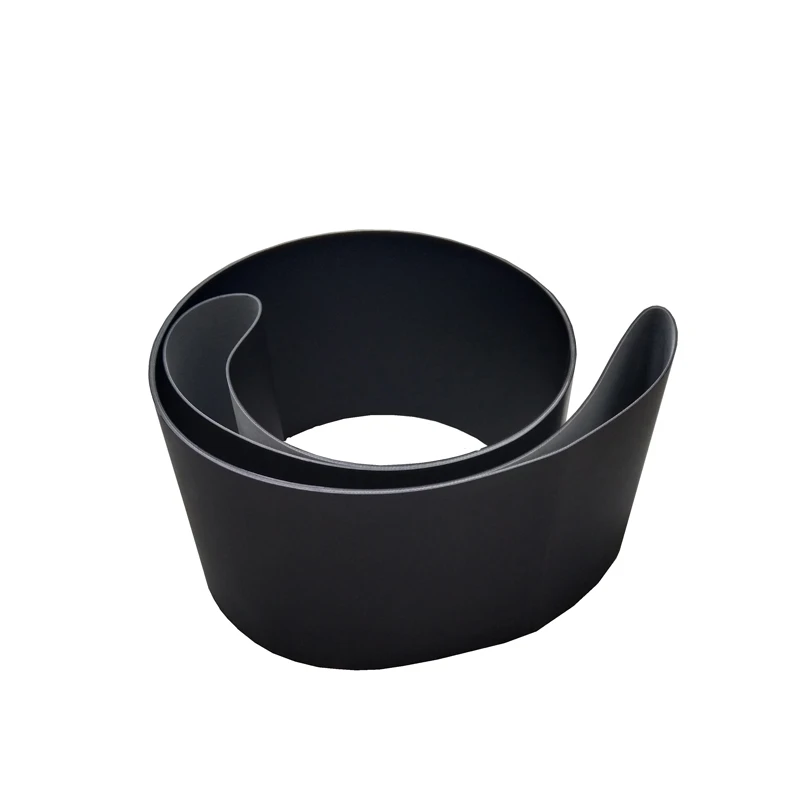
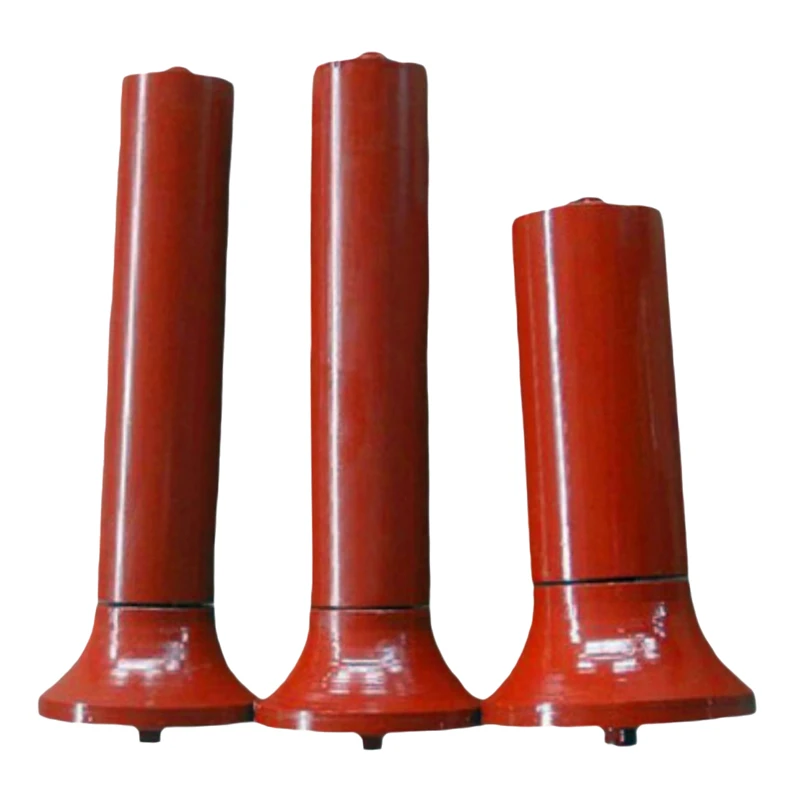
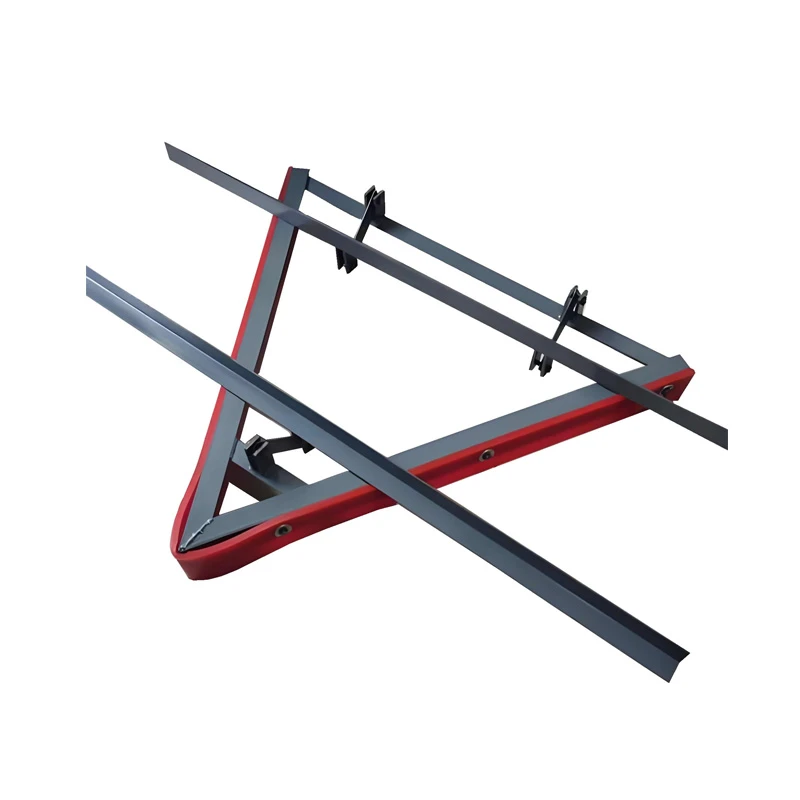
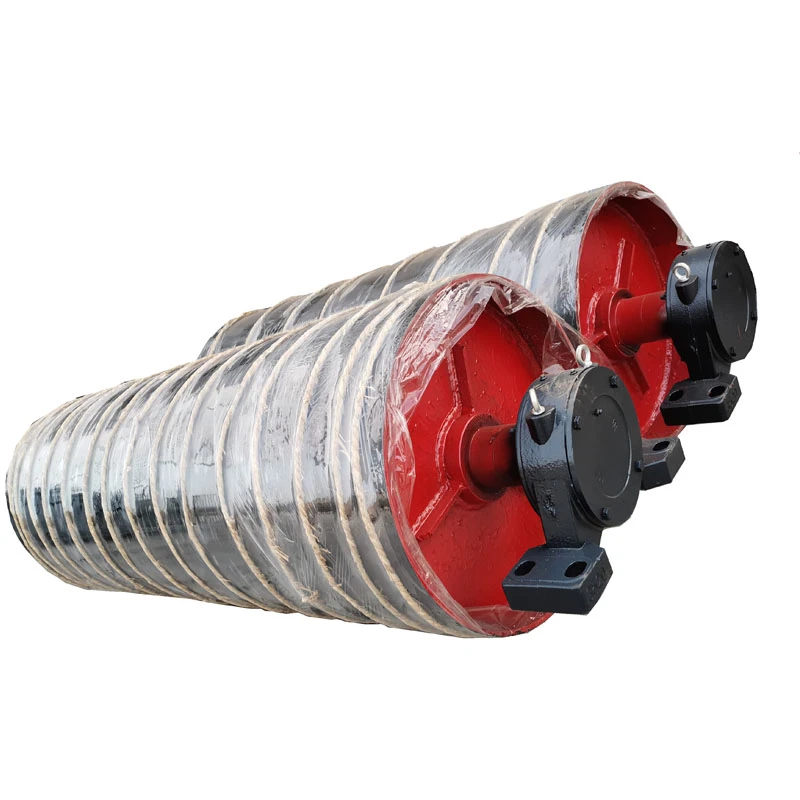
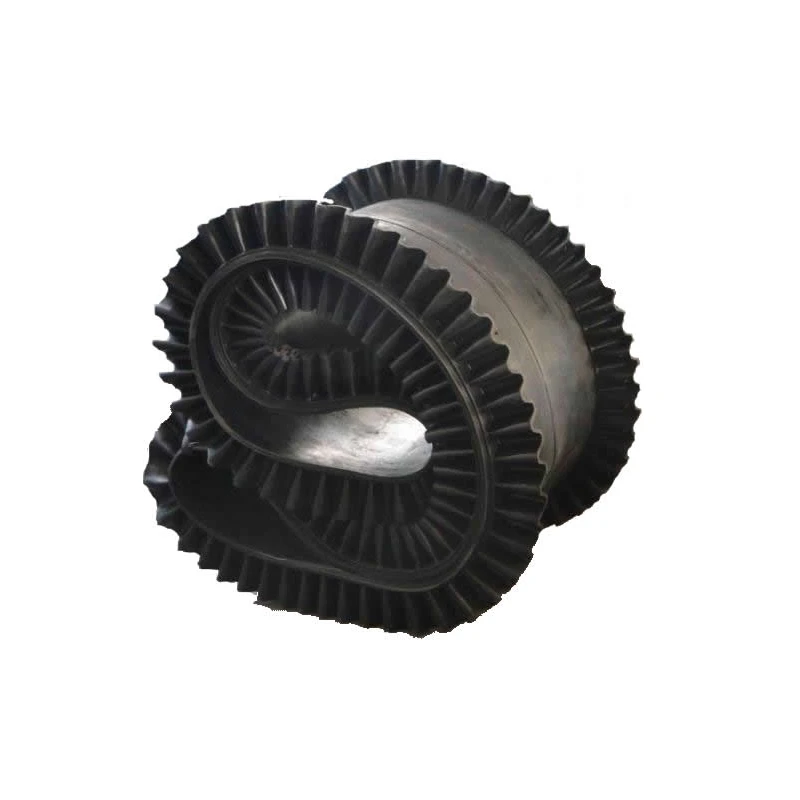
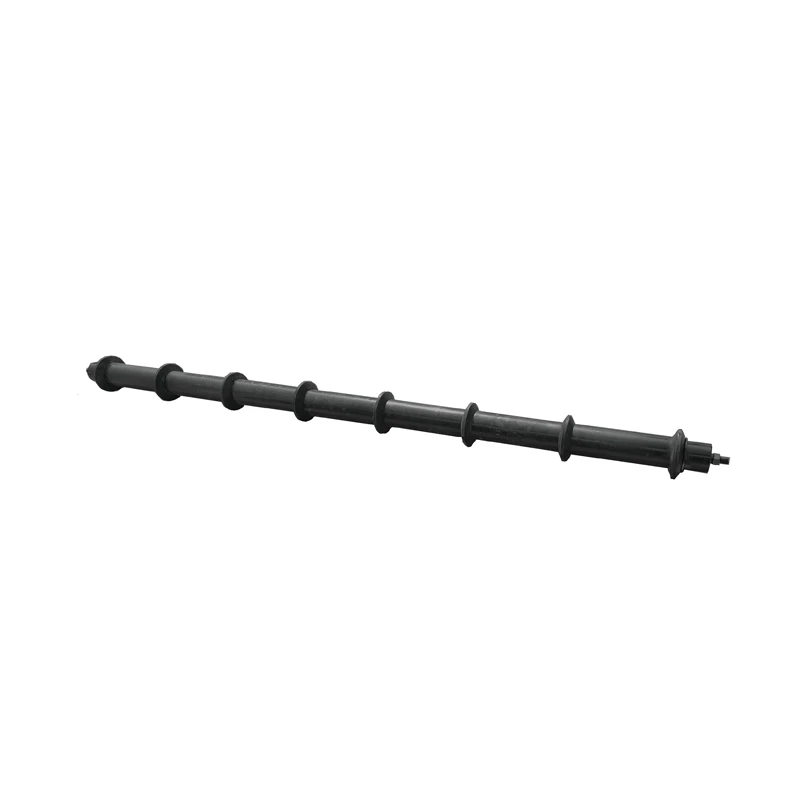
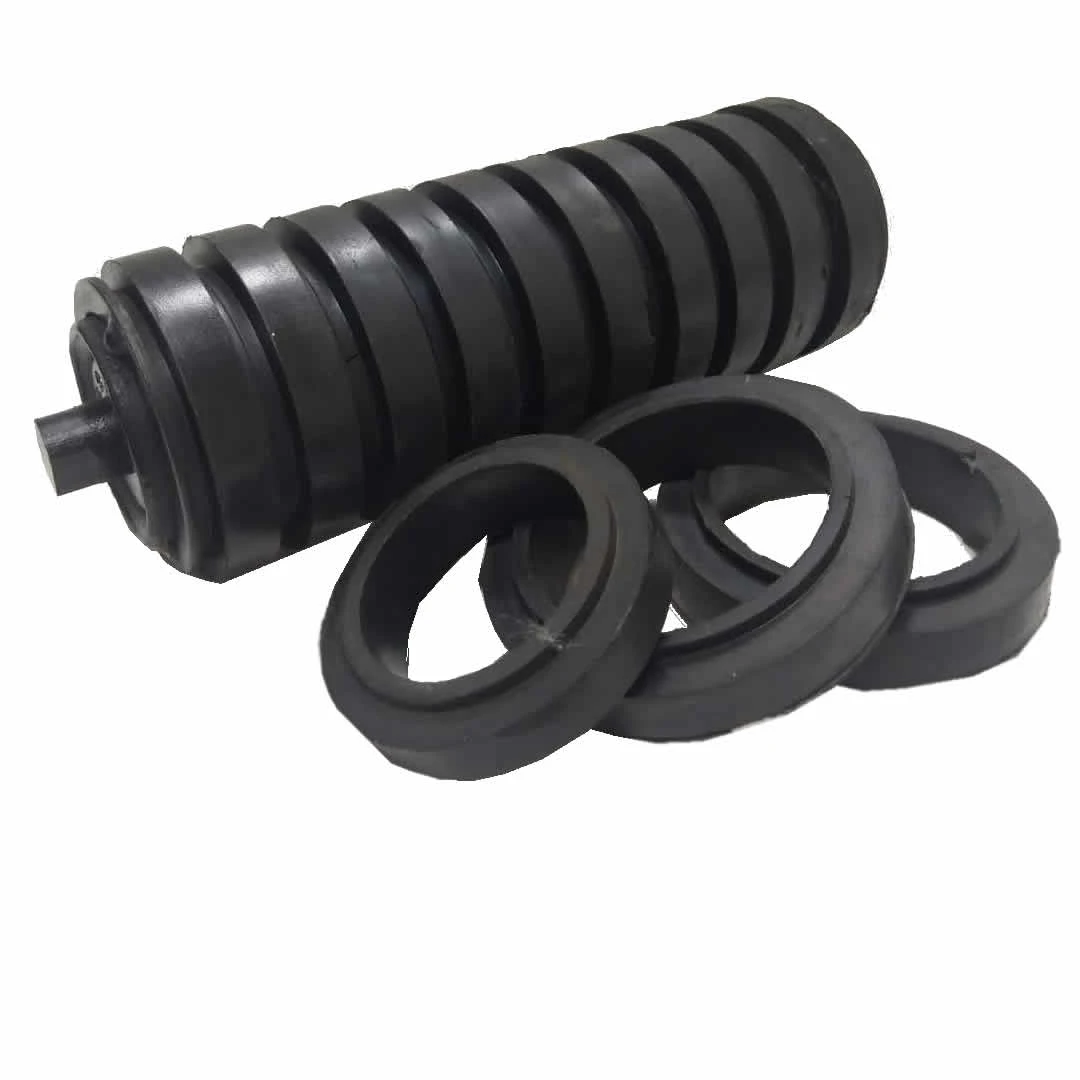
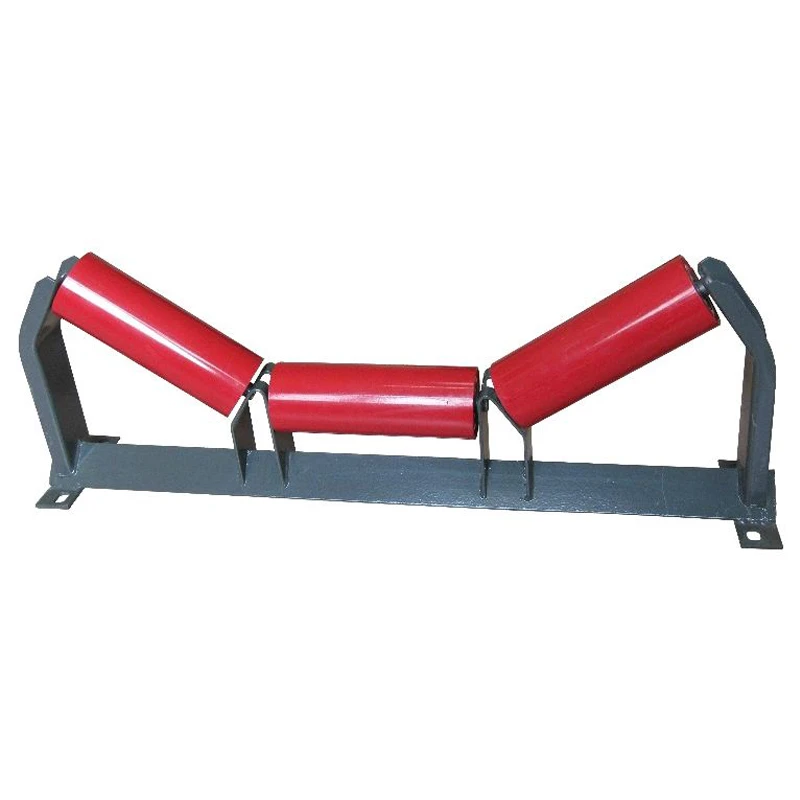
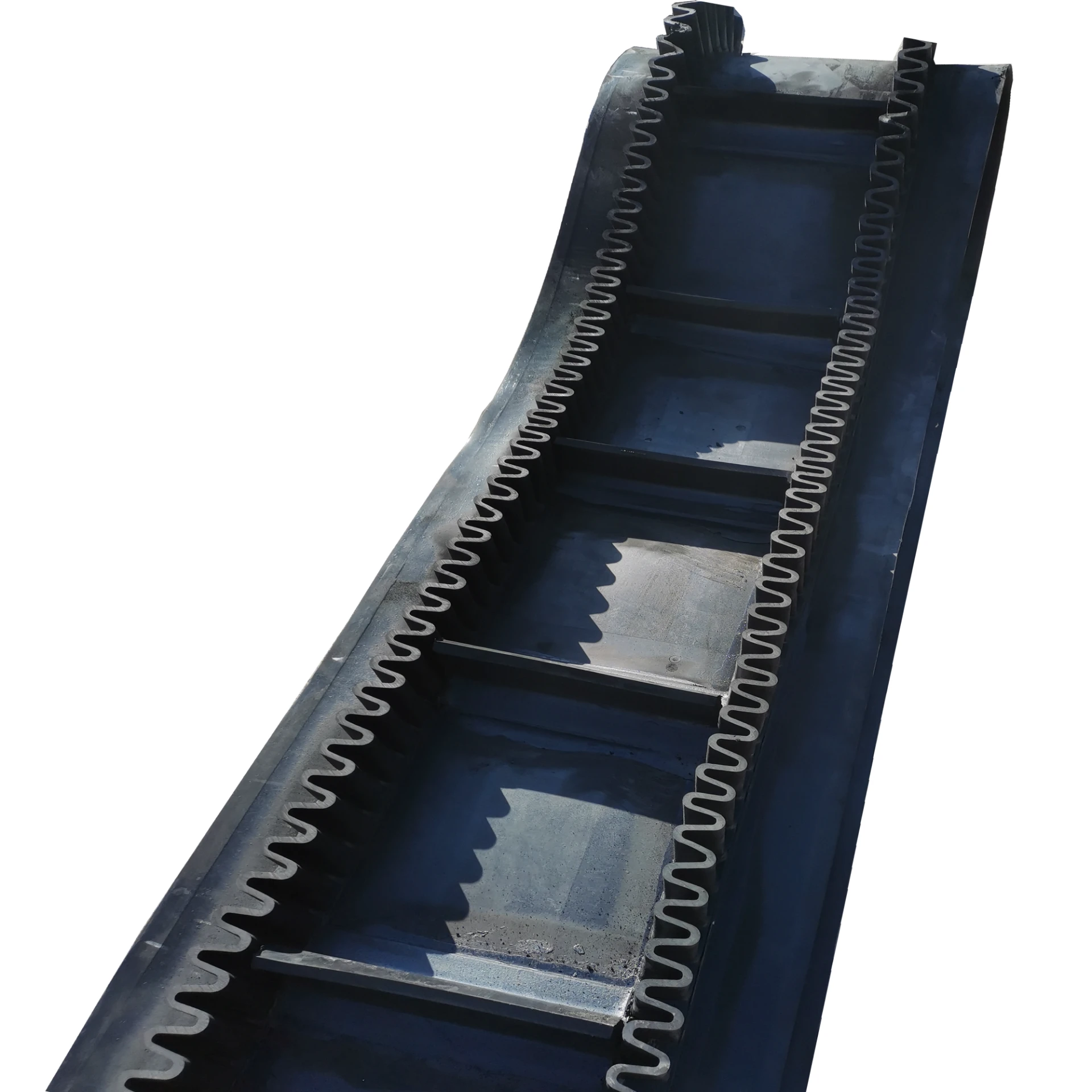
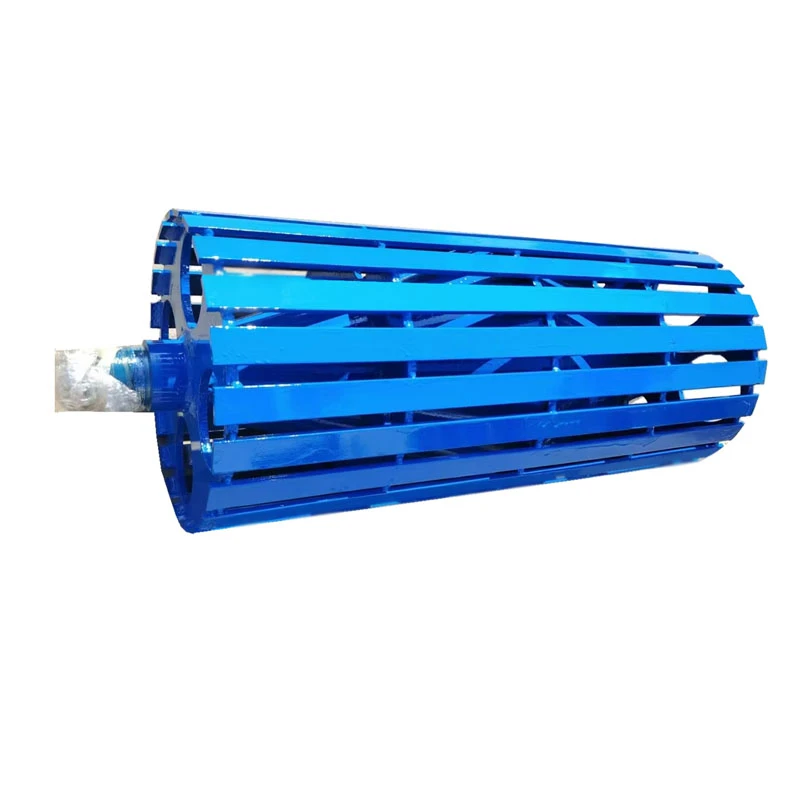
At their heart, transfer conveyors facilitate the smooth and efficient movement of materials from one conveyor line to another. It sounds simple, but designing for that handoff—avoiding jams, minimizing product damage, maintaining speed—that’s where the engineering gets interesting. They’re crucial in applications like distribution centers, manufacturing plants, and even food processing facilities. I suppose you could even find them in airports, moving luggage… you know, behind the scenes. The core functionality relies on a series of rollers, belts, or platens that precisely align with the receiving conveyor. We've seen a big shift towards modular designs lately, which offer greater flexibility and easier maintenance. Here's a quick look at some common specs:
| Specification | Typical Value | Notes |
|---|---|---|
| Belt Material | PVC, Rubber, Polyurethane | Application Specific |
| Load Capacity | Up to 50 kg/meter | Customizable |
| Belt Speed | 0.1 – 1.5 m/s | Variable Frequency Drive Controlled |
Benefits & Use Cases of Transfer Conveyor Systems
The advantages are numerous, frankly. Reduced labor costs, improved throughput, and increased safety are the big three. But it goes deeper. Accurate transfers minimize product damage, which is huge for delicate items. And the ability to integrate with automation systems – PLCs, robotics – that’s where the real efficiency gains come from. We’ve seen them used extensively in automotive manufacturing, moving components along the assembly line. Food and beverage processing relies heavily on sanitary transfer conveyors. E-commerce fulfillment centers… well, they wouldn't function without them. It feels like every industry has found a way to benefit. Here’s how a few vendors stack up:
| Vendor | Price Range | Customization Options | Lead Time |
|---|---|---|---|
| HG Conveyorbelt | Mid-Range | High | 4-6 Weeks |
| Conveyor Solutions Inc. | High | Medium | 6-8 Weeks |
| Automated Systems Ltd. | Low | Low | 8-10 Weeks |
Cost, Maintenance & User Experience
The total cost of ownership isn’t just the initial purchase price. You’ve got installation, maintenance, and potential downtime to factor in. A well-built transfer conveyor—like those from HG Conveyorbelt—will minimize downtime thanks to durable components and easy access for maintenance. Many engineers I’ve spoken with emphasize preventative maintenance: regular belt checks, lubrication of rollers, and inspections for wear and tear. I remember one client, a large distribution center, who told me switching to a more robust transfer system reduced their unplanned downtime by almost 30%. They’d been struggling with frequent belt slippage before, and the upgrade solved that. It sort of paid for itself in a few months, they said.
Sustainability & Market Trends
Sustainability is becoming a bigger and bigger factor. Manufacturers are increasingly looking for energy-efficient conveyors, and there’s a growing demand for materials that can be recycled or reused. Oddly enough, we're seeing a push for quieter systems too—less noise pollution in the workplace. The trend towards smart conveyors, with integrated sensors and data analytics, is also gaining momentum. These systems can monitor performance, predict maintenance needs, and optimize material flow. Regulations around workplace safety are also driving demand for more sophisticated transfer solutions.
Frequently Asked Questions about Transfer Conveyor
- What is Transfer Conveyor and how does it work?
- Transfer Conveyor systems utilize a series of belts, rollers, or platens to seamlessly move materials from one conveyor line to another, optimizing material flow within a facility.
- What are the main benefits of using Transfer Conveyor in industrial applications?
- Key advantages include reduced labor costs, improved throughput, increased safety, minimized product damage, and seamless integration with automation systems.
- How does Transfer Conveyor compare to traditional alternatives?
- Transfer Conveyors offer superior accuracy, efficiency, and adaptability compared to manual handling or older conveyor technologies, leading to significant operational improvements.
- What industries can benefit most from Transfer Conveyor implementation?
- Industries such as automotive, food and beverage, e-commerce, manufacturing, and logistics experience the most significant benefits from implementing Transfer Conveyor systems.
Conclusion on Transfer Conveyor
Ultimately, a well-designed and implemented transfer conveyor system is a critical component of any modern, efficient operation. It's not a flashy investment, but it's one that delivers real, measurable results. If you're looking to optimize your material handling processes, it's definitely worth exploring. Visit our website: https://www.hgconveyorbelt.com.