Why a Vertical Auger Conveyor Might Just Be the Backbone of Your Material Handling
Having spent over a decade in industrial equipment, I can tell you one thing: the humble vertical auger conveyor often gets overlooked — yet it’s a real workhorse. You don’t hear about it much in flashy case studies or big marketing pitches, but in real terms, it’s the silent hero in plants ranging from food processing to chemical manufacturing.
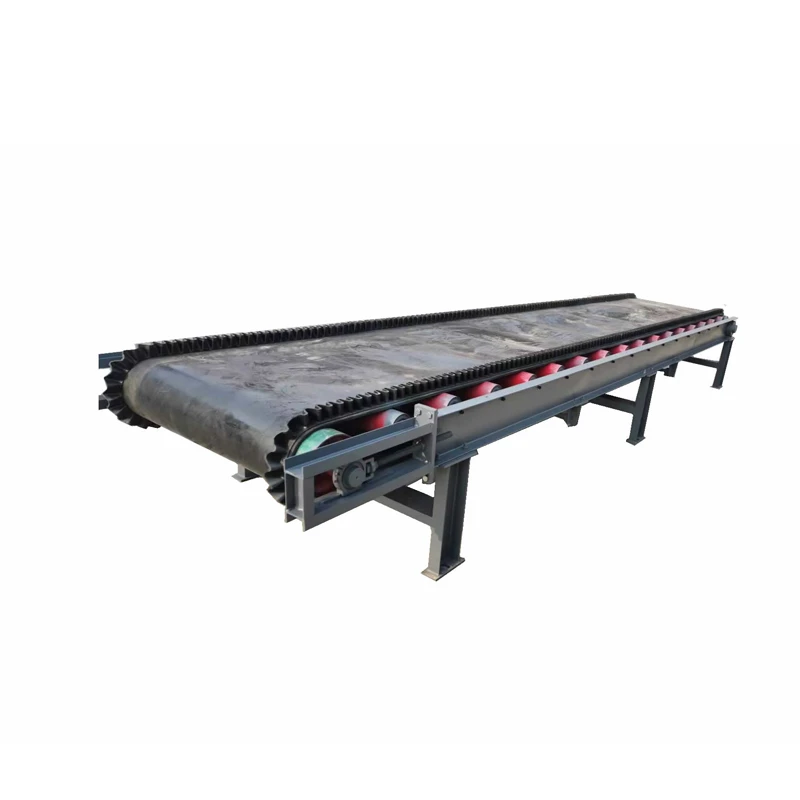
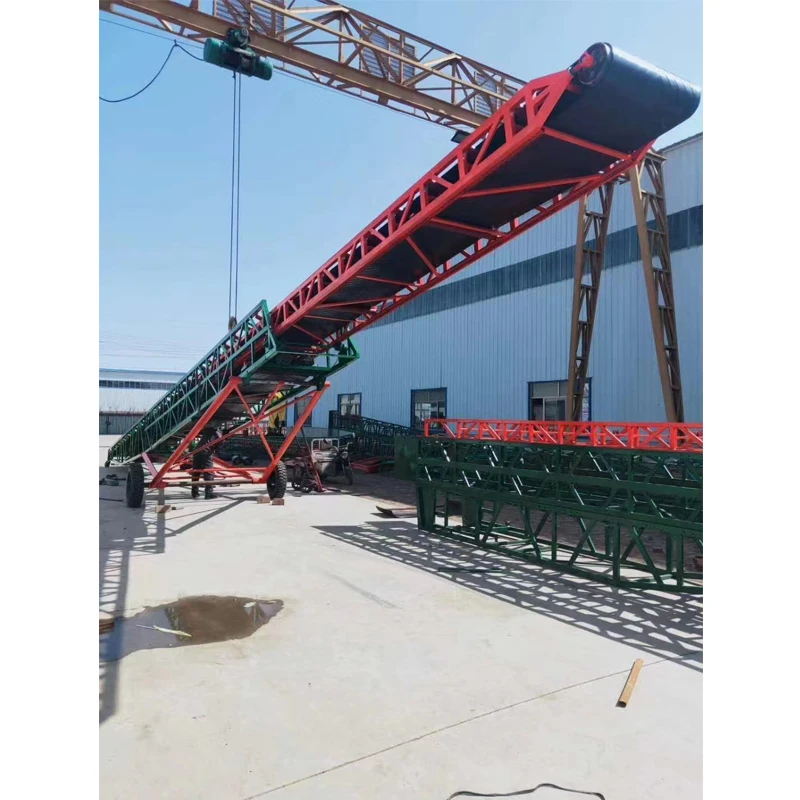
Now, if you’re unfamiliar, a vertical auger conveyor is essentially an advanced screw conveyor designed to elevate bulk materials vertically or at steep angles. You could say it’s the difference between awkwardly lifting bags by hand and smooth continuous transport — and that difference saves time, labor, and frankly, a lot of backaches.
Let me take you through what makes these conveyors tick, why they’re still incredibly relevant, and maybe sprinkle in some of my firsthand impressions along the way.
Design & Build: The Nuts and Bolts
At its core, the vertical auger conveyor is a spiral screw (the “auger”) inside a tubular or trough-shaped casing. The screw rotates, pushing the product upward. Pretty straightforward, right? But the devil’s in the details. For example, the choice of materials is critical.
In food-grade applications, stainless steel is a must to comply with hygiene standards. For bulkier, dry materials like wood pellets or grains, carbon steel with specific coatings might be fine. I’ve seen too many cheap setups where corrosion or wear caused premature failures — not good when you’re trying to keep production lines running 24/7.
Good manufacturers optimize screw pitch, diameter, and pitch angle to match your material’s flow characteristics. Oddly enough, even moisture content can impact performance — sticky materials tend to clump and jam, requiring a more robust or specialized design.
How It Works In Practice
One of my clients in the feed mill industry upgraded to a vertical auger conveyor last year. They used to rely on bucket elevators, but these kept churning out dust and were costly to maintain. The vertical auger proved smoother, quieter, and cut airborne dust by nearly 50%. It was a turning point in their plant operations.
The conveyors are versatile too — you can run them vertically or at angles up to 85 degrees, and they fit in tight spaces where traditional conveyors just won’t.
Advantages That Matter
- Compact footprint saves valuable floor space
- Capable of handling a wide range of materials, from powders to pellets
- Reduced dust and spillage compared to bucket elevators
- Lower operating noise and energy consumption
- Customization options allow adaptation to tricky layouts
Vertical Auger Conveyor: Typical Specifications
| Specification | Details |
|---|---|
| Capacity | Up to 150 m³/hour (varies with material) |
| Lifting Height | Up to 20 meters |
| Material | Stainless steel or carbon steel |
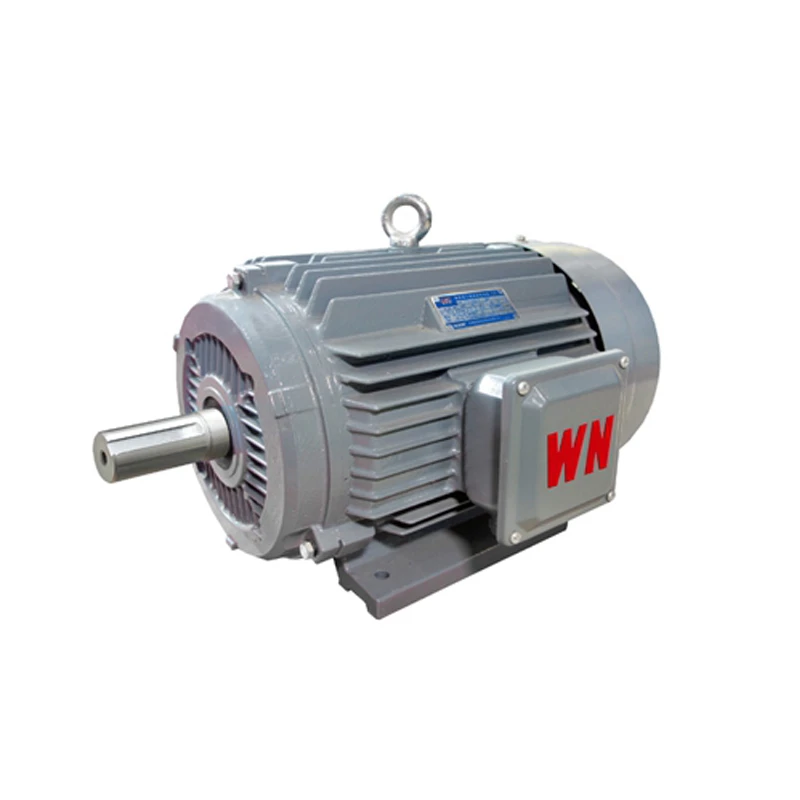
| Power Supply | Typically 3-phase electric motor, 1.5–7.5 kW |
| Drive Options | Direct or gearbox driven |
| Operating Angle | Up to 85° (near vertical) |
A Quick Look: Major Vendors Compared
| Vendor | Material Options | Max Capacity | Customization | Typical Lead Time |
|---|---|---|---|---|
| HG Conveyor Belt | Stainless steel, carbon steel | 150 m³/hour | Full customization | 4-6 weeks |
| Vendor B | Carbon steel only | 120 m³/hour | Limited customization | 6-8 weeks |
| Vendor C | Stainless steel only | 100 m³/hour | Standard models only | 3-5 weeks |
In terms of service and product quality, I’ve always found vendors like HG Conveyor Belt to be very dependable. Their willingness to tailor solutions uniquely to fit a plant’s nuances makes a big difference — it’s not just off-the-shelf stuff thrown in and said “good luck.”
I suppose if you’re looking to get into vertical conveying, starting discussions with such experienced suppliers saves you from long headaches down the road.
So, to wrap things up — vertical auger conveyors aren't flashy, but they’re incredibly practical. They quietly handle the bumps and bruises of daily production, and frankly, they deserve more credit than they get.
Thanks for reading — take care out there on the floor!
References:
1. Material Handling Industry Reports 2023
2. Conversation with maintenance teams at Midwest Feed Mills, 2022
3. HG Conveyor Belt product literature, 2024