Understanding Mechanical Conveyor Systems
A mechanical conveyor system is a bulk material handling system that uses mechanical components to move materials from one location to another. These systems are integral to a wide array of industries, including manufacturing, agriculture, mining, and logistics, offering efficient and reliable material transport. Selecting the right conveyor system is crucial for optimizing operational efficiency and reducing labor costs. At HG Conveyor Belt, we specialize in designing and manufacturing high-quality conveyor solutions tailored to your specific needs.
Types of Mechanical Conveyor Systems
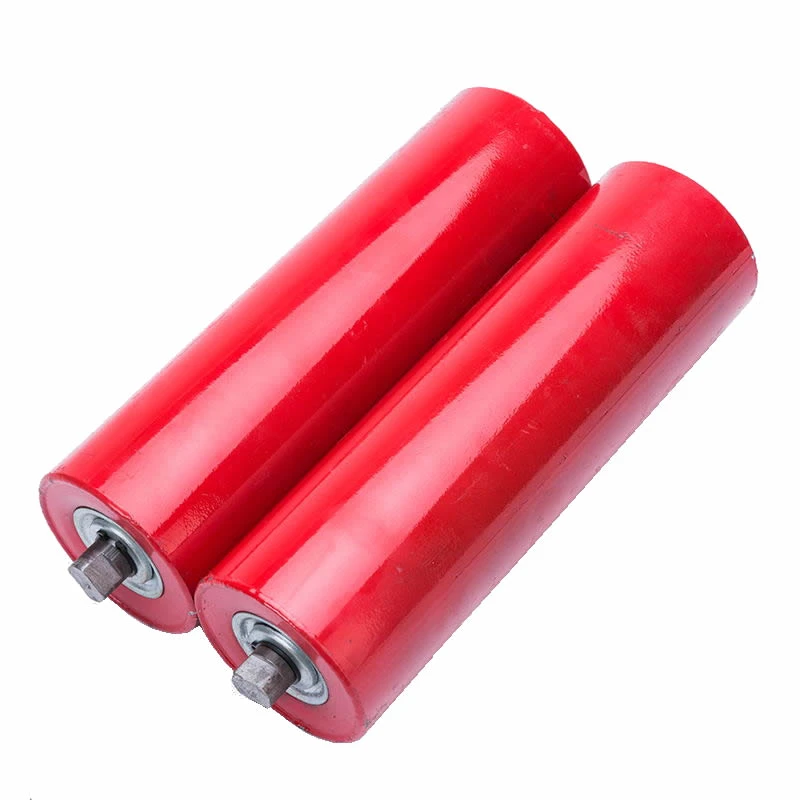
There are several types of mechanical conveyor systems, each suited for different materials and applications. Understanding these variations is crucial for selecting the optimal solution for your needs. Some common types include belt conveyors, roller conveyors, chain conveyors, screw conveyors, and overhead conveyors. Belt conveyors are versatile and can handle a wide range of materials, while roller conveyors are ideal for moving items with a flat bottom. Chain conveyors excel in handling heavy or abrasive materials, and screw conveyors are commonly used for moving powders and granular substances. Overhead conveyors provide efficient use of floor space.
Key Takeaway: The choice of conveyor system depends largely on the material being conveyed, the distance of transport, and the desired throughput.
Applications of Mechanical Conveyor Systems
The applications of mechanical conveyor systems are incredibly diverse. In manufacturing, they streamline assembly lines and move components between workstations. In the food processing industry, they ensure hygienic and efficient transport of food products. Mining operations utilize heavy-duty conveyors to move ore and raw materials. Logistics and warehousing rely on conveyors for package sorting and distribution. Agricultural settings use them for grain handling and processing. These systems enhance productivity, reduce manual handling, and improve overall operational efficiency.
Industry Applications:
• Manufacturing
• Food Processing
• Mining
• Logistics & Warehousing
• Agriculture
Belt Conveyor Systems: A Detailed Look
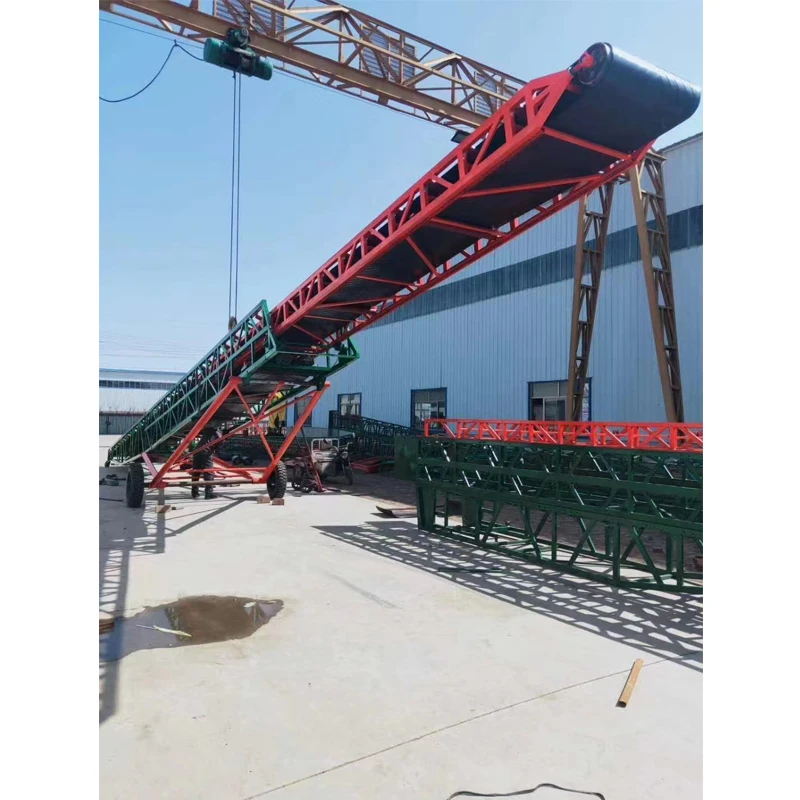
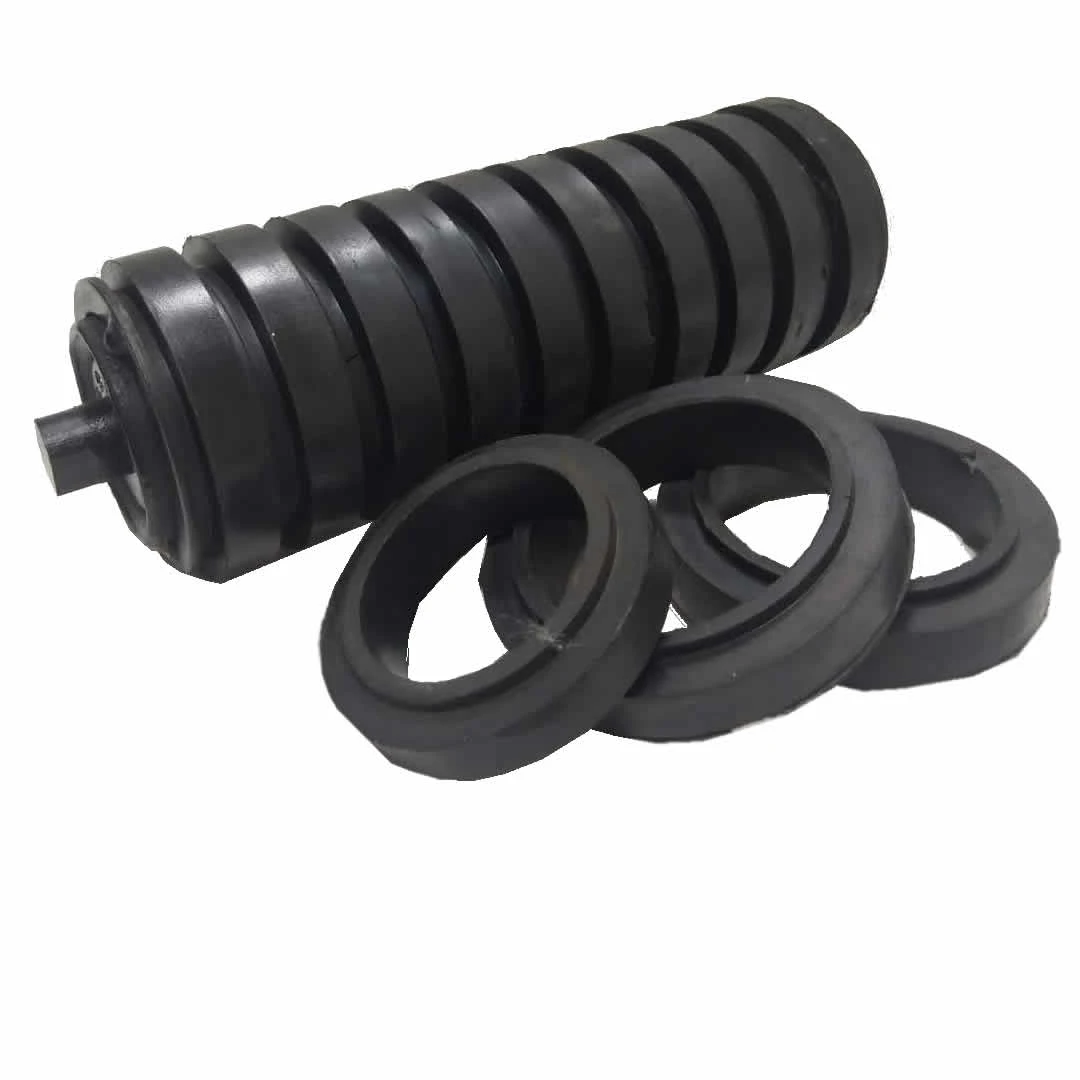
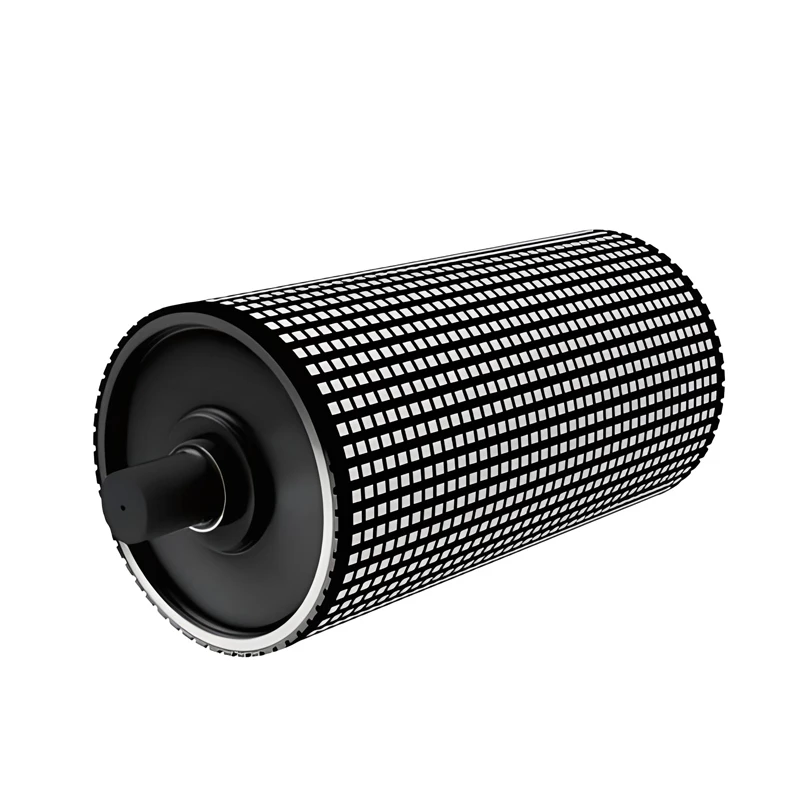
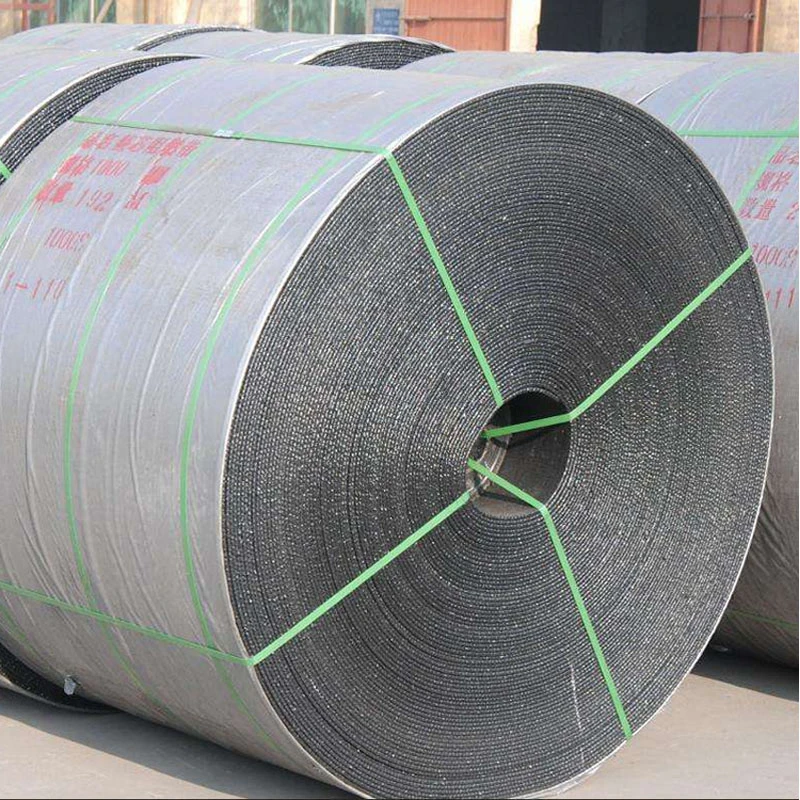
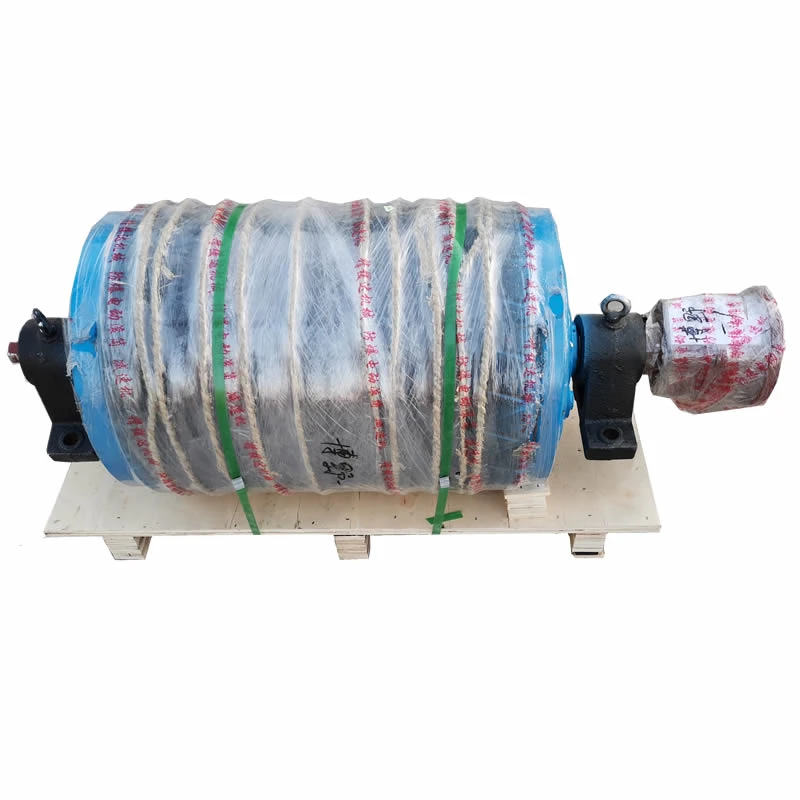
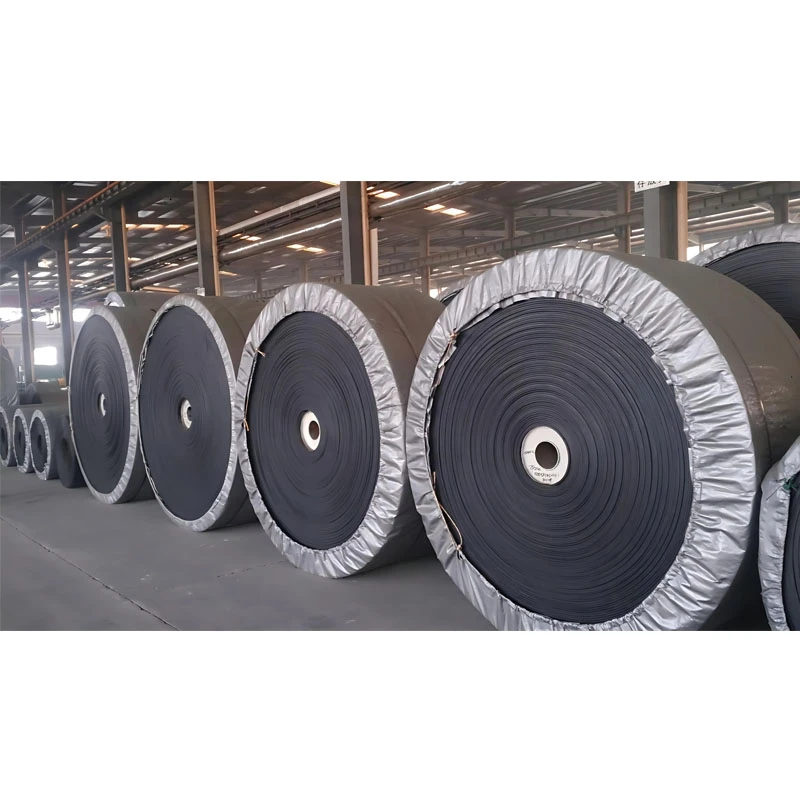
Belt conveyor systems are among the most widely used types of mechanical conveyor systems. They consist of a continuous belt running over rollers, providing a smooth and efficient transport surface. They are versatile enough to handle a variety of materials, from small parts to bulk solids. The belt material can be customized based on the material being conveyed – rubber, PVC, or fabric are common options. Belt conveyors are relatively low-maintenance and can be adapted for inclines and declines. HG Conveyor Belt offers a comprehensive range of belt conveyor solutions.
Choosing the Right Mechanical Conveyor System
Selecting the correct mechanical conveyor system requires careful consideration of several factors. First, analyze the type of material you will be conveying – its size, weight, abrasiveness, and temperature. Next, determine the required throughput and the distance the material needs to be transported. Consider the layout of your facility and any space limitations. Finally, factor in maintenance requirements and energy efficiency. Contact HG Conveyor Belt today for expert advice and a customized solution.
Benefits of Implementing Mechanical Conveyor Systems
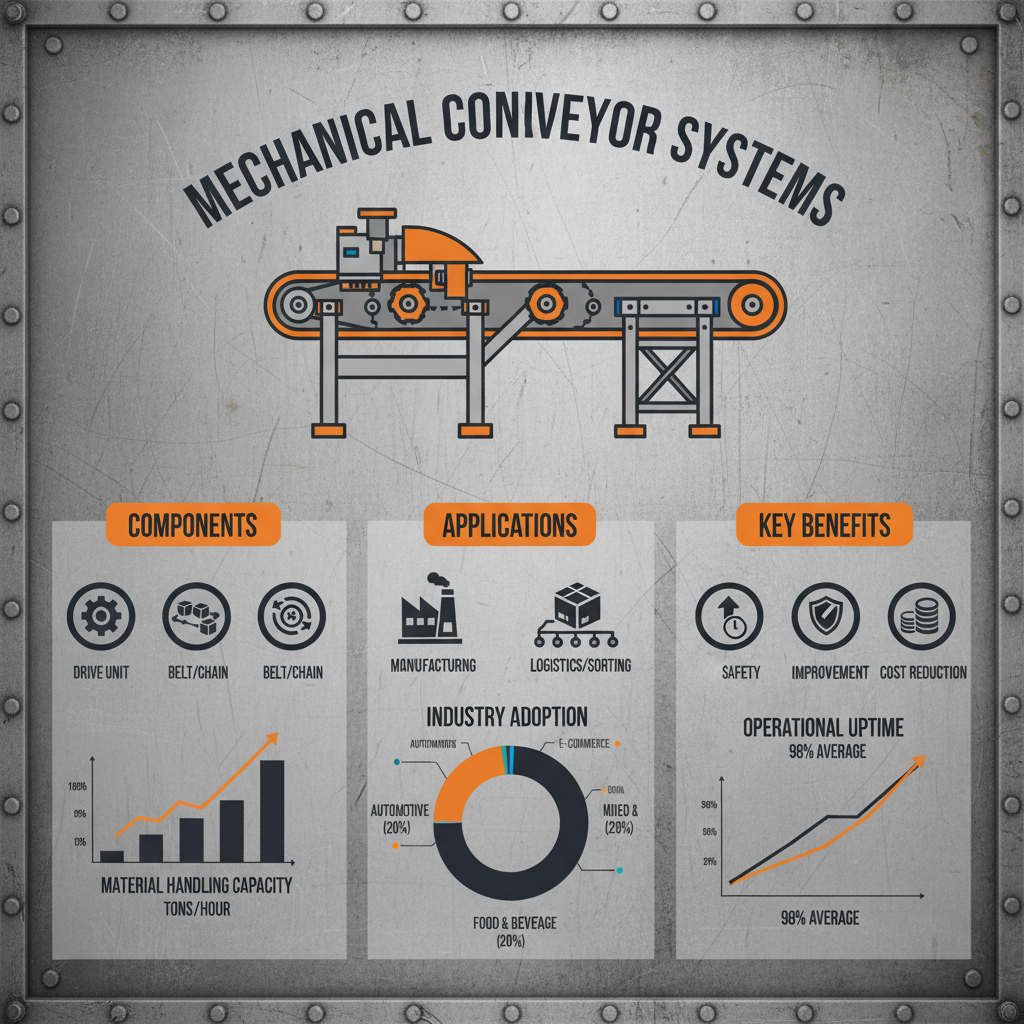
Implementing a mechanical conveyor system offers numerous benefits. These include increased efficiency, reduced labor costs, improved safety, and enhanced productivity. By automating material handling, you can free up employees to focus on more critical tasks. Conveyor systems also minimize the risk of injuries associated with manual lifting and carrying. A well-designed system can optimize workflow and reduce bottlenecks, resulting in significant cost savings and improved operational performance.
Conclusion
Investing in a reliable mechanical conveyor system is a strategic decision that can significantly improve your business operations. HG Conveyor Belt is committed to providing innovative and cost-effective solutions that meet your specific needs. Contact us today to learn more about how we can help you optimize your material handling processes.
Frequently Asked Questions (FAQs)
What factors should I consider when choosing a conveyor system?
When choosing a mechanical conveyor system, consider the material characteristics (size, weight, abrasiveness, temperature), required throughput, distance of transport, facility layout, maintenance requirements, and energy efficiency. Analyzing these factors will help determine the most suitable type of conveyor for your specific application. It's also important to consider future scalability and potential changes in your production needs. Proper planning upfront will ensure a long-term, cost-effective solution.
What is the typical lifespan of a mechanical conveyor system?
The lifespan of a mechanical conveyor system varies depending on usage, maintenance, and the type of materials handled. With regular maintenance and proper operation, a well-built conveyor system can last 10-20 years or even longer. Key components like belts, rollers, and motors will require periodic replacement. Proactive maintenance, including lubrication, inspections, and timely repairs, is crucial for maximizing the system's lifespan and minimizing downtime.
How much maintenance do mechanical conveyor systems require?
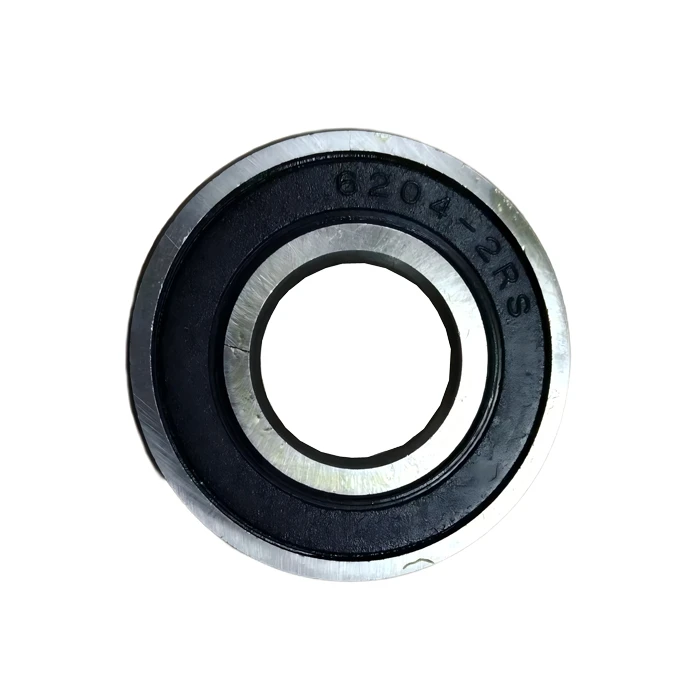
Maintenance requirements vary depending on the system type and usage. Generally, routine maintenance includes regular inspections, lubrication of moving parts, belt tension adjustments, and cleaning. More extensive maintenance may involve replacing worn belts, rollers, or bearings. Establishing a preventative maintenance schedule is essential for minimizing downtime and extending the system's lifespan. HG Conveyor Belt offers maintenance services and support to ensure your system operates reliably.
Are mechanical conveyor systems energy efficient?
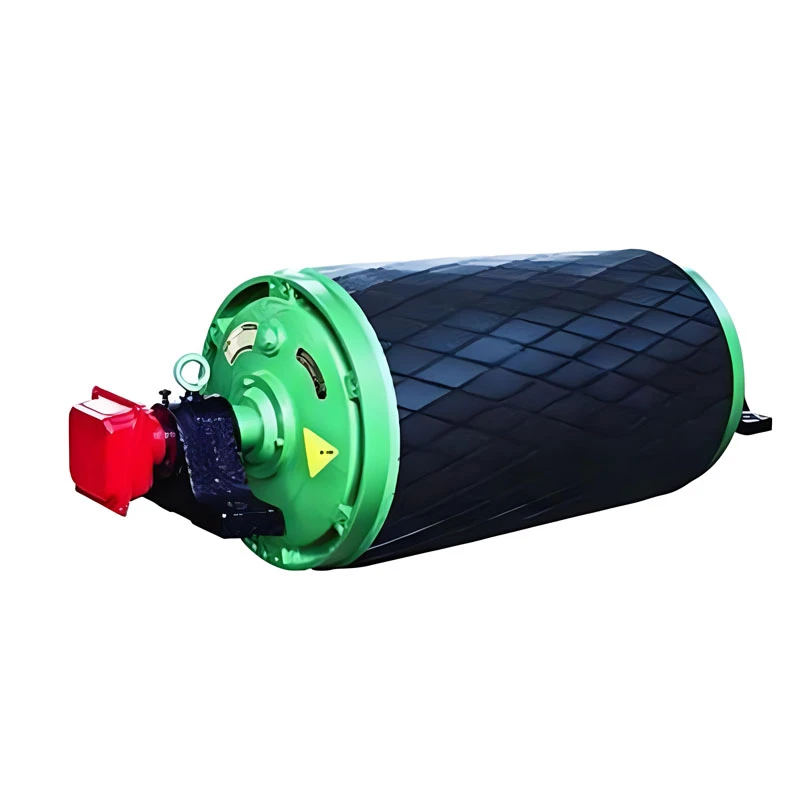
Mechanical conveyor systems can be very energy efficient, especially when compared to manual material handling. Modern conveyor systems often incorporate energy-saving features like variable frequency drives (VFDs) to optimize motor speed and reduce energy consumption. Choosing the right conveyor type and ensuring proper maintenance can further enhance energy efficiency. By automating material handling, you can reduce labor costs and minimize energy waste.