Why Light Duty Conveyor Belts Matter Globally
In today’s fast-paced industries, a light duty conveyor belt might just be the unsung hero keeping operations smooth and efficient. Whether in small manufacturing units, packaging lines, or even humanitarian logistics, these belts serve as the backbone of material handling — moving goods effortlessly from one point to another. This matters globally because efficient transportation of materials isn’t just about profits or speed; it’s about reducing waste, improving workplace safety, and enabling rapid responses during crises like natural disasters.
Understanding the different types and applications of light duty conveyor belts can unlock significant benefits — from cutting operational costs to streamlining supply chains across diverse sectors worldwide.
Introduction: The Growing Importance of Lightweight Conveyor Systems
Did you know that according to the International Organization for Standardization (ISO), the global conveyor belt market is projected to grow steadily due to rising automation and e-commerce demands? Light duty conveyor belts make up a substantial part of this market, especially in regions focusing on small-to-medium manufacturing setups — think Southeast Asia, Eastern Europe, and parts of South America.
One key challenge companies face is balancing cost with durability and adaptability. Heavy-duty solutions often exceed the necessary capacity or become cost-prohibitive, while inadequate belts can lead to downtime or safety hazards.
That’s exactly where light duty conveyor belts shine: they hit that sweet spot of affordability, ease of maintenance, and flexibility. This is no small deal considering how dynamic global supply chains have become.
What Exactly is a Light Duty Conveyor Belt?
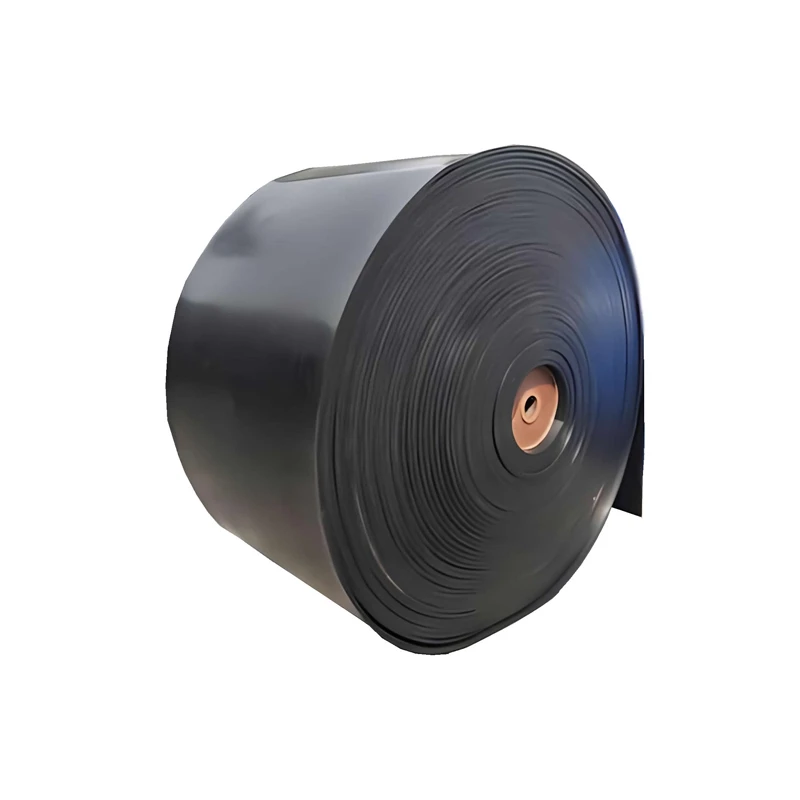
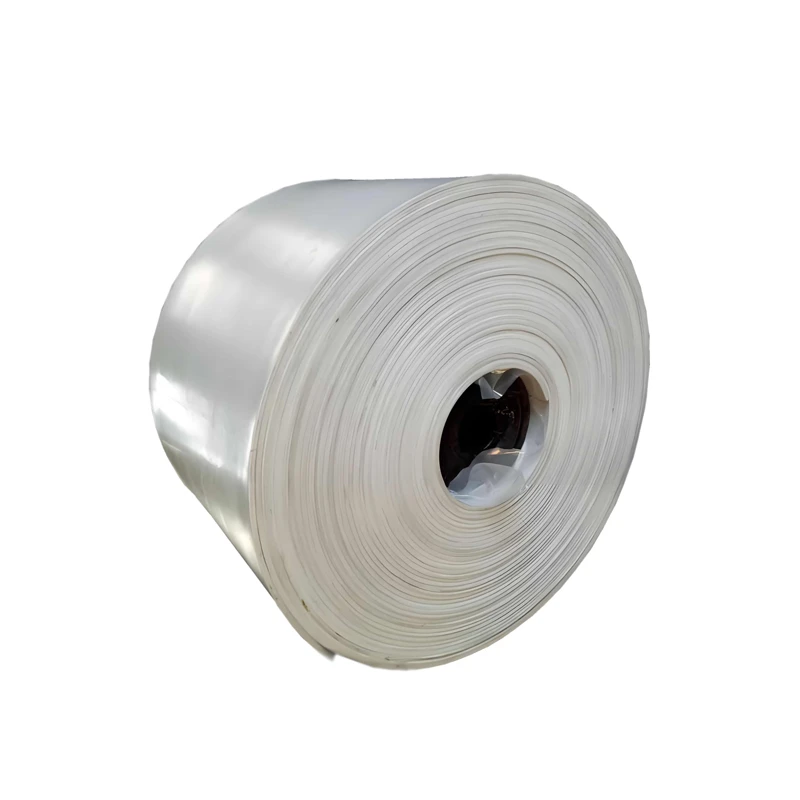
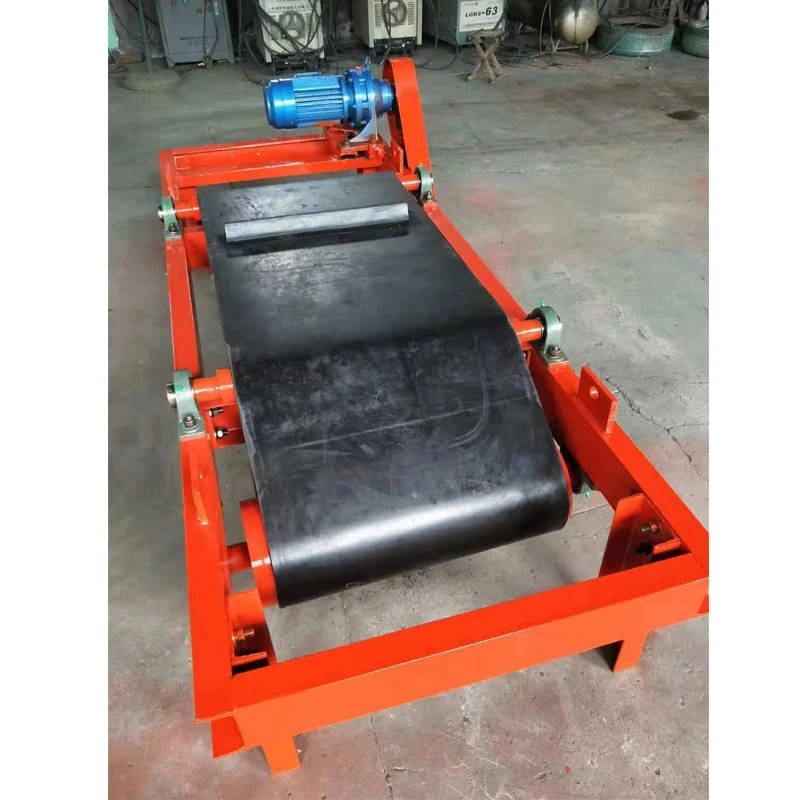
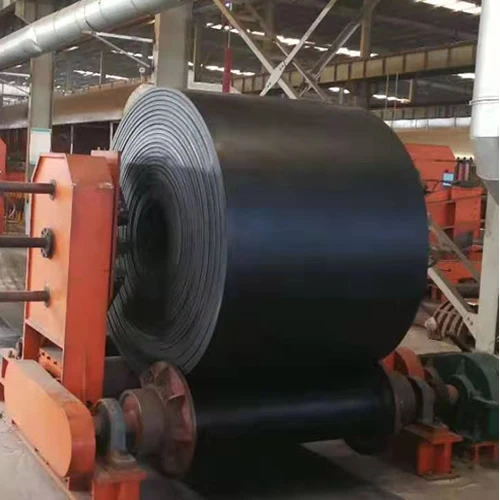
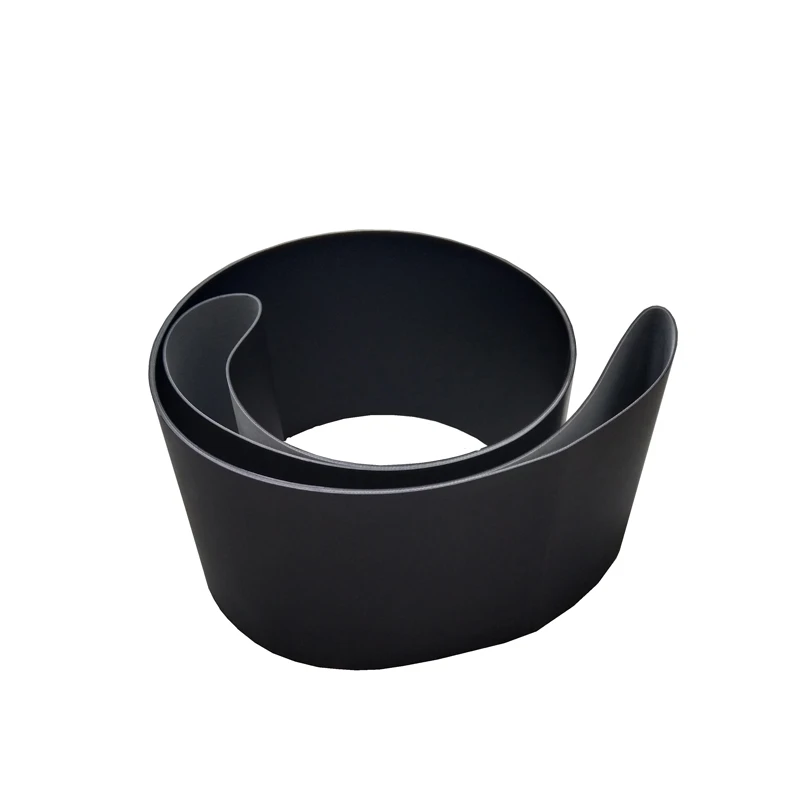
Put simply, a light duty conveyor belt is a type of belt conveyor system designed to handle lighter loads, usually measured in kilograms rather than tons. These belts are crafted from materials like PVC, PU (polyurethane), or rubber compounds and are optimized for transporting small parts, packages, or bulk materials with low impact or pressure.
While they might sound basic, their role is pivotal — especially in industries where precision, speed, and gentle handling are important. Oddly enough, they are even used in humanitarian contexts, such as sorting donated goods or distributing relief supplies in refugee camps, where quick setup and reliable operation are prized.
Core Components That Define Light Duty Conveyor Belts
1. Durability & Material Construction
Despite their name, light duty belts still need to handle continuous operation without tearing or excessive wear. Modern materials like reinforced PVC offer a balance — resistant to oils, heat, and common chemicals but flexible enough for tricky conveyors.
2. Scalability & Customization
Many light duty conveyor belts come with modular designs. This flexibility helps businesses adjust belt length or width with minimal downtime, important for seasonal production spikes or evolving product lines.
3. Cost Efficiency
Lower initial investment and maintenance fees make these conveyors a go-to for small enterprises. Spare parts are usually affordable and widely available.
4. Ease of Installation
Unlike their heavy-duty cousins, these belts often require less complex frameworks and power demands, enabling quicker setup and easier mobility.
5. Energy Consumption
Light duty belts often have lower power requirements, contributing to sustainability goals and reducing operational costs.
| Specification | Details |
|---|---|
| Belt Width | 200 mm – 1200 mm |
| Load Capacity | Up to 50 kg/m |
| Belt Material | PVC, PU, Rubber |
| Working Temperature | -10°C to 80°C |
| Speed | Up to 60 m/min |
| Drive Types | Motor-driven, manual |
Where in the World Are Light Duty Conveyor Belts Changing the Game?
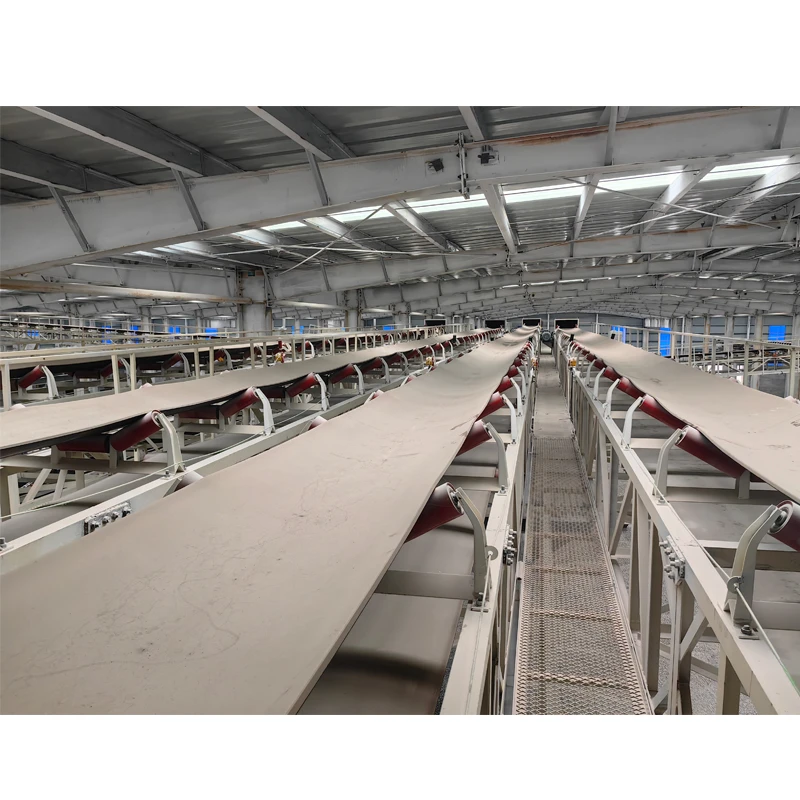
This isn’t just about warehouses in the US or Europe. In remote industrial zones of Africa, where maintenance access is limited, light duty conveyor belts play an essential role in transporting raw materials with minimal fuss. Likewise, in Southeast Asia, where packaging lines dominate exports, these belts streamline operations for textiles and electronics manufacturers.
Even in humanitarian relief, especially in response to sudden disasters — like the 2020 floods in Southeast Asia — quick-to-deploy conveyor belts helped sort, package, and distribute essentials faster, saving not just time but lives.
If you’re wondering where to find products tailored for smaller scale operations or temporary setups, take a look at trusted sites like light duty conveyor belt suppliers who offer customization and rapid delivery.
The Long-Term Value and Advantages of Choosing Light Duty Conveyor Belts
- Cost Savings: Less power consumption, lower initial investments, and reduced maintenance costs add up over time.
- Sustainability: Many belts use recyclable materials, and their efficiency reduces waste in manufacturing.
- Safety and Ergonomics: By automating manual material handling, injury risks plummet.
- Reliability: Lightweight yet sturdy designs ensure consistent uptime.
- Social Impact: Faster operations mean better wages and customer satisfaction.
It’s not just about moving objects. It’s about creating trust in the system, fostering innovation, and ultimately delivering dignity in every step of the supply chain.
What’s Next? Future Trends in Light Duty Conveyor Belts
If you’re tracking industrial automation, you know the conveyor landscape is on the cusp of change. Emerging trends include:
- Smart Sensors: Integration with IoT to monitor belt health in real-time.
- Eco-friendly Materials: Biodegradable belts and recycled polymers.
- Energy Efficient Drives: Using brushless motors and regenerative braking.
- Modular Automation: Adjustable configurations for rapid re-tooling.
Technologies like AI and digital twin modeling are already being tested for predictive maintenance — which, frankly, could save millions in downtime.
Real Talk: Challenges and How to Overcome Them
Light duty conveyor belts are fantastic but not without flaws. They face issues like limited load capacity, vulnerability to sharp objects, or degradation in extreme environments.
Engineers are tackling these by developing multi-layer reinforced belts, hybrid materials that include metal inserts, and coatings to repel chemicals. Additionally, regular employee training on maintenance is key — no one wants “conveyor breakdown blues” at 3 a.m.
Vendor Comparison: Choosing the Right Supplier for Your Light Duty Conveyor Belt
| Vendor | Customization Options | Delivery Speed | Pricing | Support & Warranty |
|---|---|---|---|---|
| GlobalConveyor Inc. | High (varied sizes, materials) | 2 weeks | $$$ | 2 years, on-site |
| BeltTech Solutions | Moderate (standard sizes) | 1 week | $$ | 1 year, remote |
| EcoBelt Ware | High (focus on sustainable materials) | 3 weeks | $$$ | 3 years, warranty + support |
FAQ: Your Light Duty Conveyor Belt Questions Answered
- Q1: What is the typical lifespan of a light duty conveyor belt?
- Generally, these belts last between 3 to 7 years depending on operating conditions, material handled, and maintenance. Proper cleaning and timely repairs can extend lifespan significantly.
- Q2: Can light duty conveyor belts be used outdoors?
- Many models withstand outdoor use if equipped with UV and weather-resistant covers, but extreme temperatures or abrasive materials may require specialized belts.
- Q3: How do I ensure my conveyor belt fits my production needs?
- Assess your product size, weight, and handling frequency, then consult suppliers for customizable options. Trial runs often help identify the best configuration.
- Q4: Are these belts energy efficient?
- Yes, light duty belts usually run on lower power motors and consume less energy compared to heavy-duty systems, contributing to lower operational costs.
- Q5: How quickly can a light duty conveyor system be installed?
- Depending on complexity, small systems can be set up within days. Portable designs allow even faster deployment for temporary operations.
Wrapping It Up: The Long-Term Benefits & Next Steps
At its core, the light duty conveyor belt combines efficiency, affordability, and adaptability in a way that meets the needs of today’s diverse industries — from bustling factories to emergency relief efforts. Their ability to scale and innovate alongside advancing technologies ensures they won’t be a niche solution for long.
If you’re looking to upgrade or install a conveyor system with a focus on versatility, ease of maintenance, and sustainable operation, it’s definitely time to explore your options. For a range of customizable light duty conveyor belts and expert advice, visit https://www.hgconveyorbelt.com today.