Understanding PU Conveyor Belts: The Unsung Heroes of Modern Industry
If you’ve ever wondered how thousands of products glide smoothly through factories, airports, or even your local distribution center, the answer often involves PU conveyor belts. These flexible belts, made from polyurethane, play a quietly critical role in transporting goods of all sorts—reliably, efficiently, and sustainably. In a world where speed and hygiene matter as much as cost-effectiveness, knowing what makes these conveyor belts tick can pay off handsomely across sectors.
Why the fuss? Because industries worldwide—from food processing to electronics manufacturing—need conveyor belts that don’t just move items but do so while resisting wear, contamination, and environmental factors. So the humble “pu conveyor belt” is more than just a belt; it’s a linchpin in global supply chains, helping keep everything flowing smoothly.
The Big Picture: Why PU Conveyor Belts Matter Globally
Conveyor systems are, frankly, everywhere. The global conveyor belt market was valued at over USD 5 billion in recent years and is expected to grow steadily, thanks to expanding logistics, automation, and factory demands (Wikipedia). PU conveyor belts, as an advanced alternative to traditional rubber or PVC belts, increasingly dominate sectors requiring durability combined with cleanliness.
Consider this: the ISO standard for conveyor belts (ISO 21181) guides manufacturers worldwide on safety and performance, but each industry has its own customized needs. For food or pharmaceutical industries, where contamination can cause massive recalls or health hazards, a belt that’s easy to clean and resistant to chemicals makes all the difference.
Yet challenges persist—such as wear and resistance to abrasion, or the balance between flexibility and tensile strength—which PU belts often address better than older materials. That blend of characteristics keeps them relevant across continents and industries, from electronics hubs in Asia to distribution centers in Europe and food packaging in the Americas.
Breaking It Down: What Exactly is a PU Conveyor Belt?
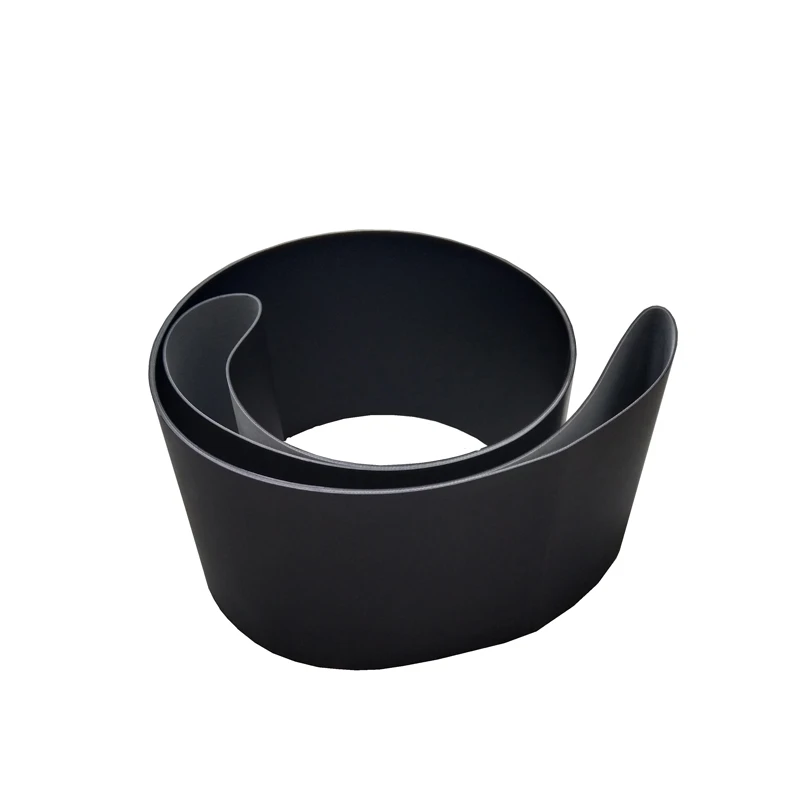
Simply put, a PU conveyor belt is a conveyor belt made predominantly from polyurethane (PU), a versatile synthetic polymer known for its durability, elasticity, and resistance to oils and chemicals. Unlike rubber belts, PU belts are often smoother, lighter, and easier to maintain.
Imagine the belt as a continuous loop of a material that’s both tough and flexible, designed to carry anything from delicate pastries to heavy machinery parts without causing damage or contaminating the cargo. They’re also resistant to extreme temperatures in many cases, which broadens their usage.
PU belts have become a cornerstone in sectors where “clean conveyor” isn’t just a buzzword but an operational mandate. Food industry standards (like those from the FDA and EU regulations) often require belts that won’t harbor bacteria, fat, or other residues—making PU ideal. It also explains why humanitarian applications, such as rapid assembly relief supply chains, can benefit from PU’s toughness and cleanability.
Key Features That Make PU Belts Stand Out
1. Durability and Abrasion Resistance
PU belts are engineered to resist tears, cuts, and abrasion much better than regular rubber. This means fewer downtimes for repairs, which any plant manager appreciates.
2. Chemical and Oil Resistance
In harsh environments where oils or solvents are common (think automotive parts, pharmaceuticals), PU's resistance prevents degradation, extending operational lifetime.
3. Food-Grade Safety
PU belts meet stringent hygiene standards, essential for food processors or packaging lines — their smooth surface limits bacteria buildup, and they can often withstand hot water cleaning cycles.
4. Flexibility and Scalability
They are lighter and more flexible, allowing conveyor systems to be configured around tight corners or inclines without excessive tension or belt damage.
5. Cost Efficiency Over Time
Though initial costs may be higher than some plastic or rubber belts, PU belts reduce long-term expenses through durability, less maintenance, and less energy usage due to lower friction.
Industrial and Global Applications: Where PU Belts Shine
- Food Processing: From slicing to packaging, PU belts help maintain product purity while handling wet or oily foods.
- Pharmaceuticals: Sterile environments demand conveyor belts that are chemical resistant and easy to sanitize.
- Electronics Manufacturing: PU belts minimize static buildup and abrasion when moving sensitive components.
- Automotive Assembly: In parts transportation, PU belts withstand oil and rougher surfaces.
- Logistics & Warehousing: Efficient movement of parcels benefits from smooth, durable belts that reduce product damage.
Interestingly, many humanitarian relief organizations are also exploring modular conveyor units with PU belts to efficiently handle supplies in remote post-disaster zones. This kind of resourcefulness speaks to PU belts’ growing versatility far beyond factory floors.
PU Conveyor Belt Specifications At a Glance
| Property | Typical Range / Value | Benefit |
|---|---|---|
| Material Thickness | 1.2 - 3.0 mm | Flexible yet strong enough for heavy loads |
| Tensile Strength | > 40 N/mm | Resists stretching under load |
| Abrasion Resistance | > 2 mm³ (DIN ISO 4649) | Ensures longer belt life |
| Operating Temp. Range | -20°C to 80°C | Suitable for harsh environments |
| FDA Compliance | Yes (food-grade types) | Allows safe food handling |
Vendor Comparison: PU Conveyor Belt Suppliers
| Vendor | Product Range | Customization Options | Typical Lead Time | Regional Focus |
|---|---|---|---|---|
| HG Conveyor Belt Co. | PU conveyor belt, rubber, modular | Thickness, hardness, color, FDA-approved variants | 2–3 weeks | Global |
| BeltX Solutions | PU and PVC belts | Limited customization; bulk orders favored | 4–6 weeks | Europe, North America |
| Global Belting Inc. | Wide range incl. PU with special coatings | High customization; small to large runs | 3–5 weeks | Asia, Middle East, Africa |
Why PU Conveyor Belts Are a Smart Investment Over Time
Anyone managing production floors will tell you: downtime costs money, and repairs cost even more. PU belts’ durability means fewer unexpected stops, and their low friction often reduces energy consumption of conveyor motors. So while the initial price tag can be a little intimidating, the total cost of ownership usually tips in favor of PU belts.
The social angle is no less important. Cleaner belts reduce contamination risks, make worker safety easier to maintain, and, frankly, help companies meet tighter regulations or even achieve certifications that open new markets. This kind of reliability breeds trust not just within companies but with clients and consumers too.
What’s Next? Innovations on the Conveyor Horizon
Looking ahead, PU conveyor belts are joining forces with digital tech. Smart conveyors with embedded sensors can monitor belt tension, wear, and temperature in real time, predicting failures before they happen. On the materials side, research is exploring bio-based polyurethanes to cut environmental footprints—a big deal in a world pushing sustainability goals.
Additionally, hybrid belts integrating PU layers with other compounds are under development to handle even heavier loads while remaining flexible.
Facing Challenges: What Could Go Wrong and How to Fix It
Of course, no technology is perfect. PU belts can degrade if exposed constantly to UV light or certain chemicals not accounted for in their formulation. Sourcing high-quality PU belts requires vetting suppliers carefully, especially when hygiene standards are involved. Installation errors or improper maintenance can also reduce lifespan.
Experts often recommend: regular cleaning with the right agents, scheduled inspections, and training operators on belt tensioning and alignment. Investing upfront in quality also saves headaches later.
FAQs About PU Conveyor Belts
- Q: How long does a typical PU conveyor belt last in a food processing plant?
- A: Depending on usage and maintenance, PU conveyor belts can last 5–7 years or more in food environments, thanks to their resistance to oils and chemicals. Regular cleaning and inspection help maximize lifespan.
- Q: Are PU conveyor belts recyclable or eco-friendly?
- A: While PU is a synthetic polymer, there is increasing interest in recycling and bio-based alternatives. Some manufacturers now offer belts with recyclable components or environmentally friendlier materials.
- Q: Can PU conveyor belts handle heavy industrial loads?
- A: Yes, especially when designed with reinforced fabrics or hybrid layers. However, it’s essential to choose specifications matching the load and environmental conditions.
- Q: How do I select the right thickness and hardness for my PU conveyor belt?
- A: That depends on the transported material, environmental factors, and conveyor speed. Vendors like HG Conveyor Belt often assist customers with custom recommendations.
Wrapping Up: Why PU Conveyor Belts Are Worth Considering Today
To sum it up, PU conveyor belts represent a smart blend of durability, hygiene, and adaptability—qualities few other belts match so well. Whether you run a bakery, an electronics assembly line, or a global logistics hub, their advantages often translate to real savings and smoother operations.
If you’re intrigued by how PU conveyor belts can transform your workflows or want to explore customized solutions, it’s worth reaching out to trusted suppliers. Start with some initial research at our partner's website for detailed specs, quotes, and expert advice.
After all, keeping things moving efficiently isn’t just about machinery—it’s about choosing the right components that work silently but brilliantly behind the scenes.