What Is a Gravity Conveyor Belt & Why Does It Matter Globally?
At first glance, a gravity conveyor belt might not sound like one of the world’s most exciting innovations. But dig a bit deeper, and you realize it’s pretty fundamental to everything from industrial logistics to humanitarian aid. These belts harness simple physical forces — mainly gravity — to move goods efficiently, reducing power requirements and complexity. For companies worldwide, that means saved costs and lower environmental impact. For relief agencies, it means quicker, more reliable supply movement in tough conditions. In short: understanding gravity conveyor belts helps us grasp a subtle but vital piece of how goods keep flowing globally.
Mini takeaway: Gravity conveyor belts blend simplicity and effectiveness, impacting industries on every continent.
Global Context: Why Gravity Conveyor Belts Remain Relevant
In an era where automation and high-tech solutions often steal the spotlight, the humble gravity conveyor belt holds its ground surprisingly well. According to the International Organization for Standardization (ISO), conveyor systems contribute to roughly 40% of all automated material handling worldwide — and gravity-driven models represent a significant fraction of those employed in warehouses, ports, and manufacturing plants.
With the global supply chain stretched thin — the World Bank estimates freight volume to triple by 2050 — sustainable, low-energy material movement solutions like gravity conveyor belts are critical. The problem? Many locations, especially in less developed regions or disaster zones, cannot rely on complex powered equipment daily. That’s where gravity conveyors step in, offering dependable, maintenance-friendly transport.
Mini takeaway: Gravity conveyor belts address sustainability and reliability challenges in complex global logistics.
Gravity Conveyor Belt: A Simple Yet Powerful Definition
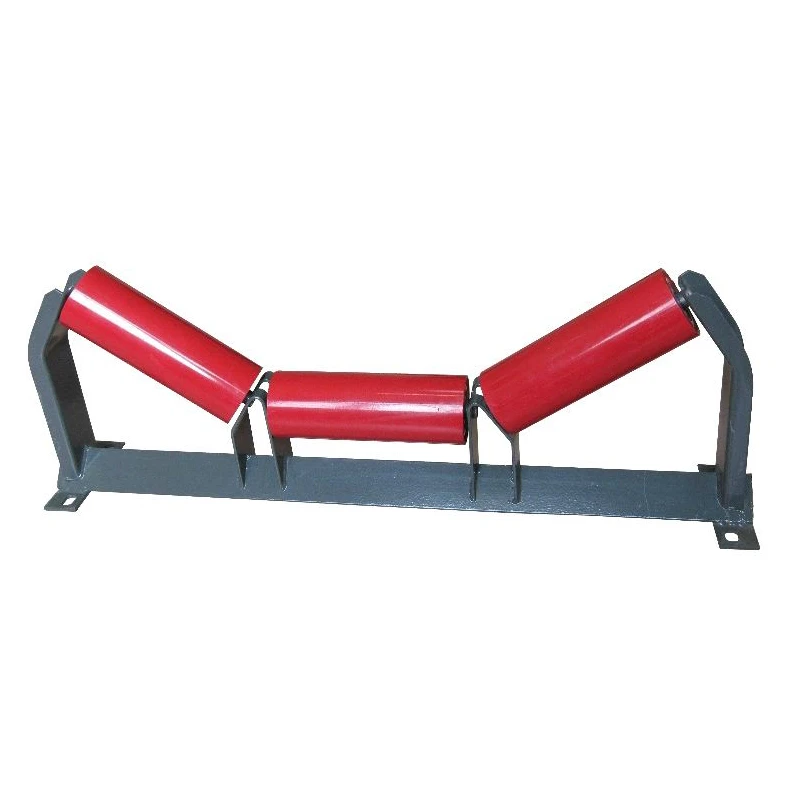
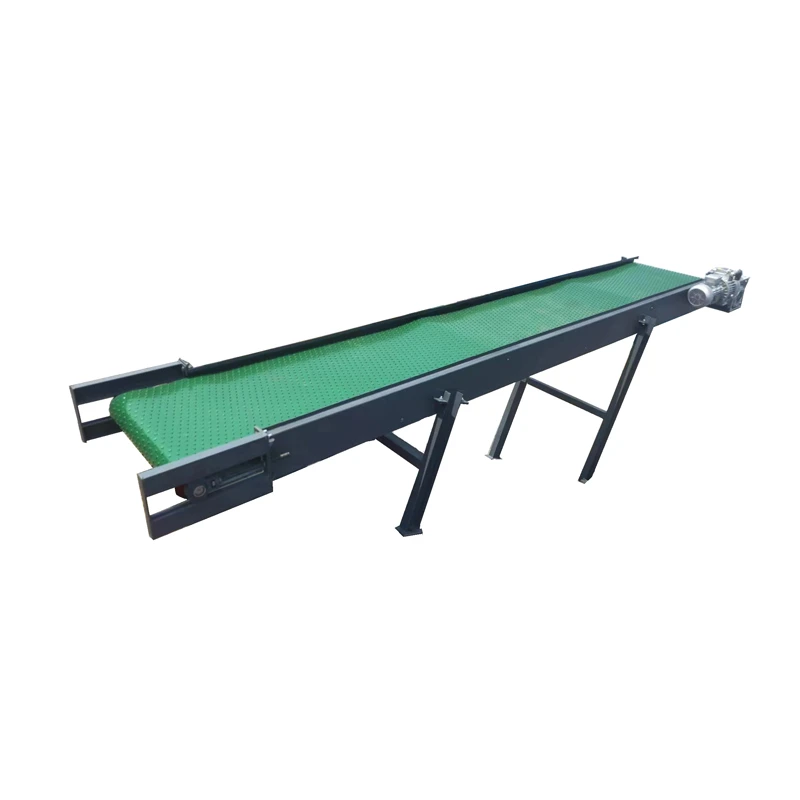
Simply put, a gravity conveyor belt is a conveyor system that moves items along a leveled or sloping surface, relying on gravity rather than motors or powered mechanisms. Usually, the belt itself or rollers support the items and allow them to glide downhill, making it cost-efficient and energy-saving.
In modern industry, this confers massive benefits — from streamlining production lines to facilitating safe material sorting. On the humanitarian side, having non-electric conveyors can mean the difference between timely aid delivery or missed windows of opportunity.
Mini takeaway: Gravity conveyor belts operate by leveraging natural forces, making them both eco-friendly and practical in diverse sectors.
Core Components and Key Factors That Define Effectiveness
1. Durability
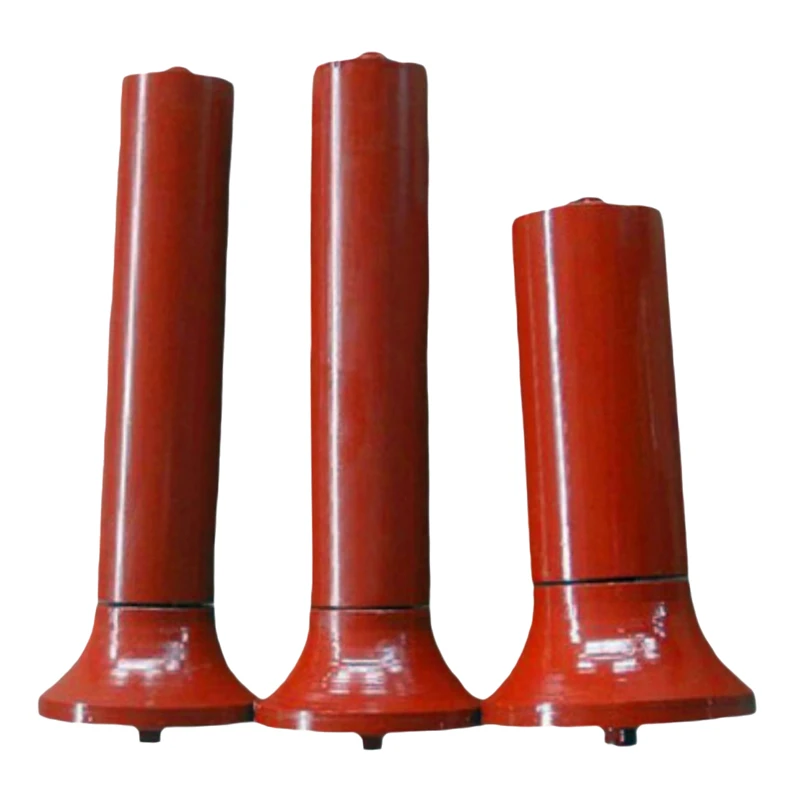
Gravity conveyor belts face constant mechanical stress, especially when hauling heavy packages or rough goods. Selecting materials like reinforced PVC or steel rollers ensures these systems last years without major breakdowns. Many engineers say this durability makes them the go-to choice for rugged environments.
2. Scalability
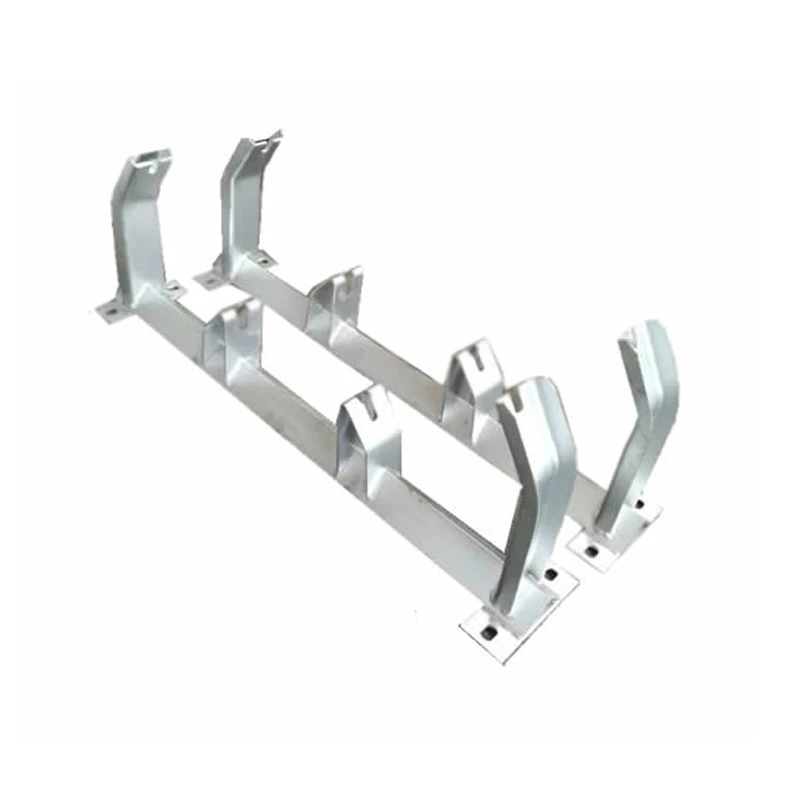
Because they lack motors, gravity conveyor belts can be scaled up by simply adding more rollers or longer belt sections. This modularity feels almost like “plug and play” to logistics planners. Whether you’re moving small parcels or bulky crates, these systems flex easily.
3. Cost Efficiency
Without electrical components, far fewer parts can fail or require maintenance. The upfront investment is usually low, and the operational energy cost — basically zero — is unbeatable. In tough economic climates or cost-sensitive projects, that’s a serious boon.
4. Safety Features
Surprisingly, gravity-driven systems can be safer than powered ones because they move slower and have fewer pinch points. Add guards or automatic stops, and you reduce workplace injuries, which means a smoother-running operation.
Mini takeaway: Durability, scalability, cost, and safety combine to make gravity conveyor belts practical in many challenging contexts.
Global Applications & Use Cases
From bustling ports in Rotterdam to remote mining outposts in Australia, gravity conveyor belts are everywhere. In the retail warehousing sector, companies like Amazon deploy them to optimize order fulfillment without spiking power consumption. In developing regions, local NGOs use them during post-disaster relief operations to mobilize supplies quickly on rough terrain where fuel or electricity is scarce.
Oddly enough, airports also lean on gravity conveyors for baggage handling, where reliable, low-maintenance equipment is a must for continuous operation. Regions with heavy manufacturing—such as Germany or Japan—employ these conveyors in assembly lines to balance energy usage and throughput.
Mini takeaway: Gravity conveyor belts have diverse, global deployments ranging from high-tech logistics hubs to emergency humanitarian staging areas.
Product Specification Table
| Feature | Typical Range | Notes |
|---|---|---|
| Belt Width | 300 mm to 1200 mm | Custom widths available |
| Roller Diameter | 50 mm to 100 mm | Heavy-duty for furniture, electronics |
| Load Capacity | 20 to 200 kg per meter | Depends on frame and roller specs |
| Slope Angle | 1° to 15° recommended | Too steep causes speed risks |
| Material | Steel, PVC, Aluminum | Chosen per industry needs |
Comparing Top Gravity Conveyor Belt Vendors
| Vendor | Global Reach | Customization | Sustainability Efforts | Typical Lead Time |
|---|---|---|---|---|
| HG Conveyor Solutions | Worldwide | High | ISO 14001 certified | 4–6 weeks |
| RollTek Industries | Europe, Asia | Medium | Recyclable components | 6–8 weeks |
| ConveyPro Ltd. | North America | High | Energy-efficient designs | 3–5 weeks |
Advantages of Gravity Conveyor Belts You Might Not Have Considered
- Operational Cost Savings: Minimal energy usage means slashed utility bills and fewer mechanical faults.
- Sustainability: By eliminating powered motors, the carbon footprint shrinks — a key factor in green certifications.
- Social Impact: Safer workplaces and easier maintenance equip businesses with reliable workflows and happier staff.
- Innovation Potential: Integration with gravity conveyor belt monitoring systems allows for smarter, adaptive logistics.
Emotionally, there’s something comforting about equipment that just “gets the job done” without drama. No loud motors, no power surges, just quietly moving your goods forward. Trust builds over decades with that kind of reliability.
Mini takeaway: The blend of logical cost benefits and emotional peace of mind makes gravity conveyor belts a solid choice long-term.
The Future of Gravity Conveyor Belts: Trends to Watch
What’s next? We’re seeing exciting advances in materials like carbon fiber rollers for super-lightweight yet strong components. Green energy integration is on the rise too — solar-powered tilt adjustments to optimize flow without grid dependence.
Automation and IoT connectivity will give gravity conveyors "smart" monitoring capabilities, predicting maintenance needs and dynamically controlling package speeds with brakes or variable slope adjustments. These innovations promise to keep gravity conveyor belts relevant even as robot-driven systems become more mainstream.
Mini takeaway: The future of gravity conveyor belts combines sustainability, smart tech, and adaptability for next-gen logistics.
Challenges and Practical Solutions
Still, gravity conveyor belts aren’t silver bullets. Common challenges include speed control, limited uphill capability, and potential jams. But experts suggest practical fixes: adjustable roller angles to regulate speed, modular powered assist sections, and advanced sensors to detect bottlenecks early.
Integrating these solutions while retaining the core energy efficiency feels like the “sweet spot” many operations are chasing.
Mini takeaway: Challenges exist, but smart innovation keeps gravity conveyors evolving efficiently.
FAQ: Frequently Asked Questions About Gravity Conveyor Belts
Q1: What industries benefit most from gravity conveyor belts?
A1: Industries like logistics, manufacturing, and distribution centers use gravity conveyor belts extensively because they reduce energy costs and maintenance. Humanitarian agencies also rely on them in infrastructure-poor regions due to their simplicity.
Q2: How steep can a gravity conveyor belt be without risking package damage?
A2: Generally, slopes between 1° and 15° are recommended. Steeper angles can cause excessive speed, increasing package damage or safety issues. Adjustable brakes or controlled slope sections help manage this risk.
Q3: Can gravity conveyor belts be customized for unique package sizes?
A3: Absolutely. Their modular design means rollers, belt widths, and frame lengths can be tailored to specific cargo dimensions and weights.
Q4: How does the sustainability of gravity conveyor belts compare with powered conveyors?
A4: Gravity conveyors have a markedly lower carbon footprint, as they do not require electrical power for movement, reducing operational energy usage and maintenance-related waste.
Q5: What maintenance is typically needed?
A5: Mostly periodic checks of rollers and frame integrity, cleaning debris, and lubrication. Maintenance is generally simpler and less frequent than powered systems.
Conclusion: Why Gravity Conveyor Belts Worth the Investment
Over time, the value of gravity conveyor belts becomes pretty clear. They combine cost savings, sustainability, and quiet reliability in a package that serves industries worldwide—from bustling warehouses to emergency relief zones. With innovation nudging them into smarter, greener gear, they’re anything but old-fashioned.
Curious to see how a gravity conveyor belt can transform your operation? Visit https://www.hgconveyorbelt.com to explore expert solutions tailored for your needs.
Brief reflection: It’s funny how often the simplest technologies unlock the greatest efficiencies, standing the test of time amid swirling complexity.