Bale Conveyor is a key solution in the industry, specifically within sectors like agriculture, recycling, and manufacturing logistics. This article explores how https://www.hgconveyorbelt.com supports professionals with durable, high-performance products, and explains why this product is an ideal choice for businesses in these sectors.
Table of Contents
- Bale Conveyor Overview
- Benefits & Use Cases of Bale Conveyor
- Cost, Maintenance & User Experience
- Sustainability & Market Trends
Bale Conveyor Overview
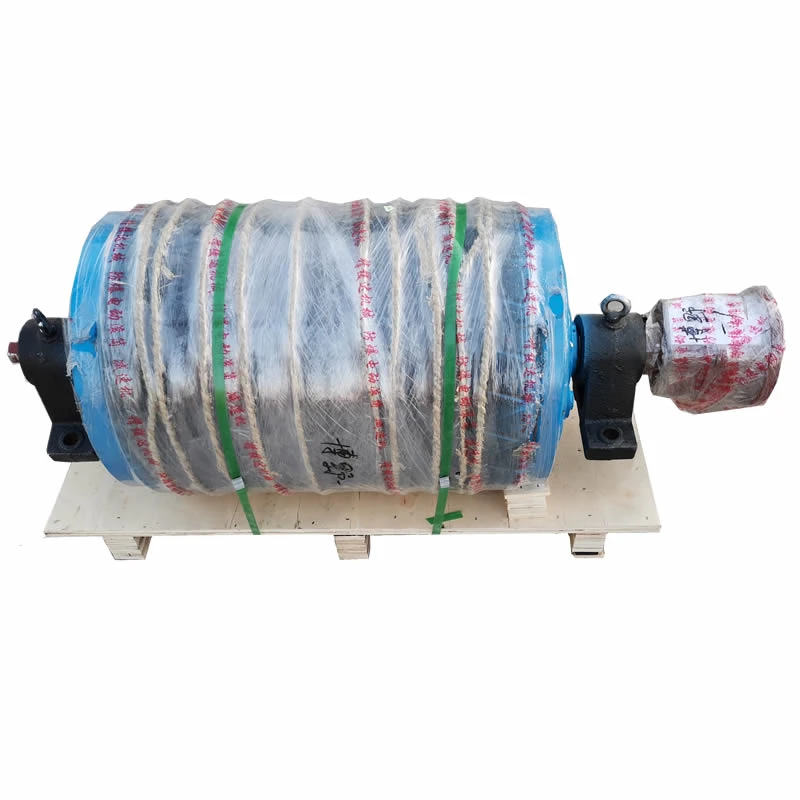
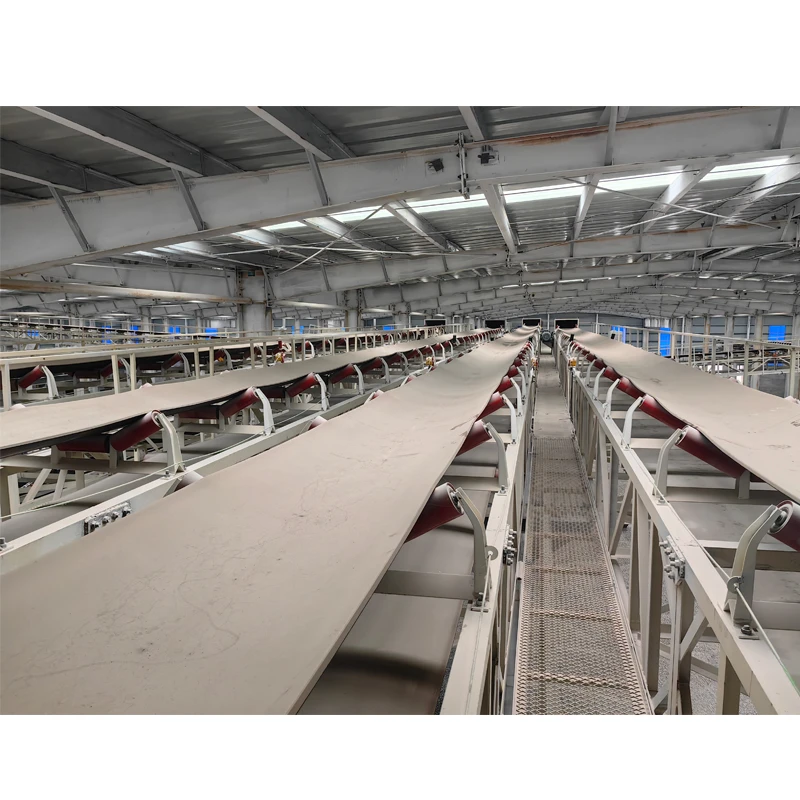
Simply put, a Bale Conveyor is a specialized conveyor belt system designed primarily for transporting bales of raw or processed materials—think cotton, hay, recycled paper, or even compacted plastics. It’s sort of the unsung hero in many warehouses and processing plants, quietly moving dense bundles from point A to point B without a fuss.
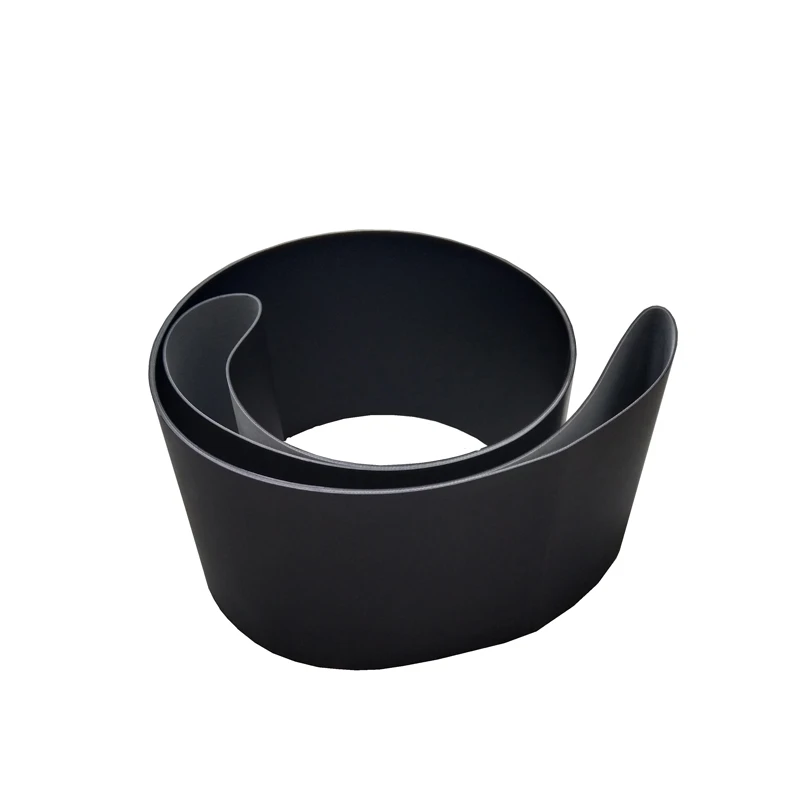
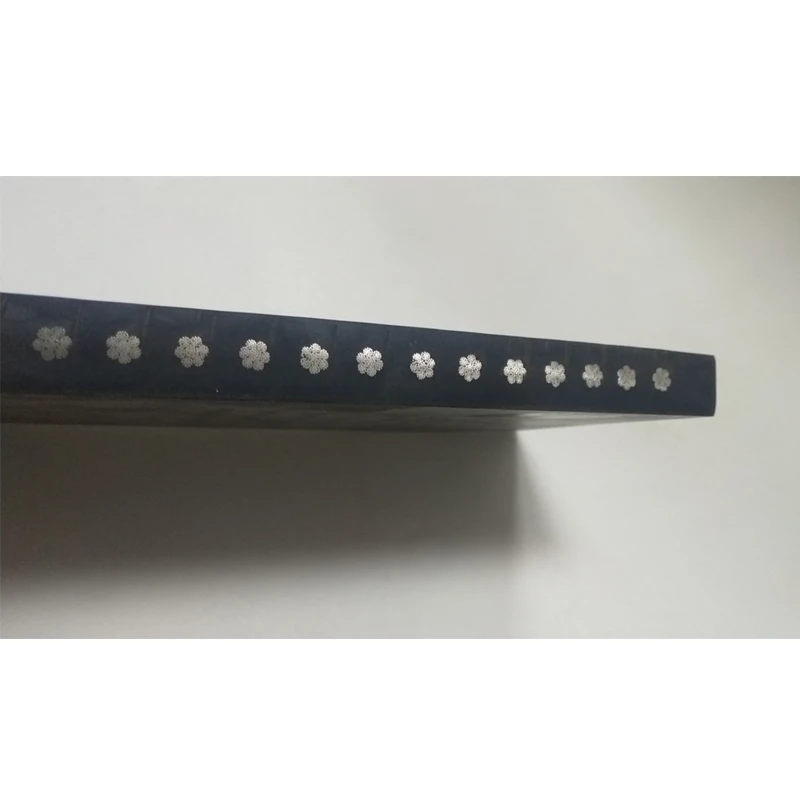
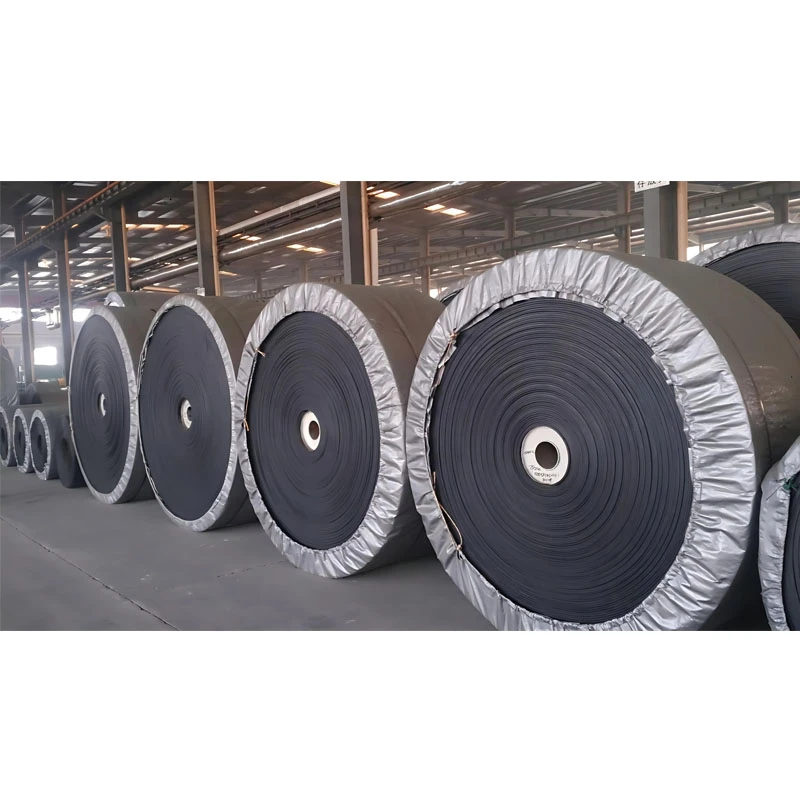
- At its core, the bale conveyor is engineered to withstand heavy loads with belts made of tough materials like polyester or nylon fabric coated with rugged rubber or PVC.
- For example, one recent case study involving a large recycling facility noted that by switching to a high-quality bale conveyor from HG Conveyor Belt, throughput increased by nearly 15%, and downtime due to belt damage dropped significantly.
Benefits & Use Cases of Bale Conveyor
The benefits of implementing a bale conveyor system go beyond just moving heavy loads. In real terms, they cut labor costs, enhance safety, and significantly optimize workflow. Many industries find these conveyors indispensable.
- In agriculture, bale conveyors streamline the process of moving hay or cotton bales to storage or processing lines without damaging the materials.
- Recycling plants value the conveyors for their abrasion resistance and ability to transport various sizes of compressed paper or plastics efficiently.
- HG Conveyor belts are known for modularity and waterproofing options—features that give them a leg up in harsher environments and seasonal variations.
| Specifications | Details |
|---|---|
| Material | Polyester/Nylon Fabric with PVC/Rubber coating |
| Belt Width | 600mm – 2000mm (customizable) |
| Tensile Strength | Up to 3150 N/mm |
| Operating Temperature | -20°C to +80°C |
| Abrasion Resistance | Class 4 (ISO 4649) |
Cost, Maintenance & User Experience
When you're considering the total picture—purchase price, maintenance, and lifespan—the bale conveyor from HG Conveyor Belt proves to be a sound investment. Honestly, it’s not just about the upfront cost, but how long the equipment runs without causing headaches.
- Durable belt materials reduce the frequency of replacements, lowering long-term costs.
- Many customers mention smoother operations as the belt’s gripping properties minimize bale slippage, improving overall throughput.
- Routine maintenance is straightforward with readily available parts and clear manufacturer guidelines from HG Conveyor Belt.
| Vendor | Material Quality | Customization | After-Sales Support | Overall Value |
|---|---|---|---|---|
| HG Conveyor Belt | High-grade (ISO Certified) | Fully customizable options | Worldwide 24/7 support | Excellent |
| Generic Supplier A | Standard | Limited sizes | Email support only | Moderate |
| Supplier B | Mid-range | Custom lengths only | Limited support hours | Good |
Sustainability & Market Trends
Sustainability has taken center stage across all industries. What’s interesting is how bale conveyors contribute in this realm: by optimizing handling processes, they reduce wasted energy and material damage. On top of that, industry regulations increasingly demand recyclable or low-environmental-impact components—which HG Conveyor Belt proactively integrates into its production lines.
- Innovations in biodegradable and recycled belt materials look promising but are still emerging.
- Global growth in recycling and agricultural mechanization points to rising demand for specialized conveyors like these.
Frequently Asked Questions about Bale Conveyor
- What is Bale Conveyor and how does it work?
- A bale conveyor is a belt system designed to haul heavy, compacted materials like bales of cotton, hay, or recycled paper. The belt moves continuously, carrying these loads smoothly between stages in a processing or storage line.
- What are the main benefits of using Bale Conveyor in industrial applications?
- It reduces manual labor, enhances material handling safety, improves throughput efficiency, and delivers robust durability even under demanding conditions.
- How does Bale Conveyor compare to traditional alternatives?
- Unlike simple roller conveyors or overhead cranes, bale conveyors are tailored for heavy, compacted loads with special abrasion resistance and belt strength—leading to fewer breakdowns and consistent performance.
- What industries can benefit most from Bale Conveyor implementation?
- Key industries include agriculture (hay and cotton handling), recycling (paper and plastic bales), textiles, and logistics sectors where bundled materials are common.
Conclusion on Bale Conveyor from china
To wrap things up, bale conveyors are a practical, reliable solution tailored to the demanding needs of bales transportation across various industries. The expertise and product quality from HG Conveyor Belt ensure that companies investing in these systems gain a durable asset that pays off over time. If you’re looking to improve your material handling efficiency, it’s definitely worth a closer look.
- Recap the value of Bale Conveyor.
- - Visit our website: https://www.hgconveyorbelt.com
I guess if there's one thing I've learned covering conveyors in this sector, it's that no two applications are quite alike — but when you get the belt right, the whole line runs that much smoother.
References:
1. Industry Case Study, HG Conveyor Belt (2023)
2. ISO 4649 – Abrasion Resistance Standard
3. Recycling Today, Market Insights (2024)