Tilting Conveyor is a key solution in the industry, specifically within manufacturing, logistics, and packaging sectors. This article explores how https://www.hgconveyorbelt.com supports professionals with durable, high-performance products, and explains why this product is an ideal choice for businesses in these sectors.
Table of Contents
- Tilting Conveyor Overview
- Benefits & Use Cases of Tilting Conveyor
- Cost, Maintenance & User Experience
- Sustainability & Market Trends
Tilting Conveyor Overview
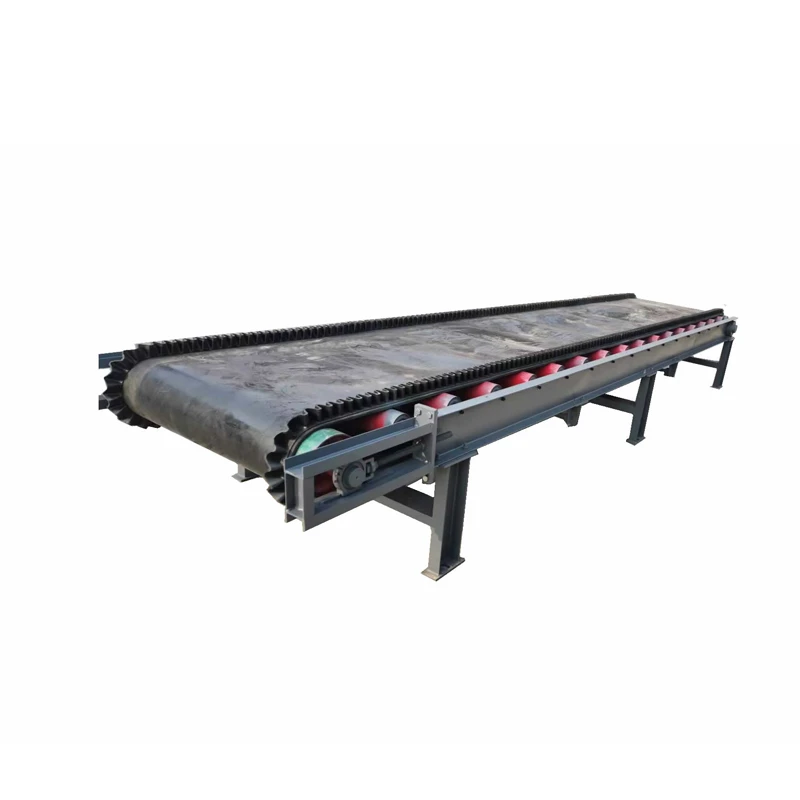
If you’re not familiar, a tilting conveyor is a specialized type of conveyor system designed to change the angle of the conveying surface—basically, it can tilt to move goods vertically or at steep angles. This functionality is vital in industries where space is tight or where products need to be transferred between different levels. In real terms, it feels like a logistics magician’s tool.
Technically, these conveyors incorporate sturdy pivots and motors that allow smooth, controlled tilting motions. For example, the units from HG Conveyorbelt boast customizable tilt angles generally from 0° up to 90°, with belt widths that range broadly to suit varied material sizes. They’re often engineered with corrosion-resistant steel frames and high-friction belts to ensure steady product movement even at steep inclines.
| Specification | Typical Range | HG Conveyorbelt Model Features |
|---|---|---|
| Belt Width | 300 - 1500 mm | Customizable widths up to 1500 mm |
| Tilt Angle | 0° - 90° | Hydraulic/electric control for smooth angle adjustment |
| Material of Frame | Stainless steel or painted steel | Premium-grade steel with anti-corrosion treatment |
| Max Load Capacity | Up to 500 kg/meter | Heavy-duty rollers and reinforced belts |
Benefits & Use Cases of Tilting Conveyor
Frankly, the benefits of tilting conveyors go beyond just saving floor space—though that alone often wins the case. They transform how materials flow, especially in warehousing and packaging environments, allowing seamless transition of goods between processing lines or onto different transport levels without manual lifting. And, oddly enough, this efficiency gain translates directly to fewer worker injuries.
Industries like food processing, beverage bottling, and even automotive parts assembly rely on these conveyors heavily. A neat little example I came across involved a dairy packaging plant where the tilt conveyor handled heavy milk cartons from the packing line up to palletizers with zero hiccups—thanks in part to HG Conveyorbelt’s smooth angle control and anti-slip surface.
Features such as quick-adjust tilt settings, modular design for easy maintenance, and robust build quality give them a competitive advantage over simpler inclined conveyors. Plus, the option for integrated sensors and automation support means these conveyors can slot nicely into smart factories.
Cost, Maintenance & User Experience
It’s reasonable to wonder about the total cost of ownership here because tilting conveyors can look complex at first glance. Generally speaking, these systems from HG Conveyorbelt strike a balance between upfront investment and long-term reliability. Their use of durable materials and easy-to-access components lowers downtime, which many managers say - matters a lot in competitive industries.
From what I gathered by chatting with some B2B clients, users appreciate how minimal regular maintenance is. Belt replacements happen every few years depending on load frequency, but the built-in diagnostics on the latest models make spotting issues early a breeze. Essentially, the ROI comes not just from moving goods faster, but reducing costly interruptions.
Vendor Comparison Table
| Vendor | Tilt Range | Material Quality | Warranty | Price Level |
|---|---|---|---|---|
| HG Conveyorbelt | 0° - 90° | High-grade stainless steel | 2 years | Mid-range |
| Competitor A | 0° - 75° | Painted steel | 1 year | Lower-end |
| Competitor B | 0° - 85° | Stainless steel | 1.5 years | Higher-end |
Sustainability & Market Trends
When you zoom out and look at the big picture, the rise of tilting conveyors dovetails nicely with growing sustainability concerns in manufacturing and logistics. Efficient material handling means less energy waste, fewer damaged goods, and more streamlined supply chains. Plus, companies like HG Conveyorbelt are increasingly incorporating recycled materials and energy-efficient motors into their designs, which is promising.
It’s also worth noting that regulatory bodies globally are tightening standards on workplace safety and environmental impact. These conveyors, by reducing manual handling and optimizing energy use, help businesses stay compliant — and frankly, that’s becoming non-negotiable in competitive sectors. Oddly enough, this push is accelerating innovations that weren’t on anyone’s radar a few years ago.
Industry growth projections reflect this trend, with analysts expecting conveyor system demand to grow steadily, especially in emerging markets. For B2B decision-makers, adopting advanced systems like tilting conveyors early means not only operational gains but also a future-proof stance against evolving standards.
Frequently Asked Questions about Tilting Conveyor
- What is Tilting Conveyor and how does it work?
- A tilting conveyor is a conveyor system engineered to adjust its surface angle, moving products up or down efficiently within a facility. It works using motors and pivot points that smoothly raise or lower the conveyor belt while continuing to transport goods.
- What are the main benefits of using Tilting Conveyor in industrial applications?
- Key benefits include space-saving vertical transport, improved worker safety, and enhanced product flow. These conveyors adapt quickly to varying operational needs and reduce manual labor, which often cuts costs in the long run.
- How does Tilting Conveyor compare to traditional alternatives?
- Unlike fixed conveyors, tilting conveyors offer flexibility in adjusting angles, supporting dynamic layouts and reducing footprint. They also integrate better with automation systems, enhancing productivity.
- What industries can benefit most from Tilting Conveyor implementation?
- Industries such as food and beverage, pharmaceuticals, packaging, and warehousing gain the most due to the need for variable-angle material handling and efficient vertical conveying.
Conclusion on Tilting Conveyor from china
In sum, the tilting conveyor offers an excellent balance of technical sophistication, cost efficiency, and sustainability. Companies investing in these conveyors not only streamline their operations but also support safer and greener industrial processes. For anyone making decisions in logistics or manufacturing, it feels like a smart, future-ready pick.
- Recap the value of Tilting Conveyor.
- - Visit our website: https://www.hgconveyorbelt.com
Reflecting on the evolving needs of industrial handling, tilting conveyors bridge the gap between traditional systems and tomorrow’s automation-driven factories. They’re not merely equipment — they’re part of a smarter workflow.
References:
1. Industry reports on conveyor systems (2023)
2. HG Conveyorbelt official technical documentation
3. Interviews with warehouse managers and engineers