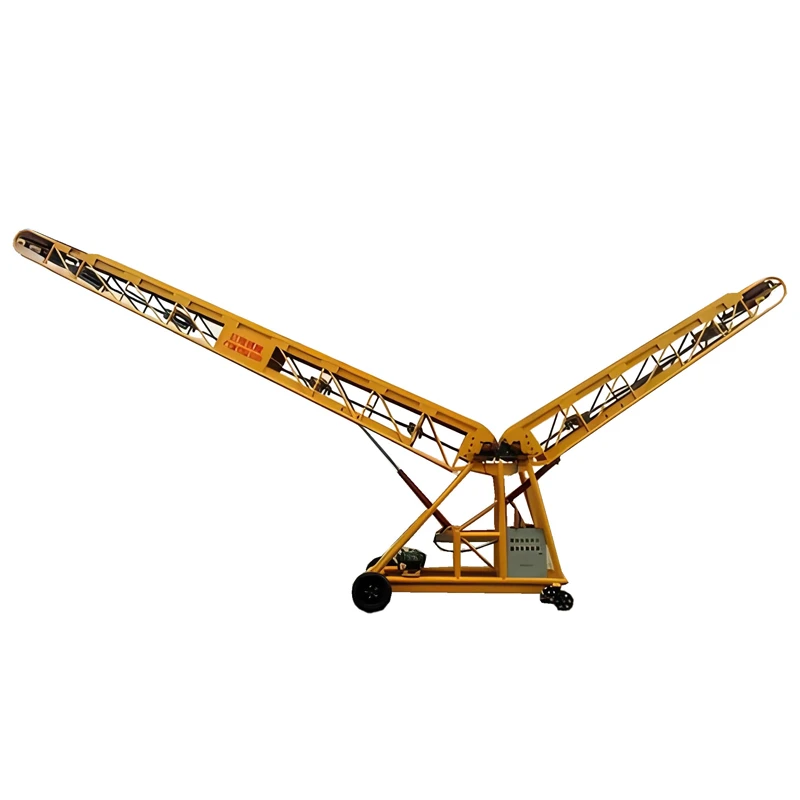
Industry Trends and the Critical Role of Material Handling
The global material handling equipment market is undergoing significant transformation, driven by increasing automation, e-commerce growth, and the demand for enhanced operational efficiency across various industrial sectors. Within this dynamic landscape, the precise and safe conveyance of goods is paramount. Critical components like tapered conveyor rollers are instrumental in achieving these objectives, particularly in applications requiring directional change, accumulation, or sorting of packages and pallets. Industry forecasts project a sustained growth in conveyor system demand, emphasizing robust, reliable, and energy-efficient solutions.
Emerging trends point towards intelligent conveyor systems integrated with IoT for predictive maintenance, alongside a persistent focus on sustainable manufacturing practices. This necessitates rollers that not only perform under rigorous conditions but also contribute to lower energy consumption and reduced material waste. As supply chains become more complex, the versatility and durability of advanced conveyor components are more critical than ever.
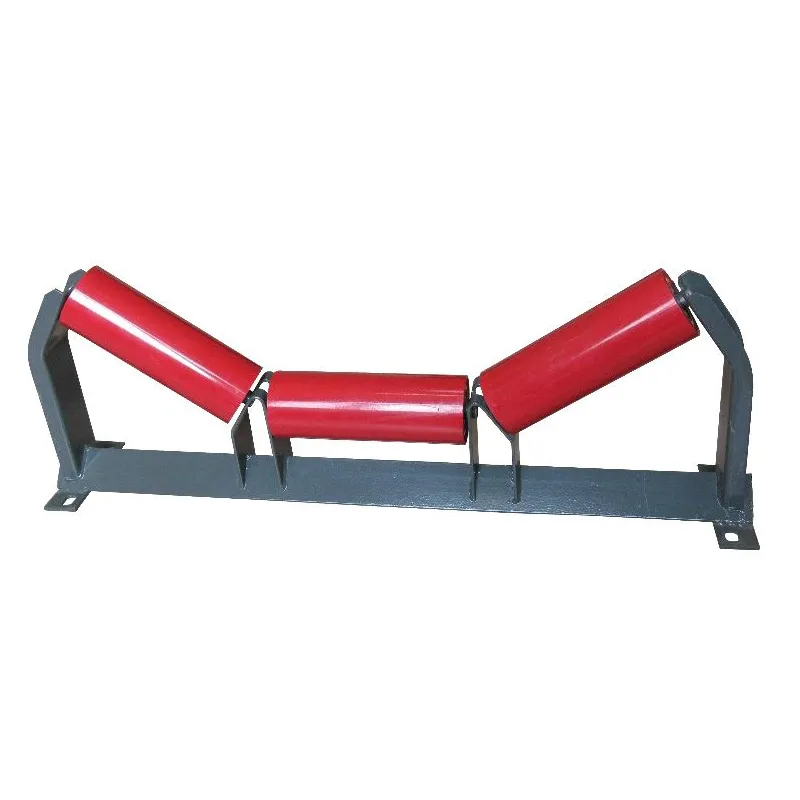
The Precision Engineering of Tapered Conveyor Rollers: Manufacturing Process
The manufacturing of tapered conveyor rollers is a multi-stage process demanding high precision and adherence to stringent quality controls to ensure optimal performance and longevity. These rollers are engineered to facilitate the smooth turning of conveyed items around curves, preventing product damage and ensuring continuous flow. Below is a detailed breakdown of the typical process flow:
1. Material Selection and Preparation
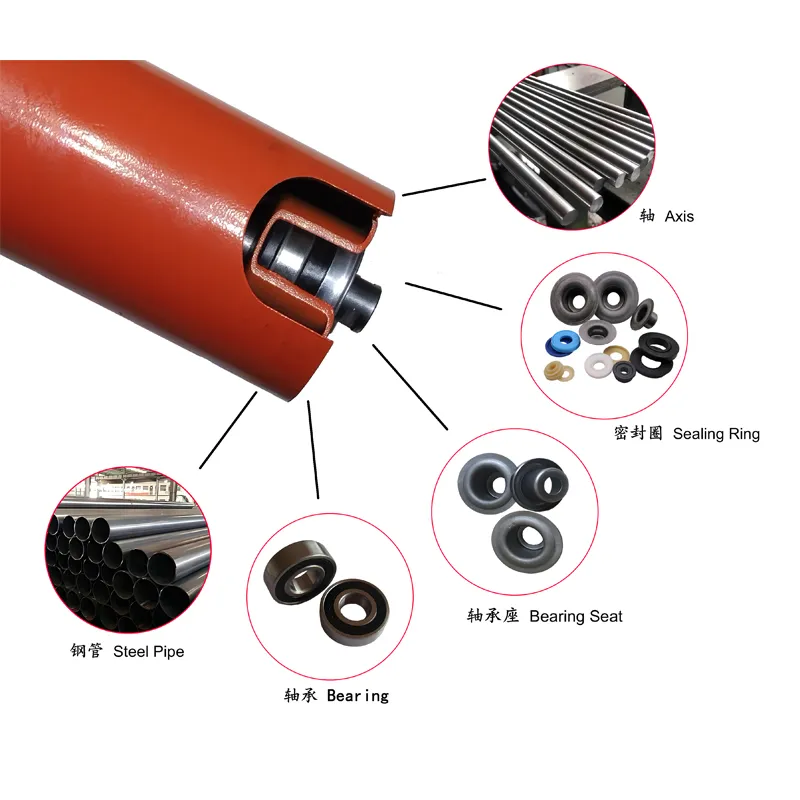
The choice of material is critical for the roller's intended application. For heavy-duty applications, steel conveyor rollers, often high-grade carbon steel (e.g., ASTM A513) or stainless steel (e.g., AISI 304, 316 for corrosive environments), are selected. For lighter loads or noise reduction, materials like PVC or UHMW-PE over a steel core might be used. Raw material stock is inspected for dimensional accuracy and metallurgical integrity.
2. Core Shaft Machining
Precision CNC machining is employed to cut and shape the core shaft. This includes operations like turning, milling, and drilling to accommodate bearings, sprockets, or specific mounting configurations. Tolerances are typically held to ISO 2768-mK for general engineering, ensuring perfect alignment and rotation.
3. Tapered Shell Formation
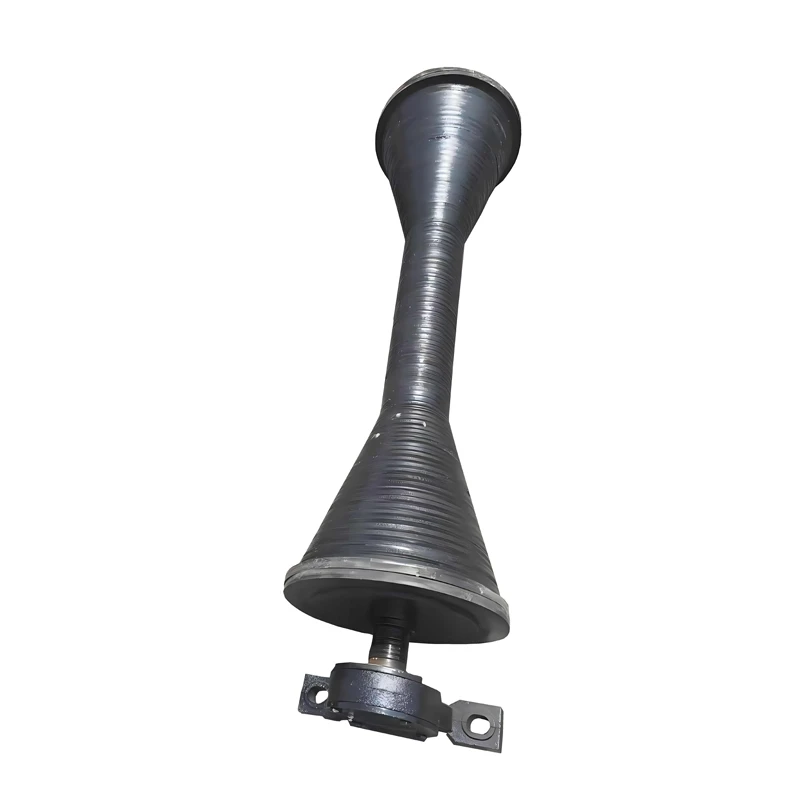
- Tube Cutting and Forming: Steel tubes are cut to length. The tapering effect can be achieved through various methods. For complex, robust designs, individual tapered segments (cones) are precision-machined from solid stock or formed from sheet metal. For lighter duties, a continuous tube can be thermally or mechanically formed to a slight taper.
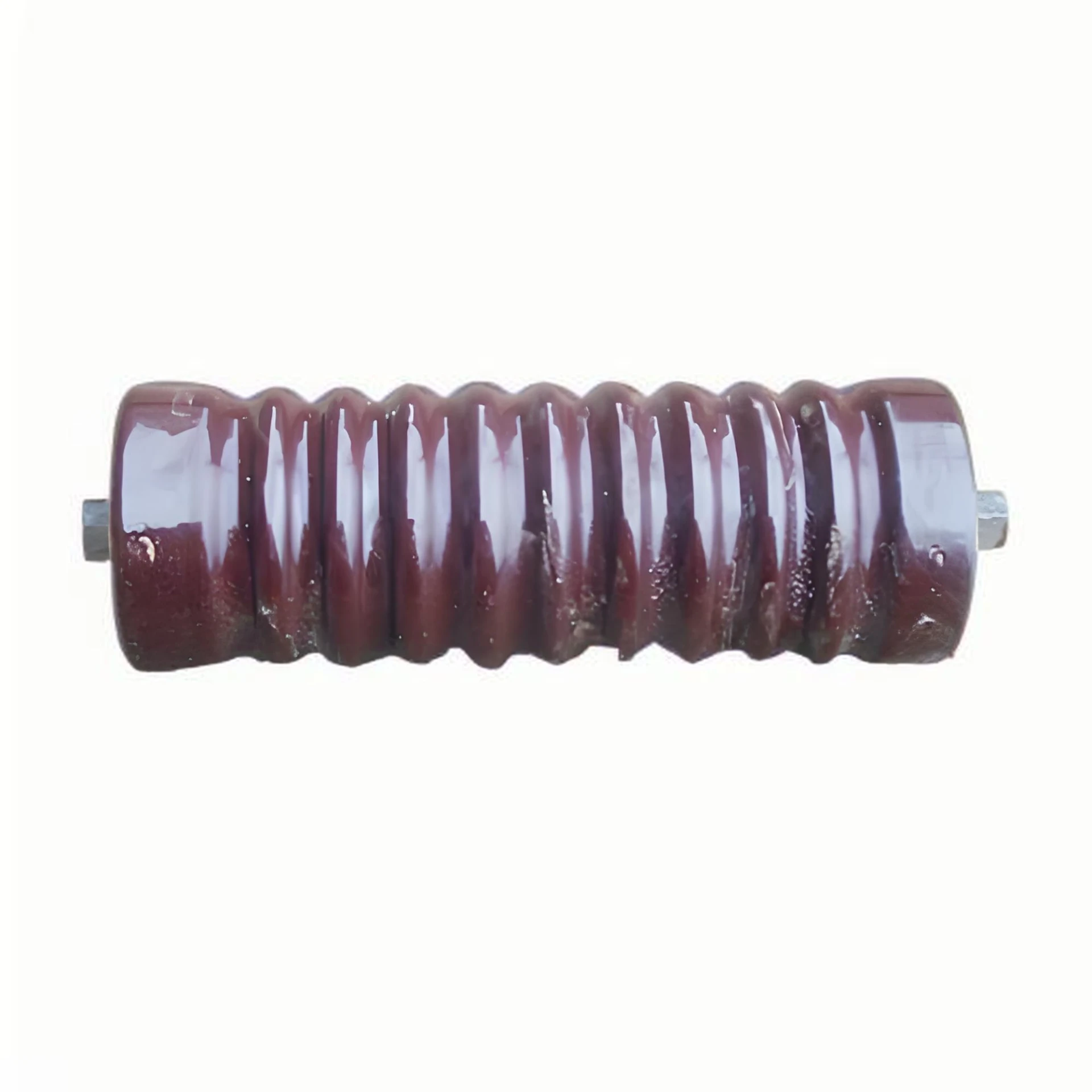
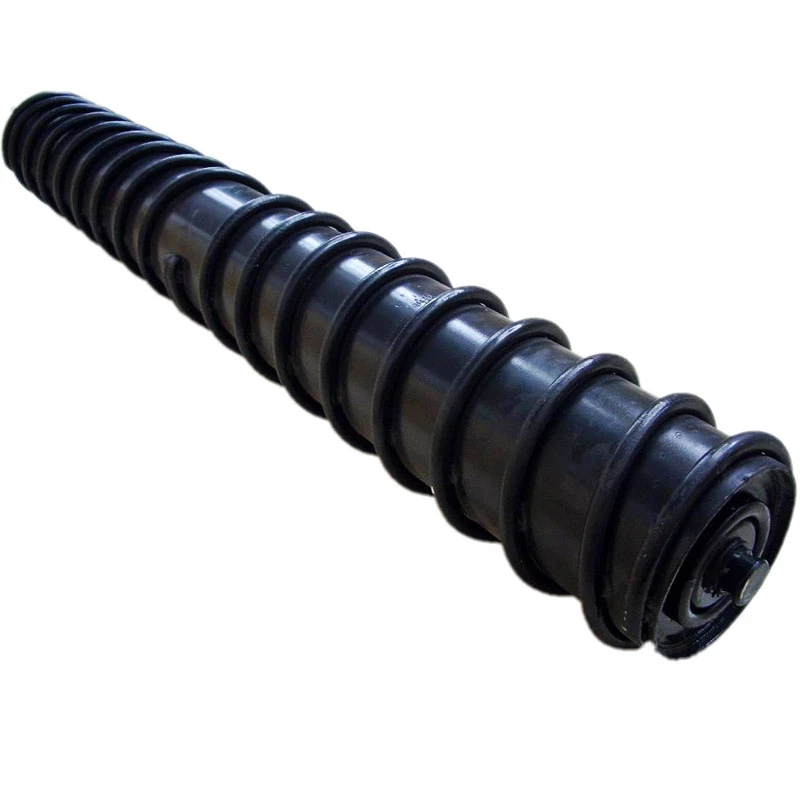
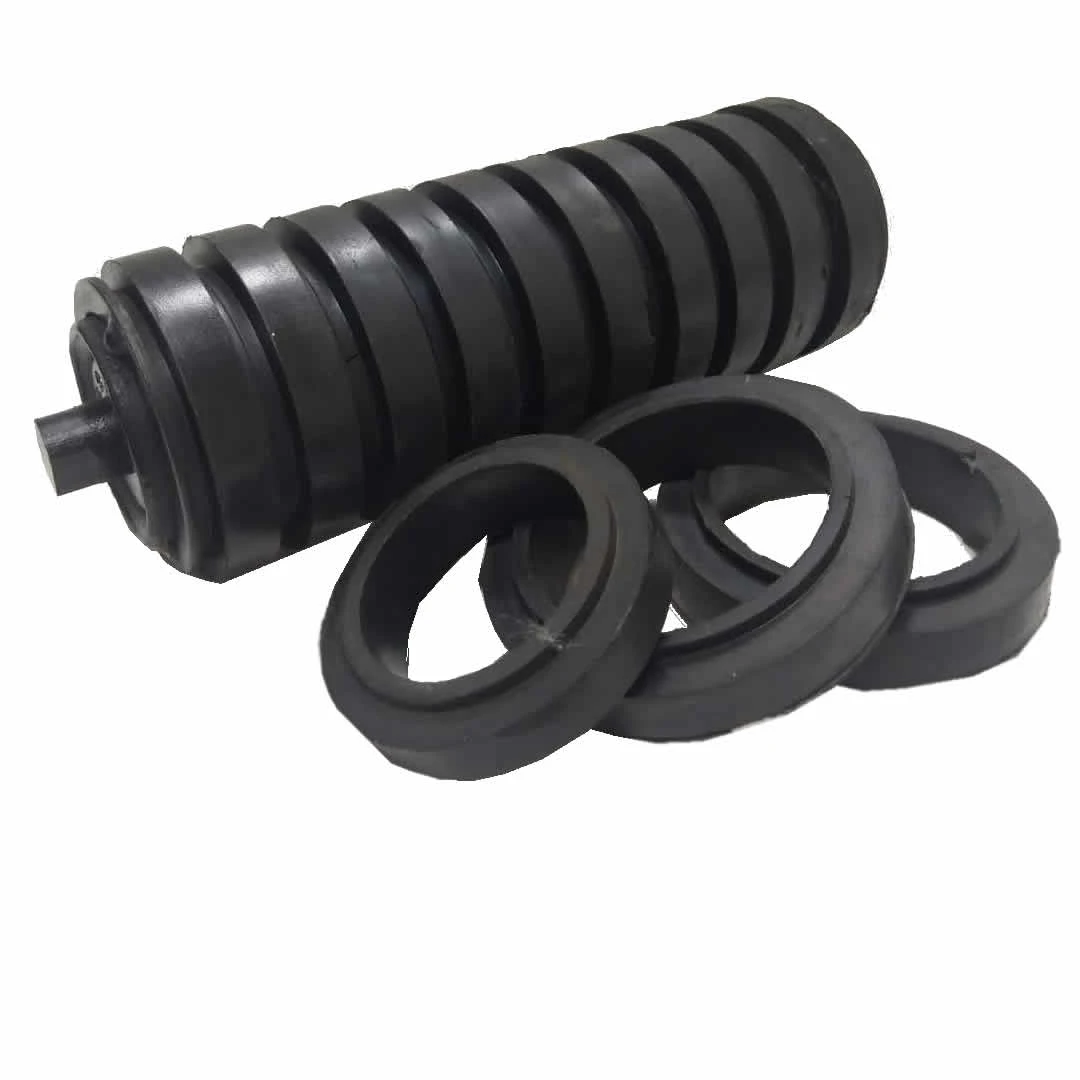
- Segmented Assembly (for greater taper): In many heavy-duty tapered conveyor rollers, a series of individual tapered sleeves or rings (often injection-molded polymers or machined steel) are assembled onto a straight cylindrical roller or a specifically designed tapered core. This modular approach allows for customization of the taper angle and easier replacement.
- Welding/Bonding: If segmented steel cones are used, they are precisely welded to the central tube, often using robotic welding for consistency and minimal distortion. For polymer sleeves, a secure interference fit or adhesive bonding is applied.
4. Bearing and Housing Integration
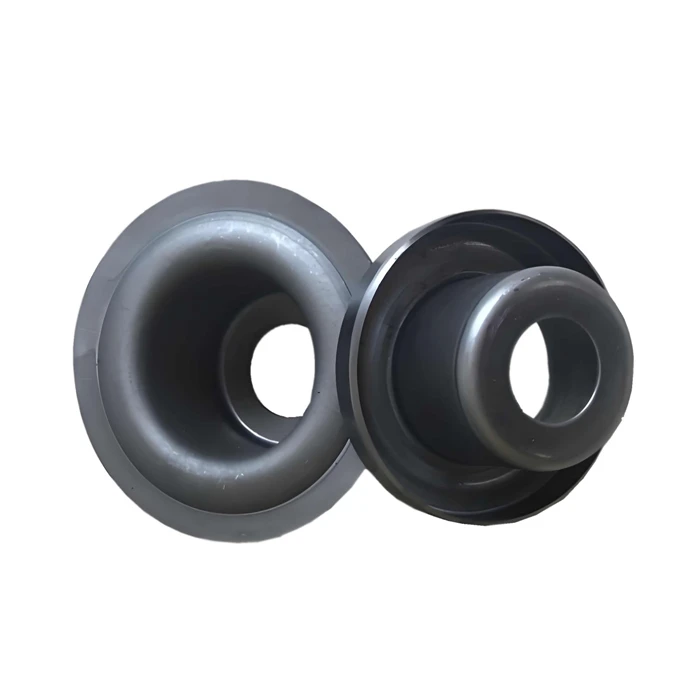
High-quality bearings (e.g., deep groove ball bearings, precision sealed bearings) are pressed into the roller ends. The choice of bearing dictates load capacity and rotational smoothness. Bearing housings and seals are then fitted to protect against dust, moisture, and other contaminants, adhering to standards like ANSI/ABMA Std 9 for ball bearings.
5. Surface Treatment and Finishing
For steel conveyor rollers, various surface treatments enhance durability and corrosion resistance. These include:
- Galvanization: Hot-dip or electro-galvanization provides a protective zinc coating.
- Powder Coating: Offers excellent resistance to abrasion, chemicals, and impact, available in various colors for identification or aesthetic purposes.
- Chrome Plating: Enhances hardness, wear resistance, and corrosion protection.
- Rubber Lagging: Applied to the tapered surface to increase grip, reduce noise, and protect delicate items.
6. Quality Control and Testing
Each roller conveyor rollers unit undergoes rigorous testing to ensure it meets performance specifications. This includes:
- Dimensional Accuracy: Verification of overall length, diameter, taper angle, and shaft dimensions using calibrated instruments.
- Run-out Testing: Measuring concentricity and radial run-out to ensure smooth operation and minimal vibration (typically within 0.5 mm).
- Rotational Resistance: Assessing the ease of rotation and bearing friction.
- Load Capacity Testing: Simulating operational loads to verify structural integrity.
- Material Hardness Testing: Especially for steel components, using Brinell or Rockwell scales.
All testing adheres to international standards such as ISO 9001 for quality management and often industry-specific norms like CEMA (Conveyor Equipment Manufacturers Association) standards for roller performance and safety.
7. Advantages in Typical Application Scenarios
For target industries such as petrochemicals, metallurgy, and water supply & drainage, the advantages are significant:
- Energy Saving: Precision-engineered bearings and low-friction materials reduce the power required to move goods, leading to substantial energy savings over the operational life, often reducing energy consumption by 15-20% compared to poorly maintained or inferior rollers.
- Corrosion Resistance: Stainless steel or specialized coatings ensure durability in harsh, chemical-laden, or high-humidity environments typical of petrochemical plants and water treatment facilities, extending service life up to 10-15 years.
- Enhanced Safety: Smooth transitions and controlled item flow minimize the risk of product spillage or jamming, a critical factor in heavy industries.
- Reduced Maintenance: Robust construction and sealed bearings mean less downtime and lower maintenance costs, crucial for continuous operations in metallurgy.
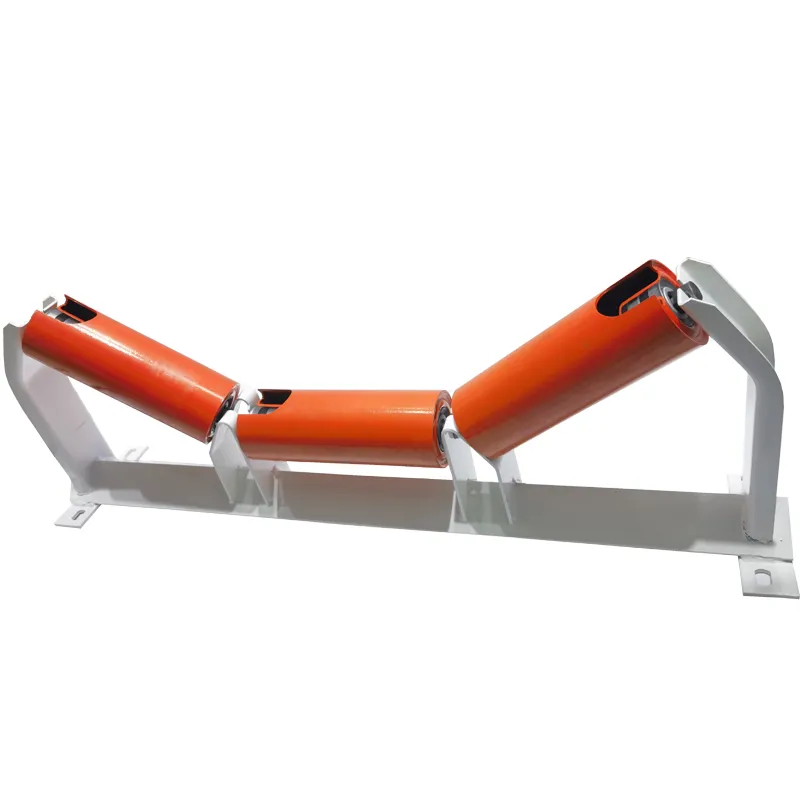
Technical Specifications and Parameters of Tapered Conveyor Rollers
Understanding the technical specifications of tapered conveyor rollers is essential for proper system design and optimal performance. These parameters dictate load capacity, operational speed, and suitability for specific environments. Here’s a summary of key technical data:
Standard Tapered Roller Specifications
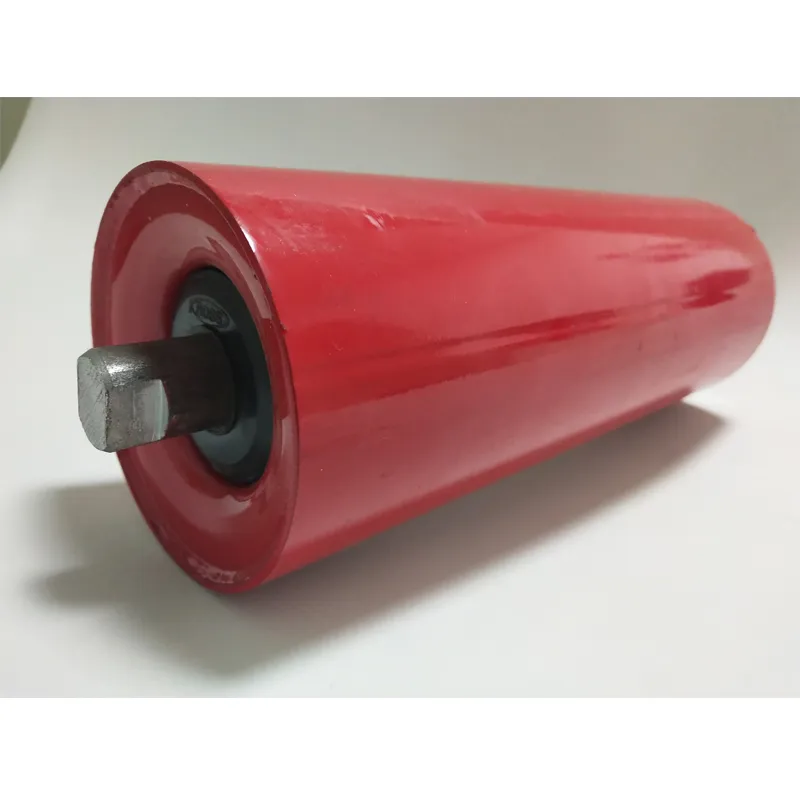
Application Scenarios for Tapered Conveyor Rollers
Tapered conveyor rollers are indispensable in material handling systems where products need to navigate curves or accumulate without damage. Their unique design ensures that items remain centered and aligned, especially crucial for delicate or irregularly shaped goods. Typical application environments include:
- Distribution Centers & Warehousing: Essential for sortation systems, merging lines, and accumulation conveyors. Tapered rollers allow packages of varying sizes to smoothly transition through curved sections, maintaining orientation and preventing jams.
- Food & Beverage Processing: Stainless steel tapered conveyor rollers are utilized in wash-down environments, handling container111s, trays, and packaged goods through curved paths while meeting strict hygiene standards. Their corrosion resistance is key here.
- Automotive Industry: Used in assembly lines for conveying car parts, engines, or chassis around bends. The precision tracking provided by tapered rollers prevents components from shifting, ensuring worker safety and product integrity.
- Airport Baggage Handling: Critical for guiding luggage bags smoothly around corners, especially in high-speed systems, preventing bag pile-ups and ensuring efficient baggage flow.
- Manufacturing & Assembly Lines: Conveying components, sub-assemblies, and finished products through complex layouts where space optimization requires curved sections. They are often paired with motorized options for controlled movement.
- Heavy Industry (e.g., Metallurgy): Robust steel conveyor rollers, often with heavy-duty bearings, are used for guiding metal sheets, castings, or ingots through production stages that involve directional changes, with a focus on durability under extreme loads and temperatures.
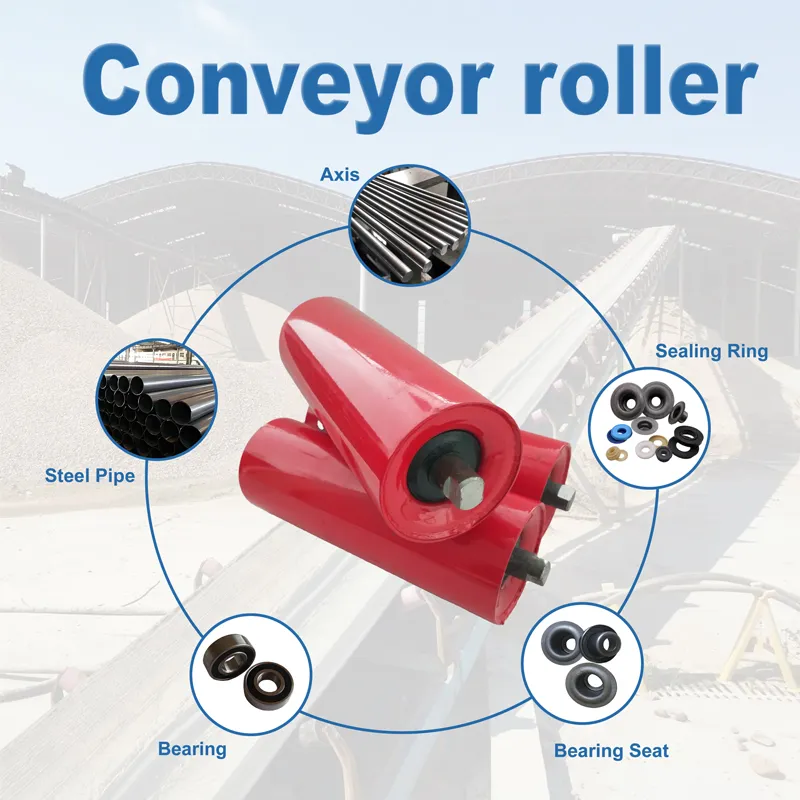
Technical Advantages of Advanced Tapered Rollers
The implementation of high-quality roller conveyor rollers, particularly those with a tapered design, offers a multitude of technical and operational advantages:
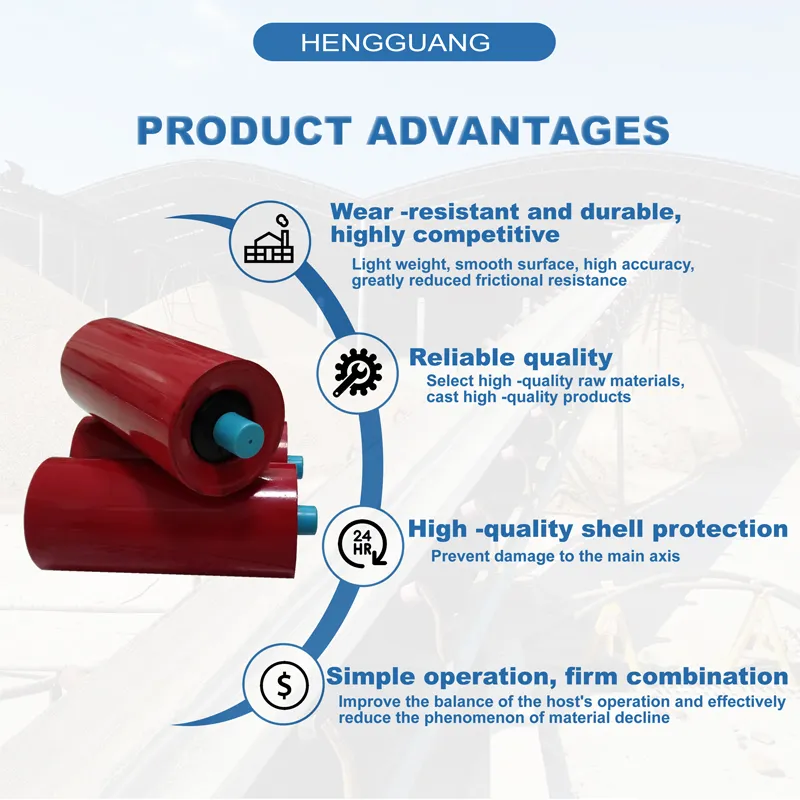
- Superior Product Tracking and Alignment: The primary advantage lies in their ability to maintain product orientation around curves. The varying diameters along the roller surface naturally guide items without slippage or rotation, preventing misalignment and potential damage. This is critical for systems handling delicate or precisely oriented products.
- Reduced Product Damage: By ensuring items stay centered and stable on the conveyor, tapered rollers minimize friction against guide rails and adjacent items. This significantly reduces the risk of scuffing, crushing, or knocking, leading to fewer damaged goods and improved product quality.
- Enhanced System Efficiency and Throughput: Smooth transitions through curves reduce system bottlenecks and potential jams, leading to a more consistent flow of materials. This directly translates to higher throughput rates and improved overall operational efficiency.
- Energy Efficiency: Modern tapered conveyor rollers are designed with precision-machined components and low-friction bearings. This reduces the motor power required to drive the conveyor system, contributing to lower energy consumption and operational costs. For example, high-efficiency rollers can reduce drive power by up to 20% compared to conventional flat rollers in curved applications.
- Durability and Extended Service Life: Constructed from robust materials like galvanized or stainless steel and equipped with sealed, heavy-duty bearings, these rollers are built to withstand demanding industrial environments. Their design minimizes wear and tear, leading to a longer Mean Time Between Failures (MTBF) and reduced maintenance requirements.
- Adaptability to Harsh Environments: With options for corrosion-resistant materials (e.g., AISI 316 stainless steel) and specialized seals, tapered conveyor rollers can operate effectively in extreme temperatures, high humidity, dusty conditions, or chemical wash-down settings prevalent in food processing or petrochemical industries.
- Noise Reduction: Precision manufacturing and the option for polymer sleeves or rubber lagging contribute to quieter operation, an important factor in human-occupied workplaces and to comply with noise regulations.
Vendor Comparison: Key Differentiators in Tapered Roller Solutions
When selecting a supplier for tapered conveyor rollers, a thorough evaluation of vendor capabilities is crucial. Beyond basic price considerations, decision-makers must assess factors that impact total cost of ownership (TCO), system reliability, and long-term support. Here's a framework for vendor comparison:
Key Comparison Parameters
A superior vendor distinguishes itself through advanced material science, precision engineering, stringent quality assurance, and robust post-sales support, directly impacting the operational efficiency and total lifespan of your conveyor system. Prioritizing these attributes leads to a lower TCO despite potentially higher initial investment.
Customized Solutions for Tapered Conveyor Rollers
While standard roller conveyor rollers offer broad utility, many industrial applications present unique challenges that necessitate tailored solutions. Customization ensures optimal performance, integration, and longevity, especially for specialized material handling requirements. A proficient manufacturer will offer extensive customization options, collaborating closely with clients to meet precise operational parameters.
Areas of Customization:
- Dimensions and Taper Ratio: Specific overall lengths, barrel lengths, and shaft diameters can be engineered to fit existing conveyor frames or new system designs. Crucially, the taper angle can be customized to match the exact radius of conveyor curves, optimizing product tracking for particular item sizes or weights.
- Material Selection: Beyond standard steel, options include specialized stainless steels (e.g., Duplex stainless for extreme corrosion), food-grade plastics (e.g., acetal, HDPE) for hygiene-sensitive applications, or even hybrid materials for specific load-bearing and chemical resistance profiles.
- Surface Finishes: Custom finishes such as specific color powder coatings for visual sorting, rubber lagging for enhanced grip and noise reduction, or highly polished surfaces for ultra-clean environments are available.
- Bearing and Seal Configurations: Tailored bearing types (e.g., self-aligning, ceramic, or high-temperature bearings) and advanced sealing mechanisms (e.g., labyrinth seals, double-contact seals) can be specified for harsh operating conditions, ensuring longevity in dusty, wet, or high-temperature zones.
- Shaft Ends and Mounting: Custom shaft configurations including spring-loaded, fixed, threaded, or specific machined ends (e.g., hex, square, keyway) allow for seamless integration with diverse conveyor frames and drive mechanisms.
- Driven Options: For powered curved conveyors, customized sprockets, grooves for O-belts, or internal motor integration can be designed for bespoke drive requirements.
Engaging with a manufacturer that possesses deep engineering expertise for customized tapered conveyor rollers ensures that the solution is not merely a component, but an integral part of an optimized material flow system. This collaborative approach leads to enhanced operational efficiency, reduced maintenance, and a superior return on investment.
Application Case Studies: Tapered Rollers in Action
Real-world implementations highlight the tangible benefits of properly engineered tapered conveyor rollers. These examples demonstrate how their specialized design addresses critical material handling challenges across diverse industries.
Case Study 1: High-Volume E-commerce Distribution Center
Challenge: A major e-commerce fulfillment center needed to rapidly sort and convey a wide range of package sizes (from small envelopes to medium boxes) through multiple 90-degree and 180-degree curves in its sortation system. Conventional straight rollers in curved sections led to package misalignment, jams, and significant product damage (estimated 3% damage rate), slowing throughput.
Solution: The existing curved conveyor sections were retrofitted with precision-engineered tapered conveyor rollers featuring a modular, high-impact polymer shell over a galvanized steel core. The taper ratio was optimized for the specific curve radii and typical package dimensions.
Result: Post-implementation, package alignment improved dramatically. Product damage rates dropped to less than 0.5%, representing significant cost savings. The system's throughput increased by 20% due to reduced jams and smoother flow, leading to improved delivery times and customer satisfaction. The polymer rollers also contributed to a 5dB reduction in operational noise.
Case Study 2: Corrosive Environment in a Chemical Processing Plant
Challenge: A petrochemical plant required a conveyor system to transport drums of corrosive chemicals through a washing and drying stage that involved sharp turns. Standard steel rollers corroded rapidly, leading to frequent replacements (every 6-8 months) and costly downtime. The corrosive fumes also compromised bearing integrity.
Solution: Custom-fabricated steel conveyor rollers were installed, made entirely from AISI 316L stainless steel, known for its superior corrosion resistance. These rollers were fitted with ceramic bearings and multi-lip labyrinth seals to prevent ingress of aggressive chemicals and moisture. The tapered design was maintained to ensure drum stability through curves.
Result: The 316L stainless steel tapered conveyor rollers demonstrated exceptional longevity, exceeding 3 years of continuous operation without significant degradation. Maintenance cycles for roller replacement extended by over 400%, yielding substantial savings in parts and labor. The enhanced corrosion resistance also improved worker safety by preventing structural failures.
Commitment to Trustworthiness: FAQ, Lead Time, Warranty, Support
Frequently Asked Questions (FAQ)
- Q: What defines a high-quality tapered conveyor roller?
A: High-quality rollers feature precision-machined components, robust materials (e.g., high-grade steel, durable polymers), sealed low-friction bearings, consistent taper angles, and adherence to international manufacturing standards (e.g., ISO 9001). They are designed for specific load capacities and environmental conditions to ensure long service life and minimal maintenance.
- Q: How do tapered rollers prevent product damage on curves?
A: The tapered profile means the outer diameter is larger than the inner diameter. As an item moves around a curve, the outer edge of the item travels a greater distance. The larger diameter on the outer side of the roller conveyor rollers automatically compensates for this difference in travel distance, effectively steering the product and keeping it centered without slippage or pushing against guardrails.
- Q: Can your tapered rollers be used in wash-down environments?
A: Yes, we offer specialized tapered conveyor rollers manufactured from marine-grade stainless steel (e.g., AISI 316) with IP65-rated or higher sealed bearings and corrosion-resistant end caps. These are ideal for food and beverage, pharmaceutical, and chemical wash-down applications.
- Q: What is the typical service life for your rollers?
A: Our standard steel conveyor rollers are engineered for a Mean Time Between Failure (MTBF) of 50,000 to 100,000+ operating hours under normal conditions. This can vary based on specific load, speed, environment, and maintenance practices. We provide detailed specifications and maintenance guidelines to maximize roller lifespan.
Lead Time & Fulfillment Details
Our commitment to efficiency extends to transparent lead times. For standard configurations of tapered conveyor rollers, typical lead times range from 2-4 weeks. Custom-engineered solutions, depending on complexity and material availability, usually require 6-10 weeks for design, prototyping, and production. We maintain a robust inventory of common components to expedite orders and offer express shipping options for urgent requirements. Detailed order tracking and proactive communication are provided throughout the fulfillment process.
Warranty Commitments
We stand behind the quality and durability of our products. All tapered conveyor rollers come with a comprehensive 2-year warranty against manufacturing defects and premature failure under normal operating conditions. Extended warranty options are available for critical applications or long-term projects, reflecting our confidence in the engineering and materials used. Our warranty terms are clear and readily accessible, ensuring peace of mind for our clients.
Customer Support & After-Sales Service
Our dedicated technical support team is available from 8 AM to 6 PM EST, Monday to Friday, via phone, email, and live chat to assist with selection, installation, troubleshooting, and maintenance queries. We offer on-site consultation services for complex system integrations and provide comprehensive documentation including installation guides, spare parts lists, and maintenance schedules. Post-sales, we ensure prompt availability of spare parts and offer training sessions for your maintenance staff to maximize the lifespan and efficiency of your conveyor systems.
Conclusion
The effective and efficient movement of materials is a cornerstone of modern industrial operations. Tapered conveyor rollers represent a vital component in achieving this, particularly in complex conveyor layouts involving directional changes. Their precision engineering ensures product integrity, enhances throughput, and delivers significant long-term savings through reduced energy consumption and extended service life. By focusing on high-quality materials, advanced manufacturing processes, and robust support, businesses can leverage these specialized rollers to optimize their material handling systems and gain a competitive edge in today's demanding market.
References
- Conveyor Equipment Manufacturers Association (CEMA). (2015). Conveyor Terms and Definitions.
- International Organization for Standardization (ISO). (2015). ISO 9001:2015 Quality management systems – Requirements.
- ASTM International. (2018). ASTM A513 / A513M - 18 Standard Specification for Electric-Resistance-Welded Carbon and Alloy Steel Mechanical Tubing.
- American Bearing Manufacturers Association (ABMA). (2010). ABMA Standard 9: Load Ratings and Fatigue Life for Ball Bearings.
- U.S. Department of Energy. (2013). Energy Tips – Industrial: Conveyors and Conveying Systems.