Understanding the Small Bucket Conveyor: A Compact Cargo Carrier with Global Impact
Small bucket conveyors might not capture attention like flashy machinery, but their role in global industries is quietly vital. These compact conveyor types enhance material handling efficiency where space, precision, or gentle transport are paramount. Whether it’s bulk food items in Europe or humanitarian aid packages in remote regions, getting to grips with what small bucket conveyors offer helps streamline operations across the board.
Why It Matters Globally
According to recent data from the International Organization for Standardization (ISO) and industry analytics, over 30% of bulk material handling relies on conveyors tailored for small volumes and delicate conveyance. The global growth of automated manufacturing and increasing demand for sustainability means these conveyors are more relevant than ever. Oddly enough, despite their modest size, small bucket conveyors solve big challenges — like reducing product damage or enabling modular scalability in factories and aid logistics.
Mini takeaway: Small bucket conveyors power diverse industries worldwide by optimizing small-scale material movement with precision and care.
What is a Small Bucket Conveyor?
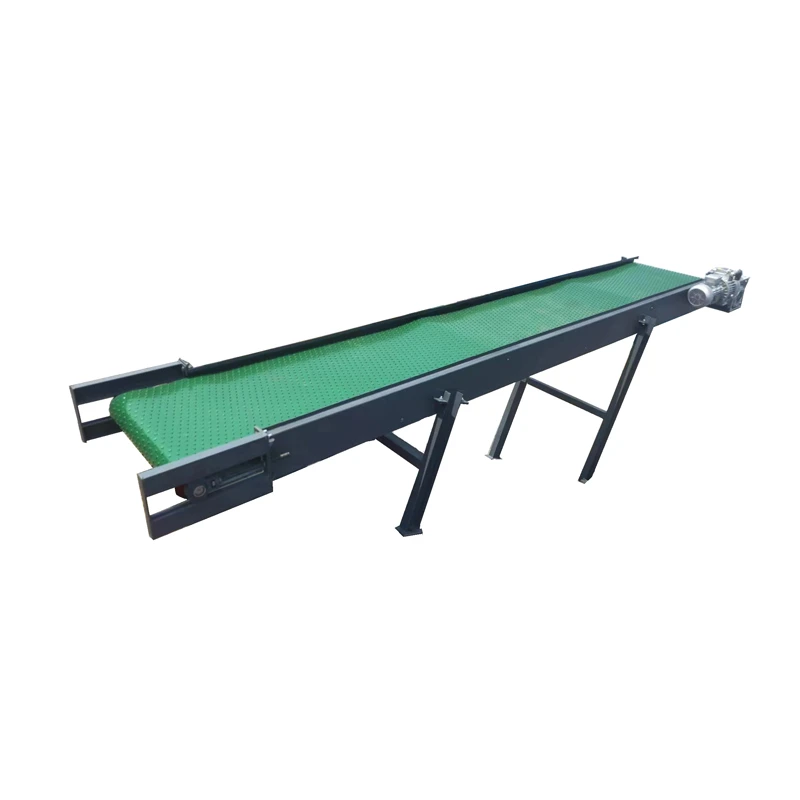
Simply put, a small bucket conveyor is a type of conveyor system outfitted with tiny buckets attached to a chain or belt that scoops up, lifts, and deposits materials. The size and spacing of these buckets distinguish them from larger models, enabling careful handling of small items or fragile goods.
Think of it as a compact carrier designed to safely move small materials — grains, electronic parts, powders, or humanitarian supplies — across production lines or between storage points. This linkage to modern industry is direct: as manufacturing turns more automated and lean, the ability to precisely control and protect product flow, even in limited spaces, becomes a competitive advantage.
Core Components of Small Bucket Conveyors
1. Durability and Construction
Most small bucket conveyors use stainless steel or reinforced plastics for the bucket and frame, balancing weight and strength. This ensures resistance to corrosion or abrasion, especially crucial in food or chemical industries.
2. Scalability and Modularity
You can often customize the length, bucket spacing, and speed to fit varying operational needs — from laboratory sample movement to large-scale packaging plants.
3. Precision and Gentle Handling
The small buckets prevent spilling, dropping, or crushing fragile contents, making these conveyors ideal for delicate items like fresh produce or electronics.
4. Cost Efficiency
Small bucket conveyors usually consume less power and require minimal maintenance compared to bulkier alternatives, cutting operational costs substantially.
5. Safety Features
Integration with sensors or guards helps prevent accidents and product loss, which is particularly important in busy manufacturing floors.
Mini takeaway: From toughness to gentle transport, these elements combine to make small bucket conveyors a versatile, efficient choice for many industries.
Global Applications and Real-World Use Cases
In real terms, small bucket conveyors are found in varied settings around the world:
- Food Processing in Europe: Conveying nuts, berries, or nuts without bruising.
- Pharmaceutical Manufacturing: Moving pills or capsules where contamination prevention and precision are key.
- Humanitarian Aid Logistics: Transporting small parcels or dry food supplies in modular setups for easier sorting and distribution.
- Mining and Minerals in Australia: Lifing powdered ores carefully into processing lines.
Many NGOs report that using small bucket conveyors during disaster relief efforts accelerates aid delivery and reduces damage to sensitive items — which really impacts on-the-ground effectiveness.
Product Specifications at a Glance
| Specification | Typical Value |
|---|---|
| Bucket Volume | 50 - 500 ml |
| Conveyor Speed | 0.2 - 1.0 m/s |
| Material | Stainless Steel / Polypropylene |
| Max Load per Bucket | 1.5 kg |
| Drive Type | Electric Motor / Chain Drive |
Vendor Comparison: Choosing the Right Supplier
| Feature | Vendor A | Vendor B | Vendor C |
|---|---|---|---|
| Customization Options | High | Medium | Low |
| Lead Time (weeks) | 4-6 | 2-3 | 6-8 |
| Price Range | $$$ | $$ | $ |
| Sustainability Certification | ISO 14001 | None | ISO 9001 |
| After-Sales Support | 24/7 Hotline | Business Hours | Limited |
Advantages and Long-Term Value
Small bucket conveyors shine by offering remarkable cost reductions, both initially and in ongoing operations. Their energy efficiency means firms spend less power and water (yes, some need cleaning), with a notably lighter environmental footprint — a must in today’s safety-conscious world.
Emotionally, this technology inspires confidence and trust. Operators can handle materials without fearing damage or contamination, upholding dignity especially in contexts like food or pharmaceutical transport. Many say it feels like the small bucket conveyor fosters innovation by opening new avenues for automation and quality assurance.
Looking Ahead: Trends & Innovation
Digital integration is a hot topic. Sensors and IoT connectivity enable real-time monitoring of bucket load and speed, allowing predictive maintenance before breakdowns cripple production.
Material science is pushing boundaries: biodegradable plastics and lightweight composites are under trial for buckets, promising both durability and sustainability.
Automation keeps advancing; robotic arms paired with small bucket conveyors can handle sorting tasks with increasingly complex items.
Challenges and Smart Solutions
Challenges include bucket jamming, wear and tear in abrasive environments, and customization limits. However, many engineers now advocate for modular designs that simplify repairs and upgrades.
Additionally, incorporating sensor-based feedback loops mitigates clogging issues, and new coatings extend bucket lifespan in harsh conditions.
FAQ: Frequently Asked Questions About Small Bucket Conveyor
Q: What materials are best for small bucket conveyors used in food processing?
A: Stainless steel and food-grade polypropylene are preferred due to their corrosion resistance and hygiene compliance per ISO standards. They prevent contamination and are easy to clean.
Q: How customizable are small bucket conveyors for specialized applications?
A: Very customizable — you can adjust bucket size, shape, spacing, and speed to fit delicate tasks or confined spaces. Vendors often offer bespoke options depending on your needs.
Q: Can small bucket conveyors operate in harsh industrial environments?
A: Yes, with proper material selection and protective coatings, they can handle abrasive or wet conditions, but regular maintenance remains crucial to avoid wear.
Q: How do small bucket conveyors contribute to sustainable manufacturing?
A: Their energy efficiency reduces power consumption, and the move toward biodegradable bucket materials aids in lowering the environmental impact.
Conclusion
Embracing the small bucket conveyor means investing in a system that respects the intricacies of modern production and logistics — from fragile contents to limited space constraints. Its efficiency, adaptability, and sustainability benefits make it a cornerstone in industries worldwide. For those curious to see how small bucket conveyors could transform your processes, a quick visit to small bucket conveyor suppliers might just open new possibilities.
In short: though small in size, small bucket conveyors carry enormous value in ensuring smooth, sustainable, and safe material handling worldwide.