Understanding Silicone Conveyor Belts: What They Are and Why They Matter
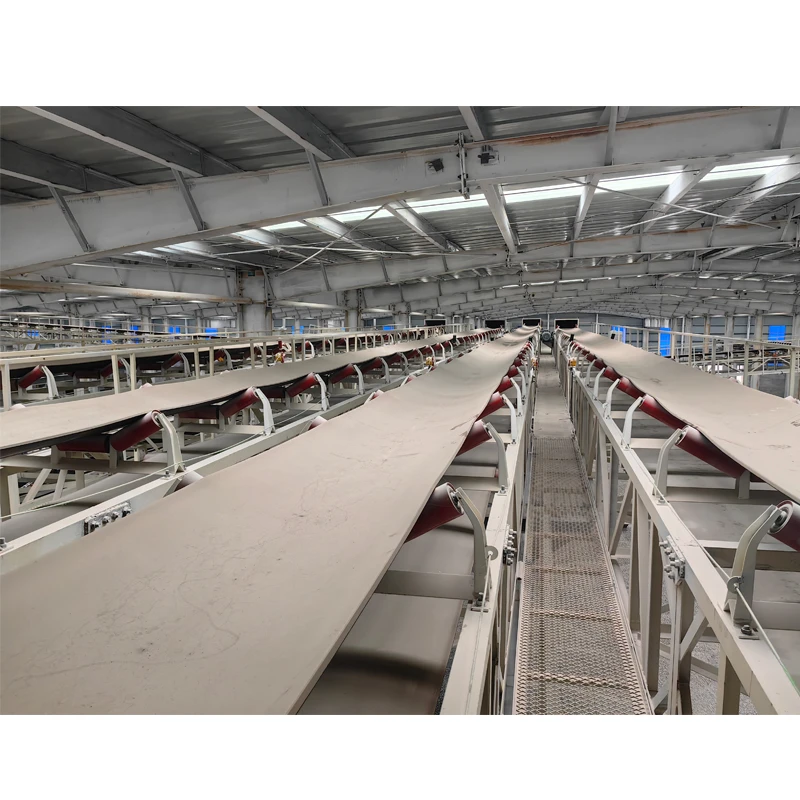
If you’ve ever walked through a modern factory, bakery, or electronics assembly plant, you might have noticed the steady movement of goods over conveyor belts — the unsung heroes of manufacturing efficiency. Among these, silicone conveyor belts have carved a distinct niche globally. But why do these flexible strips of silicone-backed fabric capture so much attention, and what makes them truly indispensable across industries and regions?
Silicone conveyor belts are more than just transportation tools; they represent innovation in durability, hygiene, and versatility. Their global relevance is tied to the booming demand for improved food safety, pharmaceuticals, electronics manufacturing, and even rescue logistics. Understanding their unique benefits isn’t just for engineers—it's important for anyone invested in supply chain efficiency, cost control, or sustainability.
The Big Picture: Why Silicone Conveyor Belts Are Globally Relevant
Statistics from the International Organization for Standardization (ISO) and the World Bank consistently show that manufacturing output across Asia, Europe, and North America relies heavily on conveyor technology to maintain productivity and meet stringent safety standards. The labor cost pressures and the rising expectations for hygienic production environments push industries to adopt materials that won’t contaminate products or degrade too fast.
Yet, with all these demands, challenges arise: traditional rubber belts often fall short in high-temperature environments or fail in cleanroom applications. This is where silicone conveyor belts step in—they can withstand heat up to 230°C, resist chemicals, and deliver excellent slip resistance. These factors help global manufacturers ensure quality and avoid costly downtime, especially in food processing or electronics.
Mini takeaway: As supply chains become more complex and standards more exacting, silicone conveyor belts offer a reliable answer to the problem of durable, hygienic belt solutions worldwide.
What Exactly Is a Silicone Conveyor Belt?
Put simply: a silicone conveyor belt is a conveyor belt coated or impregnated with silicone rubber, often constructed with a fabric backing or reinforced mesh. This unique construction blends flexibility with impressive resistance to heat, oil, water, and many chemicals. It’s this combo that makes the belt suitable for environments where standard rubber belts would quickly degrade or contaminate products.
From a humanitarian perspective, these belts have even enabled assembly lines in remote medical facilities and emergency response units, where equipment often has to endure sterile conditions and rough use alike. In this sense, silicone conveyor belts are a quiet but vital contributor to modern industry and even aid-related logistics.
Core Components That Make Silicone Conveyor Belts Stand Out
Durability and Heat Resistance
Silicone can reliably handle temperatures from -60°C up to around 230°C, which is invaluable when industries like baking or electronics require exposure to hot ovens or heat curing processes. Many engineers find that this resilience significantly extends the belt's lifecycle compared to traditional belts.
Non-Stick and Hygienic Surface
One reason food and pharmaceutical companies rely on silicone conveyor belts is the non-stick quality of silicone. This ensures easy cleaning and eliminates bacterial build-up—a must in industries governed by rigorous hygiene standards such as ISO 22000 for food safety.
Flexibility and Strength
The fabric or synthetic mesh core offers tensile strength and resistance to tearing, while the silicone exterior adds a layer of softness and grip. This balance keeps products stable on moving belts and prevents slippage without harsh abrasion.
Chemical and UV Resistance
Silicone belts resist many chemicals, oils, and UV rays that might otherwise break down belts quickly. For outdoor or harsh chemical environments, this means fewer replacements and safer operations.
Customization and Scalability
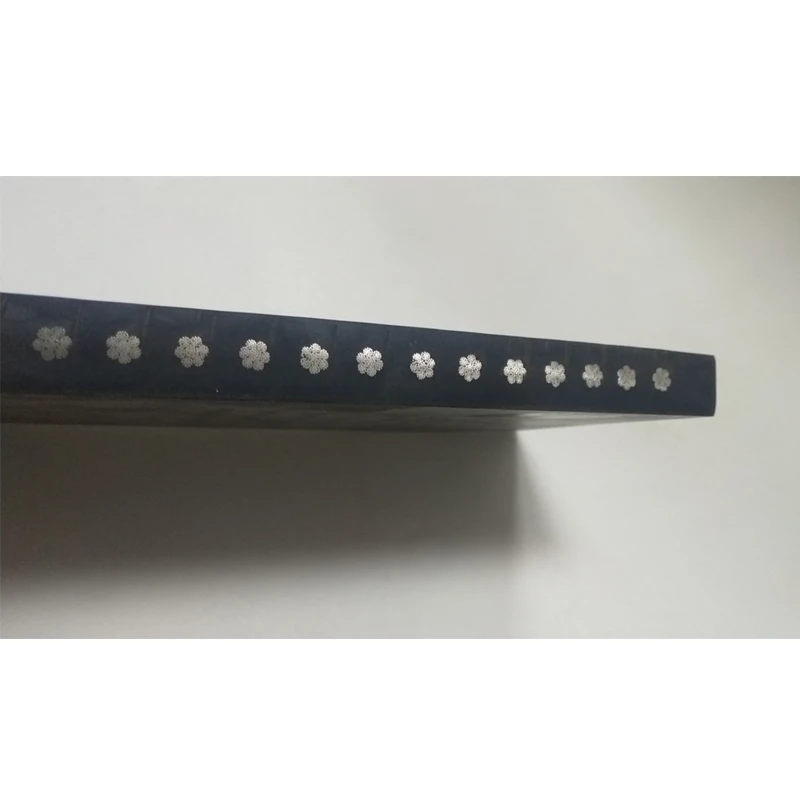
From thin belts for light conveyor tasks to thick, reinforced versions capable of heavy industrial use, silicone conveyor belts can be customized by thickness, color, durometer hardness, and even with embedded wires for grounding or static control.
| Feature | Value | Notes |
|---|---|---|
| Material Thickness | 1.5 – 4.0 mm | Varies by load requirements |
| Maximum Temperature | 230°C (446°F) | Sustained exposure limit |
| Tensile Strength | >15 MPa | Depends on fabric reinforcement |
| Surface Hardness (Durometer) | 45–70 Shore A | Affects flexibility and grip |
| Color Options | Clear, White, Blue, Custom | Common for food-grade belts |
Real-World Applications Across the Globe
From the frozen seafood plants of Alaska to the confectionery manufacturers of Belgium, silicone conveyor belts maintain steady demand. Oddly enough, they also find a place in humanitarian efforts: organizations setting up medical supply chains in disaster zones use them for clean and controlled movement of medicines and vaccines.
- Food Industry: Thermal resistance and non-stick features allow baking, chocolate tempering, and snack packaging.
- Pharmaceuticals: Hygiene compliance makes silicone belts perfect for sterile environments.
- Electronics Manufacturing: Heat resistance and anti-static custom versions protect sensitive components during assembly.
- Disaster Relief Logistics: Durable conveyors help efficiently sort and distribute supplies without contamination risks.
Many operators mention that switching to silicone conveyor belts reduced their maintenance frequency noticeably—a big plus when uptime is money.
What Good Does It Do? Advantages & Long-Term Value
Owning a silicone conveyor belt feels different from the usual gear. First, there’s peace of mind. The belt doesn’t off-gas or shed particles, which means safer products and employees who trust their equipment. The durability reduces procurement headaches and replacement costs, helping companies stay lean.
Environmentally, silicone’s long lifespan and recyclability (when separated properly) make it more sustainable compared to petroleum-based PVC belts, aligning with green policies increasingly demanded by ISO 14001-certified facilities.
And there’s an intangible benefit: innovation perception. Businesses using cutting-edge materials often feel they are ahead of the curve, attracting better clients or investors with a commitment to quality and safety.
Looking Forward: What’s Next for Silicone Conveyor Belts?
Innovation isn’t slowing — in fact, it feels like the conveyor belt industry is waking up to incorporate more sensors and IoT features directly into silicone belts. This could mean real-time wear monitoring or temperature feedback, allowing predictive maintenance instead of reactive fixes.
From a materials perspective, biocompatible or bio-based silicone formulations are making progress, promising even smaller carbon footprints. Also, robotic automation increasingly handles belt replacement, reducing human risk and downtime.
Overcoming Challenges in Silicone Conveyor Belt Usage
Despite many upsides, silicone conveyor belts aren’t perfect. They typically come at a higher upfront cost than standard rubber belts. Some users report issues with tracking or tension if not matched perfectly to system specs—a problem that’s more about installation than the belt itself.
Moreover, certain aggressive solvents can degrade silicone unexpectedly if not sourced correctly. That’s why many operators rely on supplier expertise and custom engineering to nail the right belt for their needs.
| Vendor | Specialty | Typical Markets | Lead Time | Customization Options |
|---|---|---|---|---|
| HGC Conveyor Solutions | Heavy-duty & high-temp belts | Food, Pharma, Electronics | 4-6 weeks | Thickness, color, embedded sensors |
| Silicone Solutions Inc. | Ultra-cleanroom grade belts | Pharma, Medical Devices | 6-8 weeks | Custom durometer, FDA compliance |
| Global Belt Corp. | Budget-friendly solutions | Light manufacturing, packaging | 2-4 weeks | Standard sizes only |
FAQ: Common Questions About Silicone Conveyor Belts
Q: How is a silicone conveyor belt different from a regular rubber belt?
A: Silicone belts handle much higher temperatures, resist chemicals better, and offer non-stick surfaces, making them ideal for food, pharma, and electronics. Regular rubber belts often degrade faster and may contaminate sensitive products.
Q: Are silicone conveyor belts suitable for outdoor use?
A: Generally yes. Silicone resists UV rays and many environmental factors. However, extended exposure to some chemicals or oils outdoors might require specialized silicone formulations.
Q: How do I clean and maintain a silicone conveyor belt?
A: Cleaning is generally easier due to silicone’s non-stick nature. Warm soapy water or approved cleaning agents usually suffice. Regular inspection for tears or tracking problems helps prolong belt life.
Q: Can silicone conveyor belts be customized for automation systems?
A: Absolutely. Many suppliers, including silicone conveyor belt manufacturers, offer embedded sensors, static-dissipative layers, and tailored thickness or hardness to fit precise automation needs.
Q: What industries most benefit from switching to silicone conveyor belts?
A: Food processing, pharmaceuticals, electronics, and even medical supply chain logistics gain the most because of hygiene, thermal resistance, and durability requirements.
Wrapping Up: The Last Word on Silicone Conveyor Belts
At the end of the day, silicone conveyor belts exemplify how a relatively simple product can embody complex balances of innovation, practicality, and sustainability. Whether you’re running a small bakery or a giant semiconductor plant, investing in quality silicone belts means investing in reliability, safety, and future readiness.
Feeling convinced yet? For those interested in upgrading your conveyor setup or just curious to peek under the hood, check out the experts at HGC Conveyor Belt Solutions. They offer everything from standard models to highly tailored silicone conveyor belts for multiple industries worldwide.
Thanks for stopping by — sometimes it’s the belts beneath us that carry the world!