The Rising Significance of Movable Conveyor Belts in a Globalized World
At first glance, a movable conveyor belt might sound like industry jargon — or perhaps just another piece of mechanical equipment. Yet these simple, flexible systems quietly shape supply chains, humanitarian aid, and industrial output worldwide. Why should anyone care? Well, as global trade extends to ever more remote regions and disaster relief hinges on rapid logistics, understanding the benefits of movable conveyor belts becomes less an engineering curiosity and more a necessity for efficiency — and sometimes survival.
Globally, conveyors move over a billion tons of materials annually, according to Wikipedia. Movable conveyor belts add a layer of adaptability, enabling factories and operations to swiftly change layouts or reach challenging environments. This flexibility is a keystone for industries striving for both speed and sustainability.
Mini takeaway: Movable conveyor belts are indispensable cogs in the machine of modern logistics and industry, combining mechanical reliability with agile deployment — a combination increasingly crucial in today’s fast-paced economy.
The Global Landscape: Why Movable Conveyor Belts Matter
According to the United Nations Industrial Development Organization (UNIDO), manufacturing and material handling segments have seen a significant shift toward flexible, modular systems since the early 2010s. In regions like Southeast Asia and parts of Africa, where infrastructure can be patchy, movable conveyor belts allow enterprises to keep pace with demand and shifting supply routes.
Consider this: in 2022, the World Bank reported that over 70% of global freight load passed through logistical systems relying heavily on some form of conveyor systems. The problem? Static conveyor lines struggle with sudden changes — whether in factory retooling or delivering supplies during an emergency. Movable conveyor belts offer a solution by allowing quick deployment and reconfiguration.
So, essentially, wherever efficiency meets unpredictability, these flexible belts make their mark.
What Exactly Is a Movable Conveyor Belt?
In plain terms, a movable conveyor belt is a transport mechanism designed to move materials or goods, with the added ability to be relocated or reoriented without extensive downtime or dismantling.
Think of it as the difference between a fixed assembly line in a car plant and a conveyor system that can roll or be adjusted to different angles, lengths, or locations. They usually have casters or modular frames making them 'on-the-go' friendly. This adaptability means manufacturers, warehouses, and even humanitarian agencies can shift resources rapidly, matching real-time needs.
This mobility is especially valuable when speed or unexpected changes rule the day — say, setting up a temporary unloading station at a disaster site, or adapting to a sudden surge in production demands.
Core Components that Define Movable Conveyor Belts
1. Durability & Material Quality
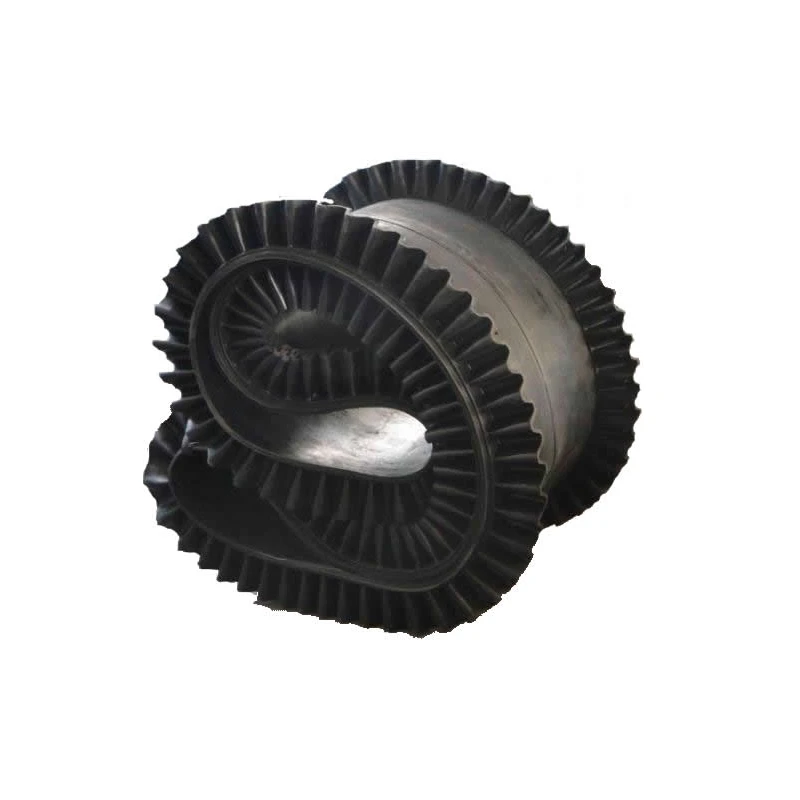
They’re built to last, despite being moved around. Most feature robust frames — often steel or aluminum — and belts made of reinforced rubber or PVC. For rough environments, you’ll find weather-resistant, corrosion-proof coatings.
2. Scalability & Modular Design
Modularity is key. Conveyors can link or split segments, adjust lengths, or swap out components. This scalability enables businesses to right-size their conveyor setup depending on load and space constraints.
3. Mobility Mechanisms
Casters, swivel wheels, and locking systems ensure the belts can roll into place, shift slightly, or lock firmly for use. Oddly enough, the simplest wheel designs sometimes outperform sophisticated alternatives in real factories because they’re easier to maintain.
4. Power & Control Systems
From manual push to fully automated motorized belts with speed controls, these systems flex according to needs. Integration with factory software means they can be part of digitalized smart logistics platforms.
5. Safety Features
Safety is a big deal — sensors, emergency stops, guards, and anti-slip surfaces frequently come standard. Even in a rush, operators can't afford shortcuts.
6. Cost Efficiency
The cost of ownership factors heavily — not just price tags but savings from lower downtime, reduced retooling, and minimized manual labor.
Mini takeaway: Successful movable conveyor belts blend ruggedness with adaptability, which shouldn’t surprise anyone accustomed to juggling fast-changing industrial schedules.
Movable Conveyor Belts in Action: Real-World Applications
Across the globe, movable conveyor belts find themselves at the heart of diverse operations. For example:
- Post-Disaster Relief Efforts: After earthquakes or floods, NGOs use movable belts to expedite unloading of food, medical supplies, and building materials, as roads and infrastructure fluctuate.
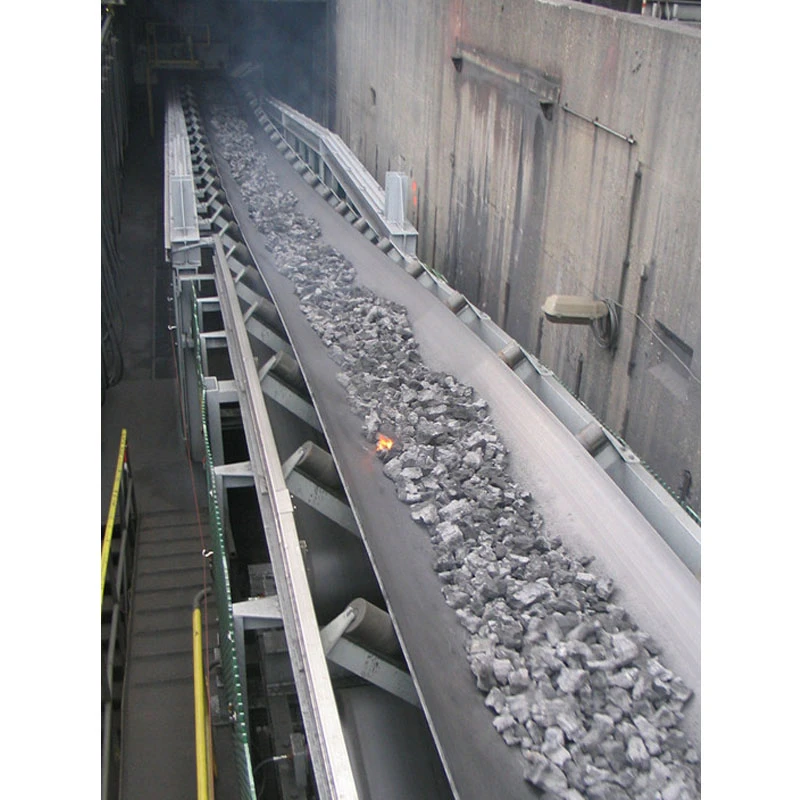
- Remote Mining Operations: In Africa’s mineral-rich nations, conveyor belts adapt to terrain challenges, linking extraction points with staging areas efficiently.
- Automotive and Consumer Goods Manufacturing: Flexible lines reduce production downtime during model changeovers or design upgrades.
- Airports and Logistics Hubs: Temporary systems help manage sudden passenger or cargo surges.
The movable conveyor belt is a perfect fit for any sector where static systems would be a bottleneck.
The Advantages & Long-Term Benefits of Movable Conveyor Belts
From a practical perspective, these belts reduce manual handling injuries because goods move automatically. They save time spent dismantling fixed lines during retooling. Indirectly, they contribute to sustainability; by extending equipment life and reducing the need for multiple conveyors, waste and energy consumption drop.
There’s also a trust factor. Businesses that adapt quickly to market or emergency demands foster stronger partnerships and consumer confidence. Employees feel safer and more productive, which matters more than you'd guess — a good conveyor belt is more than metal and rubber; it’s part of the work culture.
Summary: These belts deliver cost savings, social goodwill, and operational resilience bundled into one fairly unassuming package.
Emerging Trends & Innovations in Movable Conveyor Technology
The conveyor world is buzzing with innovation. You’ll find:
- Green Materials: Biodegradable or recycled belt compounds to reduce environmental footprint.
- Digital Integration: IoT sensors for real-time monitoring, predictive maintenance, and data analytics.
- Automation: AI-driven controls that optimize speed, energy use, and load balancing dynamically.
- Wireless Power: Experimental wireless motors aim to cut tangled wires and ease mobility further.
Imagine a conveyor belt that can literally move itself with minimal human effort, sense load weights, and alert maintenance before a breakdown. Yeah, we’re headed there.
Common Challenges and How Experts Overcome Them
No tech is perfect. For movable conveyor belts, typical snags include stability issues during transport, wear and tear on moving components, and complexity in control systems. Experts often suggest regular preventive maintenance, investing in high-grade casters, and modular designs that simplify swaps and repairs.
Also, training end users helps enormously. I’ve seen warehouses upgrade their whole material flow just by teaching operators to reposition belts effectively — sometimes all that’s needed is a fresh perspective rather than a new belt.
Movable Conveyor Belts: Product Specification Table
| Specification | Typical Range | Notes |
|---|---|---|
| Belt Width | 300 mm – 1200 mm | Custom widths for different applications |
| Length (Adjustable) | 1.5 m – 10 m | Modular segments connect easily |
| Load Capacity | 200 kg – 2000 kg | Depends on motor and frame strength |
| Mobility | Caster wheels with locks | Locks ensure stability in use |
| Drive Type | Electric motor / Manual | Some models offer both options |
| Belt Material | PVC, Rubber, Steel mesh | Material tailored to transported goods |
Vendor Comparison for Movable Conveyor Belts
| Vendor | Price Range | Customization | Lead Time | Warranty | Support Services |
|---|---|---|---|---|---|
| HG Conveyor Solutions | $$ - $$$ | High (modular designs) | 2-4 weeks | 2 years | 24/7 technical support |
| Global Belt Co. | $ - $$ | Medium (standard sizes) | 1-3 weeks | 1 year | Business hours email support |
| FlexMove Systems | $$$ | Very High (custom turnkey solutions) | 4-6 weeks | 3 years | On-site and remote support |
FAQs About Movable Conveyor Belts
1. How quickly can a movable conveyor belt be set up in a new location?
Depending on size and complexity, small modular belts can be repositioned and operational within minutes to a couple of hours. Larger systems might take a day or more to assemble and calibrate, but still far quicker than traditional fixed installations.
2. Are movable conveyor belts suitable for outdoor use?
Yes, many models are designed with weather-resistant materials and sealed motors for outdoor environments. It is crucial, however, to match the belt specifications to the local climate and load requirements for durability.
3. What industries benefit most from movable conveyor belts?
Industries like manufacturing, logistics, mining, agriculture, and disaster relief use these belts extensively. Any operation requiring flexible workflow and fast changeovers finds them invaluable.
4. How do movable conveyor belts impact workplace safety?
By automating material movement, they reduce manual lifting and the risk of associated injuries. Their built-in safety features like emergency stops and sensor-based shutoffs further protect workers.
5. Can movable conveyor belts be integrated with smart factory systems?
Many modern movable conveyor belts come equipped with IoT capabilities that integrate seamlessly with smart logistics and manufacturing software, enabling real-time tracking and predictive maintenance.
Wrapping It Up
Movable conveyor belts might not grab headlines like robots or AI — but without their subtle flexibility and efficiency, much of the smooth operation in factories, warehouses, and emergency zones would falter. They bring together the best of durability and adaptability to meet a world that’s anything but static.
If you want to experience the future of flexible material handling firsthand, why not explore our collection of movable conveyor belts? After all, agility in logistics isn’t just an advantage anymore — it’s a must-have.