Understanding the Conveyor Belt Belt: A Vital Component of Modern Industry
When you hear “conveyor belt belt,” you might think it's a quirky double phrase—but it actually points to a core industrial backbone that quietly keeps countless sectors moving worldwide. The conveyor belt belt is more than just rubber stretched over rollers; it’s a crucial technology enabling efficient transport of raw materials, goods, and even humanitarian supplies across distances that would otherwise demand immense manual labor or costly machinery.
In a global economy where time is literally money, mastering conveyor belt belts means unlocking productivity, safety, and scalability. From mining operations in Australia to grain silos in the American Midwest and disaster relief logistics in Southeast Asia, this humble yet robust piece of technology ensures goods keep flowing seamlessly. Understanding its design, global uses, and emerging innovations empowers decision-makers to optimize operations in ways that truly matter.
Global Context: Why Conveyor Belts Still Matter in Our High-Tech World
Oddly enough, despite the surge of automation and smart robotics, the conveyor belt belt remains a ubiquitous sight—and necessity—across many industrial sectors. According to the International Organization for Standardization (ISO), the market for conveyor belts is projected to grow annually by roughly 5–7% worldwide, driven by industries expanding in Asia-Pacific and Africa.
The United Nations Environment Programme (UNEP) has pointed out that efficient logistics systems, which include conveyor belt belts, play a pivotal role in reducing carbon footprints in mining and shipping sectors by cutting unnecessary transport phases and energy use.
Still, challenges exist — injustice labor conditions, belt durability, and environmental impact are pressing factors. Conveyor belt belts offer solutions here, but only when designed and managed thoughtfully.
What Is a Conveyor Belt Belt? Breaking It Down Simply
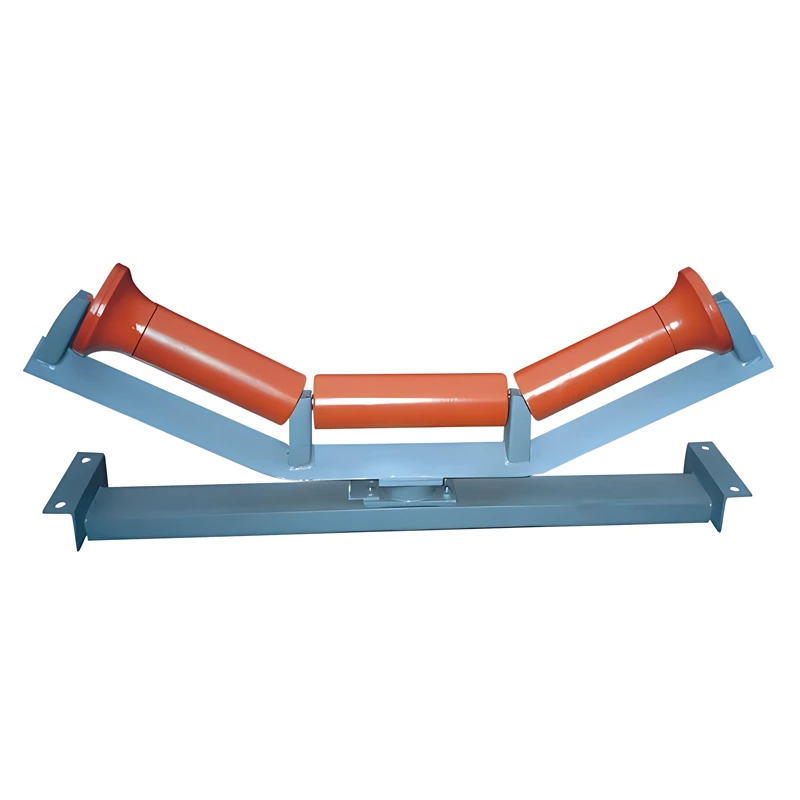
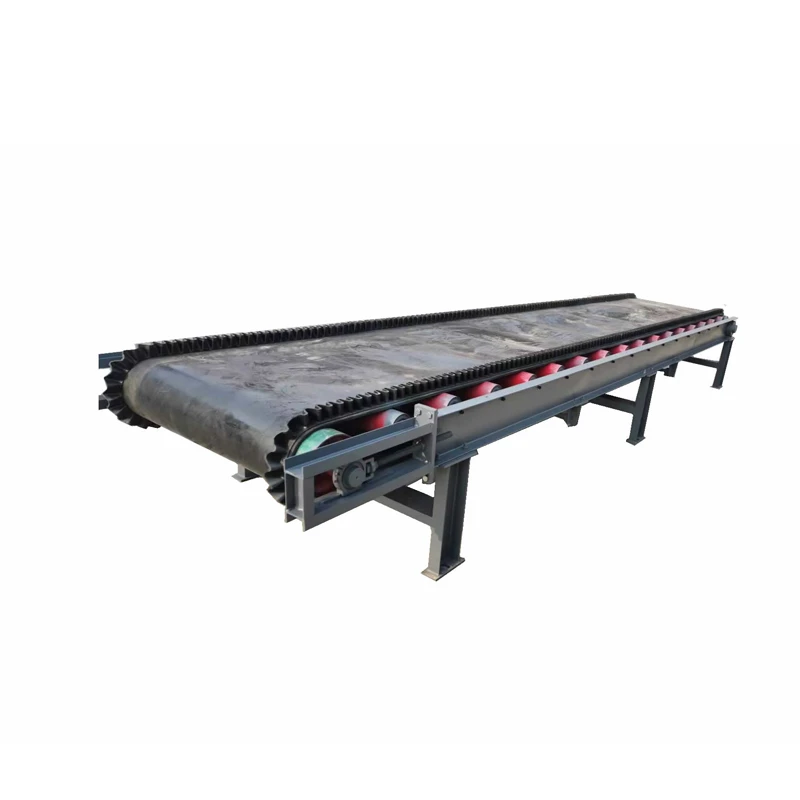
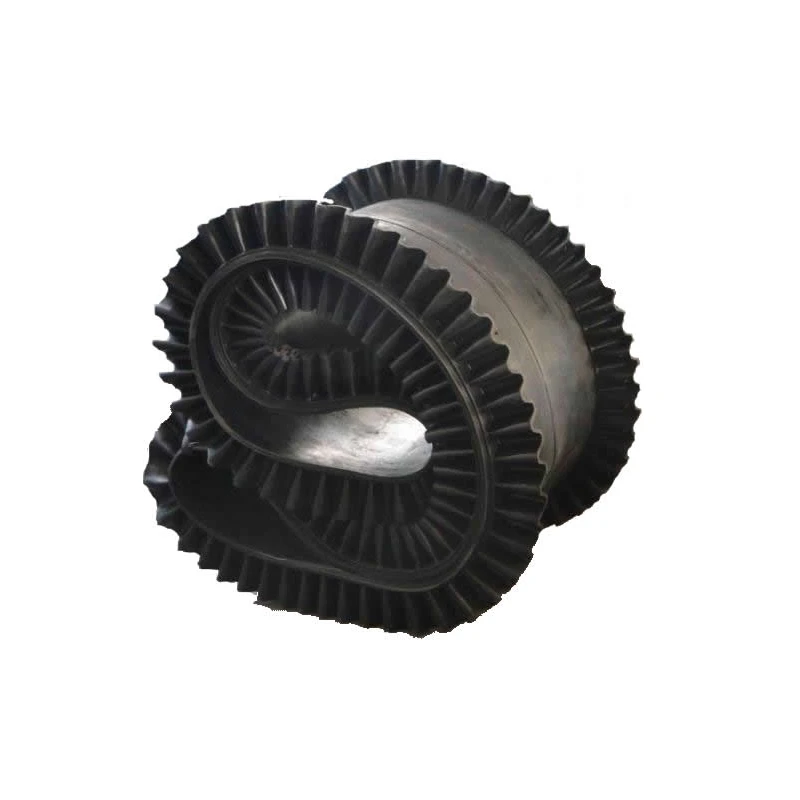
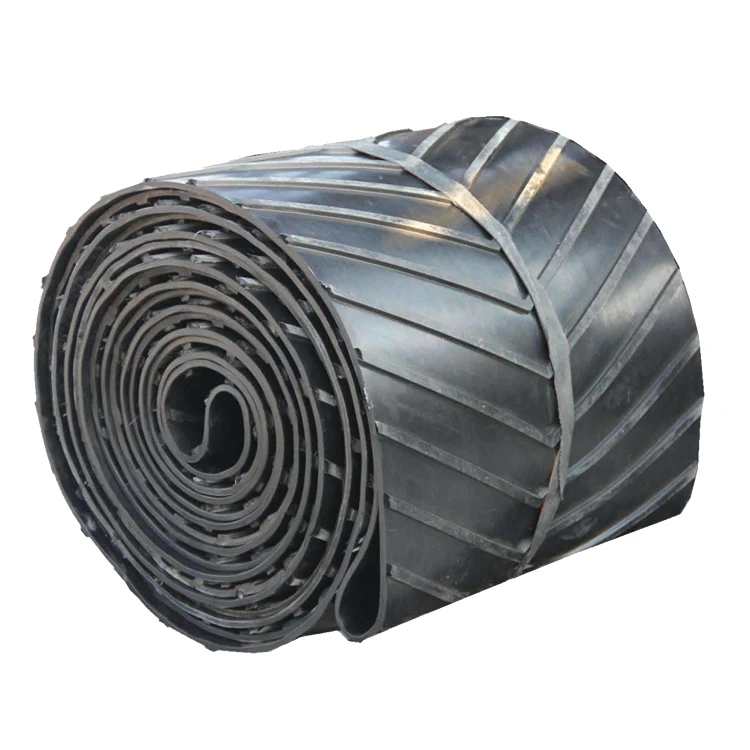
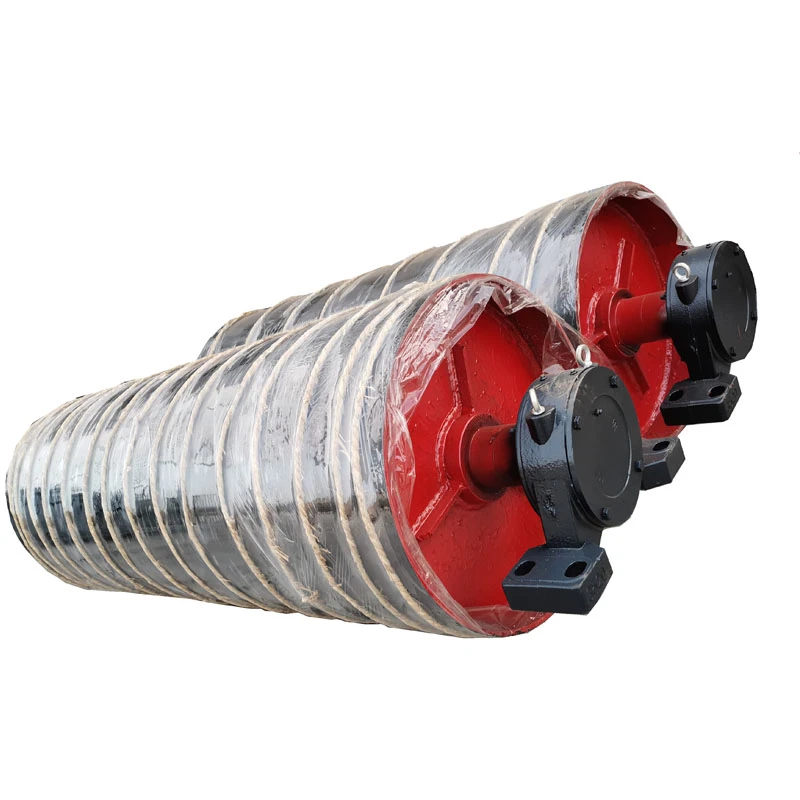
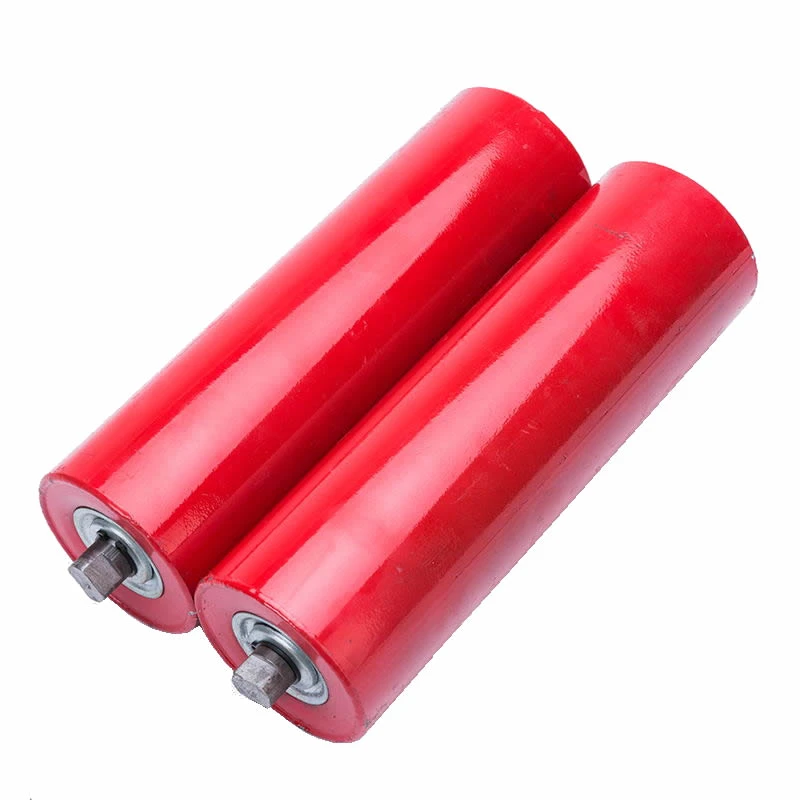
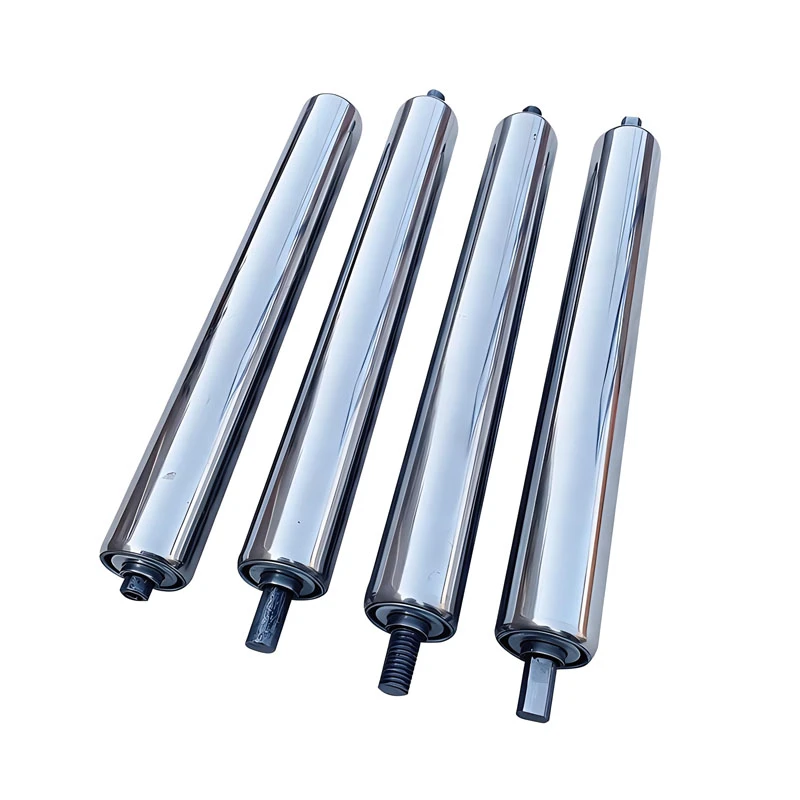
Put plainly, a conveyor belt belt is the continuous loop of material—often rubber, PVC, or fabric composites—that moves on pulleys to transport goods horizontally or at an incline. Think of it as a mechanical "living floor" that pushes or pulls items between two points. When combined with rollers, motors, and frames, the belt becomes a dynamic system for moving bulk materials or packaged products efficiently.
Beyond industrial assembly lines, these belts underpin disaster response efforts by enabling speedy distribution of relief goods. In some humanitarian contexts, modular conveyor systems help manage inventory in chaotic environments.
Core Components of a Conveyor Belt Belt: What Keeps It Rolling?
1. Durability
Engineers often highlight durability as the defining factor of a conveyor belt belt’s lifespan. Harsh chemicals, abrasion, tension, and extreme temperatures require belts to be rugged yet flexible. For instance, vulcanized rubber layers reinforced with steel cords can withstand heavy loads and last years with proper maintenance.
2. Scalability
Whether you’re running a tiny artisan factory or a sprawling mining site, conveyor belt belts come in scalable designs. Modular belts that snap together simplify repairs and resizing, ideal when demand suddenly spikes or plant layouts shift.
3. Cost Efficiency
Beyond upfront costs, choosing the right conveyor belt belt reduces downtime and energy consumption. It’s not just price per meter—it’s lifetime cost factoring in fewer replacements, less power to run, and easier maintenance that counts.
4. Environmental Impact
More manufacturers are opting for eco-friendly materials and production methods. Some belts incorporate recycled rubber or bio-based polymers to reduce waste while maintaining performance—a trend growing in response to international environmental standards.
5. Customization
Every application is unique. Conveyor belts can be tailored for heat resistance in glass factories, oil resistance in petrochemical plants, or FDA-compliant materials for food processing.
Product Specification Table
| Feature | Typical Values | Notes |
|---|---|---|
| Material | Rubber / PVC / Fabric | Varies by application |
| Tensile Strength | 5–20 N/mm | Higher for heavy loads |
| Belt Width | 300mm–2000mm+ | Customizable |
| Operating Temperature | -20°C to 80°C | Special belts can go higher |
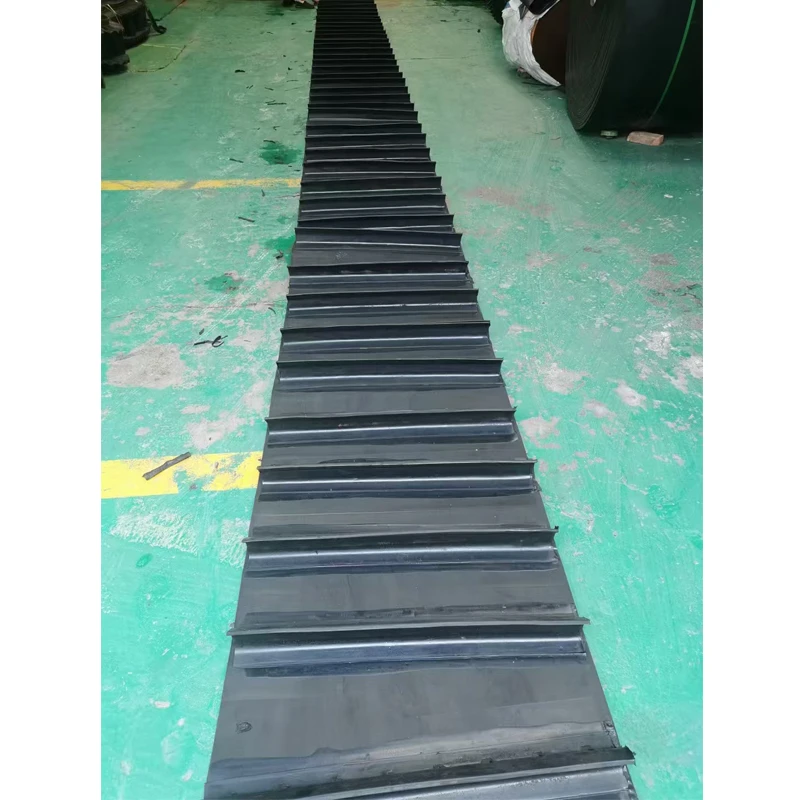
| Surface Finish | Smooth, Cleated, Textured | Adapts to material type |
Mini takeaway: Conveyor belts balance toughness, adaptability, and cost. Choosing the right set of specs means operational excellence and fewer headaches later.
Global Applications and Real-World Uses of Conveyor Belt Belts
From grain elevators in Canada to deep coal mines in South Africa, the conveyor belt belt is everywhere. In fact, the mining sector alone accounts for approximately 40% of global conveyor belt usage, according to trade reports.
- Disaster Relief: In disaster zones, modular conveyor belts help non-profits quickly set up supply chains, moving food and medical supplies rapidly through temporary warehousing setups.
- Manufacturing: Electronics assembly plants use smooth conveyor belts to shuttle parts swiftly between workstations with precision.
- Agriculture: Conveyors transport harvested crops to processing centers, reducing manual labor and contamination.
- Ports & Logistics: The conveyors form critical links in container yards and parcel sorting centers worldwide.
Many moderate-sized businesses also leverage conveyor belt belt solutions to improve factory throughput without needing massive capital investment.
Advantages and Long-Term Benefits of Conveyor Belt Belts
Why do so many industries stick with conveyor belt systems? Well, aside from the obvious—speed and efficiency—there's more going on.
Reliable conveyor belts:
- Cut labor costs by automating repetitive movement
- Improve safety by keeping workers away from hazardous areas
- Ensure consistent product quality by minimizing manual handling
- Support green initiatives through efficient energy use and longer lifespan
On a human level, it’s about dignity—freeing workers from backbreaking transport tasks. For engineers, it’s a beloved tool of trust, where uptime is prized.
Emerging Trends and Innovations Shaping Conveyor Belt Technology
The conveyor belt belt world is quietly buzzing with innovation. Here are a few exciting trends I’ve noticed recently:
- Smart Conveyor Belts: Embedded sensors monitor belt health in real time, predicting maintenance needs before breakdowns.
- Eco-Materials: Bio-based and recycled polymers are replacing traditional synthetic rubbers.
- Automation Integration: Conveyor belts increasingly connect with AI-driven sorting and packing systems.
- Energy Efficiency: New belt designs reduce friction, cutting motor energy consumption by up to 15%.
Challenges in The Conveyor Belt Belt Industry & How Experts Are Addressing Them
Of course, it’s not all smooth spinning rollers. There’s wear and tear, occasional system jams, and cost pressures.
One major challenge is belt degradation under harsh chemicals or intense abrasion. Engineers combat this with innovative multilayered belts and regular condition monitoring.
Also, improper installation is a surprisingly common source of accelerated failures. Vendors now stress training and quick-support services to help clients get it right the first time.
Vendor Comparison Table
| Feature | HG Conveyors | BeltTech Industries | Global Belt Solutions |
|---|---|---|---|
| Customization | High, modular options | Medium, fixed lengths | High, with rapid prototyping |
| Eco-Friendly Materials | Yes, bio-polymers | Standard synthetics | Partial options |
| Integrated Smart Tech | Sensor-embedded belts available | Limited support | Upcoming release |
| Global Shipping | Worldwide | Regional focus | Worldwide |
| Warranty Length | 24 months | 18 months | 12 months |
Frequently Asked Questions About Conveyor Belt Belt
Q1: How often should a conveyor belt belt be replaced?
A: Generally, conveyor belts last between 5 to 10 years depending on usage, material, and maintenance. Constant heavy loads or exposure to harsh chemicals may shorten this, while regular cleaning and alignment prolong life significantly.
Q2: Can conveyor belts be customized for food-grade applications?
A: Absolutely. Food-grade conveyor belts use FDA-approved materials that resist contamination and are easy to clean, making them ideal for processing plants in dairy, meat, or bakery sectors.
Q3: Are eco-friendly conveyor belts more expensive?
A: They may carry a slightly higher upfront cost, but bio-based or recycled material belts often reduce overall expenses through durability and regulatory compliance benefits.
Q4: What are common causes of conveyor belt failure?
A: Typical causes include misalignment, overloading, improper tensioning, and wear from abrasive materials. Regular inspections and smart monitoring can detect issues early.
Q5: How can I find the right conveyor belt supplier for my needs?
A: Evaluate suppliers based on their customization options, material range, warranty, and after-sales support. Industry certifications and experience with similar applications are also key criteria.
Wrapping It Up: Why Conveyor Belt Belts Remain Essential
In real terms, conveyor belt belts are quietly at the heart of so many industries’ efficiencies and innovations. They slip under vast heaps of mined ore, ferry assembled smartphones down production lines, and even help deliver life-saving aid where it’s most needed. As nations and corporations strive for greener, smarter logistics, this technology is evolving to meet new demands with surprising creativity.
If you’re interested in upgrading or learning more, I recommend checking out conveyor belt belt specialists who understand both the tradition and the future of this essential tech.
Mini takeaway: Conveyor belts combine the simplicity of a looped band with impressive engineering to tackle challenges worldwide—one roll at a time.