Understanding Roller Nylon: The Unsung Hero of Modern Industry
Roller nylon might not instantly ring bells outside of niche manufacturing circles, but its quiet importance is felt worldwide, especially in conveyor systems and material handling. From shipping ports in Rotterdam to high-tech factories in Asia, roller nylon components keep goods moving smoothly – literally. The global logistics system, valued in trillions annually by entities like the World Bank, depends heavily on reliable conveyor technologies, where materials like nylon rollers have become staples.
So why talk about roller nylon now? Well, with supply chains under unprecedented stress and industries seeking sustainable, cost-effective solutions, understanding the essentials of roller nylon is more than trivia. It’s about appreciating the backbone of countless industrial processes that influence economies and daily life. Plus, getting the specs right minimizes downtime and boosts productivity, which frankly everyone wants.
The Global Context: Why Roller Nylon’s Reach Is Greater Than You Think
Across continents and industries, roller nylon’s appeal is tied to its unique properties. Consider this: ISO standards governing conveyor belt materials have increasingly specified synthetic polymers like nylon for durability and weather resistance. And UN data on global manufacturing growth hints at why conveyor components—rollers included—are in strong demand, growing roughly 4-5% annually.
Industries, ranging from mining in Africa to e-commerce fulfillment in North America, face one common challenge—efficient and reliable transport of materials. Roller nylon solves this by offering a robust surface that reduces friction and wears slower than metal in many cases. Put another way, it’s often the small things (rollers included) doing the heavy lifting in industrial evolution.
Mini Takeaway
Roller nylon is not just a component—it’s a global facilitator of smooth material movement, essential to industrial efficiency and sustainability.
What Exactly Is Roller Nylon?
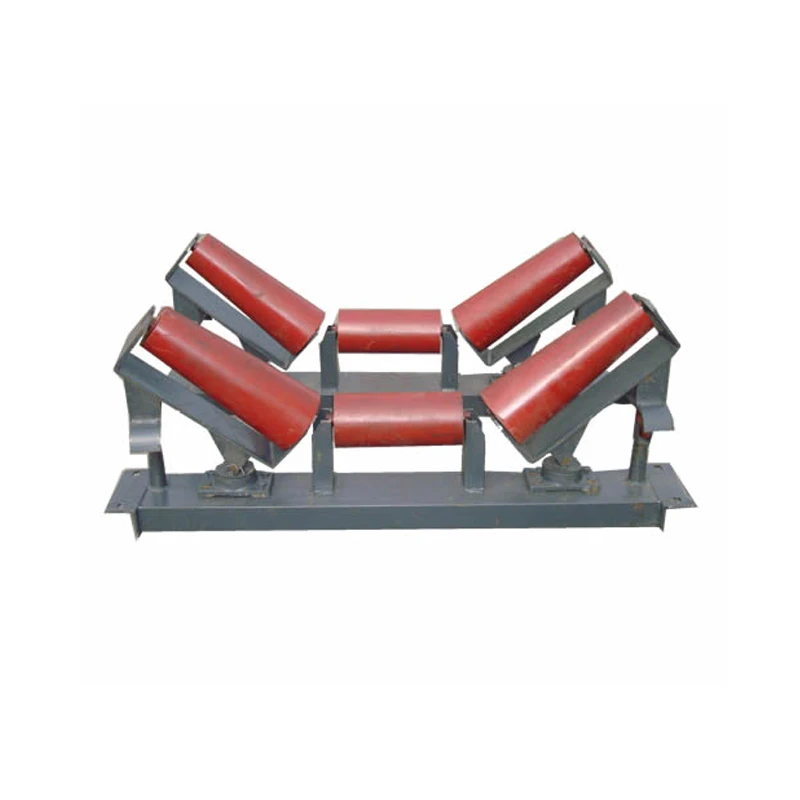
At its core, roller nylon refers to the rollers made from nylon polymer used within conveyor belt systems to support, guide, and transport goods. Nylon—a thermoplastic polyamide—is prized for its strength, low friction, and adaptability to various climates.
Modern industry leans heavily on these rollers because they withstand mechanical stress and resist corrosion better than many metals. In humanitarian logistics too—say, disaster relief zones—these rollers underpin the quick setup of conveyor lines that deliver essential goods effectively.
Mini Takeaway
Roller nylon combines polymer science with practical engineering to keep materials moving and industries thriving.
Breaking Down the Key Factors of Roller Nylon
1. Durability
Roller nylon exhibits impressive resistance to wear and tear. Unlike steel rollers that can corrode or dent, nylon handles continuous movement and impact through material elasticity, extending the components' lifespan. This durability means fewer replacements and lower maintenance costs.
2. Low Friction Surface
One advantage often overlooked is nylon’s inherently low coefficient of friction. This reduces energy consumption on conveyors—meaning motors don’t work as hard—which is a subtle but effective cost saver over time.
3. Chemical and Moisture Resistance
Nylon rollers resist many industrial chemicals and show minimal swelling or degradation from moisture exposure. This makes them ideal in humid or corrosive environments — from food processing plants to outdoor bulk material handling.
4. Noise Reduction
In urban or indoor facilities, less noise means better working conditions. Nylon rollers absorb vibration and minimize the typical clanking associated with metal rollers.
5. Weight and Handling
They’re lighter than their metal counterparts, which simplifies installation and decreases conveyor frame load. This has a ripple effect on infrastructure cost and operational flexibility.
Mini Takeaway
Durability, friction, resistance, noise, and weight make roller nylon a smart industrial choice in multiple parameters.
How Roller Nylon is Changing Industrial Landscapes Worldwide
Industrially, manufacturers across Europe, Asia, and the Americas depend on roller nylon for sectors such as packaging, mining, and agriculture. In Africa’s burgeoning mining operations, roller nylon supports heavy conveyor systems that move ore efficiently in harsh conditions. Meanwhile, in Northern Europe’s automotive plants, they help streamline assembly lines with minimal downtime.
On a humanitarian note, NGOs deploying temporary logistics hubs after hurricanes or earthquakes frequently rely on conveyor systems rigged with roller nylon to expedite food and medical supply distribution, ensuring aid reaches the affected with speed and dignity.
Even in remote industrial zones in the Arctic, where temperatures swing dramatically, nylon rollers maintain their integrity, supporting continuous operation where metal would seize up or rust.
Mini Takeaway
Roller nylon is a versatile enabler bridging high-tech manufacturing to humanitarian efforts and extreme environments.
Roller Nylon Specifications at a Glance
| Specification | Description |
|---|---|
| Material Type | Polyamide Nylon 6 or 66 |
| Diameter Range | 30 mm to 150 mm (custom sizes available) |
| Load Capacity | Up to 500 kg per roller (depending on design) |
| Operating Temperature | -40°C to +120°C |
| Chemical Resistance | Good resistance to oils, greases, and common solvents |
| Typical Color | Natural off-white; black or custom colors upon request |
How to Choose the Right Roller Nylon Supplier: A Vendor Comparison
| Vendor | Material Quality | Customization Options | Shipping & Lead Times | Customer Support |
|---|---|---|---|---|
| HGC Conveyor Components | High-grade nylon 6 & 66, ISO certified | Wide range of diameters & colors | Standard 2-3 weeks, expedited options | Responsive, global technical assistance |
| GlobalRollers Inc. | Good quality, blends nylon with additives | Limited customization | Longer lead times, 4-5 weeks | Standard support only |
| PolyRoll Experts | Premium nylon with enhanced chemical resistance | Highly customizable, including coatings | 2-4 weeks | Technical consulting available |
The Advantages and Long-Term Value of Roller Nylon
From a cost perspective, roller nylon extends conveyor lifespans and shrinks operational interruptions—both of which translate to a healthier bottom line. But it’s not just about dollars. The material’s sustainability makes it a favorite with companies committed to reducing waste since rollers last longer and are often recyclable.
Think about the emotional comforts here too. A quieter factory floor, less downtime, and rollers that don’t corrode create a safer and more dignified work environment. Innovation-wise, it’s reassuring to know the industry is advancing with components crafted to endure under challenging workloads.
Emerging Trends and Innovations Shaping Roller Nylon’s Future
What’s next? Well, eco-conscious manufacturers are already exploring bio-based nylon options to reduce environmental footprint. Automation systems are integrating intelligent sensors within rollers for real-time wear monitoring—turning passive components into active data points.
The rise of Industry 4.0 means even these humble rollers will soon connect to digital dashboards. Plus, research into hybrid composites promises to boost strength without adding weight. It's an exciting time when even the 'small stuff' is getting big upgrades.
Challenges and How They're Being Tackled
Of course, nylon is not perfect. Exposure to UV light can degrade polymers unless treated, and extreme temperatures above 120°C limit usage. Maintenance teams sometimes report abrasion under heavy dust, which can wear rollers faster than expected.
Addressing this involves protective coatings, UV inhibitors, and sometimes combining nylon with other materials. Many manufacturers work closely with clients roller nylon specialists to customize solutions tailored for specific environments.
Mini Takeaway
While challenges exist, innovation and collaboration continuously improve roller nylon’s reliability and application range.
FAQs About Roller Nylon
- What makes roller nylon preferable over steel rollers?
- Roller nylon offers low friction, corrosion resistance, and quieter operation, making it ideal for sensitive environments or where maintenance access is limited. It’s also lighter, reducing conveyor stress.
- How long can roller nylon last in industrial settings?
- Depending on workload and environment, nylon rollers typically last several years—sometimes 5 to 10—before replacement, especially when properly maintained and matched to application requirements.
- Are nylon rollers environmentally friendly?
- Standard nylon is a plastic, but many suppliers now offer recycled or bio-based nylon options reducing environmental impact. Additionally, their long lifespan reduces waste compared to frequent metal replacements.
- Can roller nylon components be customized?
- Yes, manufacturers often provide a range of diameters, lengths, colors, and sometimes coatings or additives to meet specific operational needs.
- How do I import roller nylon products internationally?
- Many suppliers, such as roller nylon specialists, handle global shipping with customs support. Understanding import regulations and working with trusted vendors helps ensure smooth transactions.
Wrapping Up: Why Roller Nylon Matters for Your Industry
In a world where every second of downtime counts, roller nylon quietly proves itself as a sturdy, efficient, and flexible solution for conveyor systems globally. Whether you’re running a massive mining operation or setting up an aid distribution line after a disaster, these components provide dependability that’s hard to overstate.
For anyone curious to explore roller nylon products or customize solutions tailored to your site’s needs, I highly recommend visiting our website. Sometimes it’s the simplest parts that drive the biggest changes.