Understanding Nylon Roller Price: Why It Matters in Today’s Industry
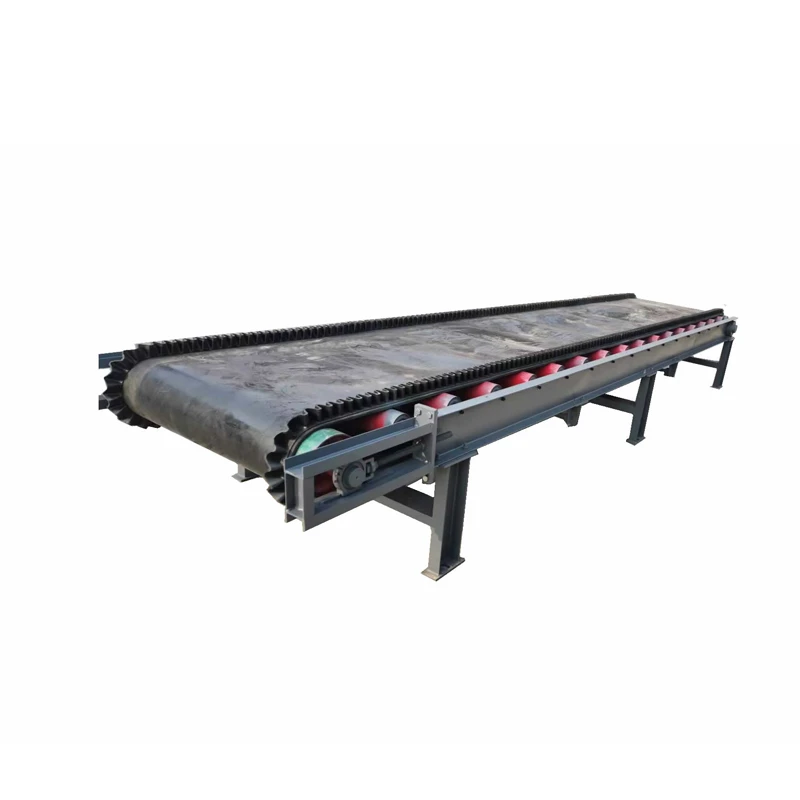
When you first hear "nylon roller price," it might sound like a dry technical detail, but really, it’s a pivotal factor influencing everything from conveyor efficiency to cost management in manufacturing and logistics worldwide. Nylon rollers are those seemingly simple cylindrical components guiding belts or materials on conveyors, yet their price reflects a complex balance of durability, performance, and supply chain trends. Understanding nylon roller price isn’t just for procurement specialists; it deeply impacts global industries reliant on smooth, reliable material transport.
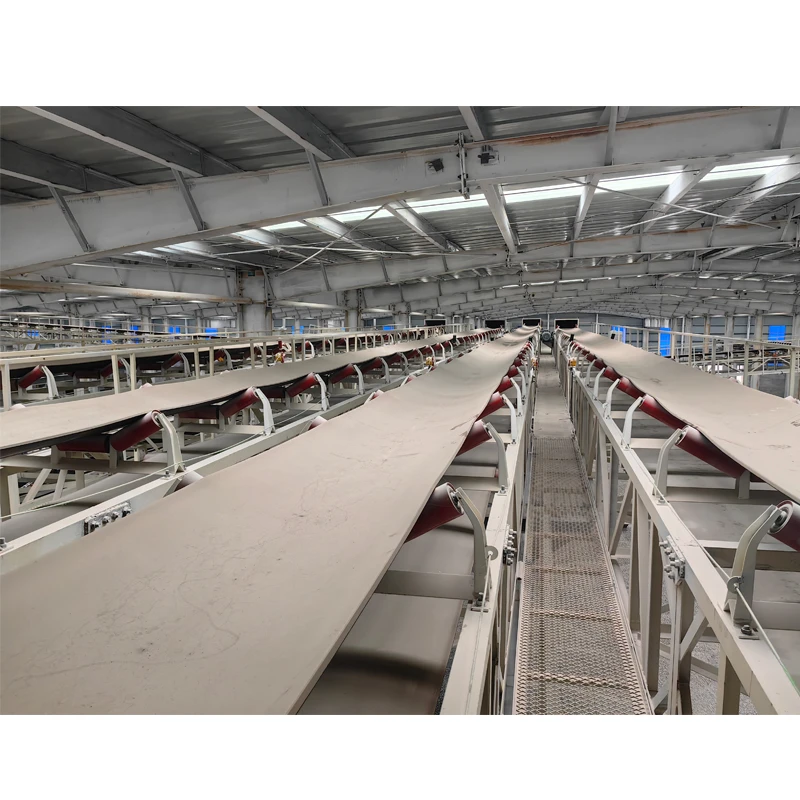
Globally, over 85% of manufacturing facilities employ conveyor systems with nylon rollers to maintain workflow, reduce downtime, and cut operational costs (ISO conveyor standards). So, a grasp on the nylon roller price means you’re indirectly influencing productivity and sustainability in production lines from Asia to the Americas.
The Global Context: Nylon Rollers Beyond Just Cost
Industrial automation has surged worldwide, especially in fast-growing economies, with global conveyor markets expected to grow by over 6% annually through 2028 (World Bank data). Yet, one major challenge remains: balancing component quality with budget constraints. Nylon roller price is a bellwether of this tension. When prices spike due to raw material scarcity or shipping delays, whole sectors—from food processing plants in Europe to mining operations in Australia—feel the pinch.
Beyond industrial use, humanitarian efforts have increasingly relied on nylon rollers in mobile equipment setups—think temporary relief centers and disaster logistics—where price sensitivity and reliability go hand-in-hand.
Mini Takeaway:
- Nylon roller price is tied to global supply chains and industrial growth.
- It affects more than cost—touching quality, delivery, and operational efficiency.
What Exactly Does Nylon Roller Price Mean?
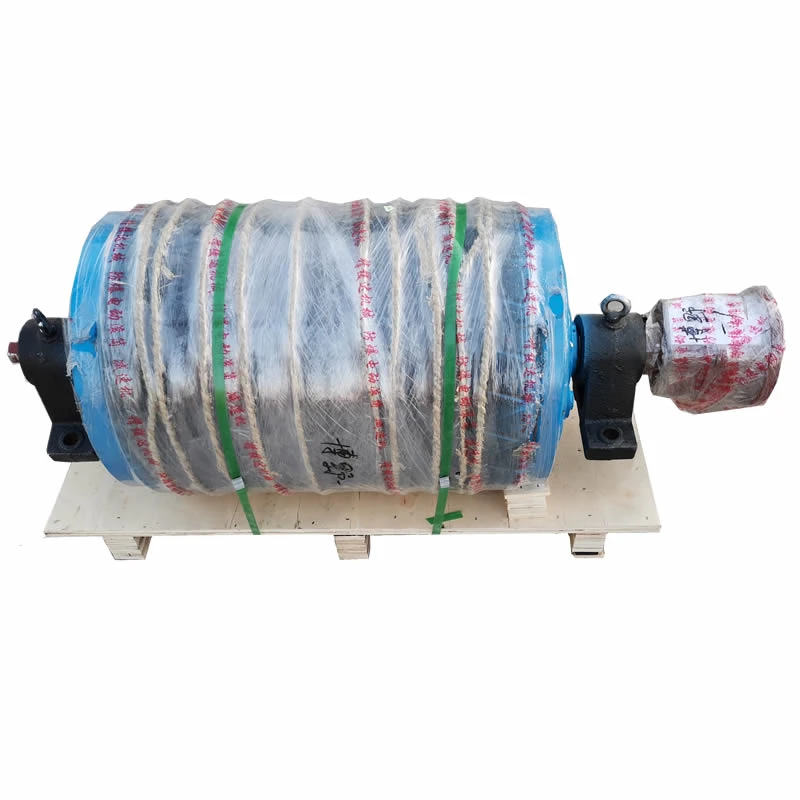
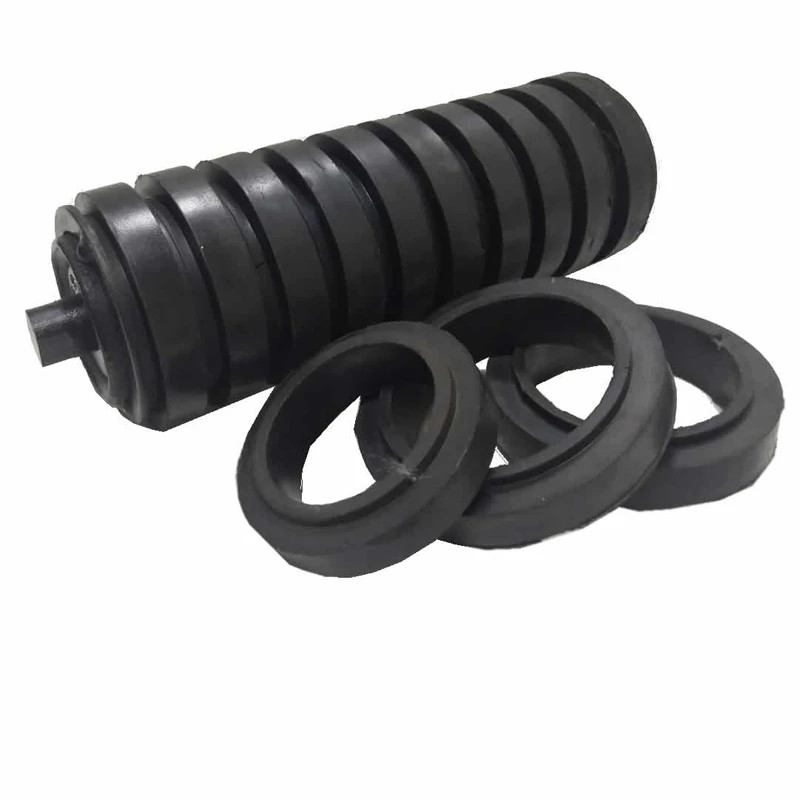
At its simplest, nylon roller price refers to the cost of purchasing one or more nylon rollers used primarily in conveyor systems. Nylon itself is a synthetic polymer known for strength, abrasion resistance, and a low friction coefficient, making it ideal for rollers that must operate smoothly over long periods.
Industry-wide, investing in quality nylon rollers ensures belts run consistently, reducing downtime and costly maintenance. That connection to reliability has made nylon rollers a staple across multiple sectors—from automotive assembly to airport baggage handling.
Key Factors Affecting Nylon Roller Price
1. Material Quality and Grade
Not all nylon is created equal. High-grade nylon with additives or reinforcements (e.g., glass fiber) costs more but withstands wear and tear much better. This pushes the nylon roller price up but saves money in the longer run.
2. Durability and Load Capacity
Rollers designed for heavy loads or harsh environments require thicker walls or special bearings. This increases both material costs and machining expenses.
3. Manufacturing Techniques
Advanced precision molding or CNC machining can impact price. Some vendors add surface treatments to reduce friction or prevent UV degradation; these add to cost but improve roller lifespan.
4. Scalability and Volume Discounts
Purchasing nylon rollers in bulk often dramatically lowers the unit price, which is important for large industrial consumers or OEMs.
5. Shipping and Supply Chain Factors
Fluctuations in petrochemical prices (raw material for nylon), global transport delays, or tariffs can unpredictably push roller prices up.
Mini Takeaway:
- Nylon roller price reflects a tradeoff between upfront cost and long-term durability.
- Choosing the right grade and manufacturer can optimize this balance.
Common Specifications in Nylon Rollers
| Specification | Typical Range | Impact on Price |
|---|---|---|
| Diameter | 30 mm to 150 mm | Larger diameters cost more |
| Length | 50 mm to 600 mm | Longer rollers use more material |
| Bearing Type | Ball or sleeve bearings | Precision bearings increase cost |
| Material Grade | Standard nylon, Glass-filled nylon | Higher grade = higher price |
| Load Capacity | Up to 1500 kg | Heavy-duty rollers cost more |
How Nylon Rollers Are Used Globally
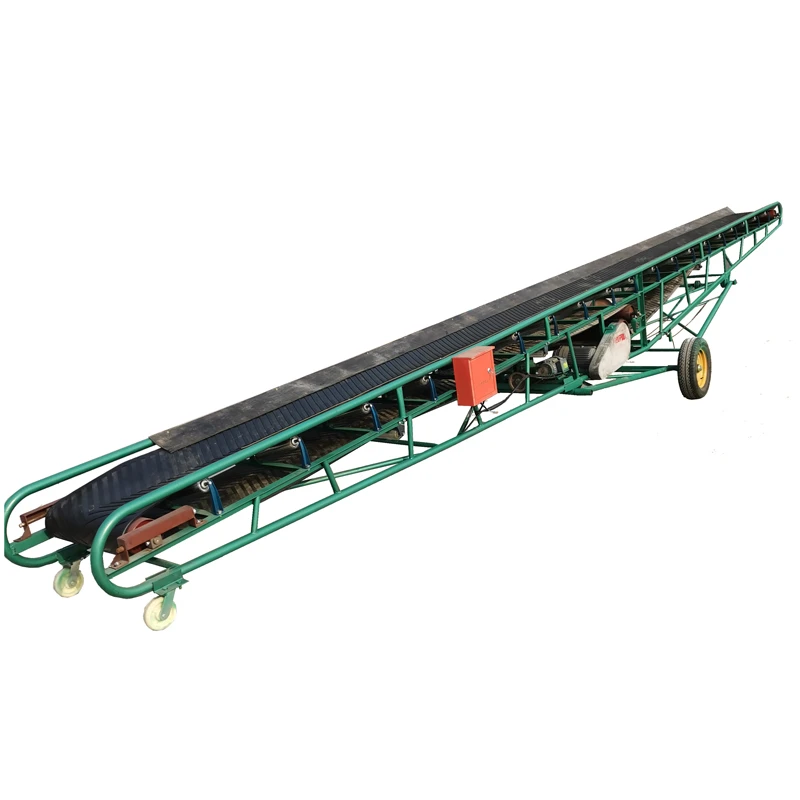
Across the globe, nylon rollers appear in every sector that uses conveyors. In Europe, they're essential in automated packaging plants ensuring fragile products like pharmaceuticals don’t get damaged. In North America, mining industries use heavy-duty nylon rollers to transport mineral ores efficiently over rugged terrain. Oddly enough, in disaster relief zones in Southeast Asia, nylon rollers find their way into portable conveyors for rapid distribution of food and medicines—where cost and robustness can’t be compromised.
Even in remote industrial zones, say in sub-Saharan Africa, nylon rollers allow for mechanized conveyor belts that replace manual labor, improving safety and reliability dramatically.
Mini Takeaway:
- Nylon rollers are part and parcel of industries spanning pharmaceuticals to mining.
- Their price and quality influence logistics effectiveness in diverse environments.
The Tangible Benefits of Optimal Nylon Roller Pricing
Choosing the right nylon roller price isn’t just an exercise in cost control—it’s about unlocking value. A cost-effective nylon roller improves system uptime, lowers energy consumption by reducing friction, and minimizes maintenance. Moreover, durability contributes to sustainability by reducing resource waste. Knowing you’ve got a reliable roller means fewer emergency repairs and safer working conditions. It’s kind of like buying a trusty pair of boots—you might pay more initially, but you save pain and hassle down the line.
Vendor Comparison: A Quick Overview
| Vendor | Price per Unit (USD) | Material Grades Offered | Lead Time | Typical Applications |
|---|---|---|---|---|
| AlphaRollers Co. | $10 - $18 | Standard Nylon, Glass-filled | 2-3 weeks | Food, Light Assembly |
| BetaTech Industries | $15 - $25 | High Temp Nylon, Reinforced Fibers | 4-6 weeks | Mining, Heavy Manufacturing |
| ConveyRoll Solutions | $12 - $20 | Standard Nylon | 1-2 weeks | Packaging, Logistics |
Emerging Trends in Nylon Roller Pricing and Technology
In recent years, there’s been some fascinating development in nylon roller technology aimed at balancing cost and performance. Biodegradable nylons and recycled materials are entering the scene, promising lower environmental footprint but potentially higher prices at first due to production scale.
Automation and IoT integration is slowly reaching even roller manufacturing, enabling predictive maintenance where rollers can signal wear before failure. This data-driven approach could shift nylon roller price evaluations from upfront costs to lifecycle value.
Challenges in Managing Nylon Roller Price
Despite many advantages, keeping nylon roller price affordable can be challenging. Raw material price volatility—especially for petrochemical-derived nylon—often causes unpredictable cost swings. Additionally, customization for special applications might increase lead times and prices. But many experts recommend strategic supplier partnerships to negotiate volume discounts and lean inventories.
Innovative solutions like modular roller designs and locally sourced materials help mitigate these challenges, balancing price with availability.
Frequently Asked Questions About Nylon Roller Price
Q1: Why does nylon roller price vary so much between suppliers?
Prices vary due to differences in material quality, manufacturing process, bearing types, and order volume. Some suppliers focus on high-grade reinforced nylons, adding cost but boosting durability, while others offer budget options. Lead times and shipping also play a role.
Q2: How can I balance nylon roller price vs. performance?
Consider your application’s load, environment, and expected life cycle. Sometimes spending a bit more upfront on reinforced or higher-grade nylon rollers saves money over frequent replacements. Bulk orders usually reduce unit price significantly.
Q3: Are recycled nylon rollers as good as new ones?
Recycled nylon rollers can perform well but might have marginally lower mechanical properties. They’re suitable for light-duty, non-critical applications and contribute to sustainability goals, but test results should guide choices.
Q4: Can nylon roller price affect conveyor energy efficiency?
Absolutely. Higher quality rollers with smoother surfaces reduce friction, lowering motor load and power consumption. Cheaper rollers might cause more drag, increasing energy costs over time.
Q5: How do I import nylon rollers internationally?
Work with suppliers experienced in global shipping, check customs regulations, and ensure compliance with local standards (like ISO 5048). Some vendors provide full logistics support to simplify the process.
Wrapping Up: The Last Word on Nylon Roller Price
So, nylon roller price isn’t just a fleeting number on a quote sheet. It’s a meaningful indicator of quality, reliability, and operational efficiency. Investing time to understand these prices—along with specs and supplier options—has tangible payoffs in productivity and cost savings. Whether you’re sourcing for a high-stakes manufacturing line or a humanitarian logistics chain, keeping an eye on nylon roller price lets you strike the best balance between quality and expenditure.
Curious to find out more or ready to compare prices? Feel free to check out nylon roller price offers and insights on our site. It’s always good to get your bearings before making a big purchase.