Stainless Steel Conveyor Rollers: The Unsung Heroes of Modern Industry
If you’ve ever wondered what keeps the gears — literally and figuratively — of production lines humming seamlessly across the globe, the answer often leads to something as overlooked as a conveyor roller. More specifically, stainless steel conveyor rollers form the backbone of countless industrial operations worldwide. Their role might seem straightforward, but in reality, they address pressing challenges in durability, hygiene, and efficiency that matter not just to factories but humanitarian efforts as well.
Globally, with industrial conveyor systems valued in the billions of dollars and growing rapidly given the surge in e-commerce, manufacturing, and automation, the quality and design of conveyor rollers make a huge difference in operational cost and sustainability. Increasingly, industries are turning to stainless steel rollers to meet rigorous demands — from extreme climates to food-grade transport.
Mini takeaway: Stainless steel conveyor rollers aren't just parts — they’re vital enablers of reliable, safe, and scalable industrial transport worldwide.
Global Industry Context: Why Stainless Steel Conveyor Rollers Matter
According to ISO standards and World Bank reports, the push toward automation and hygienic manufacturing has never been stronger. Regions like Asia-Pacific and Europe lead the way in conveyor system innovations, responding not only to consumer demand but regulatory pressures on safety and sustainability.
Yet challenges remain: harsh factory environments, corrosion from chemicals, or contamination risks in food and pharma conveyor lines all threaten efficiency. This is where stainless steel conveyor rollers shine — offering unmatched resilience against rust and wear.
It’s odd to think a simple roller can solve these issues, but where there’s friction, wear, or contamination potential, the right material choice saves downtime, costs, and sometimes lives.
Mini takeaway: Stainless steel conveyor rollers address global industrial challenges by providing corrosion resistance, hygiene compliance, and longevity — key for sectors like food processing, mining, and logistics.
What Are Stainless Steel Conveyor Rollers?
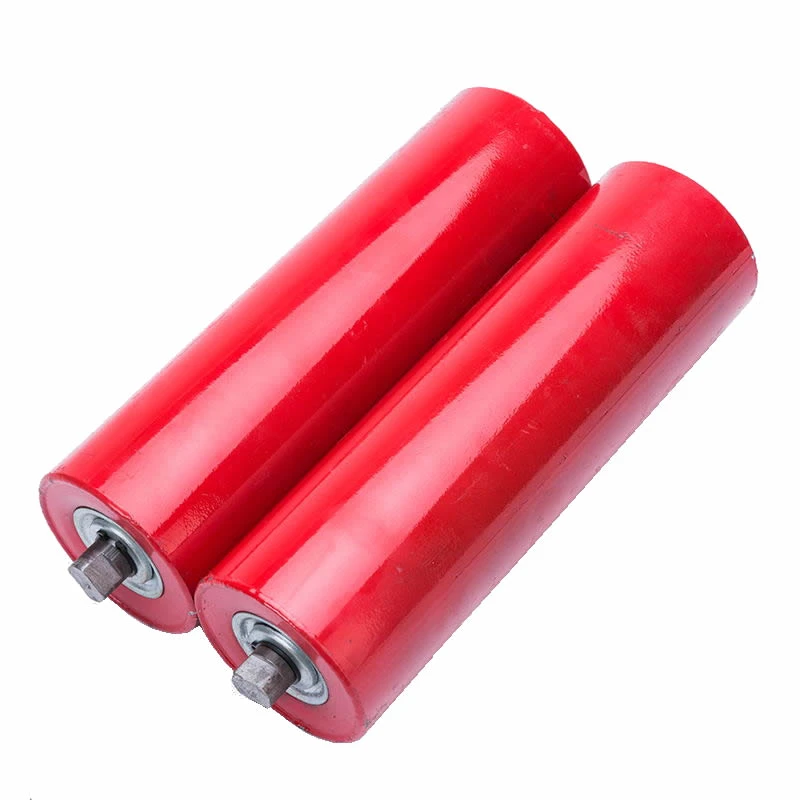
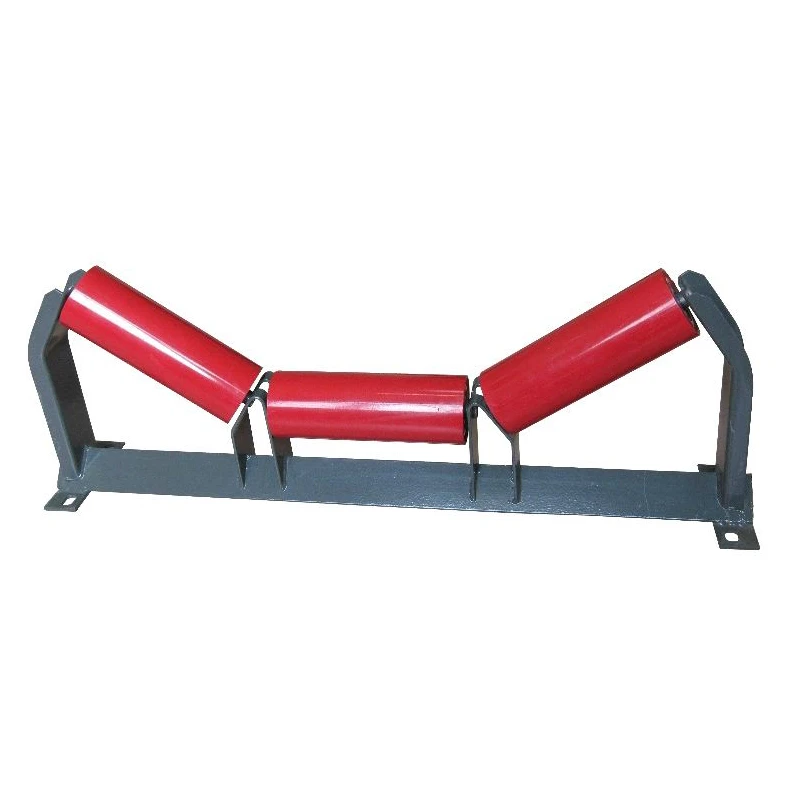
Simply put, stainless steel conveyor rollers are cylindrical components designed to rotate smoothly and support the movement of materials or products along a conveyor belt. Unlike basic steel or plastic rollers, these are made from corrosion-resistant stainless steel alloys — often grades 304 or 316 — which help them withstand tough conditions.
In industries where cleanliness is mandatory — think pharmaceutical production or fresh food handling — they also avoid contamination risks, which plastic or painted rollers might cause over time.
Beyond industry, these rollers find surprising uses in humanitarian logistics, such as moving supplies efficiently in disaster zones or remote projects, where robustness and reliability can't be compromised.
Mini takeaway: Stainless steel conveyor rollers are rugged, hygienic, and indispensable components engineered to keep material flow steady and contamination-free.
Key Features That Make Stainless Steel Conveyor Rollers Outstanding
1. Durability & Corrosion Resistance
Stainless steel alloys inherently resist rusting caused by moisture, acids, and corrosive chemicals — common culprits in industrial downtime. This translates to fewer replacements and less maintenance hassle.
2. Hygienic & Easy to Clean
The non-porous surface of stainless steel doesn’t harbor bacteria or residues, which is critical in food, beverage, and pharmaceutical sectors. Plus, they can be washed down repeatedly without degrading.
3. Load Capacity & Stability
Unlike plastic or aluminum rollers, stainless steel options typically handle heavier loads without bending or deforming. This allows for scalability in conveyor line design.
4. Temperature & Chemical Tolerance
From freezing warehouses to hot processing lines, these rollers cope well with extreme temperatures and exposure to cleaning agents, expanding their usability globally.
5. Low Maintenance & Longevity
They require less frequent lubrication and replacements, saving labor costs and production interruptions.
6. Compatibility & Customization
Available in diverse sizes and finishes, stainless steel rollers can be tailored for bespoke conveyor applications.
Mini takeaway: The blend of strength, sanitation, and endurance defines why stainless steel conveyor rollers remain a premium choice across sectors.
Real-World Applications & Use Cases
Industries worldwide leverage stainless steel conveyor rollers — here’s where they really stand out:
- Food Processing: They ensure hygienic transport of ingredients and packaging materials in facilities adhering to FDA and EU regulations.
- Pharmaceutical Manufacturing: Straightforward compliance with sanitary standards is vital — these rollers minimize contamination risk.
- Mining & Heavy Industry: Their robustness helps transport raw ore, often under harsh climatic conditions like deserts or freezing zones.
- Logistics & Warehousing: From automated sorting centers in North America to high-volume ports in Asia, stainless steel rollers help manage speed and load.
- Humanitarian Relief Operations: In disaster-hit remote areas, stainless steel rollers provide reliable movement of supplies where maintenance resources are scarce.
Mini takeaway: Stainless steel conveyor rollers are versatile and indispensable in operations demanding hygiene, durability, and adaptability.
Advantages & Long-Term Value of Stainless Steel Conveyor Rollers
Besides obvious durability, choosing stainless steel conveyor rollers offers:
- Cost Efficiency: Though initially pricier, their extended lifespan and lower maintenance save money.
- Environmental Sustainability: Many are recyclable; fewer replacements mean less waste.
- Safety & Reliability: Finished surfaces reduce the risk of product contamination or worker injury.
- Innovation Potential: They integrate smoothly with digital-sensor technologies for smart conveyor systems.
- Trust & Reputation: Using top-tier materials can boost client confidence in product quality.
Frankly, buying cheap rollers often results in unexpected downtime and hidden costs, something a lot of operators learn the hard way.
Mini takeaway: Stainless steel rollers deliver consistent performance and peace of mind, blending logic with an emotional sense of trustworthiness.
Looking Ahead: Future Trends in Stainless Steel Conveyor Rollers
Several emerging trends are shaping the future of conveyor rollers, including:
- Digital Integration: Embedded sensors that monitor roller condition in real-time to predict maintenance needs.
- Eco-friendly Manufacturing: Use of recycled stainless steel and greener production processes.
- Material Innovations: Hybrid rollers combining stainless steel with polymer coatings to enhance wear resistance.
- Automation & Robotics: Rollers designed for higher speeds to keep up with fully automated plants.
- Regulatory Pressure: Stricter hygiene standards pushing adoption in new industries and geographic markets.
It’s kind of fascinating to watch such a simple component evolve digitization and sustainability trends.
Mini takeaway: Future stainless steel conveyor rollers will be smarter, greener, and even more resilient, aligning with global innovation goals.
Common Challenges & Practical Solutions
Despite their advantages, stainless steel conveyor rollers face a few hurdles:
- Higher Upfront Costs: Initial investment can be daunting for small operations.
- Weight: Stainless steel is heavier than alternatives, requiring sturdier conveyor frames.
- Potential for Surface Scratching: Though resistant to rust, surface damage can occur under certain abrasive materials.
Industry experts often recommend thorough ROI analyses and opting for modular roller designs that allow easier replacement of damaged sections rather than wholesale overhaul.
Also, collaborating with reliable vendors who provide custom solutions and local support can minimize issues dramatically.
Mini takeaway: Tackling cost and maintenance concerns upfront enables operators to fully benefit from stainless steel rollers' strengths.
Product Specifications at a Glance
| Specification | Typical Range | Details |
|---|---|---|
| Material Grade | 304 / 316 Stainless Steel | 316 used for harsher corrosion resistance |
| Diameter | 20mm - 150mm | Customizable per conveyor needs |
| Load Capacity | Up to 500 kg per roller | Depends on shaft design & bearing type |
| Bearing Type | Sealed ball bearings | Low maintenance, smooth rotation |
| Surface Finish | Polished or brushed | Depends on hygiene or aesthetic needs |
| Temperature Range | -40°C to +400°C | Suitable for most industrial environments |
Vendor Comparison: Selecting the Right Supplier
| Feature | Vendor A | Vendor B | Vendor C |
|---|---|---|---|
| Material Options | 304, 316 SS | 304 SS only | Custom Alloys on request |
| Customization | Sizes, finishes, bearings | Limited to stock sizes | High; tailored solutions available |
| Lead Time | 2-4 weeks | 1-2 weeks | 3-6 weeks |
| Pricing | Mid-range | Budget-friendly | Premium |
| After-sales Support | 24/7 global support | Business hours only | Dedicated account managers |
FAQs: What You’re Really Asking About Stainless Steel Conveyor Rollers
Q1: Why choose stainless steel conveyor rollers over plastic ones?
Stainless steel rollers excel in durability and hygiene. Unlike plastic, they resist corrosion, handle heavier loads, and withstand harsh cleaning. For industries like food or pharma, stainless steel also prevents contamination — an important factor that plastic can’t always guarantee long-term.
Q2: How often should stainless steel conveyor rollers be maintained?
Maintenance frequency depends on usage, but generally, stainless steel rollers require less upkeep than alternatives. Regular visual inspections and occasional lubrication of bearings every 3-6 months can extend lifespan and performance dramatically.
Q3: Can stainless steel conveyor rollers operate in extreme temperatures?
Yes. These rollers typically handle temperatures from -40°C up to around +400°C without deforming, making them suitable for refrigerated warehouses or hot manufacturing lines.
Q4: Are customized sizes available if my conveyor has unique dimensions?
Absolutely. Many manufacturers offer bespoke roller sizes, diameters, and finishes to match specific conveyor requirements. It’s best to discuss your needs with suppliers early in the design phase.
Q5: How do I import stainless steel conveyor rollers for my operation?
Importing depends on local regulations and logistics. Partnering with experienced vendors who provide export documentation and shipment tracking simplifies the process. Some suppliers also assist with compliance paperwork, easing customs clearance.
Conclusion: Why Stainless Steel Conveyor Rollers Are an Investment Worth Making
To sum up, stainless steel conveyor rollers combine reliability, sanitation, and strength in a way that no other material quite matches. Whether you’re running a food processing line in Europe, a mining facility in Africa, or delivering aid across rough terrain, investing in these rollers saves money, reduces downtime, and supports higher standards of safety and sustainability.
When you visit our website, you’ll find a range of stainless steel conveyor rollers designed to meet diverse industrial needs — backed by expert advice and customizable options.
In the end, considering the true cost of cheap components makes it clear: stainless steel rollers pay dividends the longer your system runs.