Self Aligning Friction Roller: what’s moving the world’s bulk material lines
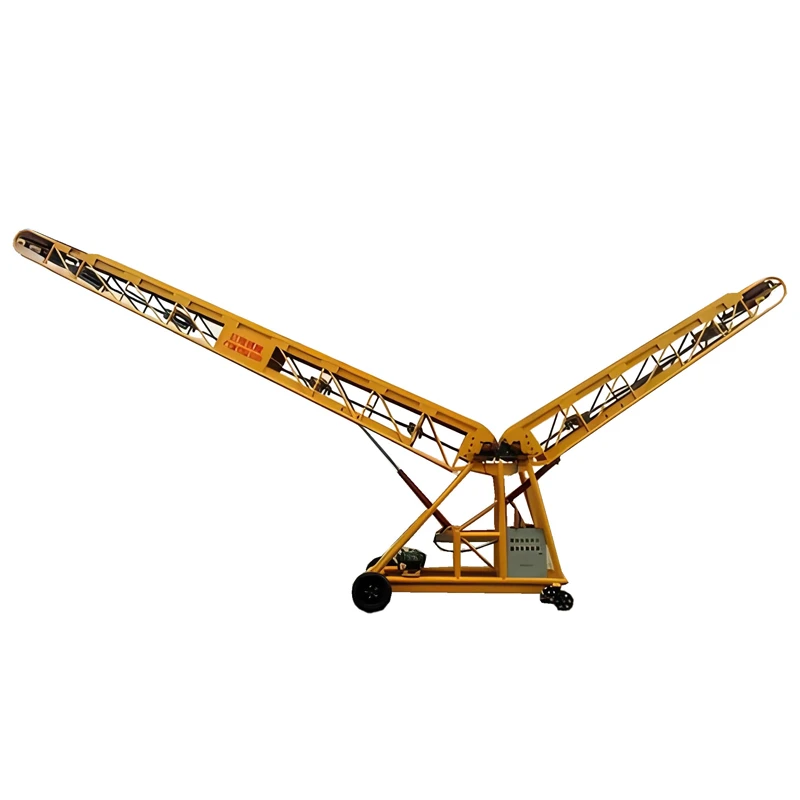
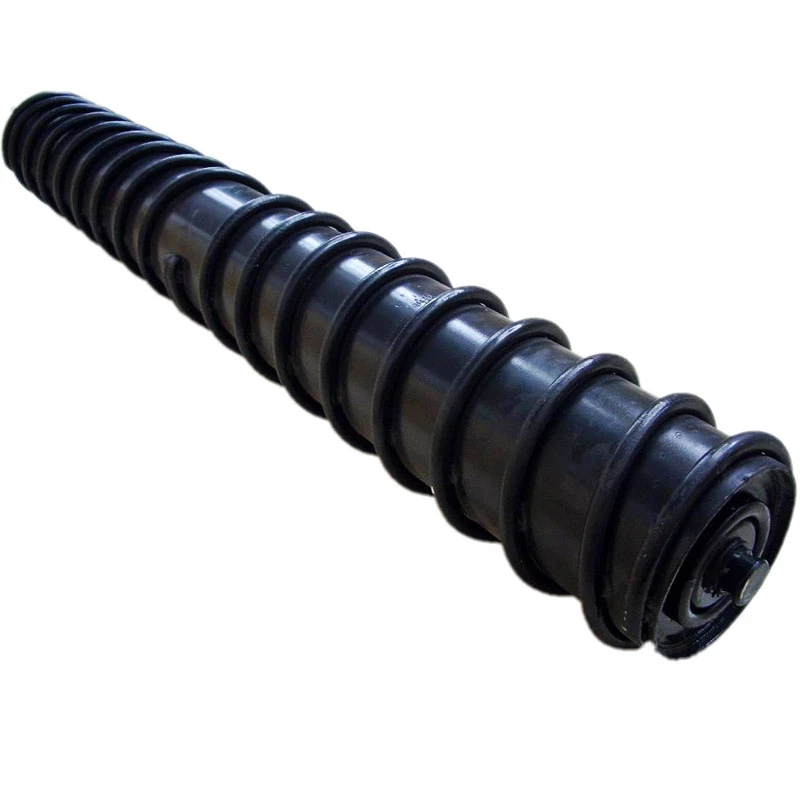
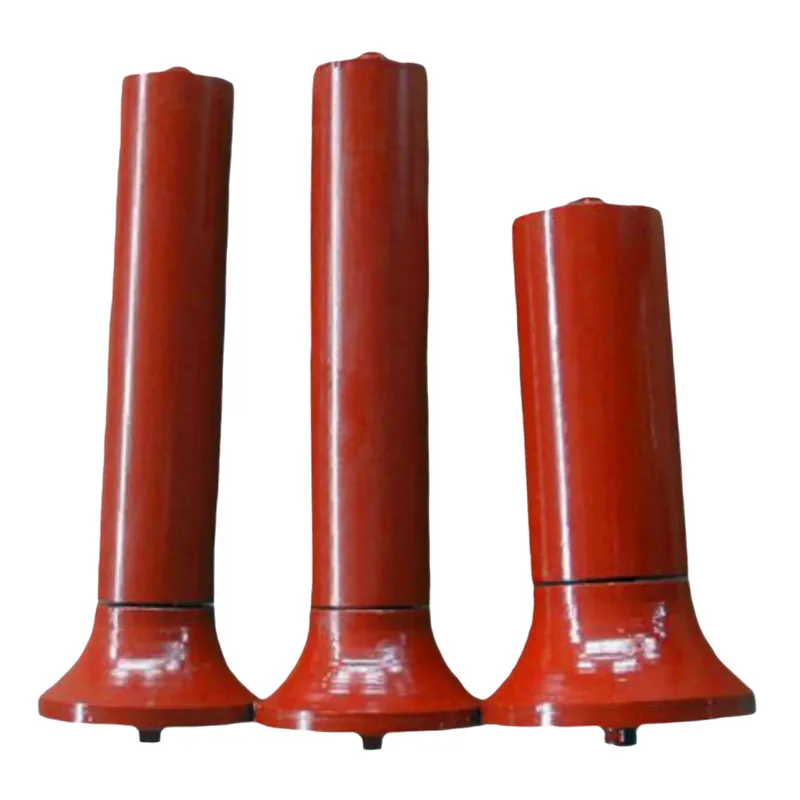
If you work around conveyors, you already know the quiet heroes are the rodillos de transporte. They’re not flashy, but when they’re right, belts track straight, spillage drops, and maintenance stops nagging you at 2 a.m. In fact, the Self Aligning Friction Roller from HG feels like one of those incremental upgrades that add up to serious OEE gains.
Industry snapshot
Across mining, cement, aggregates, ports, and parcel hubs, I’m seeing three trends: tougher sealing against fine dust, smarter self-centering (less human tweaking), and coatings that tame noise and wear. Energy efficiency is creeping in too—lower rolling resistance bearings and true concentricity save kWh surprisingly fast on long runs.
How this roller is built
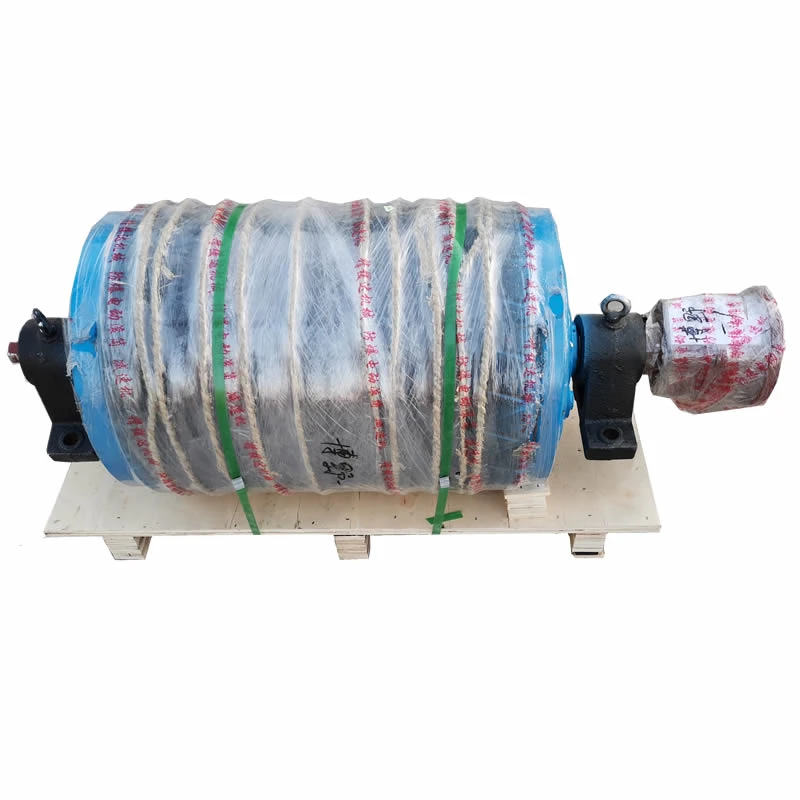
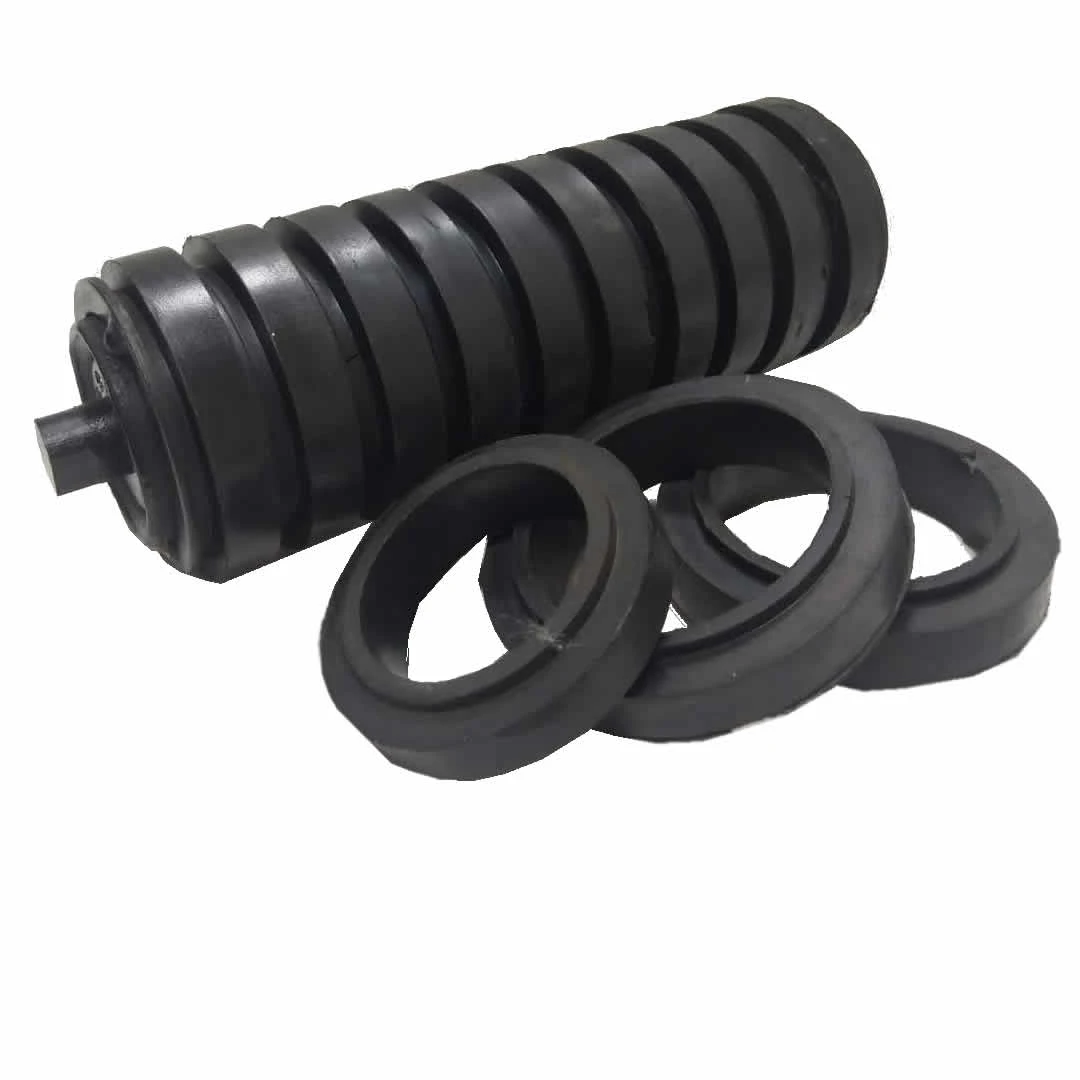
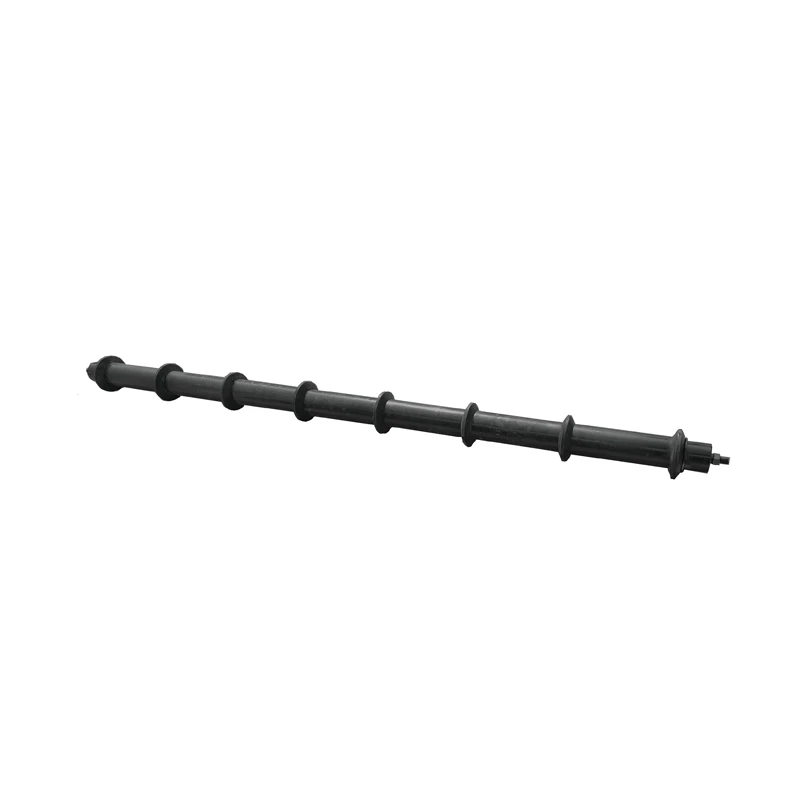
The friction roller is a drum–shaft–bracket assembly that supports the belt, transmits load, and—here’s the trick—nudges misaligned belts back to center. HG’s drum uses precision steel tube, a machined shaft, deep-groove bearings, and a triple-labyrinth plus contact seal. Balancing is done to ISO 1940-1 (≈G16–G40 depending on speed), which, to be honest, is where the low vibration comes from in real plants.
| Parameter | Typical spec (≈, real-world use may vary) |
|---|---|
| Roller diameter | 89–168 mm (custom up to 194 mm) |
| Shell material | Q235/Q345 steel, optional galvanized or polyurethane lagging |
| Shaft | Precision steel, HRC 25–30 |
| Bearings | Deep-groove ball, L10 ≈ 30,000–50,000 h (ISO 281) |
| Sealing | Triple-labyrinth + contact seal; salt-spray test 72 h (ASTM B117) |
| Runout/TIR | ≤0.30 mm @ 600 mm length |
| Load rating | Up to ≈ 3.5 kN per roller (CEMA C–D duty) |
| Belt width | 500–1800 mm |
| Ambient temp. | -20 to +80 °C (high-temp options available) |
| Service life | Typically 20,000–50,000 h with proper alignment and sealing |
Process and testing, briefly
- Materials: steel tube, precision shaft, bearings to ISO 281; optional PU or rubber lagging.
- Methods: automatic welding, dynamic balancing (ISO 1940-1), surface treatment, final torque check.
- QC/tests: runout gauge, noise ≤ 60 dB @1 m, seal dust test, salt spray, belt tracking trials per CEMA practices.
- Certifications: ISO 9001 for quality systems; product aligns with CEMA 502 idler guidance.
Where it’s used
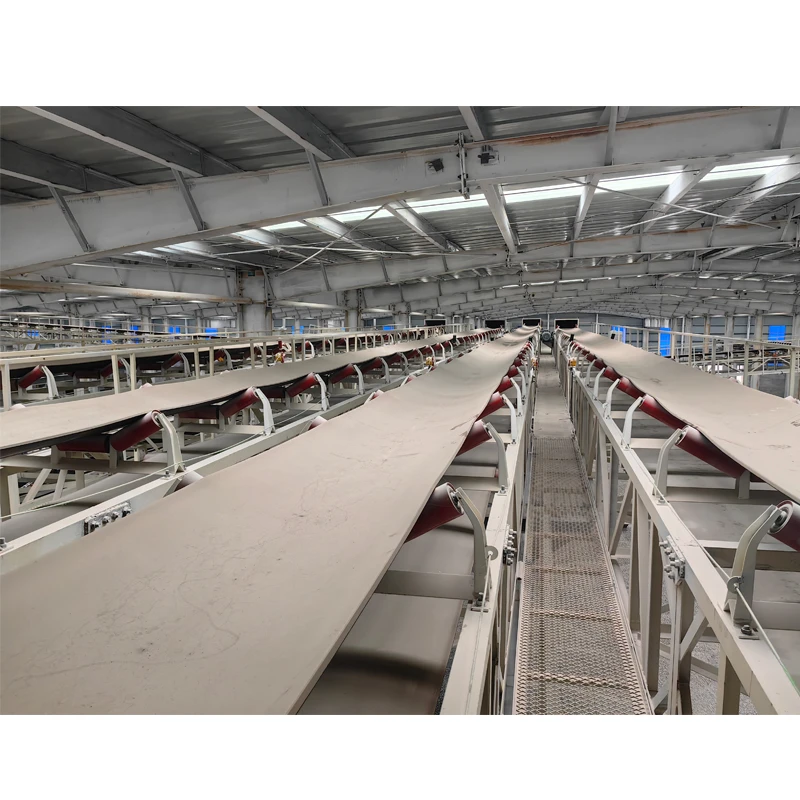
Mining faces, clinker lines, quarry conveyors, grain terminals, and yes, those mile-long e‑commerce sorters. Many customers say the self-aligning action reduces edge wear and spillage by “a third or so.” It seems that oversized loading zones benefit most.
Vendor snapshot (quick compare)
| Vendor | Strength | Certs | Lead time | Price (≈) |
|---|---|---|---|---|
| HG (Self Aligning Friction Roller) | Balanced build, strong sealing, custom sizes | ISO 9001; CEMA-aligned | 2–4 weeks | Mid |
| Vendor A (EU) | Premium coatings, low noise | ISO 9001, CE | 4–6 weeks | High |
| Vendor B (APAC) | Cost-effective, large volumes | ISO 9001 | 3–5 weeks | Low–Mid |
Customization and options
Diameter/length, sealing grades, anti-corrosion finishes, anti-static coatings, food-safe lagging, and brackets to match legacy frames. For hot or sticky product, ask for crowned or polyurethane-lagged versions to smooth tracking.
Field notes (2 quick cases)
- Cement plant, 1200 mm belt: swap to self-aligning set cut edge spillage ≈35% and extended MTBF from 14 to 22 months. Operators liked the quieter run.
- Iron ore, outdoor conveyor: upgraded seals plus galvanized shells survived monsoon season; idler failure rate halved year-over-year.
Origin and support: Room1109, Building C, Tianshan Galaxy Plaza, No. 358 Yuhua East Road, Shijiazhuang High tech Zone, Hebei Province. If you’re specifying rodillos de transporte for expansion or retrofit, shortlist this model—especially where mis-tracking penalties are ugly.
Final thought: specs matter, but so does listening. HG’s team actually asks about belt speed, load zones, and dust grade before quoting. That’s how rodillos de transporte avoid becoming shelf art.
References
- CEMA Standard No. 502: Bulk Material Conveyor Idlers. https://cemanet.org
- ISO 1940-1: Mechanical vibration — Balance quality requirements. https://www.iso.org/standard/18780.html
- ISO 281 / Bearing life fundamentals (SKF resource). https://www.skf.com/group/products/rolling-bearings/knowledge/engineering-tools/bearing-life
- DIN 22101: Continuous conveyors — Calculation and dimensioning. https://www.beuth.de/en/standard/din-22101