Pharmaceutical Conveyor Systems: A Veteran’s Perspective
Having spent over a decade in industrial equipment servicing pharmaceutical plants, I’ve seen firsthand how vital the humble conveyor belt is in this sector. It’s odd how something so seemingly simple holds up the entire flow—from raw material to finished product packaging.
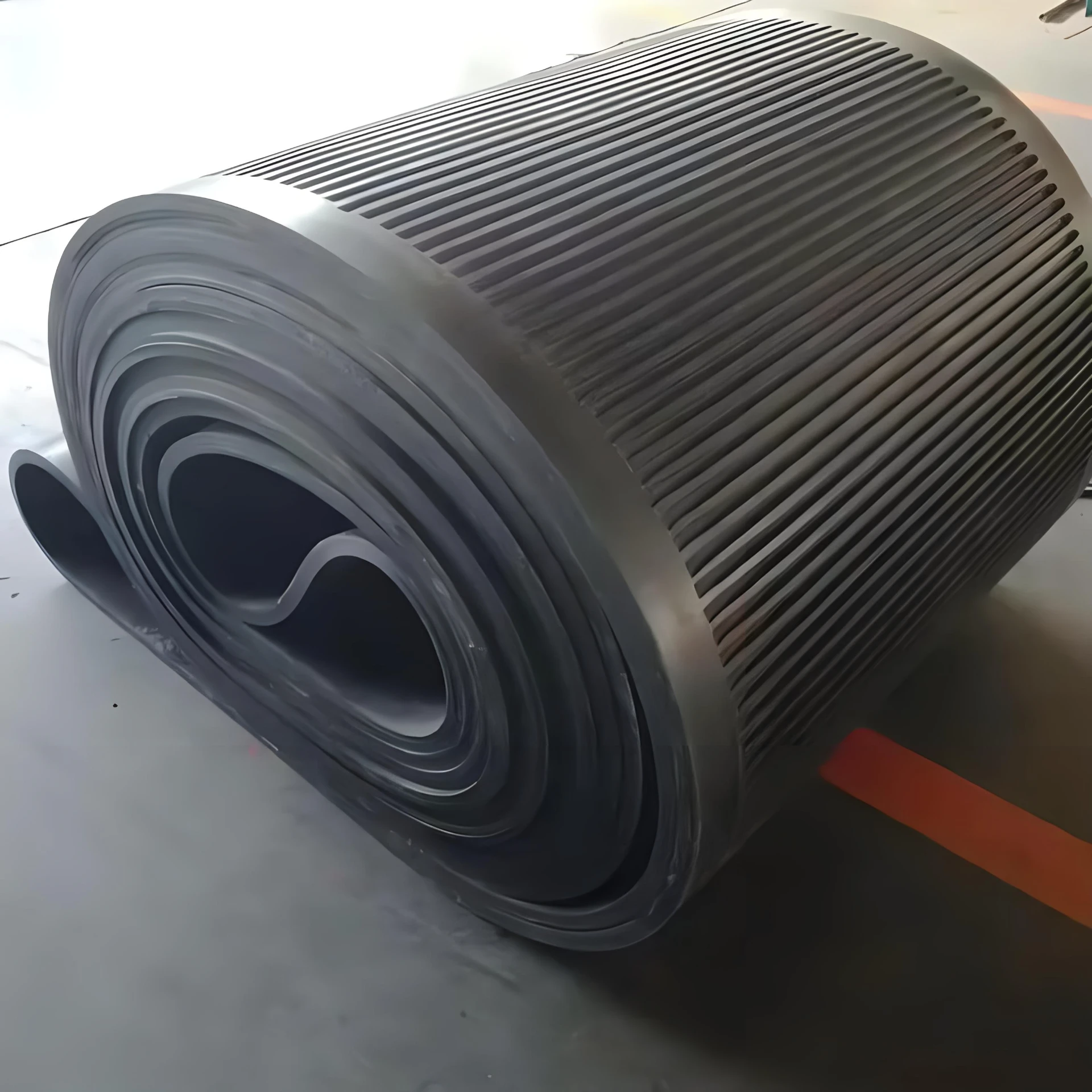
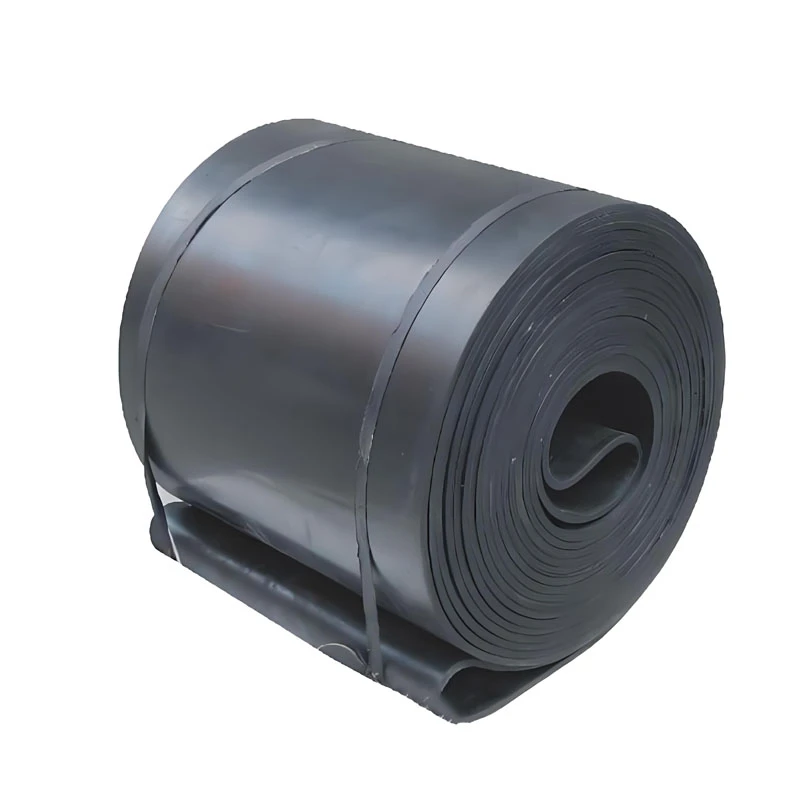
Pharmaceutical conveyor systems aren’t just about moving items; they’re about precision, cleanliness, and reliability. You don’t just want any belt; it has to be tailored to meet stringent standards and avoid contamination, which is a constant concern in pharma.
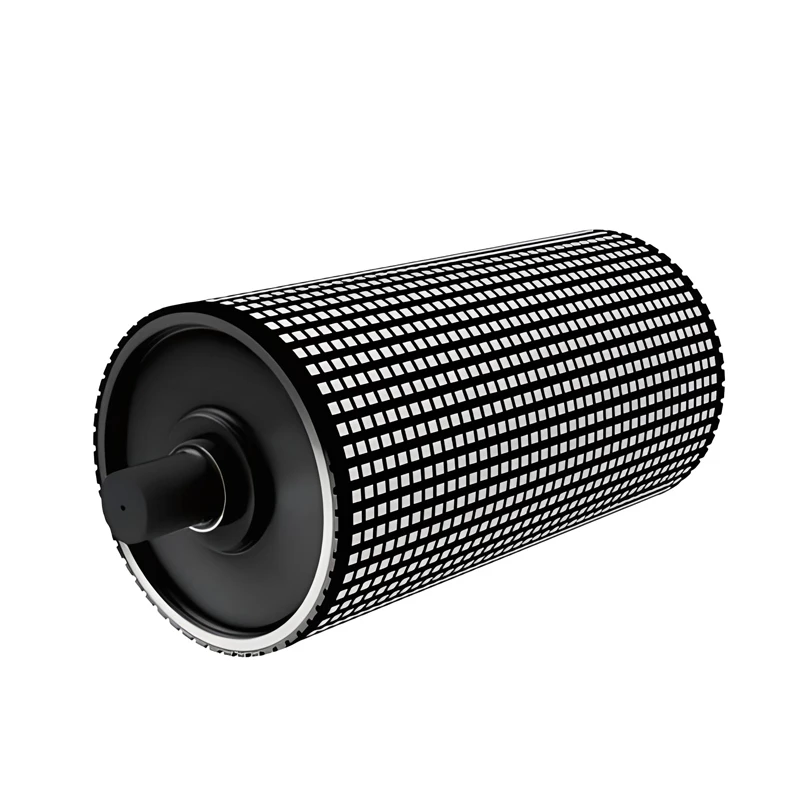
In real terms, that means materials used have to be FDA and GMP compliant, often involving food-grade PU or stainless steel rollers. These conveyors also need to handle delicate items like blister packs without damaging or misaligning them—kind of like threading a needle while keeping pace.
One thing I’ve noticed over the years is that engineers tend to favor modular designs. Why? They’re easier to clean and maintain — both huge pluses when cross-contamination is a legal and ethical no-go. And frankly, downtime can cost tens of thousands per hour in pharma, so a conveyor that’s quick to service is a lifesaver.
| Parameter | Specification |
|---|---|
| Belt Material | Food-grade PU, Silicone, or FDA PVC |
| Frame Material | 304 or 316 Stainless Steel |
| Min Belt Width | 150 mm (6 inches) |
| Max Belt Speed | 120 m/min |
| Sanitary Design | Rounded edges, Easy to clean, No crevices |
| Power Supply | 230/400V, 50/60Hz, 3 Phase |
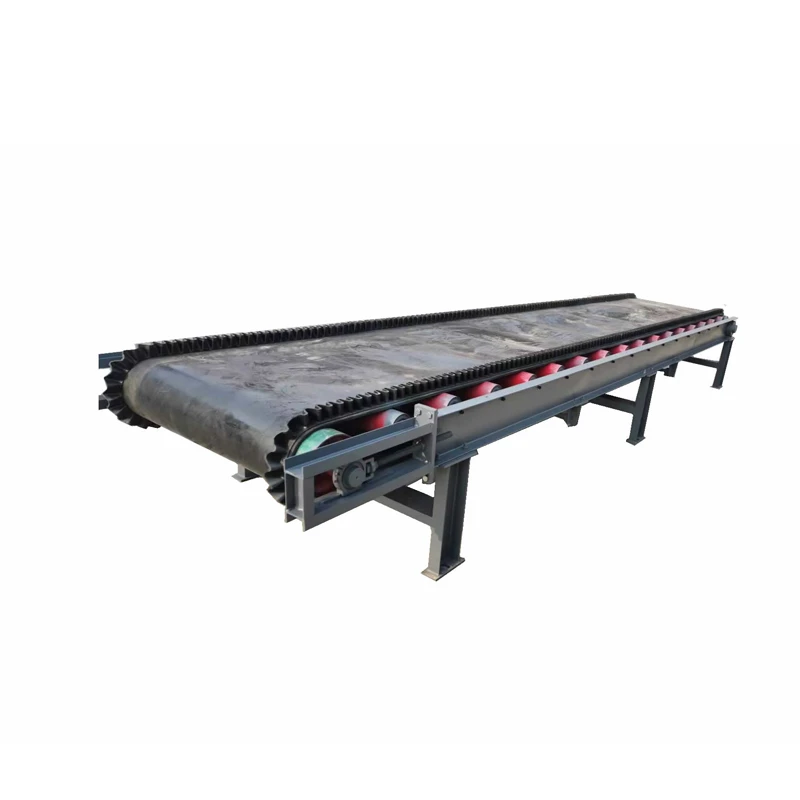
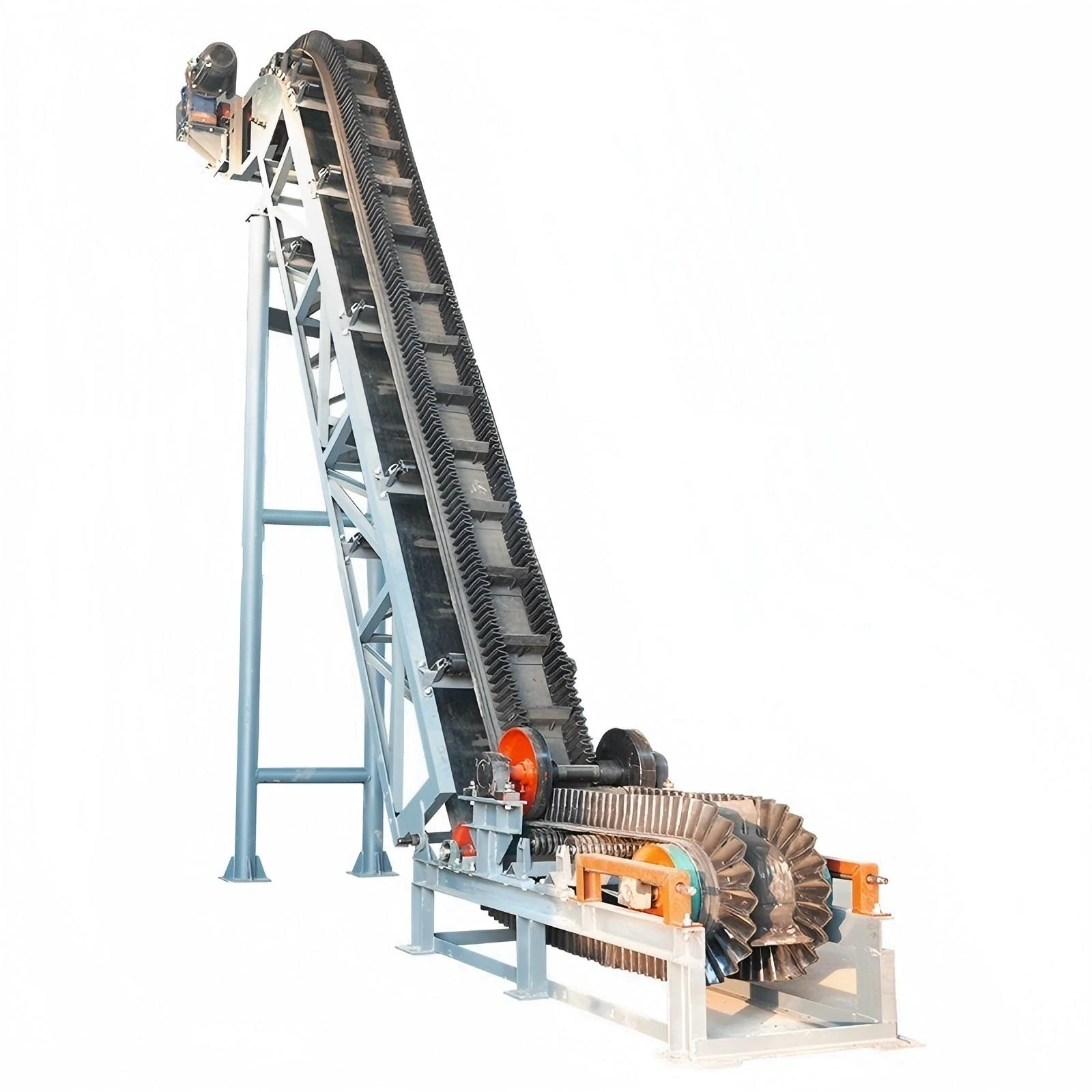
Now, customization is no joke here. I remember a client once who was struggling with fragile ampoules slipping off a downward incline conveyor. The team and I suggested adding cleats and tweaking the belt material to a higher-friction surface. Job done, no breakages since.
Testing these conveyors before going live is another crucial step. It’s not just a matter of running the belt for a few minutes. In pharma environments, they simulate actual product loads, verify cleanability with harsh chemicals, and make sure the systems comply with ISO and EHEDG standards—so you know the machine won't let you down in the middle of a batch.
| Vendor | Sanitary Features | Customization Options | Lead Time | Support & Aftercare |
|---|---|---|---|---|
| HG Conveyor Belt | Excellent; Meets FDA-GMP | Highly flexible with modular designs | 4–6 weeks | Responsive, offering training & on-site support |
| PharmaSystems Inc. | Good; Stainless steel focus | Moderate; standard modules | 6–8 weeks | Technical hotline, limited on-site |
| ConveyPro Solutions | Average; some plastic parts | Basic customization | 3–5 weeks | Email support only |
Walking the fine line between performance and compliance is the name of the game. The right pharmaceutical conveyor can streamline operations, reduce errors, and keep everything hygienic. Oddly enough, despite the high-tech outbreaks in this field, the conveyors often stay low-profile, barely noticed—yet without them, nothing really moves.
So yeah, if you’re new to this world or just wanting to upgrade, spending time on design specifics and vendor choices pays off big. And in this industry, where product purity and speed matter equally, it just feels right to lean on trusted partners.
“The difference between a decent conveyor and a great one? You feel it when bottlenecks disappear and cleaning is a breeze.”
References:
1. FDA Guidance on Pharmaceutical Equipment Sanitation
2. EHEDG Sanitary Design Criteria
3. Personal experience with multiple pharma conveyor installations (2010–2023)