Elevating Conveyor: The Unsung Workhorse of Material Handling
Having spent quite a few years in industrial equipment, I’ve seen conveyors come and go, but elevating conveyors always stick in my mind. They’re kind of the backbone when you need to move products up or down between different levels, without breaking a sweat. What I find odd but also fascinating is how these machines can be so simple yet so critical on a busy factory floor or warehouse.
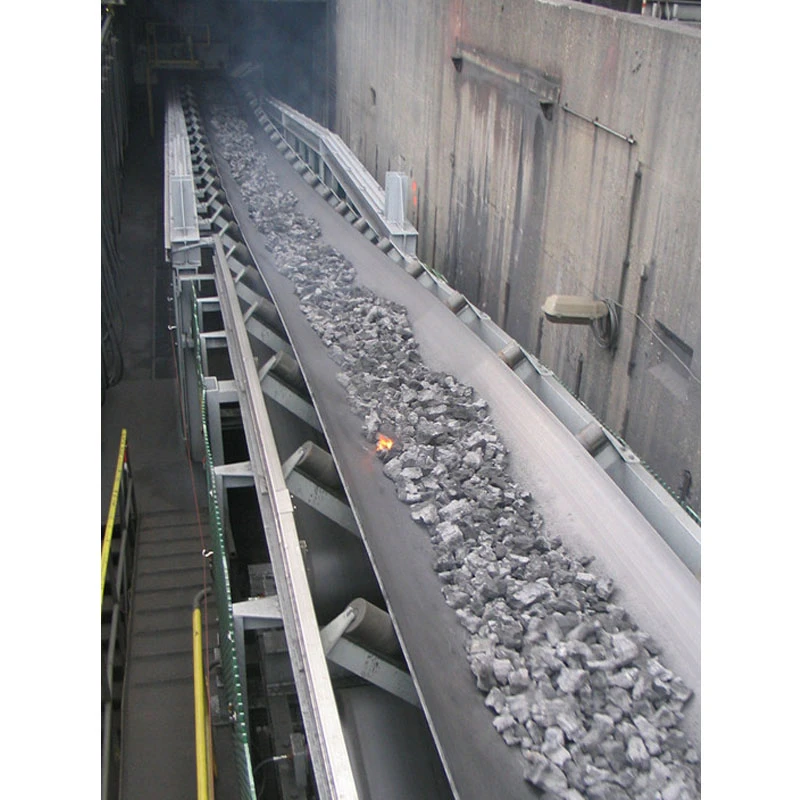
For those unfamiliar, an elevating conveyor essentially helps move goods vertically or on an incline, saving loads of manual labor and optimizing space—especially in multi-tiered facilities. It feels like, in many ways, these conveyors quietly carry the weight of productivity, literally and figuratively.
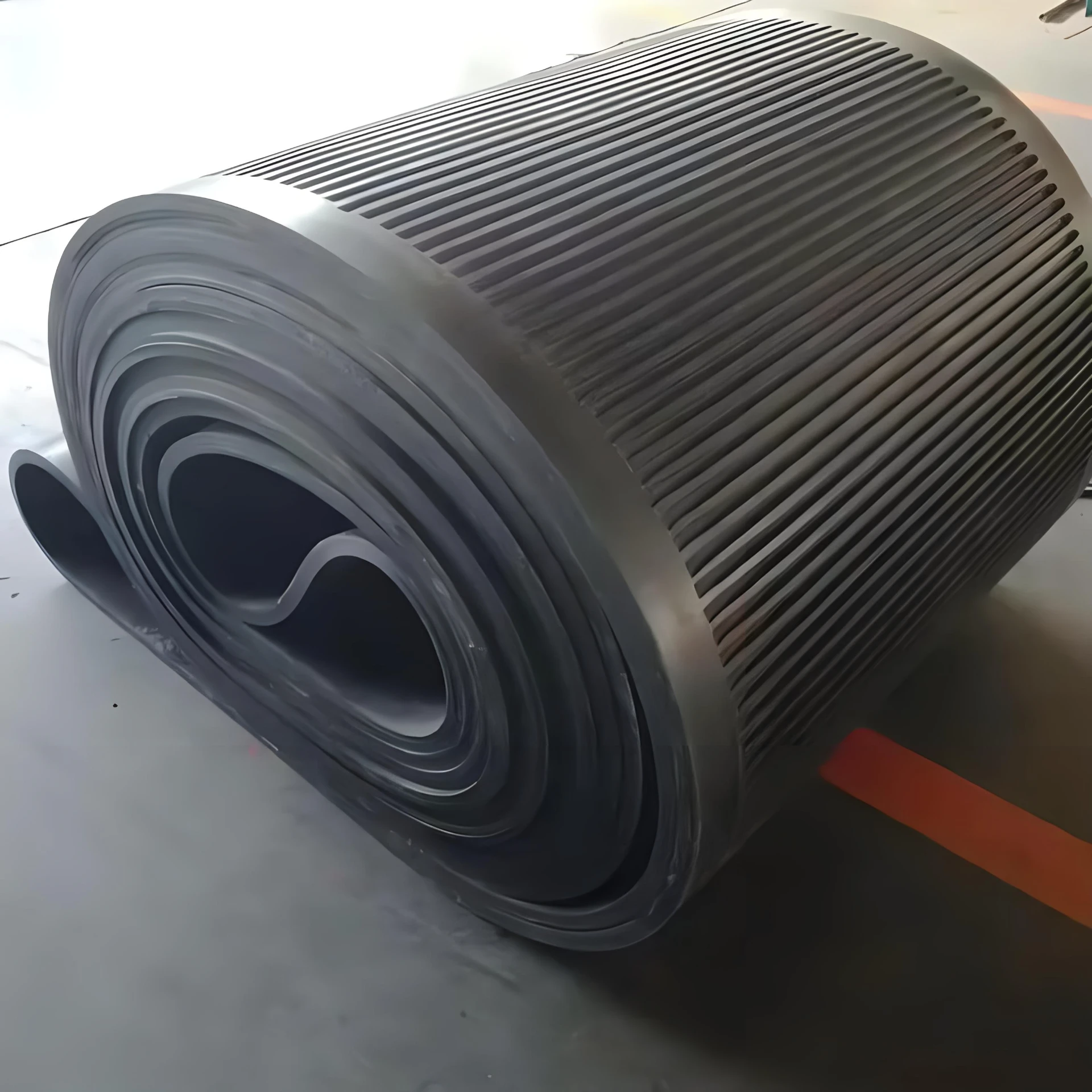
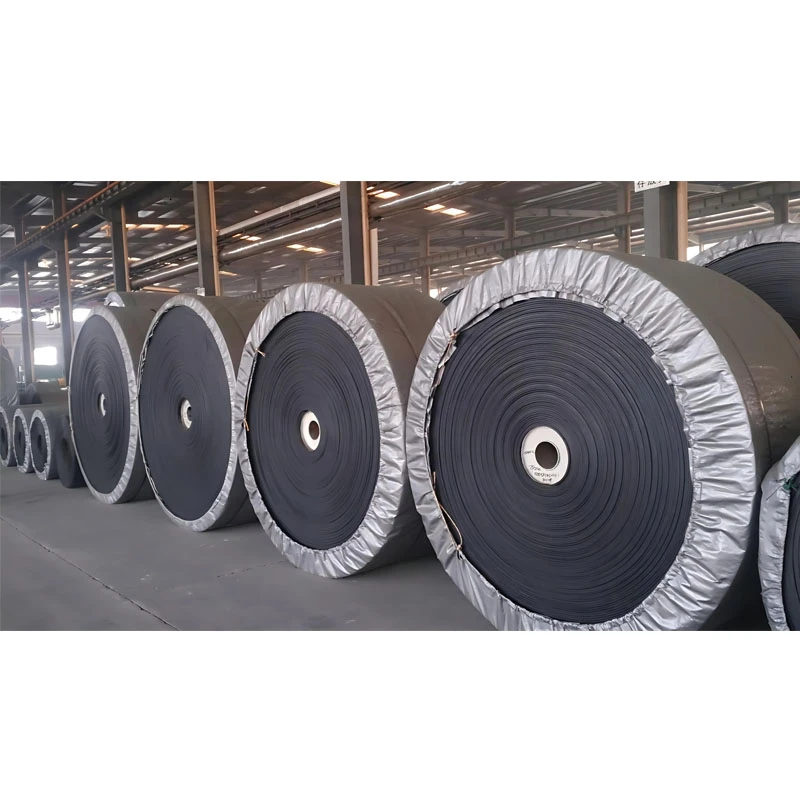
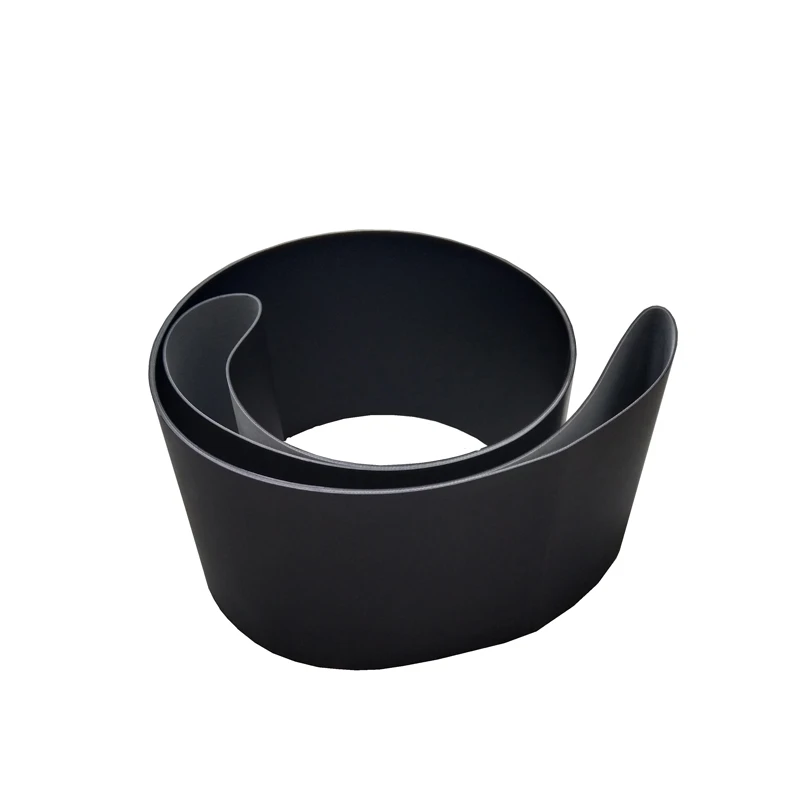
Now, let’s get real about the specs because not all elevating conveyors are built equal. Materials range from heavy-duty galvanized steel to stainless steel for corrosion resistance. Belt types matter too—you might see flat belts, cleated (for gripping loose or awkward items), or modular plastic belts for easy cleaning. Motor power varies depending on capacity, with some models capable of handling several tons per hour.
| Specification | Typical Range/Value |
|---|---|
| Conveyor Length | 2 to 30 meters |
| Incline Angle | 15° to 45° |
| Belt Width | 300 mm to 1500 mm |
| Motor Power | 0.37 kW to 7.5 kW |
| Material | Galvanized/Stainless Steel |
| Belt Types | Flat, Cleated, Modular Plastic |
Customization is a huge deal here. I remember a project dealing with fragile glass bottles where the elevating conveyor had to be equipped with a gentle belt and adjustable speed controls. It felt almost like tuning a musical instrument. Getting the speed and belt tension just right avoided bottle damage while keeping production steady. It’s those sorts of nuances that make you appreciate how much engineering goes into what seems like basic equipment.
Speaking of engineering, testing is rigorous — durability under continuous load, resistance to debris and dust, and safety features (like emergency stops and guards) are critical. Many engineers I've worked with emphasize safety standards because these conveyors sometimes operate near human workers, and any mishap can be costly.
| Vendor | Product Range | Customization | After-Sales Support | Price Level |
|---|---|---|---|---|
| HG Conveyor Belt | Extensive (incl. elevating types) | High – bespoke options | Reliable & responsive | Moderate |
| ConveyorTech Inc. | Standard models only | Limited customization | Good but slow | Low-medium |
| LiftMaster Solutions | Niche industrial sectors | Moderate | Excellent | High |
When it comes to picking a vendor, I often suggest looking beyond price. Frankly, I’ve seen too many rushed purchases where poor support or limited custom options caused headaches down the road. HG Conveyor Belt tends to hit a sweet spot — they offer enough customization without breaking the bank and have a solid reputation for support. Their elevating conveyors, especially, seem very well-engineered for durability and ease of maintenance.
Ultimately, elevated conveyors streamline workflows in ways that are easy to overlook at first glance. They improve ergonomics, reduce manual lifting injuries, and maximize vertical space for operations that simply can’t afford to sprawl horizontally.
So, if you’re involved in picking or upgrading a conveyor system, it pays to consider the full picture—from the specs to the vendor relationship. Oddly enough, the conveyor that moves stuff uphill may be the unsung hero you rely on the most.
Here’s a quick takeaway: Good elevating conveyors keep factories running smoothly and workers safe, all while taking up less space than you think.
References:
- Industrial Conveyor Systems Handbook, 3rd Edition.
- Practical Guide to Material Handling, Smith & Taylor, 2019.
- Vendor case studies from HG Conveyor Belt official website.