Product Turning Conveyor: A Practical Perspective from Industry Experience
Having spent over a decade in the industrial equipment sector, I can honestly say that the product turning conveyor is one of those unsung heroes on the factory floor. It might not grab headlines the way robotic arms or IoT sensors do, but in real terms, it plays a pivotal role in streamlining complex packaging and assembly lines.
Now, for those unfamiliar, a product turning conveyor is basically a specialized conveyor that can pivot or rotate goods during transport, allowing them to change direction or orientation without manual intervention. This is huge if you’ve ever dealt with bottlenecks caused by manual re-positioning.
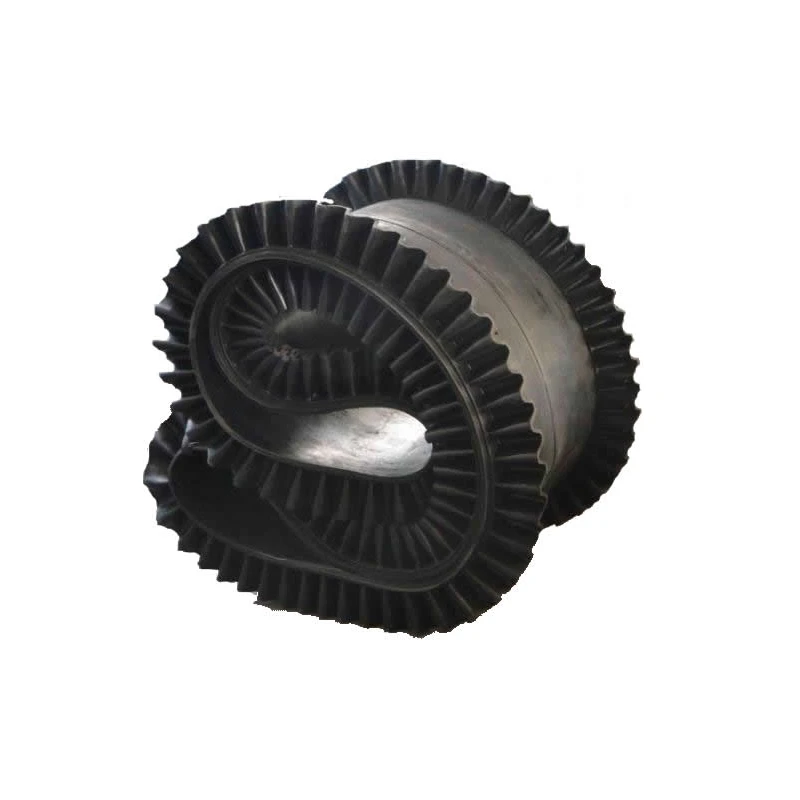
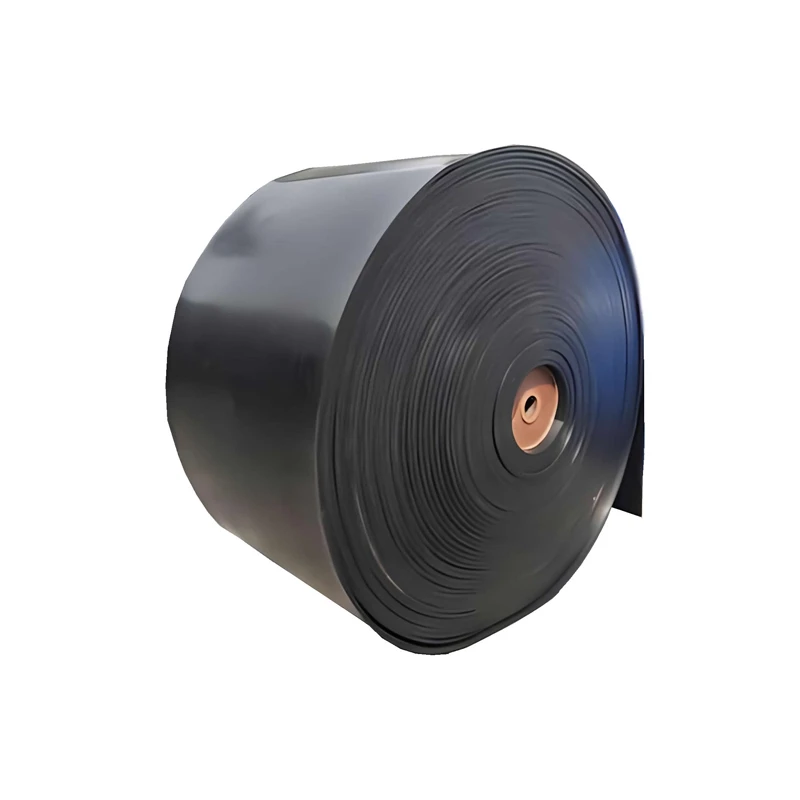
Oddly enough, the design of these conveyors is deceptively simple but requires careful engineering. The belts must provide enough grip to rotate the items precisely — no slipping allowed — but not so much that the items get damaged, especially if the product has delicate surfaces. Materials like modular plastic belts or high-friction rubber belts are often chosen based on the product type.
| Feature | Specification |
|---|---|
| Belt Type | Modular Plastic / Rubber Friction Belts |
| Turn Angle | 90°, 180°, Custom Angles Available |
| Load Capacity | Up to 150 kg per unit |
| Speed Range | 0.5 - 50 m/min |
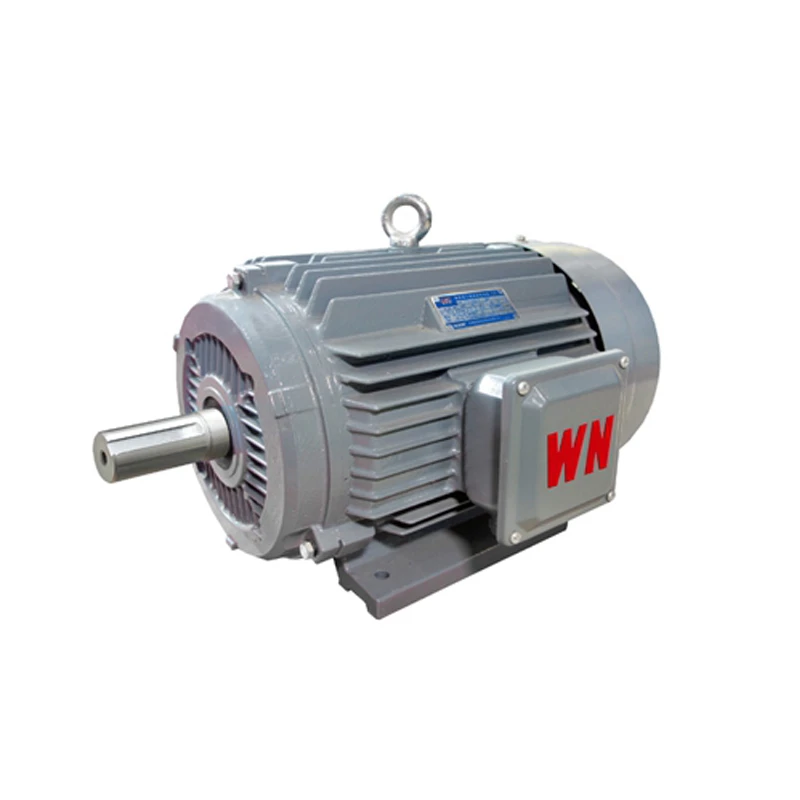
| Drive Type | Gearmotor / Servo Motor Options |
| Frame Material | Stainless Steel / Aluminum |
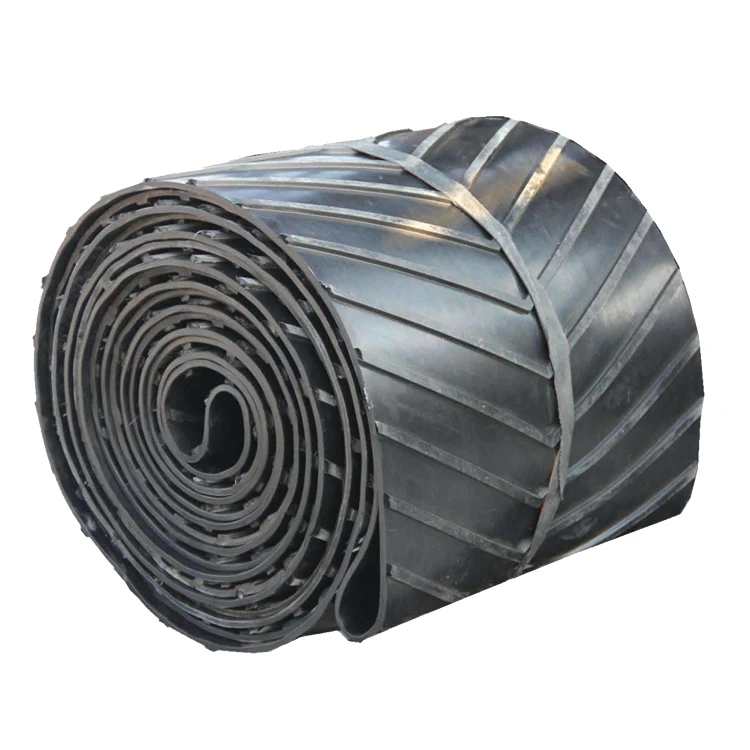
From my observation, customization is key. Some of the best systems don’t off-the-shelf fit every production line — they get tailored. For instance, adjusting the conveyor’s turn speed or the type of belt can radically improve throughput and reduce jams. I recall a client in food packaging who struggled with fragile pastry cases sliding off one of their older conveyors until we switched to a modular plastic belt with chevron patterns that gave just enough grip.
Testing also can’t be overstated. You want a vendor who conducts thorough run-in tests under actual load conditions — not some quick spin in the showroom. Many engineers say that’s the difference between a conveyor that lasts years and one that’s a headache after months.
| Feature | HG Conveyor Belt | Vendor B | Vendor C |
|---|---|---|---|
| Customization Available | Extensive | Limited | Moderate |
| Delivery Time | 3-4 weeks | 6-8 weeks | 4-5 weeks |
| After-Sales Support | 24/7 Support, On-Site Visits | Email Only | Phone Support (Business Hours) |
| Price Level | Mid-Range | Premium | Budget |
| Warranty | 2 Years Standard | 1 Year | 6 Months |
In closing, if you’re in the market for a conveyor system that needs to turn products efficiently, it pays off to pick one that’s not just "good enough," but well-engineered and proven in the field. HG Conveyor Belt consistently stands out — I’ve seen their conveyors run reliably under tough schedules. Plus, the combination of solid customer service and adaptable engineering just can't be overstated.
Honestly, the small investment in choosing a durable, tested product turning conveyor often saves you countless hours of downtime and frustration. And that’s something every plant manager appreciates, naturally.
References:
- Industry Equipment Monthly, "Conveyor Innovations 2023"
- Packaging Today, "Reducing Downtime with Smart Conveyors"
- Engineering Insights, "Conveyor Belt Materials and Design"