Understanding Mechanical Conveyors for Efficient Material Handling
In the world of logistics, manufacturing, and bulk material handling, efficiency is paramount. Mechanical conveyors play a crucial role in streamlining these processes, offering a reliable and cost-effective method for moving goods. From simple belt conveyors to complex roller systems, understanding the different types, applications, and benefits of mechanical conveyors is essential for optimizing your operations. This article will delve into the world of mechanical conveyors, providing a comprehensive overview for businesses looking to improve their material handling capabilities.
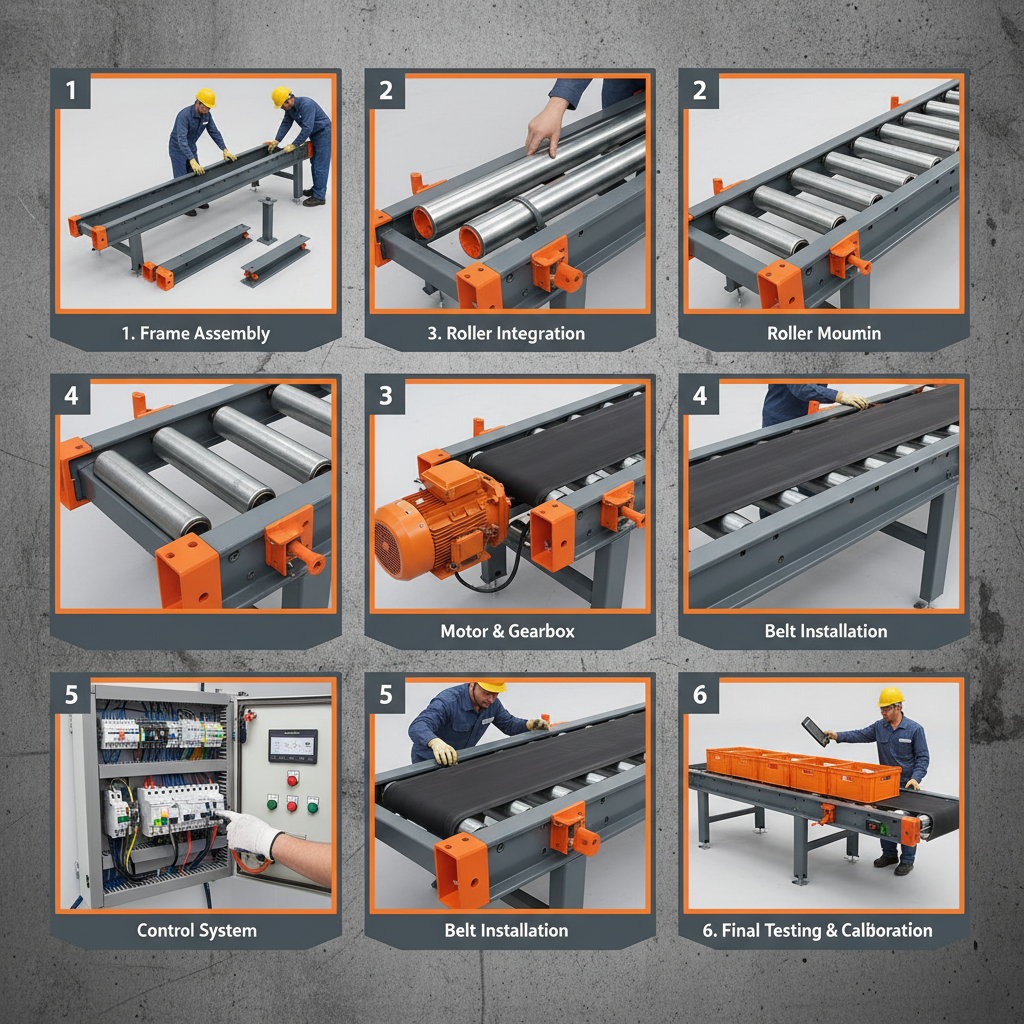
What are Mechanical Conveyors?
A mechanical conveyor is a bulk material handling system that uses mechanical components to move items from one location to another. Unlike manual handling, conveyors offer continuous, automated transport, reducing labor costs and increasing throughput. These systems are incredibly versatile, handling a wide range of materials, from lightweight packages to heavy bulk solids. They are used in diverse industries, including agriculture, mining, food processing, and manufacturing. Choosing the right conveyor depends on factors like material type, distance, elevation changes, and required capacity.
Key Benefit: Reduced labor costs, increased efficiency, and improved safety compared to manual material handling.
Types of Mechanical Conveyors
The world of mechanical conveyors is surprisingly diverse. Here are some of the most common types:
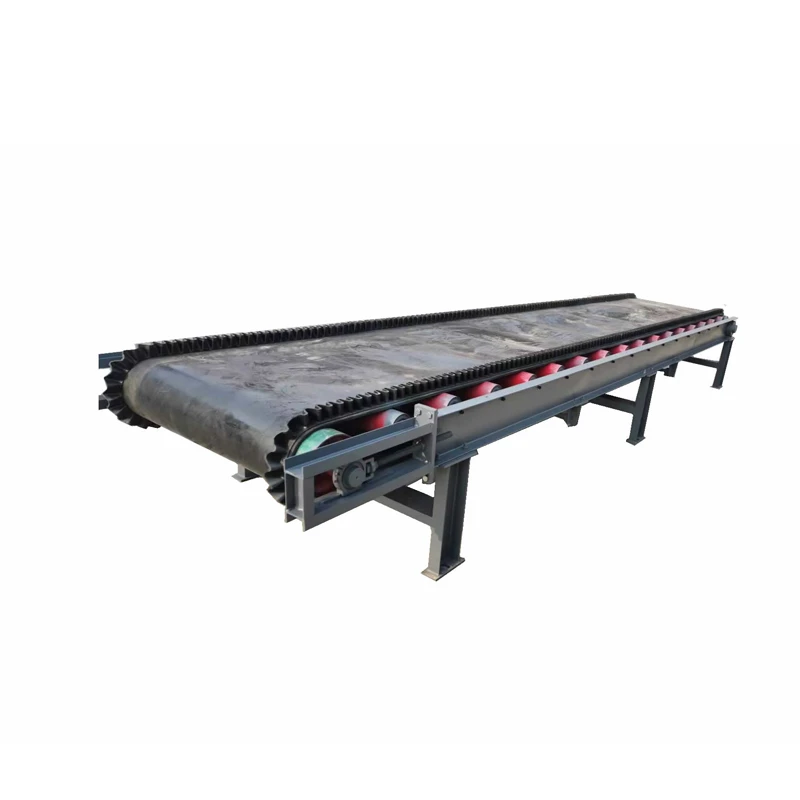
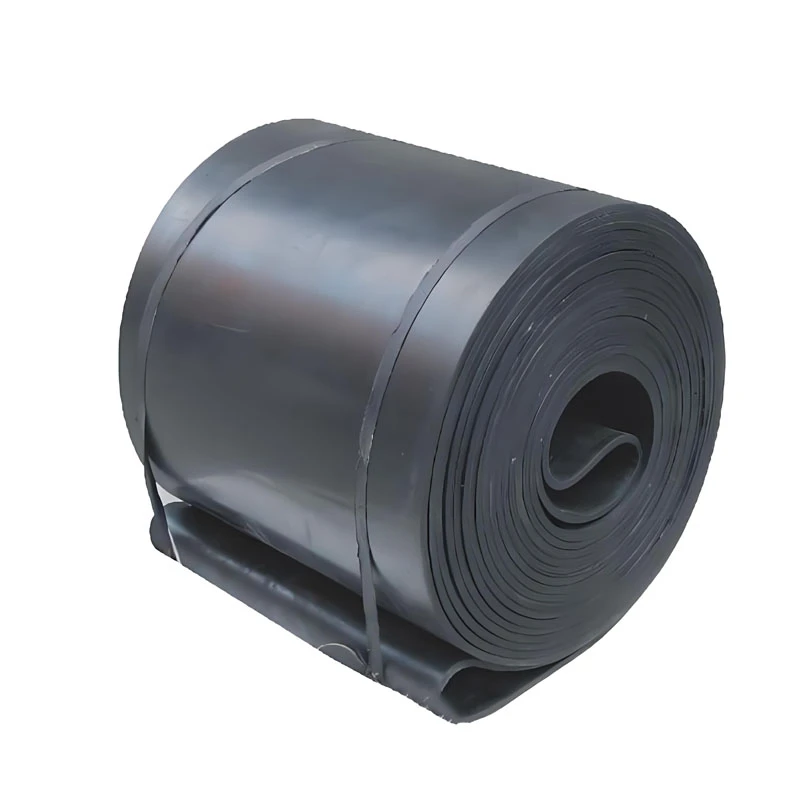
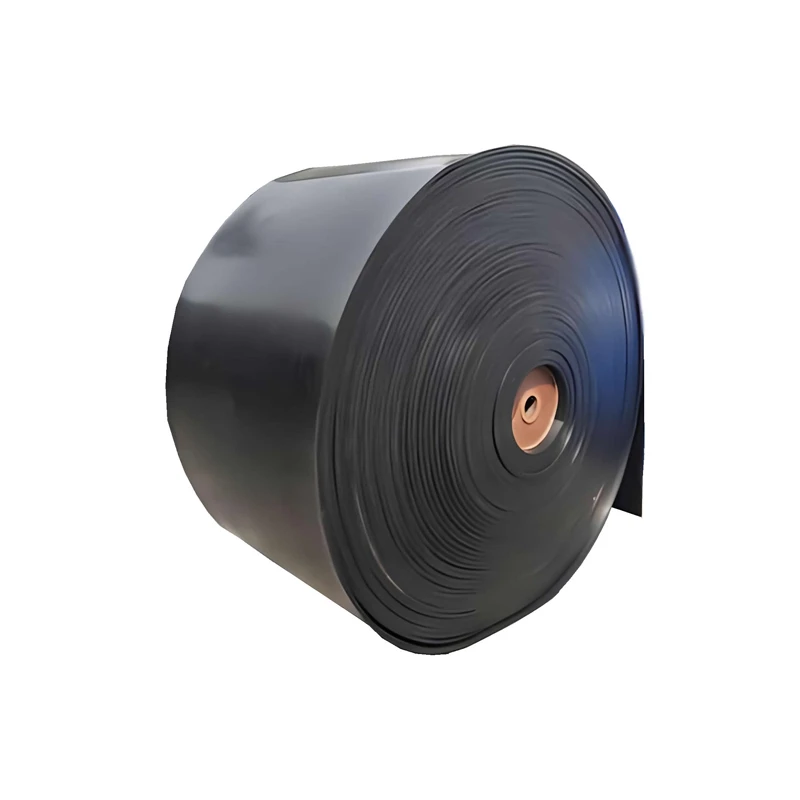
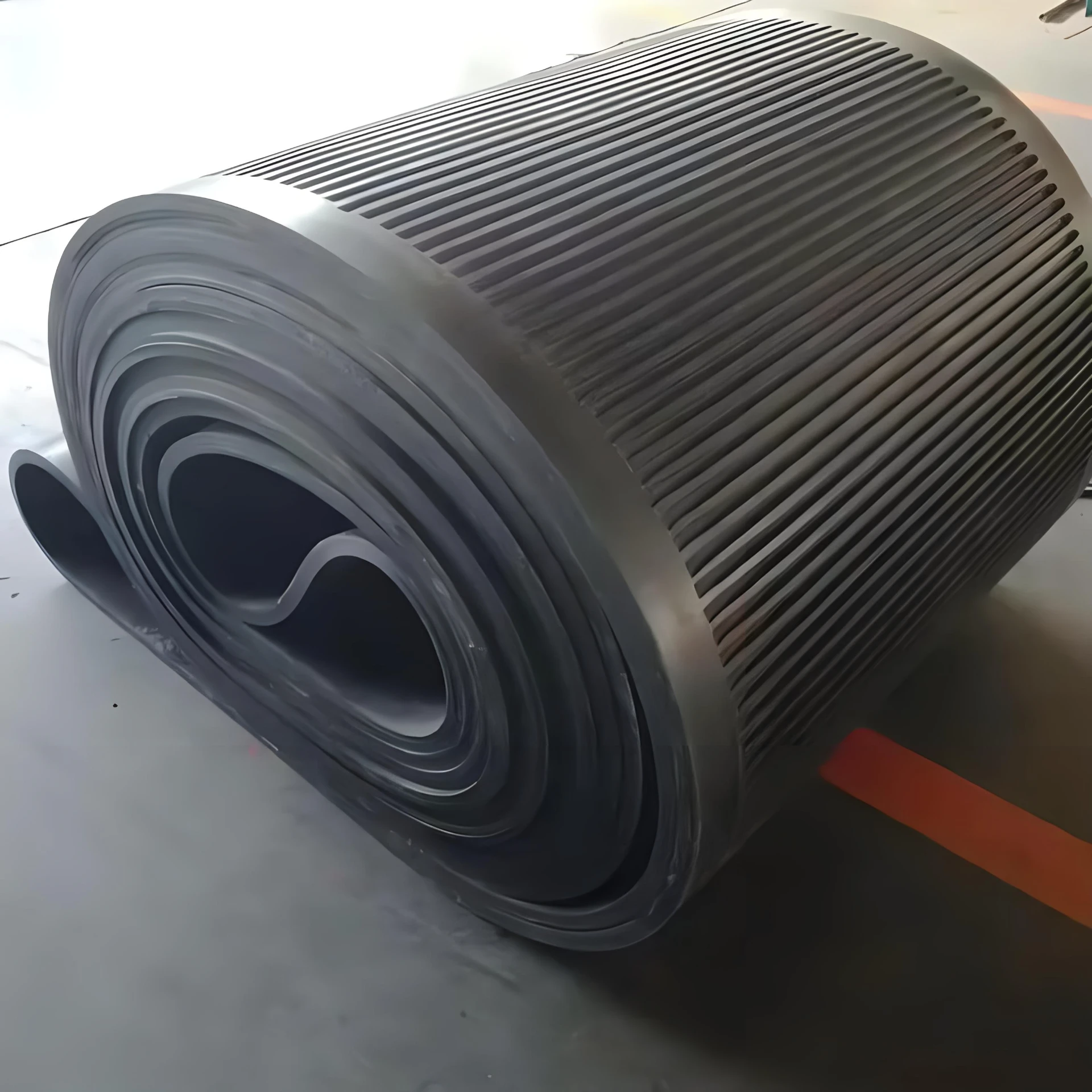
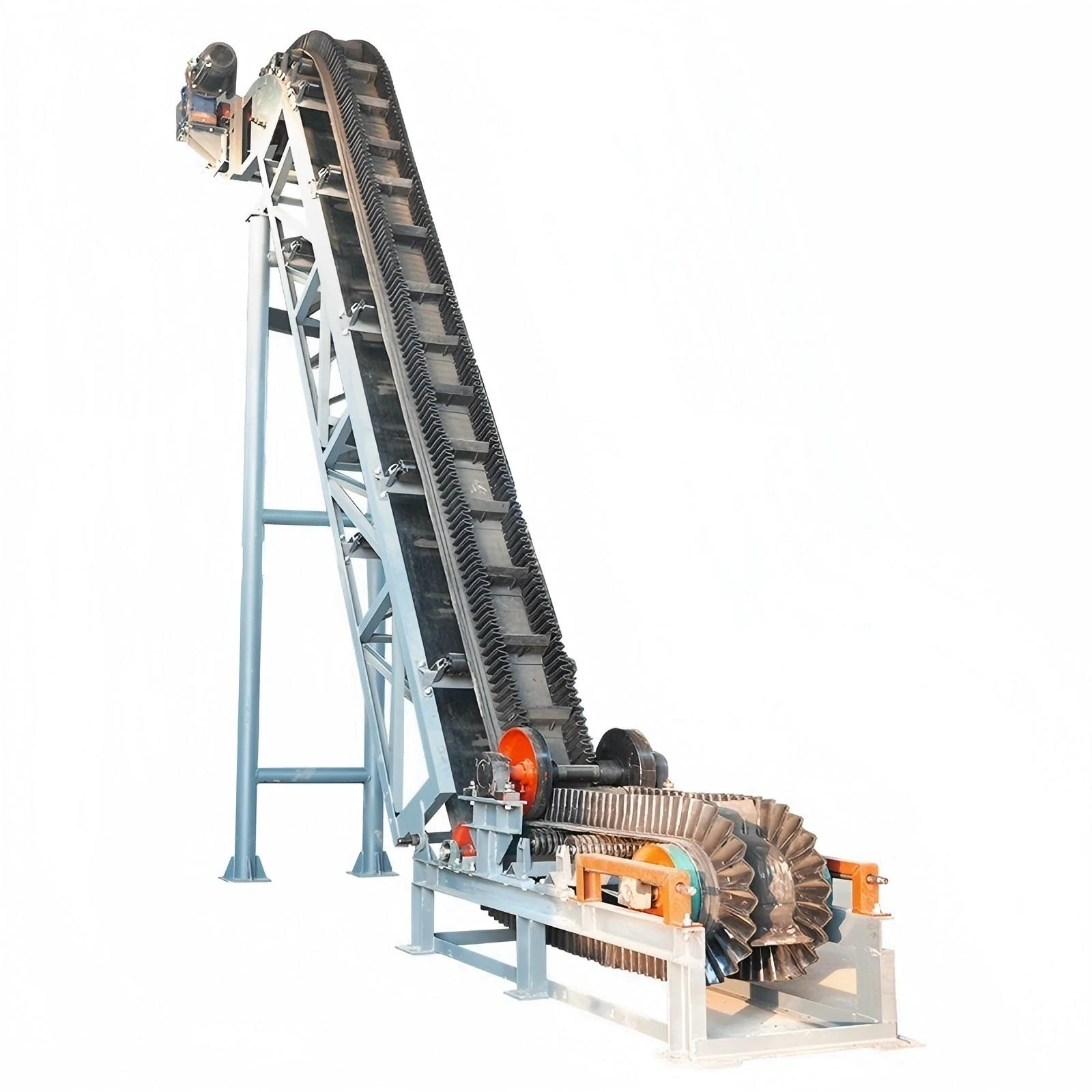
- Belt Conveyors: Ideal for moving a wide variety of materials horizontally or on inclines.
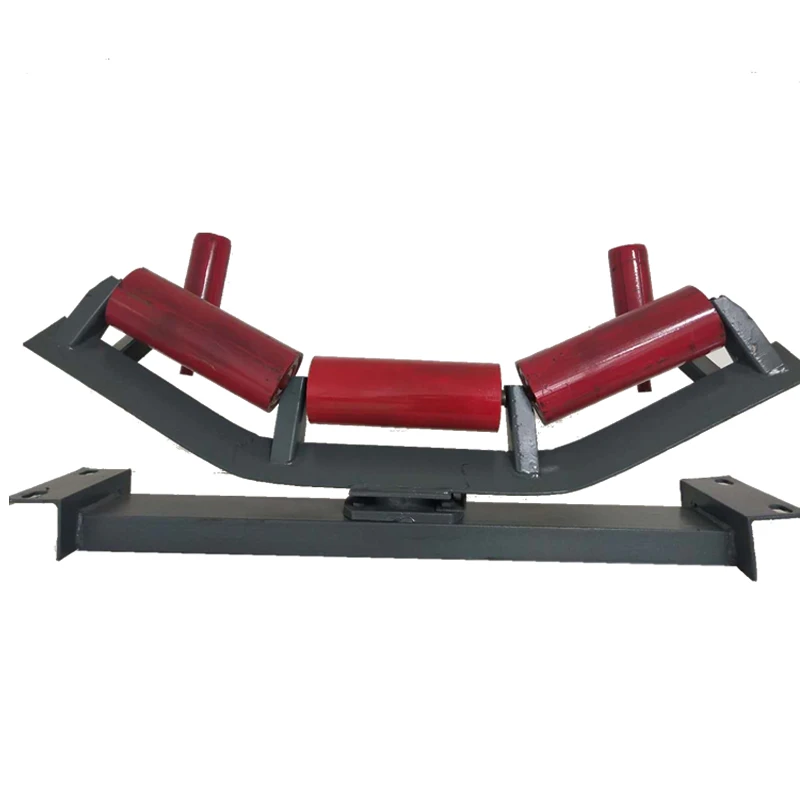
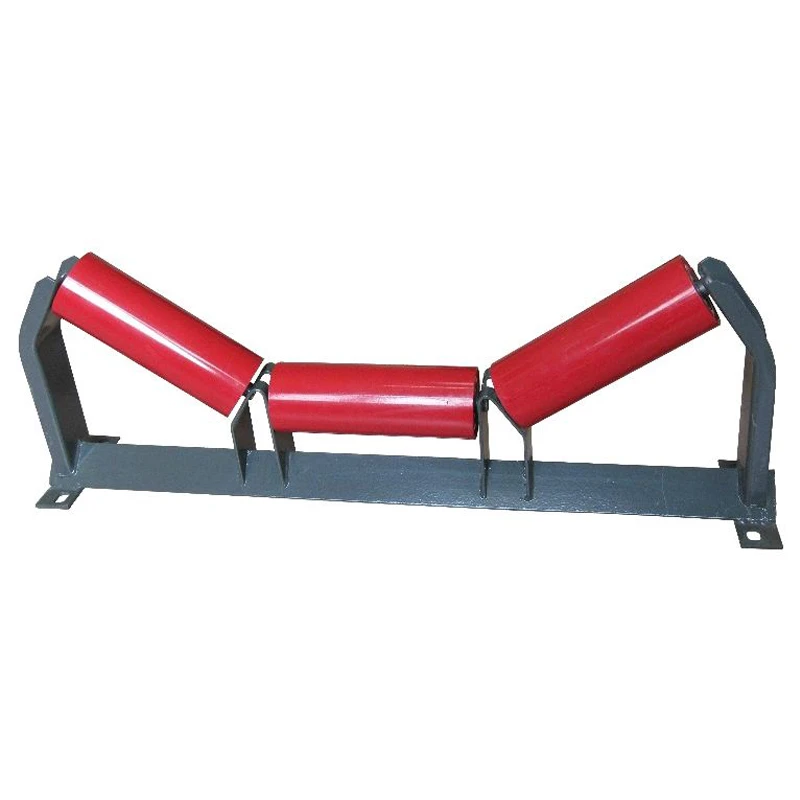
- Roller Conveyors: Utilize a series of rollers to move items, often used in packaging and distribution centers.
- Screw Conveyors: Employ a rotating helical screw blade to move bulk materials, suitable for powders and granular substances.
- Chain Conveyors: Designed for heavy-duty applications, handling pallets or large, irregular items.
- Bucket Elevators: Used for vertically lifting materials, common in agriculture and mining.
- Slat Conveyors: Often found in foundries and steel mills, handling hot or abrasive materials.
Choosing the Right Mechanical Conveyor: A Comparative Analysis
Selecting the optimal conveyor requires careful consideration of your specific needs. Here's a comparison of a few key types:
Benefits of Implementing Mechanical Conveyors
Investing in mechanical conveyors offers numerous advantages:
- Increased Efficiency: Automated transport speeds up material flow.
- Reduced Labor Costs: Minimizes the need for manual handling.
- Improved Safety: Reduces the risk of worker injuries.
- Enhanced Productivity: Allows for smoother, more consistent production processes.
- Versatility: Adaptable to various industries and materials.
- Scalability: Systems can be expanded or modified as needed.
Applications Across Industries
Mechanical conveyors are integral to operations in a multitude of sectors:
- Food Processing: Transporting ingredients, packaging finished products.
- Mining & Aggregates: Moving ore, coal, and other bulk materials.
- Manufacturing: Handling parts, assemblies, and raw materials.
- Logistics & Warehousing: Sorting and distributing packages.
- Agriculture: Transporting grain, fertilizer, and other agricultural products.
Conclusion: Streamlining Operations with Mechanical Conveyors
Implementing the right mechanical conveyor system is a strategic investment that can significantly improve your operational efficiency, reduce costs, and enhance safety. By carefully assessing your needs and choosing the appropriate type of conveyor, you can unlock a new level of productivity for your business.
Frequently Asked Questions (FAQs)
What maintenance is required for mechanical conveyors?
Regular maintenance is crucial for ensuring the longevity and reliability of your conveyor system. This includes inspecting belts for wear and tear, lubricating moving parts, checking roller alignment, and ensuring proper chain tension. It’s also important to regularly clean the conveyor to prevent buildup of materials. A preventative maintenance schedule tailored to your specific conveyor type and operating conditions is highly recommended. Ignoring maintenance can lead to costly breakdowns and downtime. Consult with HG Conveyor Belt for maintenance schedules and expert advice.
What safety features should I look for in a mechanical conveyor?
Safety is paramount. Key features to look for include emergency stop buttons strategically placed along the conveyor length, guarding to prevent access to moving parts, safety sensors that automatically stop the conveyor if obstructions are detected, and clear warning signage. Proper training for employees on safe operating procedures is also essential. Compliance with relevant safety standards, such as those set by OSHA, is crucial. Consider a conveyor with integrated overload protection to prevent damage and potential hazards.
How do I determine the correct conveyor capacity for my needs?
Determining the correct capacity involves calculating the volume and weight of the materials you need to move per unit of time. Consider peak demand periods and potential future growth. Factors like material density, belt speed, and incline angle will influence the conveyor's capacity. It's often best to consult with a conveyor specialist to accurately assess your requirements and select a system that can handle your current and future needs. An undersized conveyor can lead to bottlenecks, while an oversized one can be unnecessarily expensive.