External Electric Conveyor Drum: What Buyers Are Really Asking in 2025
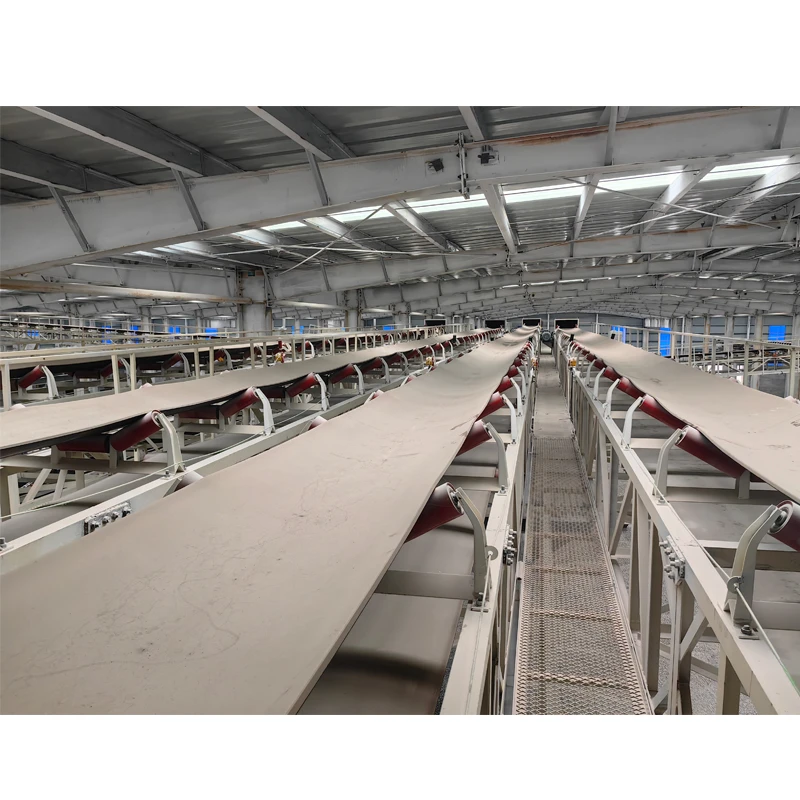
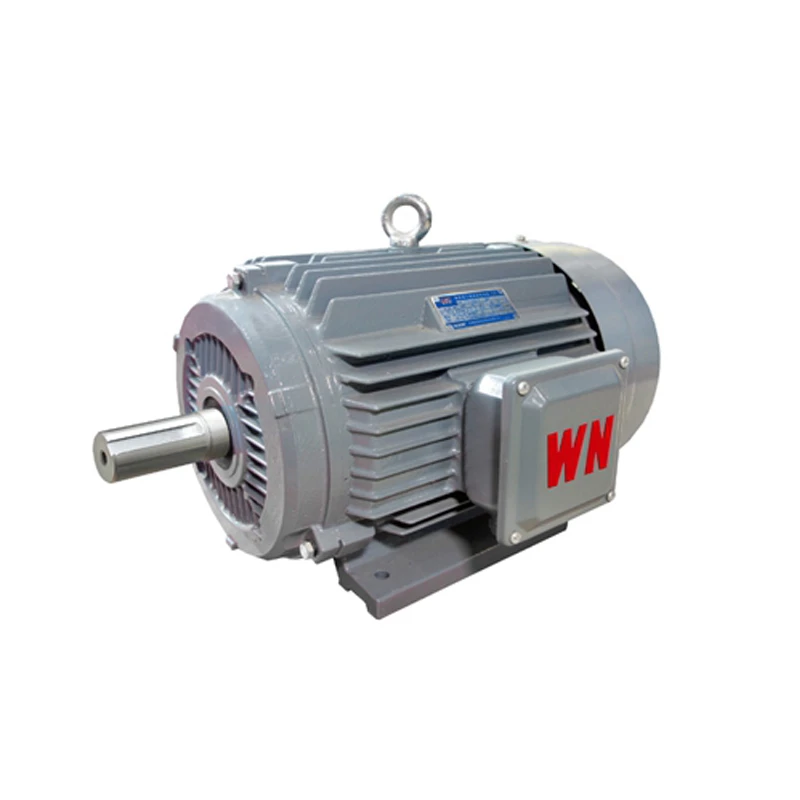
I’ve toured steel plants that smell like hot iron and I’ve stood on salt-sprayed port docks at dawn; in both places, the same question comes up: who’s the conveyor manufacturer behind those drum drives that just refuse to quit? The External Electric Conveyor Drum I’m reviewing today is the workhorse many maintenance teams mention—sometimes with a relieved laugh—because it runs through dust, slurry, and the odd overloading episode without drama.
Industry pulse and where this drum fits
Trends first: electrified drives with high ingress protection and easy swap-out maintenance are winning in mining, ports, cement, power, and chemicals. Energy pricing volatility nudged buyers toward higher-efficiency motors and sealed gear trains. To be honest, the “external” drum style seemed niche years ago; now it’s standard in retrofit programs because you don’t have to re-engineer the whole head pulley structure.
What it is, technically
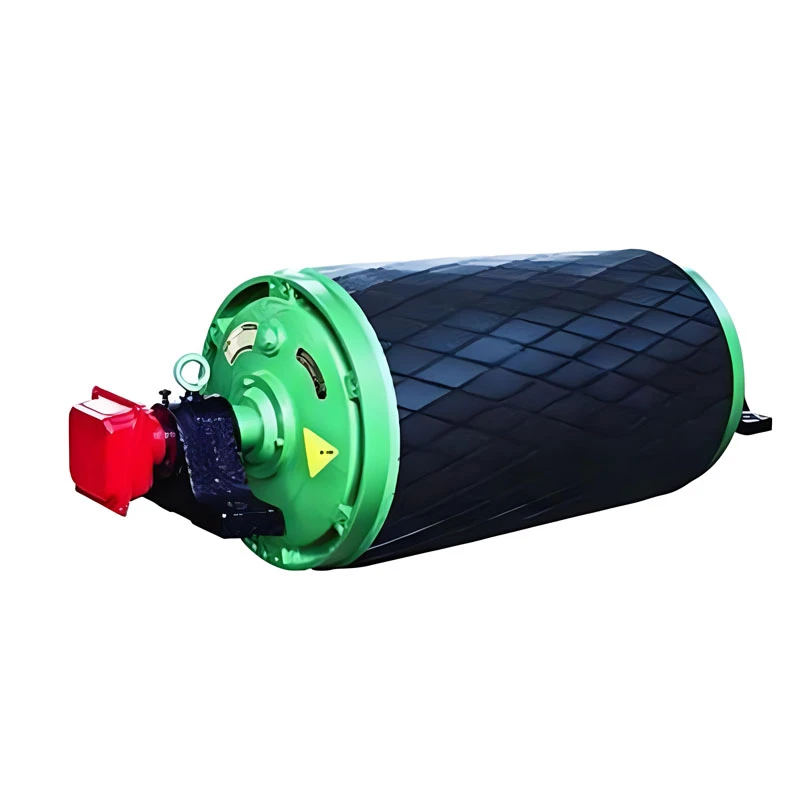
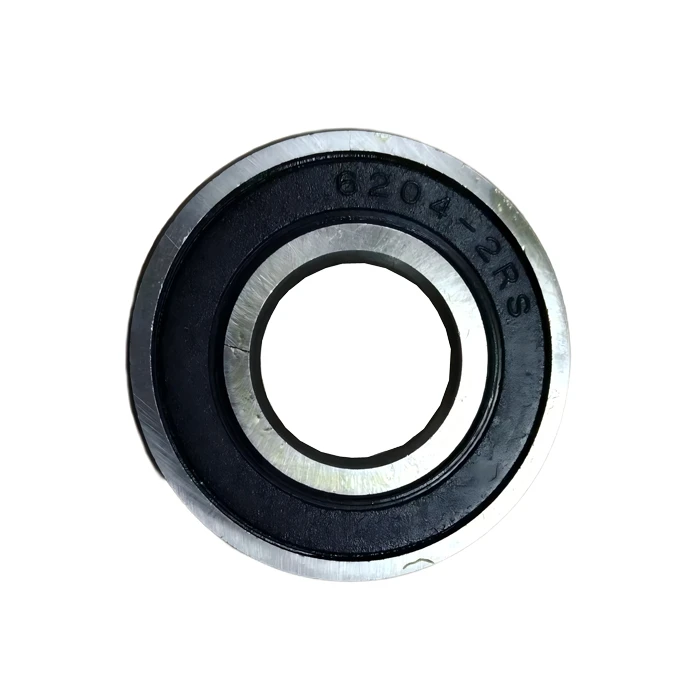
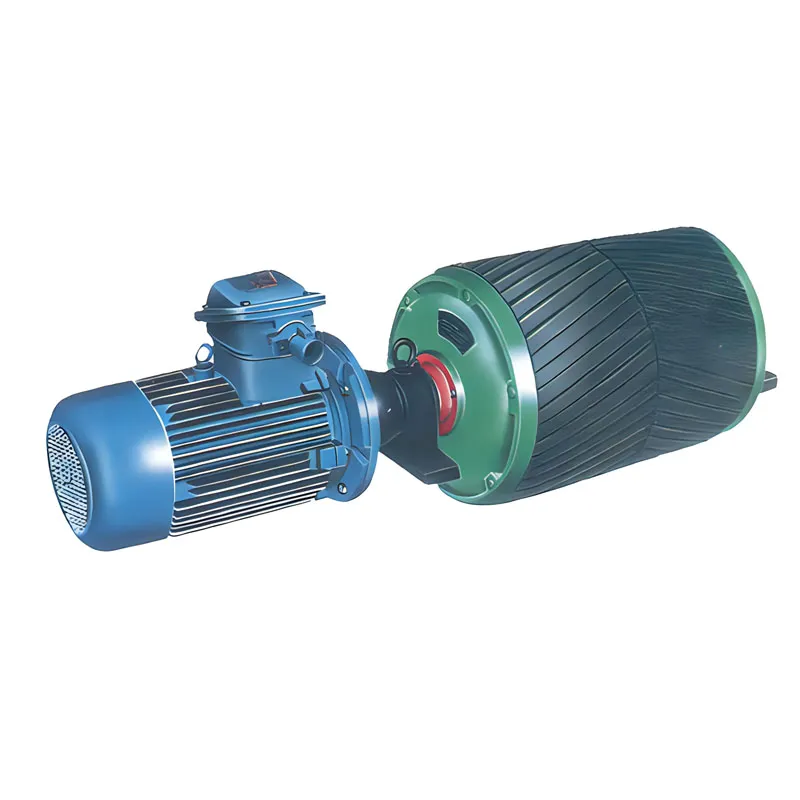
The External Electric Conveyor Drum combines a sealed motor, reduction gearbox, and shell pulley into one compact unit. Materials are typically Q235/Q345 steel shells, hardened 20CrMnTi gears (carburized, ≈58–62 HRC), Class F motor insulation, IP66 sealing (labyrinth + Viton). Bearings are usually SKF/NSK class equivalents. Standards that matter: IEC 60034 for motors, IEC 60529 for IP rating, ISO 1940-1 for balance quality, and CEMA belt practices.
| Power Range | 3–90 kW (custom up to ≈132 kW) |
| Shell Diameter | 220–1000 mm |
| Belt Speed | 0.3–4.0 m/s (tuned via ratio) |
| Ingress Protection | IP66 (IEC 60529 tested) |
| Thermal Class | Class F, temp rise tested per IEC 60034-1 |
| Service Life | ≈50,000 h MTBF in controlled duty; harsh duty varies |
Process flow, testing, and certifications
Materials are incoming-inspected (spectrometer checks), shells are CNC-turned and dynamically balanced (ISO 1940-1, G6.3 typical). Gear sets are carburized and ground; every gearbox sees no-load spin and vib check per ISO 10816/20816 guides. Motors undergo surge and insulation tests; assembled drums pass IP66 spray tests and 2–4 hour thermal run-up. Available certifications: CE, ISO 9001/14001/45001; ATEX/IECEx optional for hazardous zones.
Sample test data: 55 kW unit at 75% load—temperature rise 62°C (limit Class F), vibration 2.7 mm/s RMS at bearing housings, noise ≈69 dB(A) at 1 m. Customers say the noise matters on night shifts—seems trivial until it isn’t.
Applications and advantages
- Mining and steel plants: high-torque starts, abrasive dust control.
- Ports and cement: compact retrofit, fewer exposed components.
- Power and chemical: sealed drive minimizes contamination risk.
Advantages: simpler alignment, faster swap, better sealing, and—surprisingly—lower housekeeping time. A foreman in Hebei told me belt tracking stabilized after moving to an external drum; maybe coincidence, but it’s echoed elsewhere.
Vendor comparison (quick buyer’s view)
| Vendor | Lead Time | Certifications | Customization | Typical Price |
|---|---|---|---|---|
| conveyor manufacturer (External Electric Drum) | ≈3–5 weeks | CE, ISO 9001/14001/45001; ATEX opt. | Diameter/lagging/ratios/VFD-ready | Mid-range, value-focused |
| Vendor A | 6–8 weeks | CE, ISO 9001 | Standard ratios, limited coatings | Lower, fewer options |
| Vendor B (premium) | 4–10 weeks | CE, ISO, IECEx | Broad, strong hazardous-area focus | Higher |
Customization and integration
Options include hot or cold lagging (ceramic for wet slip), food-grade coatings for niche lines, non-standard face widths, encoder mounts, and VFD tuning profiles. I guess the unsung hero is simply picking the right gear ratio to keep motor slip, torque, and belt speed in harmony.
Field notes (case briefs)
Port terminal, 1800 t/h: swap to external drum reduced unplanned stops by 23% over 9 months; washdown time dropped by ~15%. Cement plant kiln feed: high-temp lagging + Class H option kept thermal rise in check; operators report easier belt cleaning and less spillage near the head.
Origin and service hub: Room1109, Building C, Tianshan Galaxy Plaza, No. 358 Yuhua East Road, Shijiazhuang High tech Zone, Hebei Province. If you want a straight line to engineering, ask for lifecycle curves—most teams will share them. That’s a good tell of a serious conveyor manufacturer.
Citations
- IEC 60034-1: Rotating electrical machines — Rating and performance. https://webstore.iec.ch
- IEC 60529: Degrees of protection (IP Code). https://webstore.iec.ch
- ISO 1940-1: Mechanical vibration — Balance quality requirements. https://www.iso.org
- CEMA: Belt Conveyors for Bulk Materials, 7th ed. https://cemanet.org