The Crucial Role of Material Handling Conveyors in Modern Industry
In the highly competitive landscape of modern manufacturing, logistics, and processing, the efficiency of material flow is paramount. Central to optimizing this flow is the conveyor for material handling, a sophisticated system engineered to transport goods, components, and bulk materials seamlessly across various stages of production and distribution. These systems are not merely transporters; they are integral components of automated workflows, designed to enhance productivity, reduce labor costs, and improve safety in diverse industrial environments.
The evolution of material handling technologies has seen conveyors transform from simple transport mechanisms into highly complex, integrated solutions. Today's industrial decision-makers demand systems that offer precision, reliability, scalability, and adaptability, catering to an ever-widening array of material types and operational demands. This comprehensive overview delves into the intricacies of modern conveyor systems, exploring their design, application, and the strategic advantages they offer.
Industry Trends in Material Handling Conveyors
The landscape for material handling conveyors is characterized by several key trends, driven by advancements in automation, data analytics, and sustainability initiatives.
- Automation and Robotics Integration: Modern conveyor systems are increasingly integrated with robotic arms, automated guided vehicles (AGVs), and autonomous mobile robots (AMRs) to create fully automated material flow solutions. This reduces human intervention, increases throughput, and improves operational safety.
- Smart Conveyors and IoT: The deployment of sensors, RFID tags, and other IoT devices allows for real-time monitoring of conveyor performance, material tracking, and predictive maintenance. This data-driven approach enhances operational efficiency and minimizes downtime.
- Energy Efficiency: With rising energy costs and environmental concerns, there's a strong push towards more energy-efficient conveyor designs. This includes the use of high-efficiency motors, regenerative drives, and optimized control systems, especially in variable speed conveyor applications where energy consumption can be dynamically managed.
- Modularity and Flexibility: Companies seek modular conveyor systems that can be easily reconfigured or expanded to adapt to changing production layouts or material handling requirements. This flexibility is crucial for industries with dynamic operational needs.
- Customization for Specialized Applications: The demand for conveyors tailored to specific industries or unique material characteristics is growing. This includes specialized coatings for corrosive environments, hygienic designs for food and pharmaceutical sectors, and robust constructions for heavy-duty applications like mining.
These trends highlight a shift towards more intelligent, adaptive, and sustainable solutions in material handling, underscoring the importance of selecting the right conveyor for material handling to stay competitive.
Modern modular conveyor systems integrating advanced sensors.
Manufacturing Process Flow of a High-Quality Conveyor System
The production of a high-performance conveyor for material handling involves a rigorous, multi-stage process to ensure durability, reliability, and optimal performance in demanding industrial settings. Adherence to international standards like ISO 9001 and ANSI B20.1 is critical throughout.
1. Design and Engineering
- Concept & Requirements Analysis: Initial consultation to define load capacity, speed, material type, environmental conditions (temperature, humidity, corrosives), and integration needs.
- CAD/CAE Modeling: Detailed 3D modeling and simulation using software like SolidWorks or AutoCAD to optimize structural integrity, component placement, and dynamic behavior. Finite Element Analysis (FEA) is employed to predict stress distribution and ensure structural robustness.
- Material Selection: Specification of materials such as high-strength carbon steel (e.g., A36, ASTM A572 Grade 50) for frames and structural components, stainless steel (e.g., 304, 316L) for corrosive or hygienic applications, and specialized polymers (e.g., UHMW-PE, PVC, PU) for belts, rollers, and guiding elements, chosen for wear resistance, chemical inertness, or low friction.
2. Component Manufacturing
- Frame Fabrication: Steel plates and profiles are cut (laser or plasma), bent, and welded. Welding procedures adhere to AWS D1.1 standards, followed by non-destructive testing (NDT) such as ultrasonic or magnetic particle inspection.
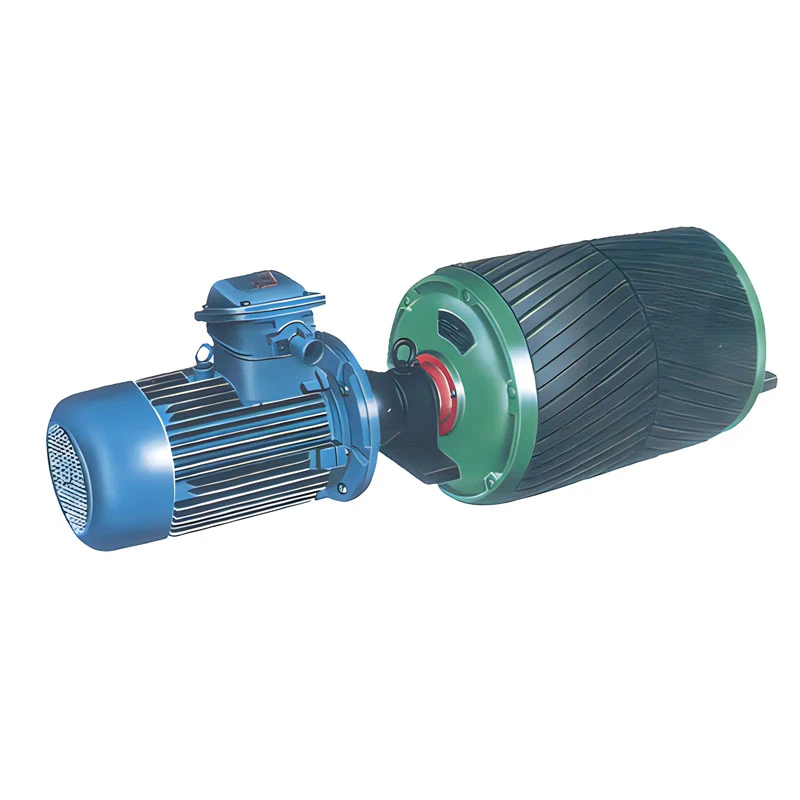
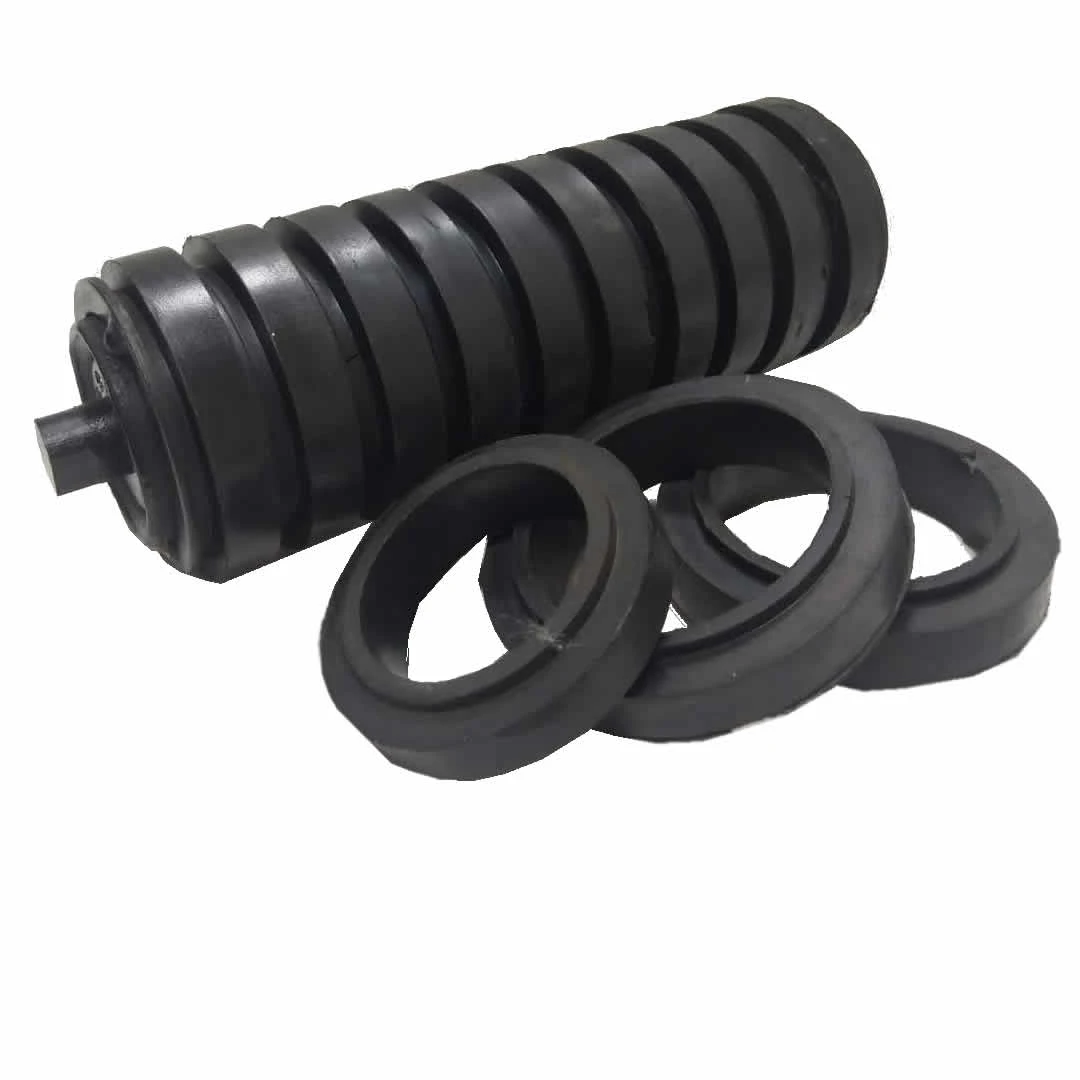
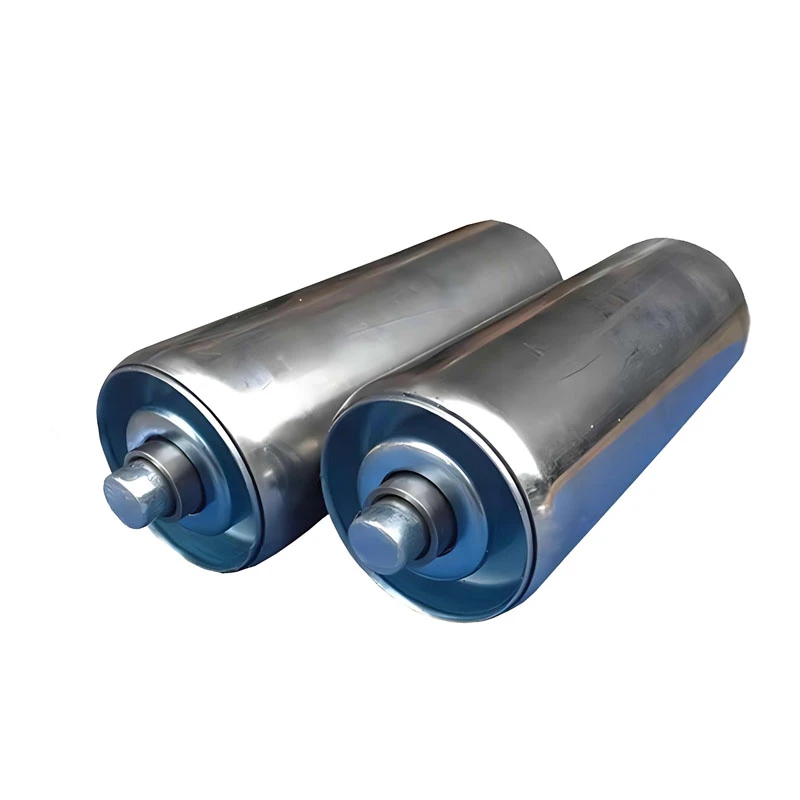
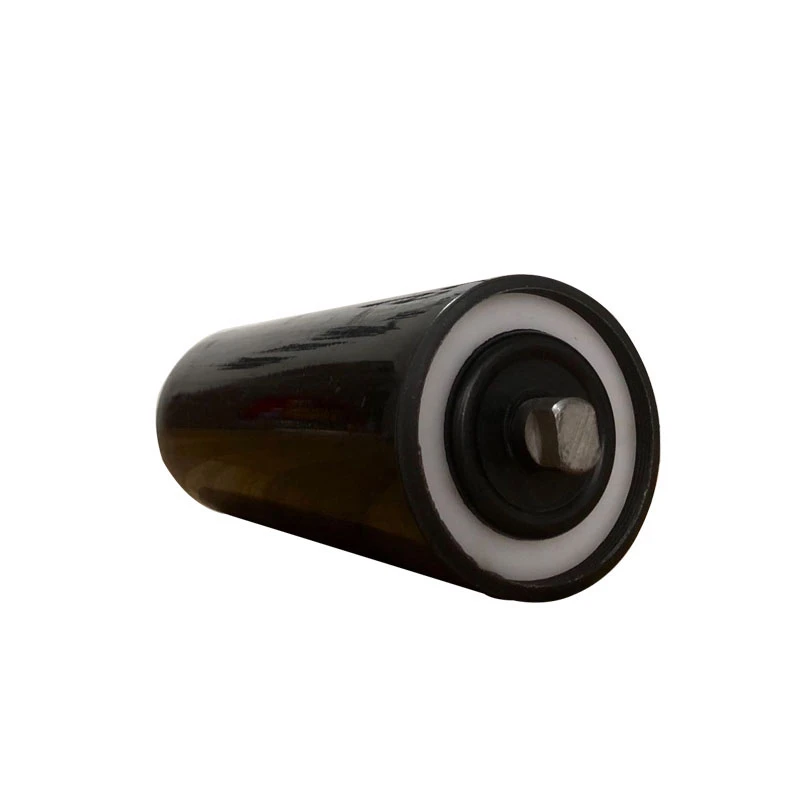
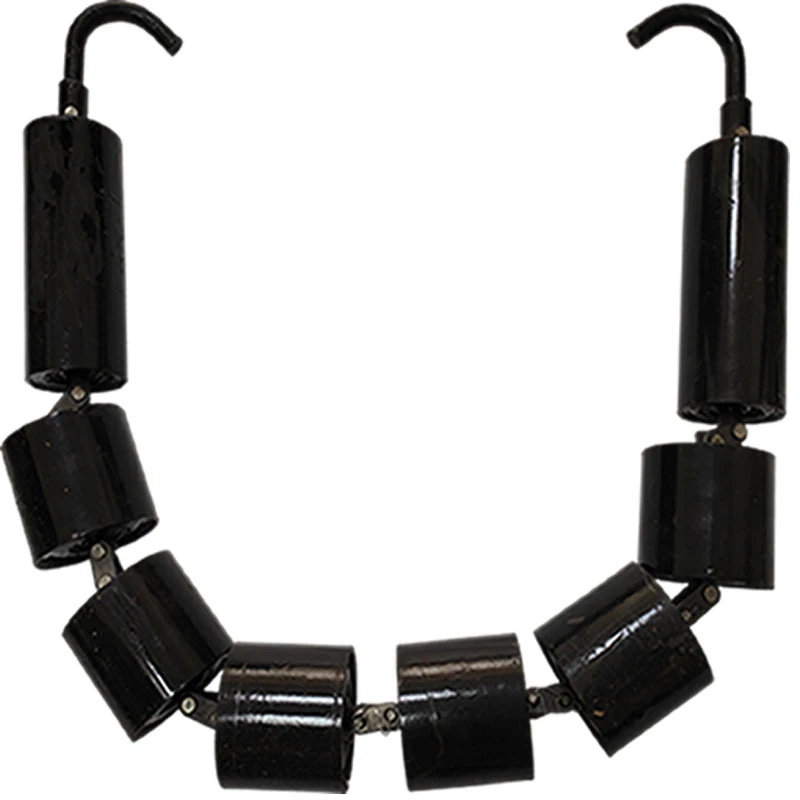
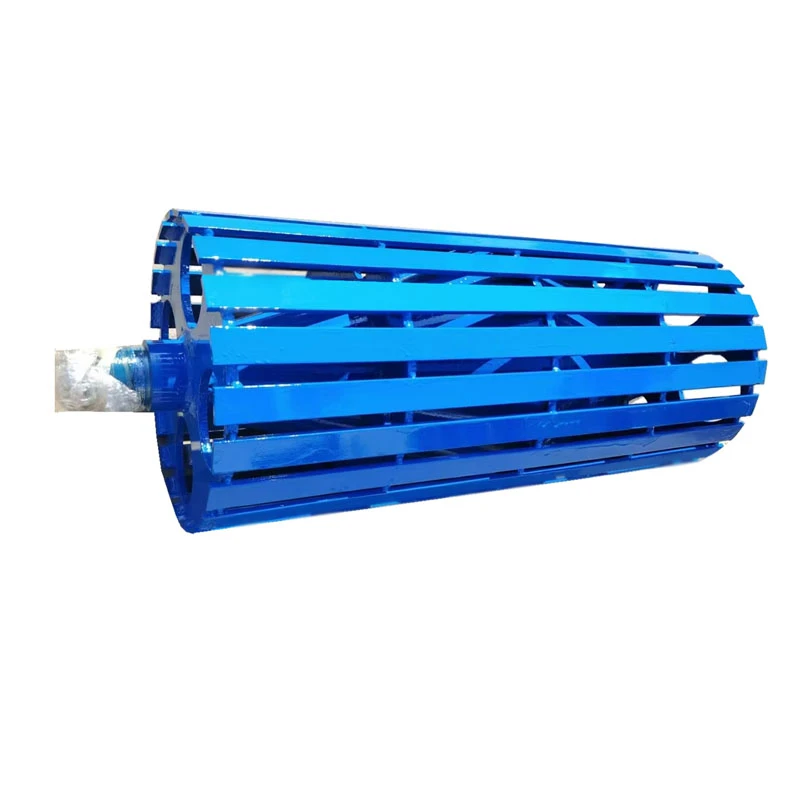
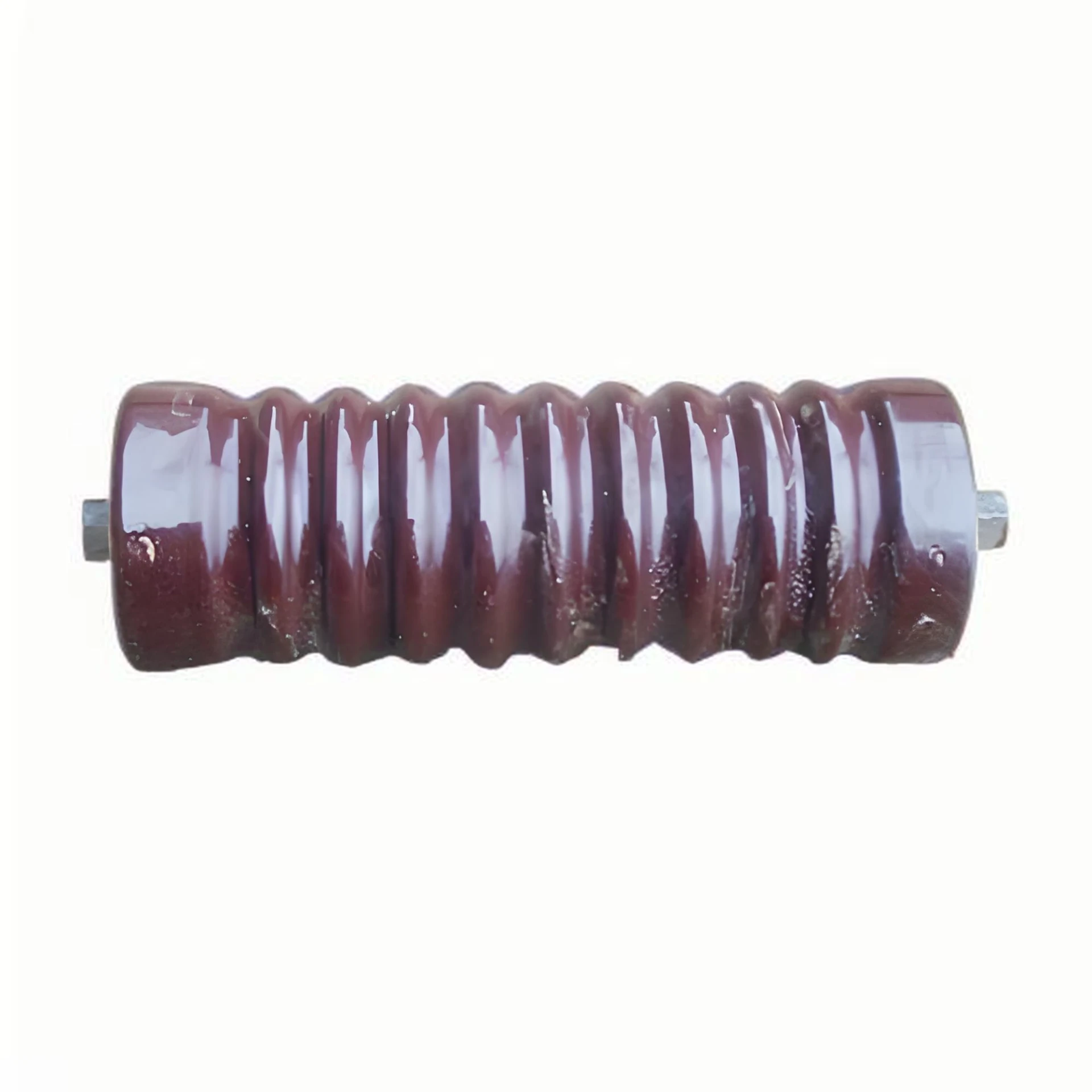
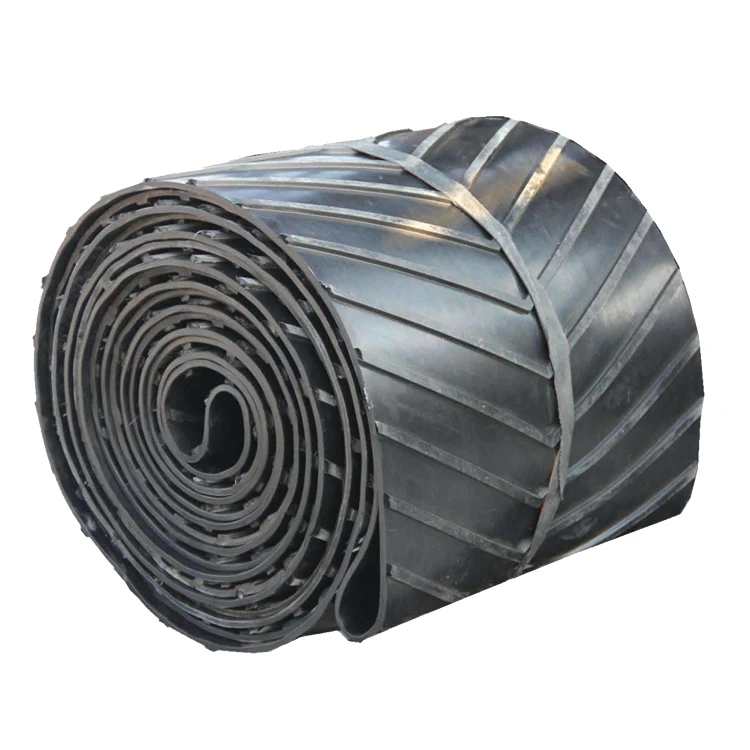
- Roller & Pulley Production: Rollers are typically made from steel or stainless steel tubing. Precision machining (CNC turning, milling) ensures concentricity and balanced rotation. Bearings are press-fitted, often sealed for life. For specialized applications like cleated incline conveyor systems, specialized cleat designs are either molded directly onto the belt or mechanically fastened.
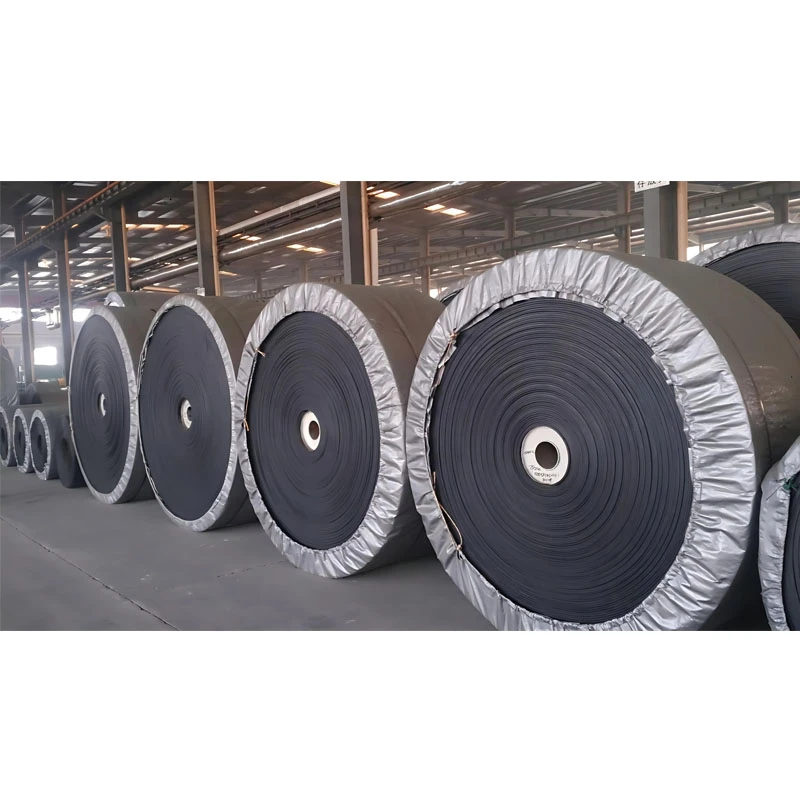
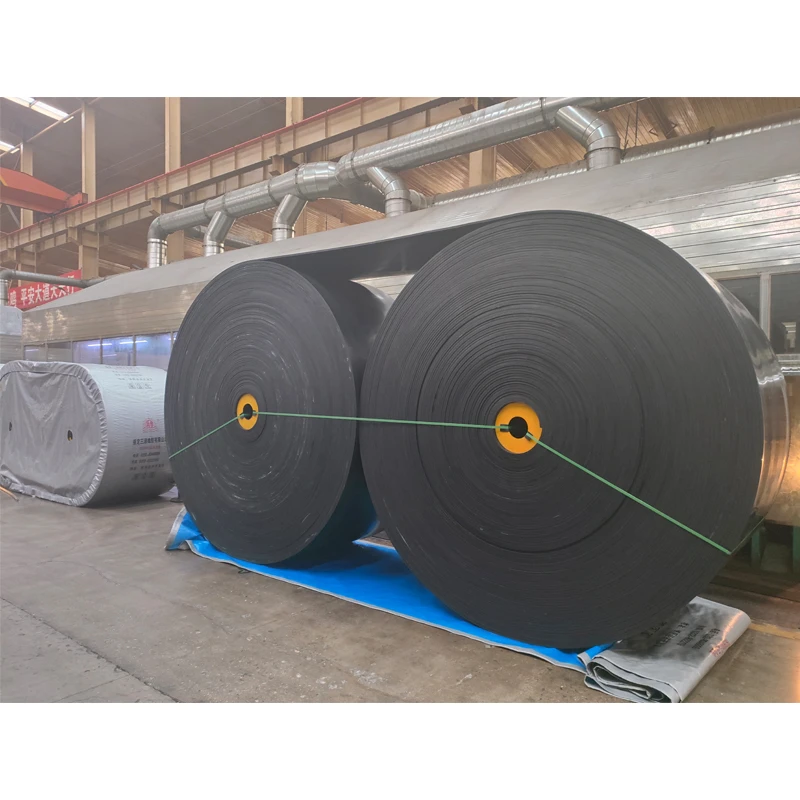
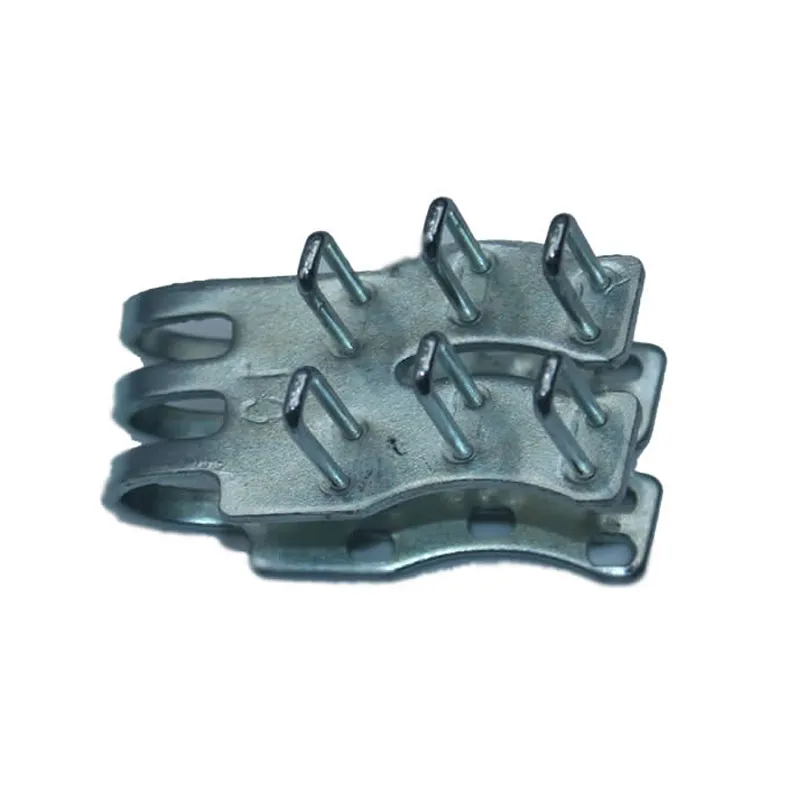
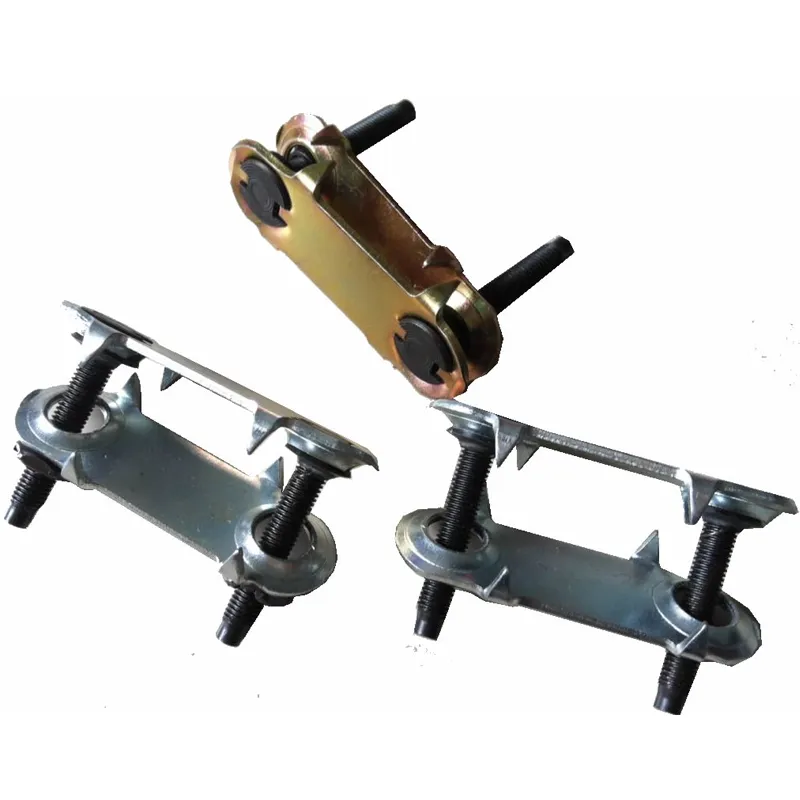
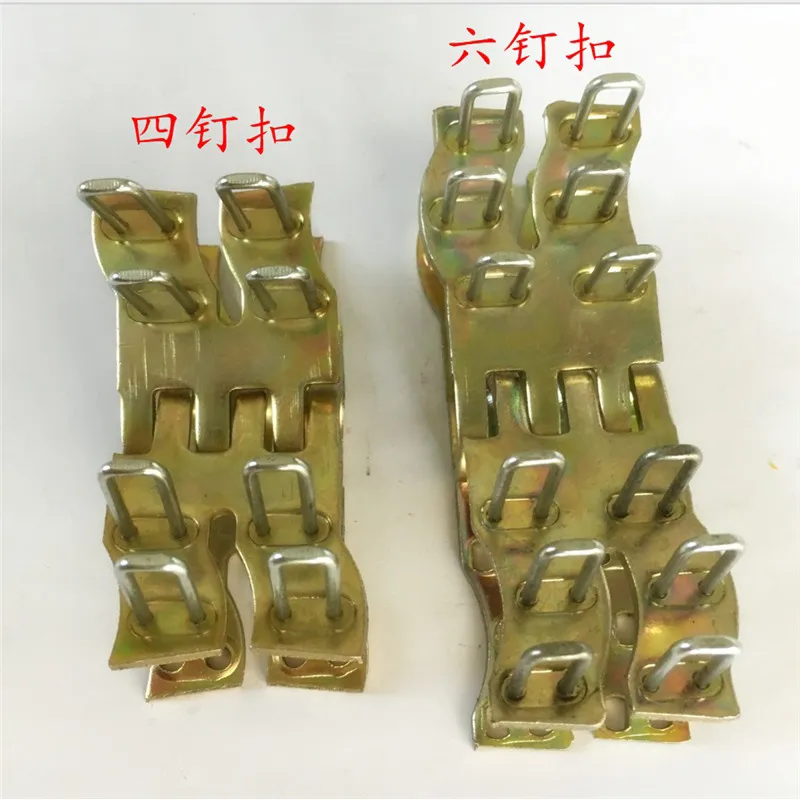
- Belt Manufacturing: Depending on the application, belts are fabricated from PVC, PU, rubber, or modular plastic. Layers are bonded, and surfaces can be textured, cleated, or ribbed. For heavy-duty applications, fabric plies or steel cords are embedded for strength. The "Six Nail Buckle" product, for instance, represents a critical component for robust belt splicing, ensuring maximum integrity and prolonged service life even under severe operational stresses.
- Drive & Control System Assembly: Motors (often high-efficiency IE3 or IE4 rated), gearboxes, variable frequency drives (VFDs) for variable speed conveyor operation, and PLC control panels are assembled and wired.
3. Surface Treatment & Finishing
- Cleaning & Pre-treatment: Components undergo shot blasting or chemical cleaning to remove impurities and prepare for coating adhesion.
- Corrosion Protection: Options include powder coating (for general industrial use), hot-dip galvanizing (for harsh outdoor or corrosive environments), or specialized epoxy/polyurethane coatings (for chemical resistance). Stainless steel components may undergo passivation.
4. Assembly & Testing
- Assembly: All manufactured components are assembled into the complete conveyor system. Precision alignment is crucial for smooth operation and longevity.
- Factory Acceptance Testing (FAT): Each system undergoes rigorous testing, including load testing, speed accuracy verification (for variable speed conveyor), noise level measurement, and functionality checks of safety features and control systems. Durability tests simulate extended operational cycles.
Target Industries & Advantages
This meticulous process ensures that conveyor systems offer a projected service life of 15-25 years with proper maintenance. Target industries include:
- Petrochemical: Conveying bulk raw materials, finished products, and waste with high corrosion resistance (e.g., stainless steel or specialized coatings) and explosion-proof electrical components.
- Metallurgy: Handling heavy, abrasive, and hot materials like ore, coke, and slag, requiring robust construction and heat-resistant belts.
- Water Supply & Drainage: Transporting sludge, aggregates, and treatment chemicals, necessitating high corrosion resistance and often specialized hygienic or sealed designs.
- Mining & Quarrying: Moving large volumes of abrasive ores and aggregates over long distances, demanding extreme durability and high throughput.
- Food & Beverage: Requiring food-grade materials, easy-to-clean designs, and often precise control for packaging lines.
- Logistics & Warehousing: High-speed sorting and distribution, often employing modular and automated systems.
Advantages in typical application scenarios include significant energy saving through optimized drive systems and low-friction components, and exceptional corrosion resistance due to material selection and advanced surface treatments, drastically reducing maintenance and extending asset life.
Technical Specifications and Parameters
Understanding the detailed technical specifications of a conveyor for material handling is crucial for effective system design and procurement. Below is a table outlining typical parameters for various conveyor types.
Typical Conveyor System Specifications
| Parameter | Belt Conveyor (General) | Modular Belt Conveyor | Cleated Incline Conveyor | Variable Speed Conveyor |
|---|---|---|---|---|
| Material Type | Bulk, packages, irregular items | Packages, food products, sharp items | Loose bulk, small parts, packaged goods on inclines | Variable production rates, fragile items |
| Belt Width Range | 300mm - 2000mm | 150mm - 1500mm | 300mm - 1200mm | Varies by application |
| Speed Range | 0.1 - 4.0 m/s | 0.05 - 2.0 m/s | 0.2 - 1.5 m/s | 0.01 - 5.0 m/s (VFD controlled) |
| Max Load Capacity | Up to 2000 kg/m (heavy-duty) | Up to 500 kg/m | Up to 150 kg/m (depends on incline) | Up to 1500 kg/m |
| Incline Angle | 0 - 18° | 0 - 30° | 15 - 45° (with cleats) | 0 - 25° |
| Belt Material | PVC, PU, Rubber, Fabric | PP, PE, Acetal | PVC, PU with molded cleats | PVC, PU, Rubber, Silicone |
| Frame Material | Painted Carbon Steel, Stainless Steel | Aluminum, Stainless Steel | Painted Carbon Steel, Stainless Steel | Aluminum, Stainless Steel |
| Typical Applications | Mining, warehousing, general manufacturing | Food processing, automotive, electronics | Bulk material elevation, small parts assembly | Packaging, assembly lines, precision handling |
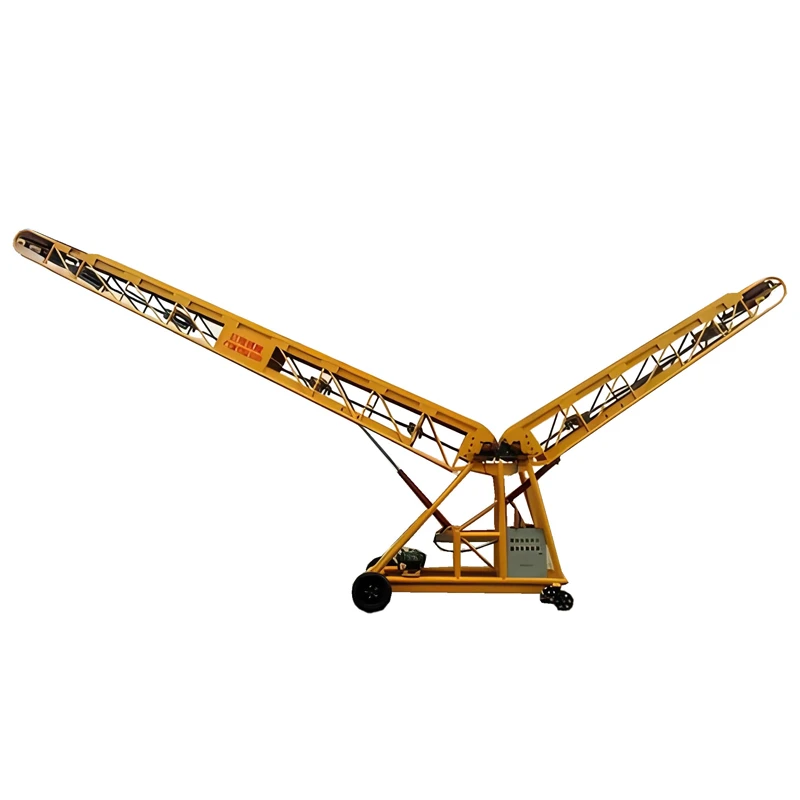
These parameters dictate the suitability of a conveyor system for specific operational requirements. For instance, a cleated incline conveyor is ideal for moving materials up steep angles, preventing rollback, while a variable speed conveyor offers unparalleled control for delicate products or processes requiring precise timing.
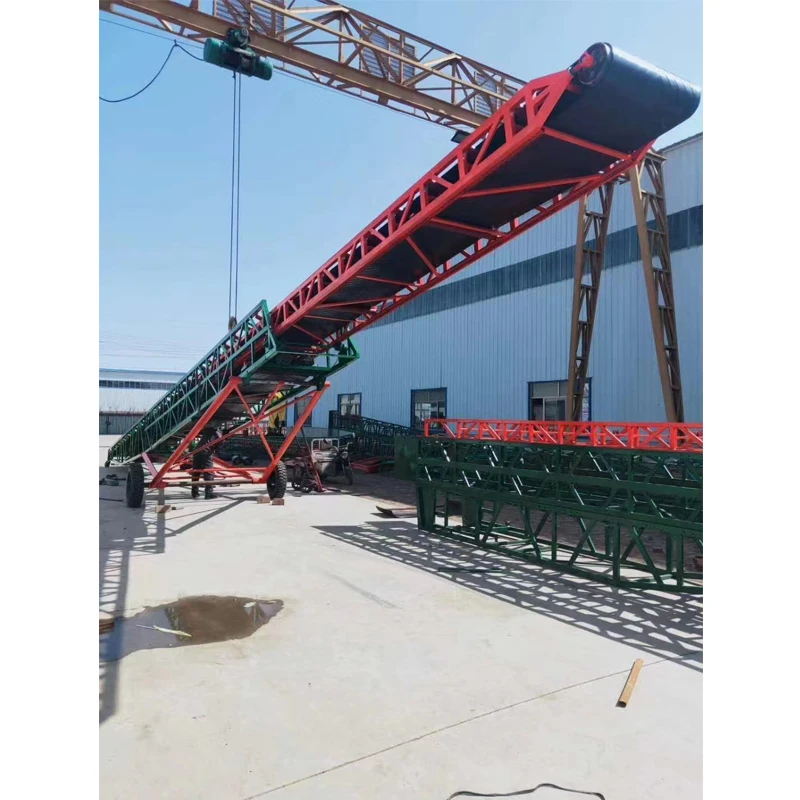
A robust conveyor system in a heavy industrial application.
Application Scenarios and Technical Advantages
The versatility of the conveyor for material handling makes it indispensable across a vast spectrum of industries. Its technical advantages translate directly into operational efficiencies and cost savings.
Key Application Scenarios:
- Automotive Assembly Lines: Precision belt and roller conveyors transport vehicle bodies, engines, and components through various assembly stages. The ability of a variable speed conveyor to synchronize with robotic welding and painting stations is critical for maintaining high production rates and quality.
- Food Processing & Packaging: Hygienic modular plastic belt conveyors handle raw ingredients, processed foods, and packaged products. Stainless steel construction, wash-down capability, and FDA-compliant materials are standard. A cleated incline conveyor prevents product slippage when moving items like vegetables or baked goods between different processing levels.
- Mining & Aggregates: Heavy-duty troughed belt conveyors transport coal, ore, sand, and gravel from excavation sites to processing plants. These systems are designed for extreme abrasion resistance, high load capacities, and often extend over several kilometers.
- Warehousing & Distribution Centers: Automated sorting and accumulation conveyors streamline order fulfillment, package handling, and truck loading/unloading. High-speed divert and merge systems significantly increase throughput.
- Pharmaceuticals: Precision conveyors with sterile designs, often equipped with HEPA filtration enclosures, move vials, tablets, and packaged medicines through cleanroom environments, adhering to GMP standards.
Technical Advantages:
- Enhanced Throughput & Efficiency: Automated conveying dramatically increases the volume of materials moved per hour, reducing bottlenecks and optimizing overall production flow.
- Reduced Labor Costs & Improved Safety: Minimizes manual handling, leading to significant savings in labor and a reduction in workplace injuries associated with heavy lifting or repetitive tasks.
- Energy Saving: Modern conveyor systems employ high-efficiency motors (e.g., IE3/IE4 ratings), regenerative drives, and optimized idler designs. For example, a well-designed 100-meter belt conveyor can consume 15-20% less energy compared to older models due to lower friction coefficients and smart control systems.
- Corrosion Resistance & Durability: Utilization of marine-grade stainless steel (316L), specialized coatings (e.g., ceramic-reinforced epoxy), and robust construction materials ensures longevity and minimal degradation even in highly aggressive chemical or humid environments, prolonging the service life of the conveyor for material handling.
- Precision Control: Advanced control systems, often with integrated PLCs and HMIs, allow for precise speed adjustments, material tracking, and synchronization with other machinery, vital for delicate products or complex assembly operations.
- Scalability and Adaptability: Modular designs enable easy expansion, reconfiguration, or relocation of conveyor lines, providing future-proofing for evolving operational needs.
Vendor Comparison and Customized Solutions
Selecting the right vendor for a conveyor for material handling is a critical decision that impacts operational efficiency, total cost of ownership (TCO), and long-term reliability. A comparative analysis based on key criteria is essential.
Key Vendor Comparison Criteria
| Criterion | Vendor A (Premium) | Vendor B (Mid-Range) | Vendor C (Cost-Effective) |
|---|---|---|---|
| Product Quality & Durability | Exceptional (long lifespan, minimal downtime) | Very Good (reliable, standard industrial lifespan) | Good (suitable for lighter duty/less critical ops) |
| Customization Capability | Full bespoke engineering, specialized materials | Modular adaptation, limited specialized options | Standard configurations, minor adjustments |
| Technology & Innovation | Leading-edge IoT, AI, advanced controls | Modern VFDs, PLC integration, sensor-based monitoring | Standard automation, basic controls |
| Certifications & Compliance | ISO, CE, FDA, ATEX, OSHA, industry-specific | ISO, CE, basic safety standards | Basic CE, local safety requirements |
| After-Sales Support & Warranty | Global 24/7 support, extensive warranty (3-5 years) | Regional support, standard warranty (1-2 years) | Limited regional support, 1-year basic warranty |
| Pricing Model | Higher initial investment, lower TCO | Competitive pricing, balanced TCO | Lowest initial cost, potentially higher TCO |
Customized Solutions
Recognizing that off-the-shelf solutions rarely meet the precise demands of specialized industrial operations, leading manufacturers offer extensive customization options. This includes:
- Tailored Dimensions & Layouts: Conveyor lengths, widths, heights, and complex turns designed to fit existing facility footprints or new layouts, including multi-level systems or serpentine configurations.
- Specialized Belting & Flights: Custom belt materials (e.g., silicone for high temperatures, aramid for extreme strength), specialized cleat patterns (for cleated incline conveyor), or side walls to contain specific materials or manage difficult angles.
- Environmental Adaptations: Design for extreme temperatures (-40°C to +400°C), corrosive atmospheres (using specific alloys or coatings), cleanroom environments (ISO Class 4-7), or explosion-proof areas (ATEX certified components).
- Integrated Control Systems: Bespoke PLC programming, SCADA integration, and connectivity to enterprise resource planning (ERP) systems for seamless automation and data exchange. This is particularly relevant for variable speed conveyor systems requiring dynamic throughput adjustments.
- Safety Features: Custom-engineered safety guarding, emergency stop systems, specialized sensors for material detection, and integration with facility-wide safety protocols.
These customized solutions ensure that the conveyor for material handling perfectly aligns with unique operational constraints and performance objectives, maximizing return on investment.
A specialized conveyor system integrated into a complex production line.
Application Case Studies & Customer Trust
Real-world application case studies demonstrate the tangible benefits and reliability of advanced conveyor systems, reinforcing trust through proven performance.
Case Study 1: High-Volume E-commerce Distribution Center
A leading e-commerce giant needed to upgrade its primary distribution center to handle a 40% increase in daily order volume. The existing system faced bottlenecks during peak hours.
- Solution: Implementation of a fully integrated modular conveyor for material handling system featuring high-speed sorters, a network of variable speed conveyor lines for precise package accumulation, and seamless integration with robotic pick-and-place units. The system included advanced IoT sensors for real-time tracking and predictive maintenance.
- Results: Achieved a 55% increase in throughput, a 20% reduction in mis-sorts, and a 30% decrease in operational energy consumption due to optimized variable speed control. The client reported a significant improvement in order fulfillment times and a 15% reduction in labor costs for package handling.
Case Study 2: Corrosive Environment Bulk Chemical Transport
A major chemical producer required a new conveyor system for transporting highly corrosive raw materials within its plant, where traditional systems failed prematurely due to chemical attack.
- Solution: Engineered a specialized conveyor for material handling system featuring a frame constructed from duplex stainless steel (e.g., UNS S32205) with specialized non-metallic rollers and an FDA-compliant, chemical-resistant PVC belt. All electrical components were housed in explosion-proof enclosures (ATEX certified).
- Results: The system demonstrated exceptional resistance to chemical degradation, extending the operational life by over 500% compared to previous systems. Maintenance interventions for corrosion-related issues dropped by 90%, leading to substantial savings and enhanced safety.
Certifications & Partnerships
Our commitment to quality and safety is underpinned by stringent adherence to international standards and strategic partnerships. We are ISO 9001:2015 certified for quality management and our products conform to CE (European Conformity) directives. Our belts and associated components often meet FDA and USDA regulations for food contact applications, and ATEX standards for explosive environments. We have successfully delivered solutions for over two decades, serving clients like petrochemical giants, global food processors, and leading logistics providers, solidifying our reputation as an authoritative partner in material handling.
Trustworthiness: FAQ, Lead Time, Warranty & Support
Frequently Asked Questions (FAQ)
- Q: What is the typical lifespan of your conveyor systems?
- A: With proper maintenance and regular servicing, our conveyor systems are designed for a service life of 15-25 years, depending on the operational environment and material handled.
- Q: Can your conveyor for material handling be integrated into existing automation systems?
- A: Absolutely. Our systems are designed for seamless integration with existing PLCs, SCADA, and ERP systems using standard communication protocols (e.g., Modbus, Profibus, Ethernet/IP). We provide full technical support for integration.
- Q: How do you ensure energy efficiency in your conveyors?
- A: We incorporate high-efficiency IE3/IE4 motors, optimized gearbox designs, low-friction rollers and belts, and utilize variable frequency drives (VFDs) for variable speed conveyor applications to minimize energy consumption and allow for dynamic power management.
- Q: What kind of maintenance is required?
- A: Routine maintenance typically involves lubrication of bearings, belt tensioning, inspection for wear and tear on belts/rollers, and functional checks of safety devices. We provide detailed maintenance manuals and offer comprehensive service contracts.
Lead Time & Fulfillment
Standard conveyor models typically have a lead time of 4-6 weeks from order confirmation to shipment. For highly customized or complex conveyor for material handling systems, lead times may range from 8-16 weeks, depending on design complexity and component sourcing. We maintain transparent communication throughout the entire production and delivery process, providing regular updates. Expedited options may be available upon request.
Warranty Commitments
We offer a comprehensive 2-year warranty on all structural components and a 1-year warranty on electrical and moving parts (e.g., motors, gearboxes, belts) from the date of commissioning or shipment, whichever comes first. This warranty covers manufacturing defects and material failures under normal operating conditions. Extended warranty packages are available for enhanced peace of mind.
Customer Support Information
Our dedicated customer support team is available 24/7 for technical assistance, troubleshooting, and spare parts ordering. We provide multi-channel support via phone, email, and a dedicated online portal. On-site technical support and preventative maintenance services are also available globally through our network of certified technicians.
- Technical Hotline: +1-800-XXX-XXXX
- Email Support: support@yourcompany.com
- Online Portal: portal.yourcompany.com
Conclusion
The modern conveyor for material handling stands as a cornerstone of industrial automation, offering unparalleled efficiency, safety, and operational resilience. From the intricate design and robust manufacturing processes adhering to international standards to the deployment of advanced technologies like variable speed controls and IoT integration, these systems are continually evolving. By understanding the detailed technical specifications, leveraging customized solutions, and partnering with authoritative vendors, industries can unlock significant productivity gains and ensure a competitive edge in today's demanding global market. Investing in a high-quality conveyor system is not merely an expenditure; it is a strategic investment in future operational excellence and sustainability.
References
- Conveyor Equipment Manufacturers Association (CEMA) Standards. (2023). Belt Conveyors for Bulk Materials.
- ISO 9001:2015 - Quality management systems — Requirements. (2015). International Organization for Standardization.
- National Institute for Occupational Safety and Health (NIOSH). (2020). Conveyor Safety Guidelines.
- Industrial Engineering & Management Journal. (2022). Advances in Smart Conveyor Systems for Industry 4.0. Vol. 11, No. 3, pp. 123-138.
- Journal of Manufacturing Systems. (2021). Optimizing Energy Consumption in Industrial Conveyors using Variable Frequency Drives. Vol. 58, pp. 245-256.