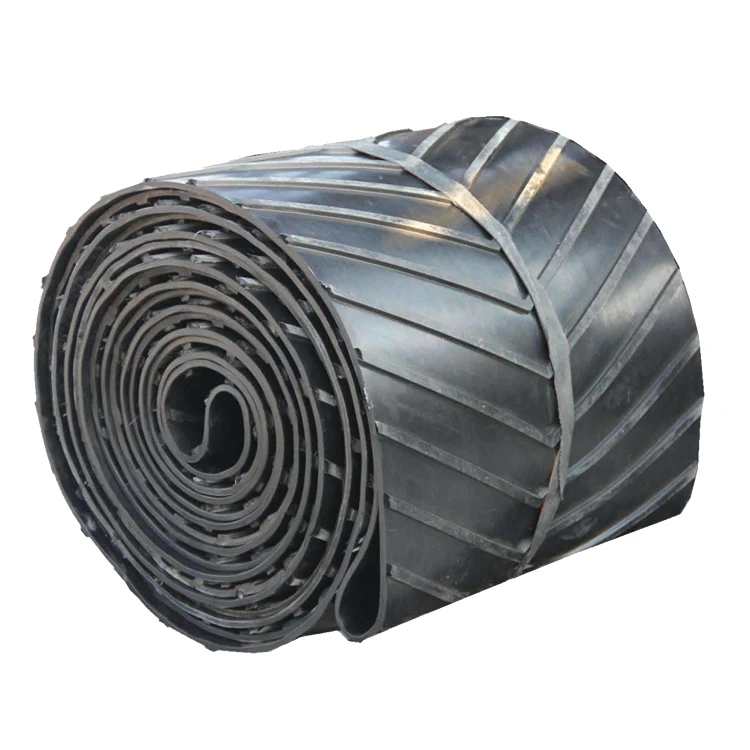
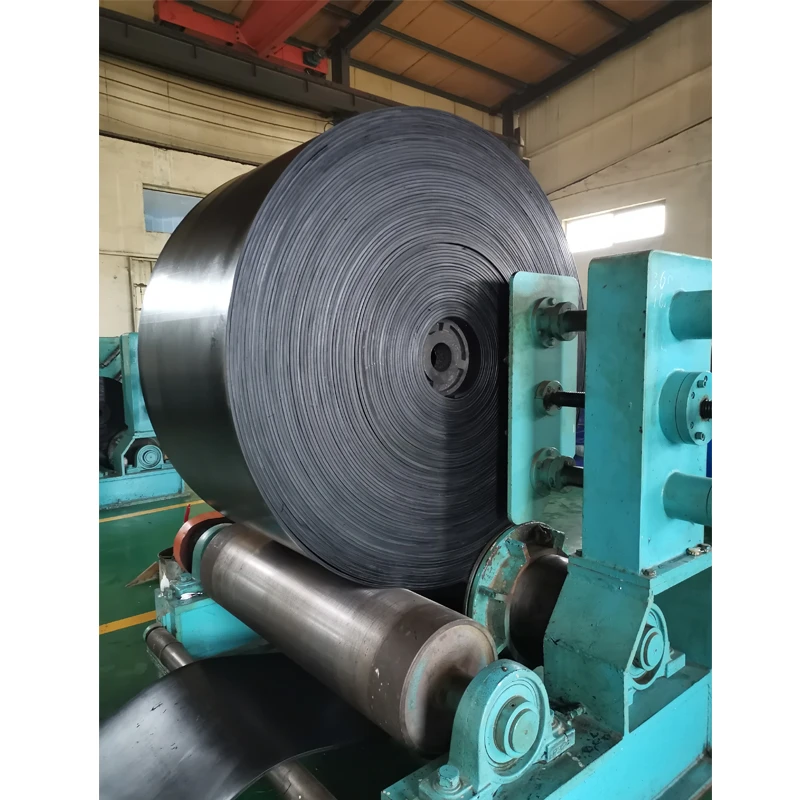
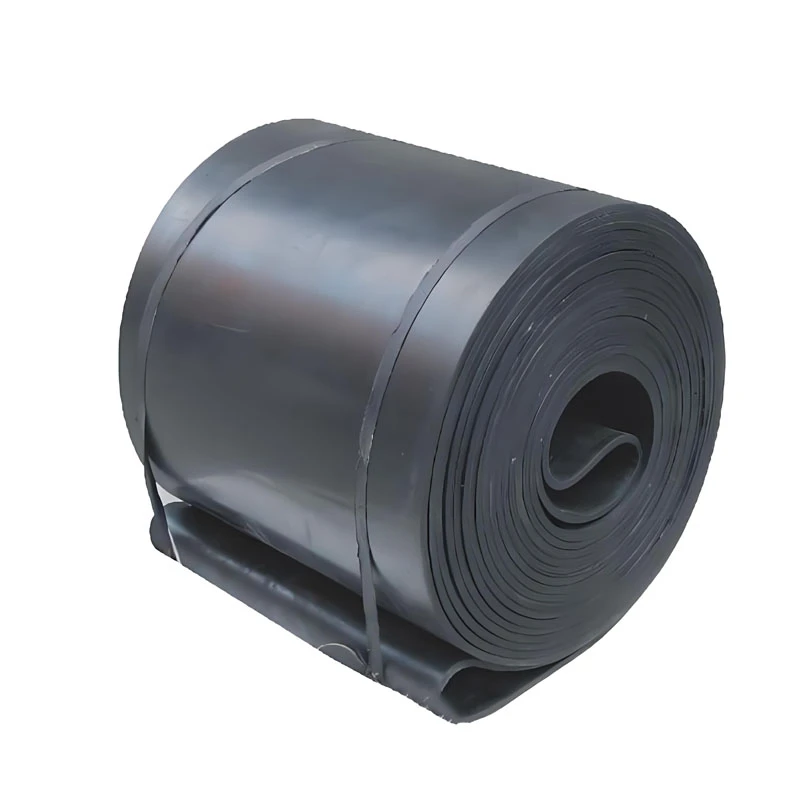
Logistics Conveyor Systems is a key solution in the industry, specifically within warehousing, manufacturing, and distribution sectors. This article explores how https://www.hgconveyorbelt.com supports professionals with durable, high-performance products, and explains why this product is an ideal choice for businesses in these sectors.
Table of Contents
- Logistics Conveyor Systems Overview
- Benefits & Use Cases of Logistics Conveyor Systems
- Cost, Maintenance & User Experience
- Sustainability & Market Trends
Logistics Conveyor Systems Overview
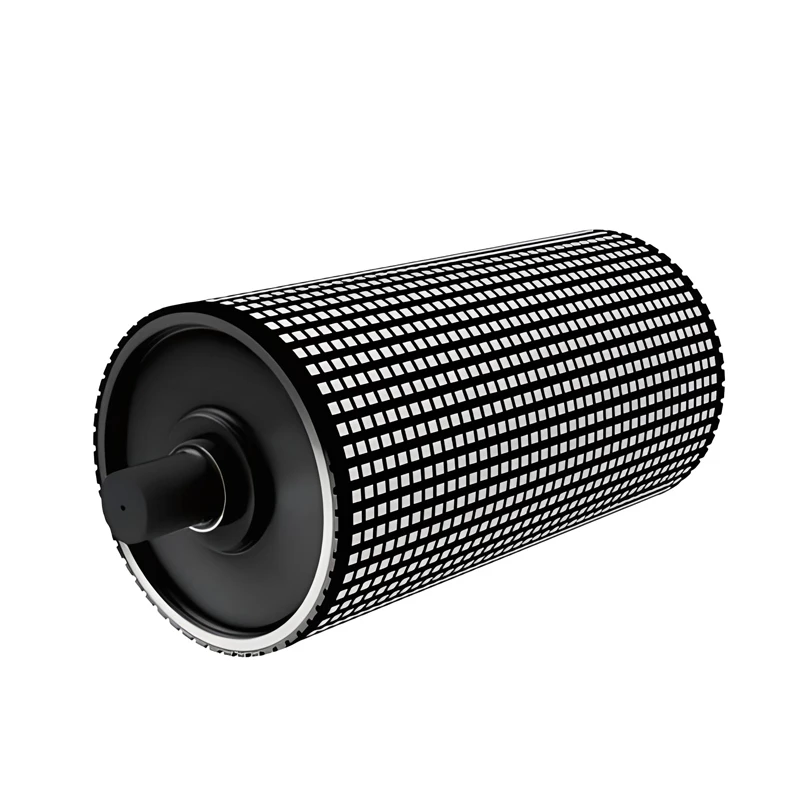
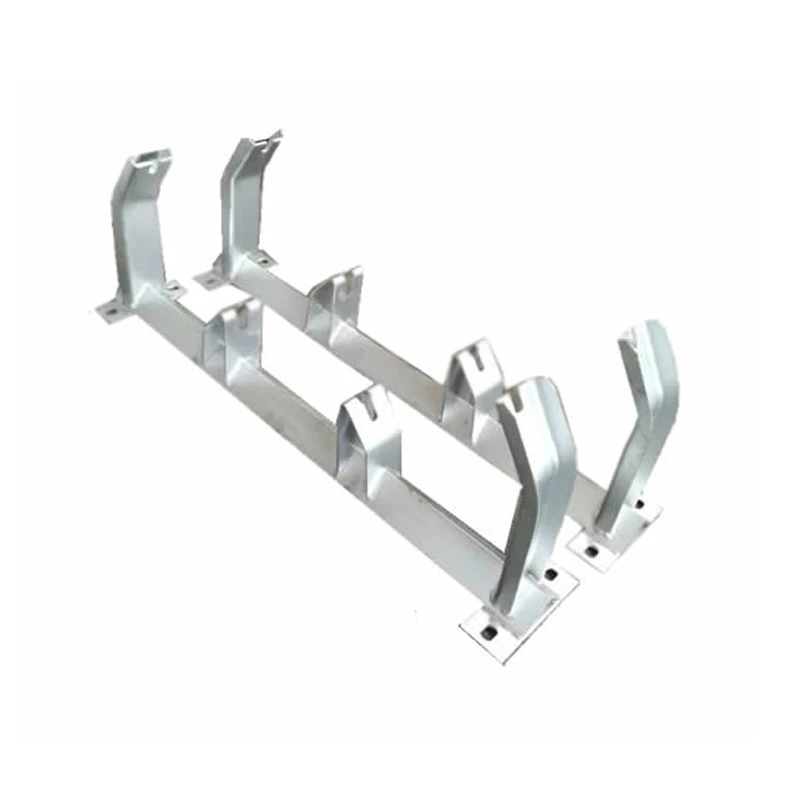
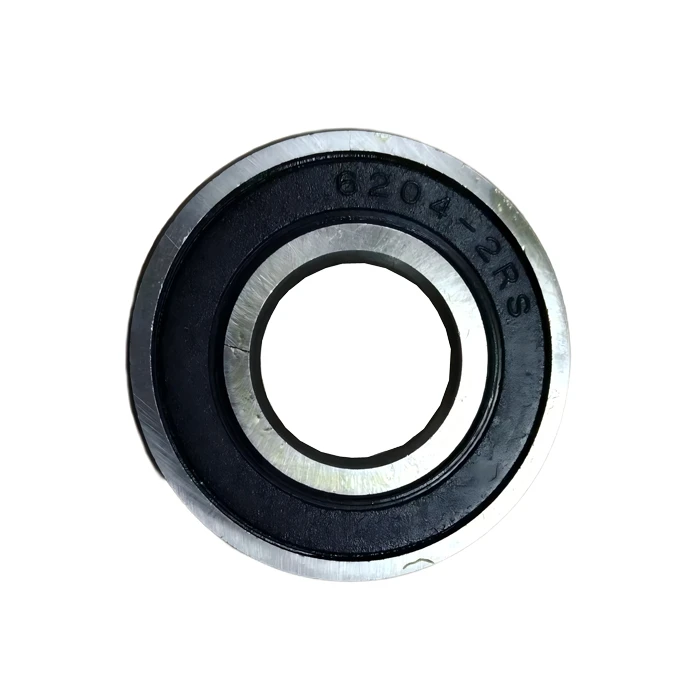
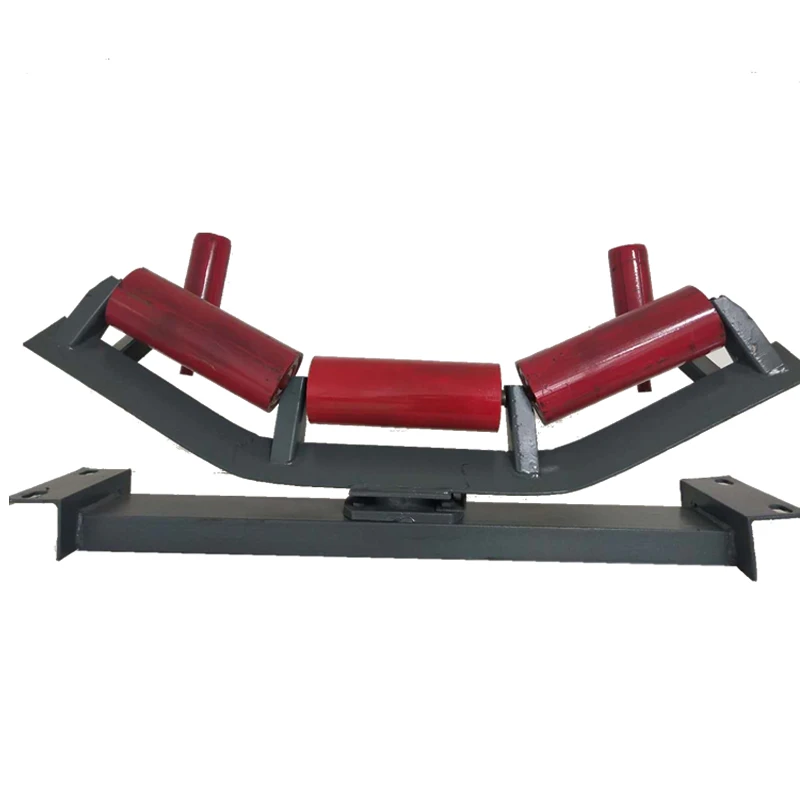
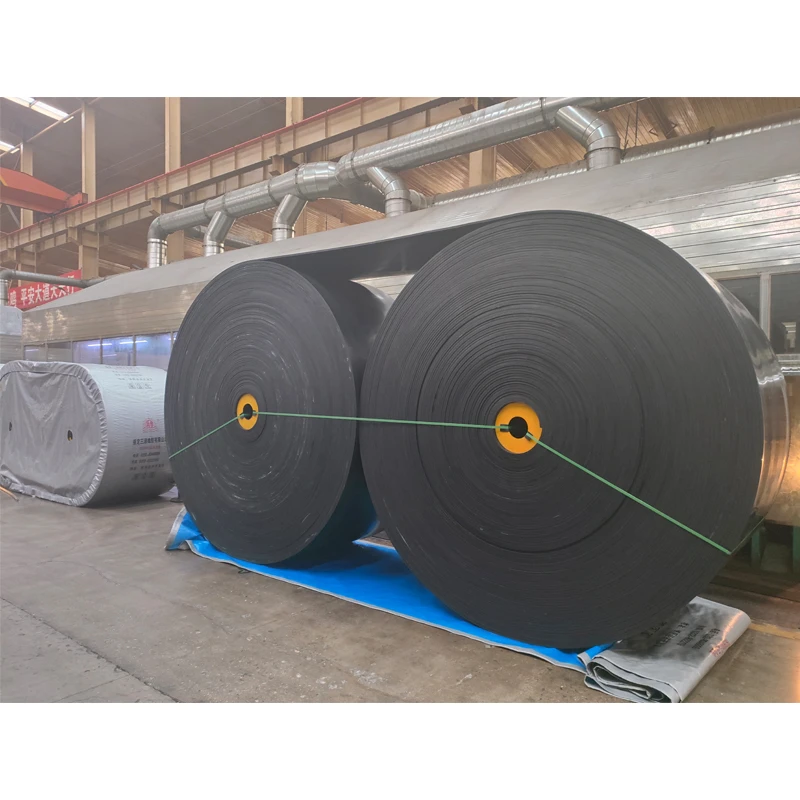
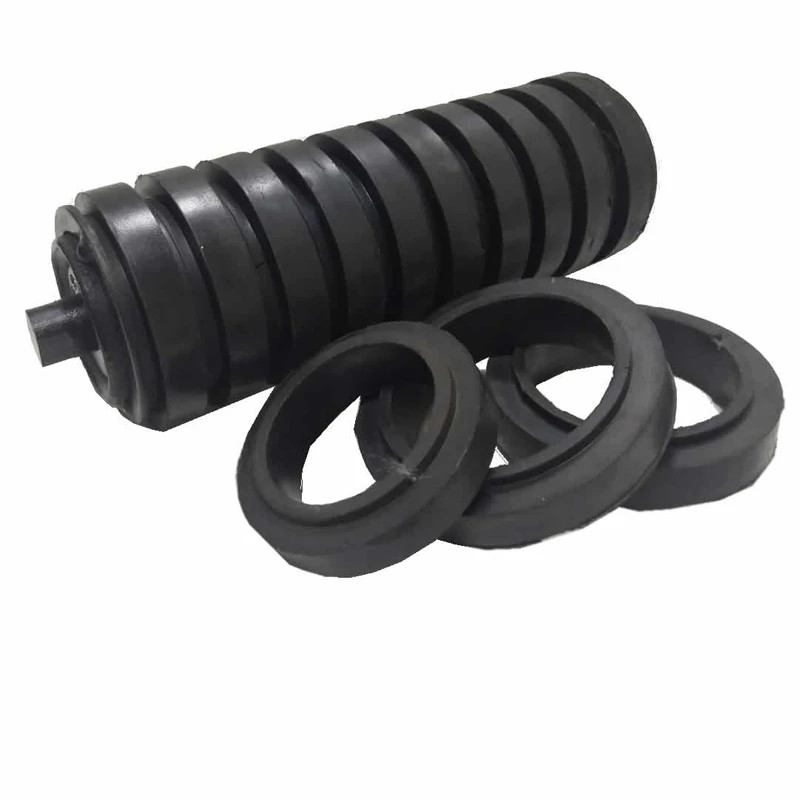
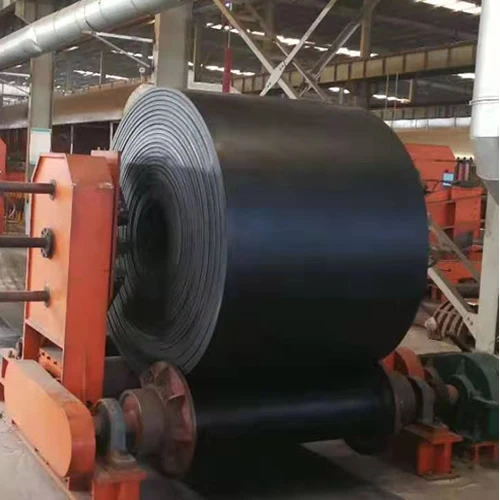
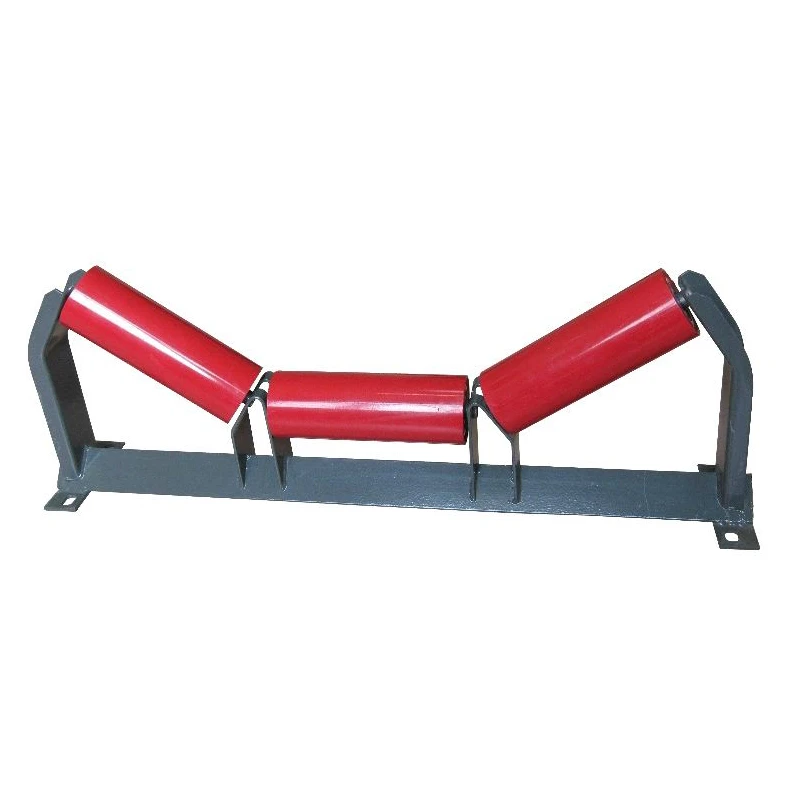
Simply put, logistics conveyor systems are the backbone of modern material handling, designed to automate and streamline the movement of goods within warehouses, factories, and distribution centers. These systems consist of a series of belts, rollers, and motors that transport products efficiently, reducing labor costs and minimizing human error. At first glance, it sometimes feels like just a simple belt or roller, but the technology behind it—especially from vendors like HG Conveyor Belt—is quite sophisticated.
- Engineered for durability with high-grade materials like reinforced PVC and polyurethane, which resist wear and tear.
- Technical specs include load capacities ranging from 50 kg/m to over 500 kg/m, and speeds adjustable up to 3 m/sec depending on configuration.
- Case study: A leading e-commerce fulfillment center saw a 35% throughput increase after upgrading to HG’s modular conveyor system tailored to their exact workflow.
Benefits & Use Cases of Logistics Conveyor Systems
The real charm of logistics conveyor systems is in their versatility: you see them sorting parcels in distribution hubs, moving components on automotive assembly lines, or managing inventory flow in cold storage warehouses. Their modularity means businesses can customize lines easily to fit evolving demands. Oddly enough, many engineers I’ve spoken with marvel at how small tweaks to belt materials or motor setups can dramatically enhance throughput without huge capital outlays.
- Applications include automated parcel sorting, pallet handling, and even integration with robotic picking arms.
- Competitive advantages: user-friendly controls, energy-efficient motors, and RFID tracking integration—features that really make a difference for large-scale operations.
| Spec | Detail |
|---|---|
| Belt Width | 300 mm - 2000 mm (customizable) |
| Max Load | Up to 500 kg/m |
| Operating Speed | 0.1 to 3.0 m/s |
| Material | Reinforced PVC, PU, Rubber options |
| Power Supply | 220V / 380V (customizable) |
Cost, Maintenance & User Experience
When it comes to total cost of ownership, logistics conveyor systems may seem like a significant upfront investment, but frankly, the long-term ROI is usually quite favorable. Durability is key; HG’s systems use materials proven through years of field testing, reducing the need for frequent replacements. Maintenance is straightforward, which is a big deal for busy warehouses with little downtime tolerance.
- Users report lower operational complexity due to intuitive controls and clear diagnostics.
- Several warehouse managers I know praise the minimal downtime and quick repair turnaround enabled by HG’s modular component design.
| Vendor | Durability | Customization | Maintenance Ease | Price Level |
|---|---|---|---|---|
| HG Conveyor | High | Extensive | Easy | Mid-range |
| Competitor A | Medium | Limited | Moderate | Low |
| Competitor B | High | Moderate | Difficult | High |
Sustainability & Market Trends
There’s no ignoring the sustainability angle lately, which oddly enough, integrates well with conveyor systems. Manufacturers like HG Conveyor are increasingly using recycled materials and energy-efficient motors to shrink carbon footprints. Plus, local government regulations often require greener logistics solutions, so adopting these systems is not just a smart operational choice but sometimes a compliance one.
- Industry growth is driven by e-commerce demands and advances in automation, meaning conveyor systems will evolve rapidly in the next decade.
Frequently Asked Questions about Logistics Conveyor Systems
- What is Logistics Conveyor Systems and how does it work?
- Logistics conveyor systems are automated transport mechanisms that use belts or rollers powered by motors to move goods efficiently within a facility. They reduce manual handling and improve processing speed by routing items along designated paths with controls for sorting or merging.
- What are the main benefits of using Logistics Conveyor Systems in industrial applications?
- Key benefits include improved efficiency, reduced labor costs, consistent product flow, increased safety by minimizing manual transport, and the flexibility to adapt as business needs change.
- How does Logistics Conveyor Systems compare to traditional alternatives?
- Compared to traditional manual or cart-based transport, logistics conveyor systems offer faster throughput, less physical strain on workers, and far better scalability. Plus, modern systems integrate IoT sensors for real-time tracking, which is a game changer.
- What industries can benefit most from Logistics Conveyor Systems implementation?
- Primary sectors include e-commerce warehouses, manufacturing plants, food and beverage processing, pharmaceuticals, and any large-scale distribution centers needing reliable, continuous material handling.
Conclusion on Logistics Conveyor Systems from china
In real terms, adopting a high-quality logistics conveyor system from trusted providers like HG Conveyor can transform operational workflows—raising efficiency, lowering costs, and supporting sustainability goals. For B2B decision makers eyeing long-term value, these systems are solid investments that keep pace with industrial advances.
- Visit our website: https://www.hgconveyorbelt.com
Reflecting on the developments in logistics automation, it seems clear that systems designed with adaptability and durability in mind will lead the pack. As markets evolve, it’s always worth checking which vendors combine technical rigor with thoughtful customer service—a bit like HG Conveyor does.
- "Industry Insights Report," Logistics Today, 2023.
- HG Conveyor Belt official product datasheets and case studies.
- Interviews with warehouse managers, 2022-2023.