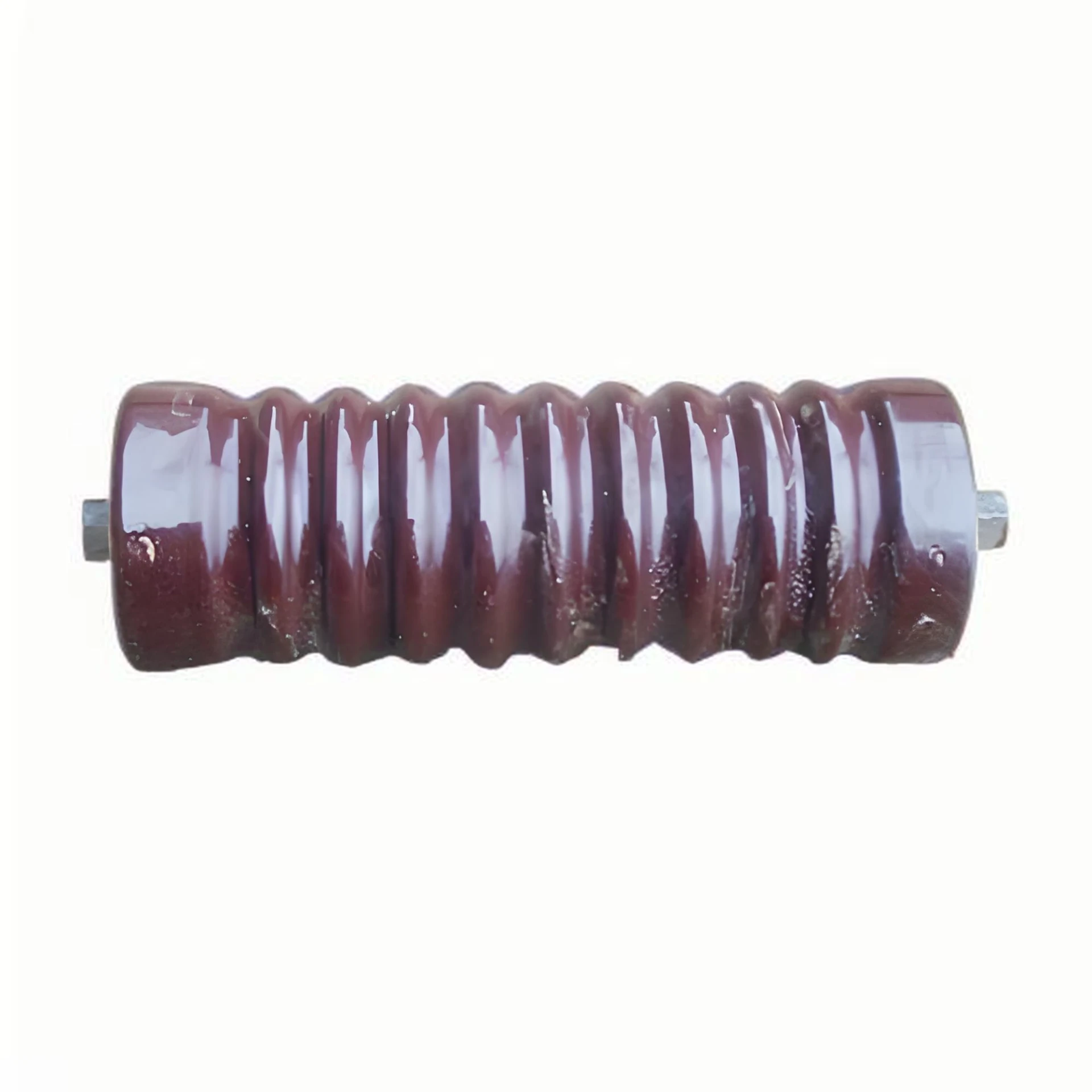
Inspection Conveyor is a key solution in the industry, specifically within industries demanding precision and speed—think food processing, packaging, and quality control lines. This article explores how https://www.hgconveyorbelt.com supports professionals with durable, high-performance products, and explains why this product is an ideal choice for businesses in these sectors.
Table of Contents
- Inspection Conveyor Overview
- Benefits & Use Cases of Inspection Conveyor
- Cost, Maintenance & User Experience
- Sustainability & Market Trends
Inspection Conveyor Overview
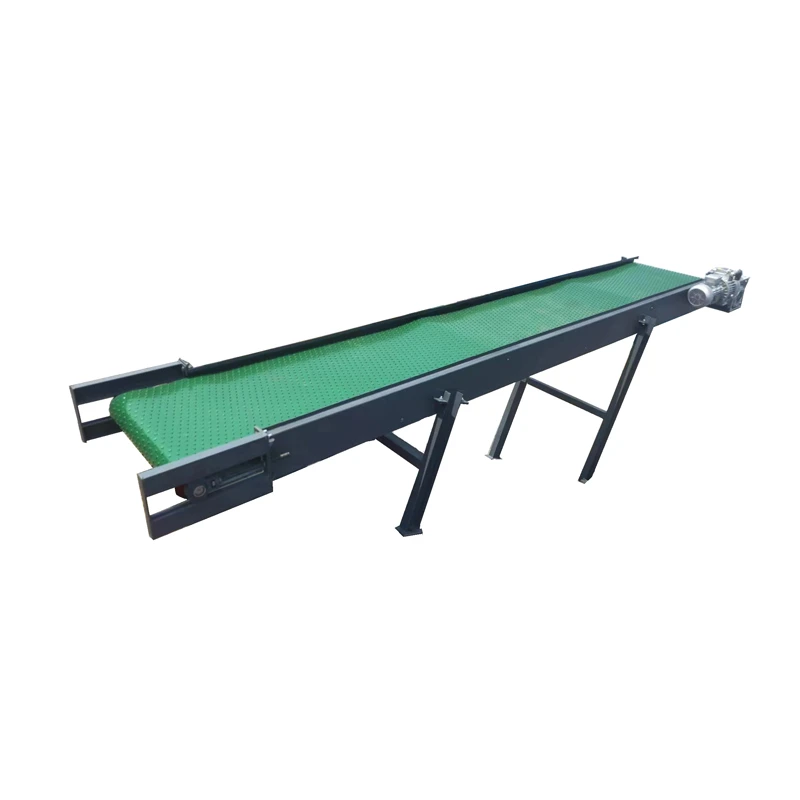
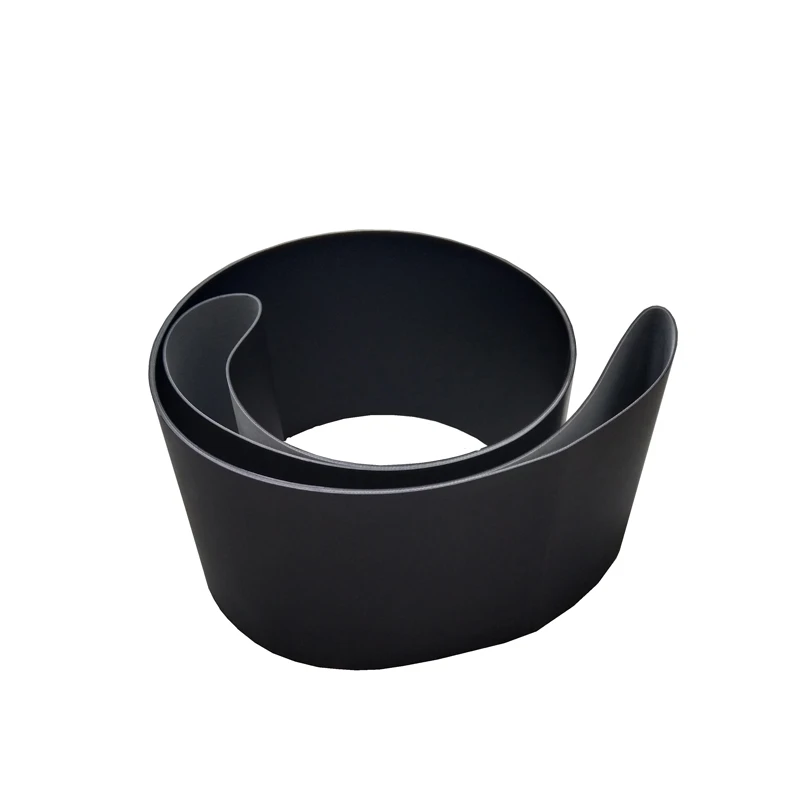
Right off the bat, an Inspection Conveyor is a specialized conveyor belt system designed mainly for product inspection processes. It’s a critical piece in many industrial setups where items need to be checked visually or via automated sensors for defects, irregularities, or contamination before proceeding in the workflow. Think of it as the vigilant middleman between production and packaging. These conveyor belts are engineered for optimal speed control, belt stability, and easy integration with inspection technologies like cameras or X-ray scanners.
- Manufactured from materials that withstand frequent cleaning and resist wear—often food-grade TPU or PU for hygienic environments.
- Available in varying widths and lengths; some models support modular, easy-to-replace sections to reduce downtime.
| Specification | Details |
|---|---|
| Material | Food-grade PU/TPU, Anti-static options |
| Width Range | 300mm up to 2000mm+ |
| Operating Speed | Up to 80 m/min, adjustable |
| Temperature Resistance | -10°C to 90°C (standard) |
Benefits & Use Cases of Inspection Conveyor
Now, the real selling point lies in how these conveyors are applied. Industries from food and beverage to pharmaceuticals lean on inspection conveyors because the stakes for quality control are just so high. The conveyor belt ensures seamless item flow through inspection stations without bottlenecks, while its design minimizes product damage or contamination risks. Oddly enough, many engineers mention how the belt's anti-static and smooth surface features improve sensor reliability – reducing false positives during automated inspections.
- Food processing lines benefit from hygienic, easy-clean surfaces that comply with strict FDA or EU norms.
- Packaging industries appreciate the precision speed control enabling flawless product orientation for visual or metal detection checks.
| Vendor | Material Options | Customizability | Lead Time |
|---|---|---|---|
| HG Conveyorbelt | PU, TPU, food-grade | High – lengths, widths & properties | 4-6 weeks |
| Competitor A | PVC, PU | Medium – limited sizes | 6-8 weeks |
| Competitor B | Rubber-based | Low – mostly standard sizes | 5-7 weeks |
Cost, Maintenance & User Experience
When you get down to brass tacks, what business leaders care about is total cost of ownership and return on investment. Frankly, while the upfront price for an Inspection Conveyor might be higher than a simpler system, the gains come from reduced downtime, less frequent belt replacement, and better quality conformity (so fewer product recalls or waste). Maintenance routines are straightforward: routine belt tensioning, surface cleaning, and periodic inspections usually do the trick.
- Many users report remarkable uptime improvement after switching to HG Conveyorbelt’s inspection conveyors.
- The modularity in design means you swap only the worn-out sections instead of the entire belt, cutting replacement costs significantly.
Sustainability & Market Trends
In today’s eco-conscious world, industries increasingly push for conveyors made from recyclable materials and with energy-efficient motors. HG Conveyorbelt has tapped into this trend by offering products that meet environmental regulations and help clients reduce waste and energy consumption. More than just a fad, sustainability here is a business imperative—recyclability, lower carbon footprint, and less wasteful usage patterns can boost brand reputation and compliance with the latest food and industrial safety directives.
- The inspection conveyor market is expected to grow steadily as industries automate their inspection processes further.
Frequently Asked Questions about Inspection Conveyor
- What is Inspection Conveyor and how does it work?
- It’s essentially a conveyor belt designed to transport items smoothly past inspection stations. It can integrate with visual or automatic sensors, helping detect defects or contaminants as products move down the line.
- What are the main benefits of using Inspection Conveyor in industrial applications?
- Key advantages include consistent item presentation, compatibility with inspection tech, durability under frequent cleaning cycles, and overall better product quality assurance.
- How does Inspection Conveyor compare to traditional alternatives?
- Unlike simpler conveyors, inspection conveyors offer smoother surfaces, precise speed control, and materials that don’t interfere with sensitive inspection tools, ensuring greater accuracy and less downtime.
- What industries can benefit most from Inspection Conveyor implementation?
- Food and beverage, pharmaceuticals, electronics, and any sector requiring stringent quality control find inspection conveyors indispensable. For instance, a recent client in the bakery sector reduced defect rates by 20% after installing HG Conveyorbelt’s system.
Conclusion on Inspection Conveyor from china
In real terms, investing in an Inspection Conveyor is about more than just moving products. It’s about upgrading your quality assurance processes with smart, durable technology that delivers measurable results. If you’re looking to optimize inspection accuracy while reducing costs and downtime, it’s a smart move.
- Recap the value: precision, durability, and adaptability are at its core.
- - "Visit our website: https://www.hgconveyorbelt.com"
Reflecting on these insights, the trend toward smarter, more efficient inspection conveyors is unmistakable — a clear signal that quality assurance can still evolve dramatically, even in long-established industrial processes.