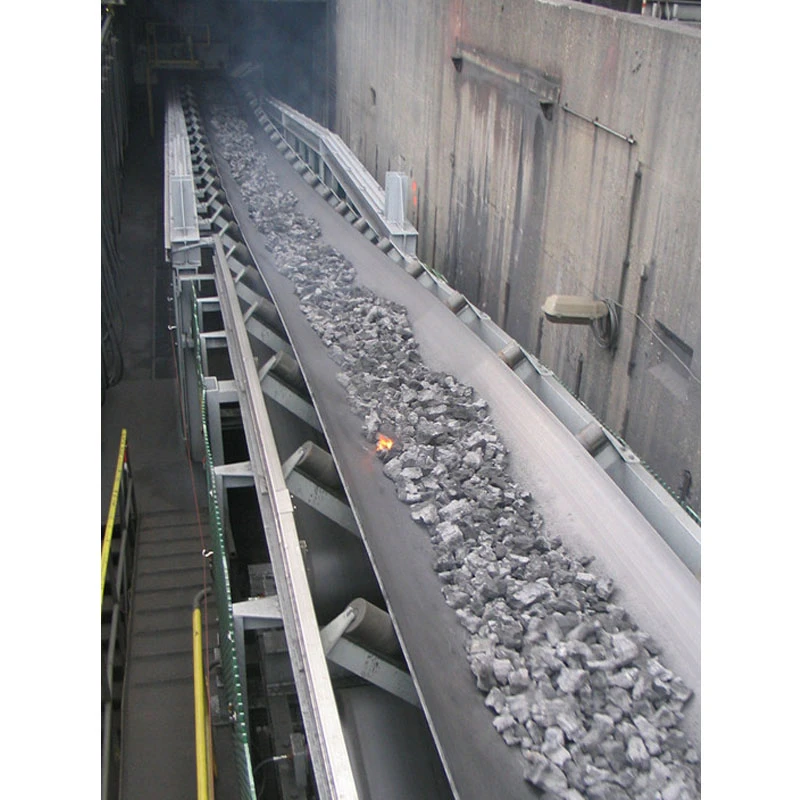
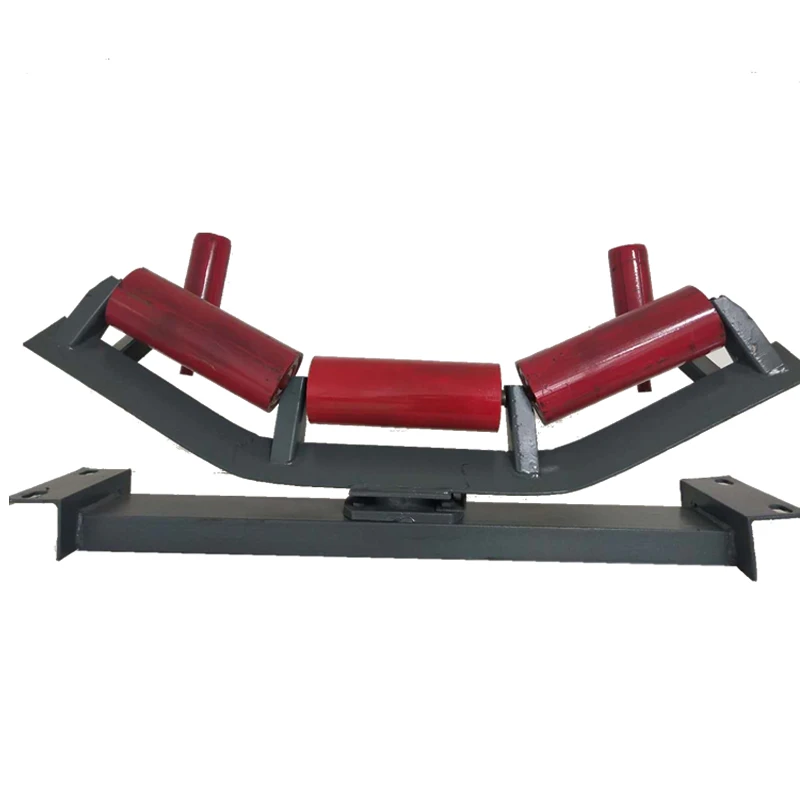
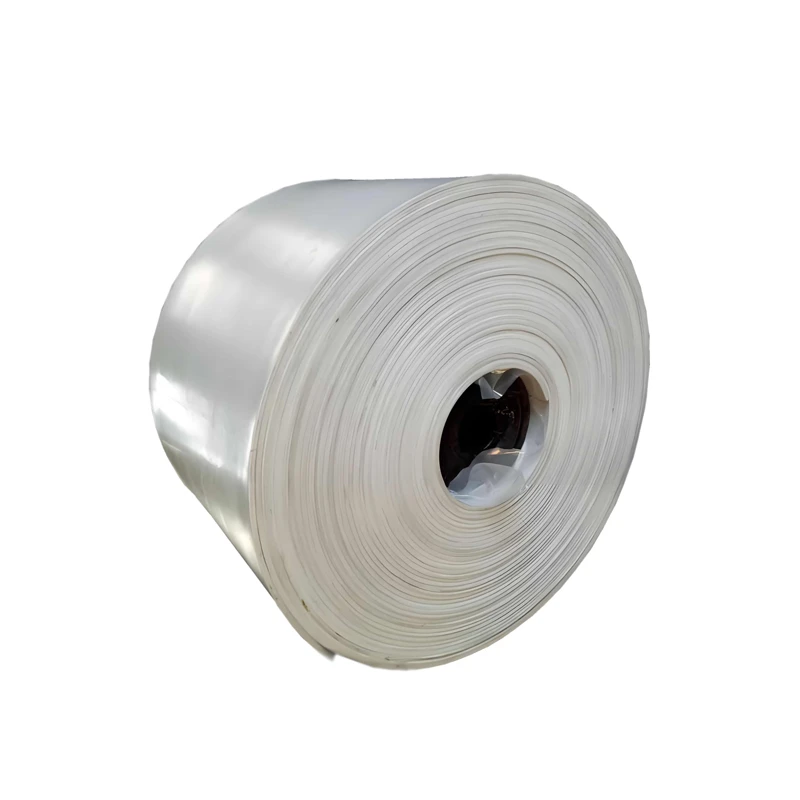
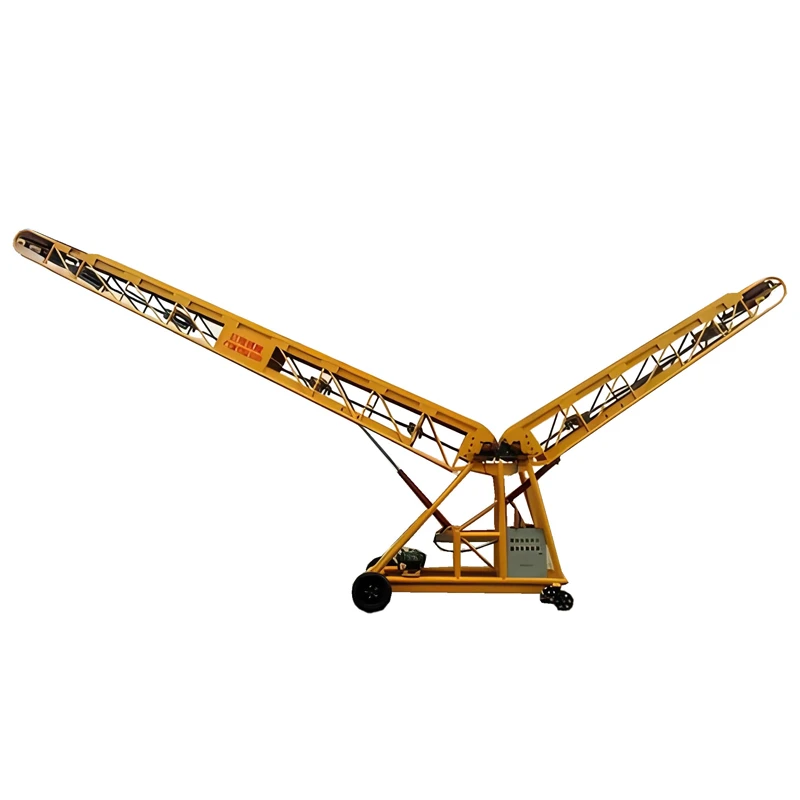
Flow Conveyor is a key solution in the industry, specifically within manufacturing, logistics, and warehousing sectors. This article explores how https://www.hgconveyorbelt.com supports professionals with durable, high-performance products, and explains why this product is an ideal choice for businesses in these sectors.
Table of Contents
- Flow Conveyor Overview
- Benefits & Use Cases of Flow Conveyor
- Cost, Maintenance & User Experience
- Sustainability & Market Trends
Flow Conveyor Overview
At its core, a Flow Conveyor is a gravity-fed conveyor system designed to move goods smoothly and efficiently from one point to another without the need for motorized assistance. It’s quite ingenious—once set at a proper incline, products simply roll along using gravity. For B2B decision makers, especially those handling heavy materials or high-volume throughput, this simplicity translates into lower energy costs and less maintenance. HG Conveyor Belt offers a fine-tuned selection of these systems made from robust aluminum frames and high-grade plastic rollers that can handle weights ranging broadly from lightweight parcels to heavy crates.
- The conveyors are available in modular sections—usually 1.2m long—making custom layouts pretty flexible.
- Roller diameter and spacing can be adjusted according to product size to minimize jams and maximize smooth flow.
- In one case study, a logistics company reduced package handling time by 20% just by switching to these gravity conveyors.
| Specification | Details |
|---|---|
| Standard Length | 1.2 meters per section |
| Roller Diameter | 38mm / 50mm / 76mm options |
| Weight Capacity | Up to 80 kg per meter |
| Frame Material | Aluminum alloy |
| Roller Material | Plastic (PVC or Nylon) |
| Adjustable Height | Yes, 600 to 900 mm |
Benefits & Use Cases of Flow Conveyor
What’s immediately attractive about flow conveyors is their simplicity married with reliability. In manufacturing plants, these conveyors reduce manual labor by easing the transfer of parts between assembly zones. Oddly enough, many industries that rely on precision handling—electronics assembly, for example—find them invaluable because they minimize damage risk from bumping or dropping. Warehousing and order fulfillment centers also rely heavily on them; these conveyors keep boxed goods moving quickly, so nothing stalls at loading docks.
- Energy savings: Since they rely on gravity, no motors required.
- Easy installation and scalability due to modular design.
- Customizable roller spacing prevents jams and accommodates diverse product sizes.
| Vendor | Material Quality | Customization | Lead Time | Price Range |
|---|---|---|---|---|
| HG Conveyor Belt | High (aluminum & nylon rollers) | Extensive | 2-3 weeks | $$ |
| Generic Supplier A | Medium (steel rollers) | Limited | 4-6 weeks | $ |
| Premium Vendor B | Very High (stainless steel & custom rollers) | Moderate | 3-5 weeks | $$$ |
Cost, Maintenance & User Experience
While flow conveyors may initially look like a straightforward purchase, the devil’s in the details of long-term costs. HG Conveyor Belt’s systems are surprisingly cost-effective, especially thanks to the minimized maintenance—no motors to burn out, fewer parts to replace. Customers often report that initial ROI comes through improved throughput and reduced labor needs. One warehouse manager mentioned that the flow conveyor “just keeps running” with minimal downtime. Even the occasional replacement roller is inexpensive and straightforward to swap, so overall, the TCO (total cost of ownership) is friendly to budgets that matter most in industrial contexts.
- Durability is enhanced by corrosion-resistant materials — critical for humid environments.
- User feedback highlights less noise and easier troubleshooting compared to powered systems.
Sustainability & Market Trends
Sustainability is on everyone’s lips these days—oddly enough, something as “simple” as a gravity-fed flow conveyor plays a role. By ditching motors and using recyclable materials like aluminum and certain types of plastic, these conveyors reduce electricity consumption and environmental footprint. Regulations around energy usage and carbon emissions tighten each year, meaning companies that invest in efficient systems get ahead of compliance curves. The flow conveyor market is also growing due to e-commerce’s boom, where faster packing and shipping lines are crucial. It’s not only about economy, but ecology.
- Many companies now specifically seek “green” conveyor options with lower lifecycle emissions.
- Future trends point towards hybrid systems integrating gravity with smart sensors and modular automation.
Frequently Asked Questions about Flow Conveyor
- What is Flow Conveyor and how does it work?
- A Flow Conveyor is a gravity-powered conveyor system where goods move along rollers or wheels set on a slight incline. This means no motors are needed—items just roll downhill steadily and safely, improving workflow without added energy usage.
- What are the main benefits of using Flow Conveyor in industrial applications?
- Key advantages include energy savings, low maintenance, adaptability to different product sizes, and enhancing operational speed by reducing manual handling or motorized system failures.
- How does Flow Conveyor compare to traditional alternatives?
- Unlike powered conveyors, flow conveyors are quieter, less complex, and more cost-effective over time. They require fewer repairs, and their modular nature allows quick reconfiguration—plus, they don't rely on electricity.
- What industries can benefit most from Flow Conveyor implementation?
- Manufacturing, warehousing, order fulfillment, food processing, and parcel sorting centers all find flow conveyors invaluable—for moving everything from small individual parts to bulkier packaged goods.
Conclusion on Flow Conveyor from china
To sum it up, flow conveyors from HG Conveyor Belt deliver a smart, durable, and cost-savvy alternative for businesses that want to streamline operations without adding complexity. They blend solid engineering with practical benefits—energy saving, low maintenance, and adaptability. For any B2B decision maker weighing conveyor options, they’re more than worth a look.
- Recap the value of Flow Conveyor.
- - Visit our website: https://www.hgconveyorbelt.com
In the end, sometimes the simplest innovations make the biggest operational difference. As the saying goes, gravity does the work—if you set the stage properly.
References:
1. Industry surveys on conveyor ROI, 2023
2. HG Conveyor Belt technical manuals and case studies
3. Market trends reports on logistics and warehousing automation