Introduction to Advanced Conveyor Belt Systems
In industrial environments where the handling of corrosive materials is a constant challenge, the selection of robust and specialized material handling equipment is paramount. Conventional conveyor systems often succumb to the harsh realities of strong acids, alkalis, and aggressive chemicals, leading to frequent downtime, high maintenance costs, and significant safety risks. This necessitates the deployment of advanced solutions designed for extreme resistance. This article delves into the critical aspects of the specialized conveyor belt conveyor belt, specifically engineered to withstand highly corrosive agents, ensuring operational continuity and enhanced safety across various heavy industries.
We will explore the intricate manufacturing processes, technical specifications, diverse application scenarios, and the tangible advantages these specialized belts offer. Our discussion will also encompass industry trends, vendor comparisons, customization options, and real-world case studies, providing a comprehensive overview for B2B decision-makers and technical engineers seeking reliable and durable material transport solutions.
Industry Trends and Technological Advancements
The global industrial conveyor belt market is experiencing significant growth, driven by increasing automation in manufacturing, mining, and logistics. Projections indicate a compound annual growth rate (CAGR) of approximately 4.5% from 2023 to 2030, reaching an estimated market value of over $10 billion. A key trend within this growth is the rising demand for specialized belts designed for extreme conditions, including high temperatures, abrasive materials, and corrosive chemicals. Innovations in polymer science and composite materials are at the forefront of this evolution, enabling the development of belts with superior chemical resistance and longer service lives.
Furthermore, the emphasis on environmental sustainability and energy efficiency is shaping product development. Manufacturers are increasingly focused on creating belts that not only offer high performance but also contribute to lower energy consumption and reduced environmental impact. This includes the development of lighter belts, low-friction cover compounds, and materials that are more durable, thereby extending replacement cycles and minimizing waste. Smart conveyor systems incorporating IoT sensors for predictive maintenance and real-time performance monitoring are also gaining traction, enhancing operational efficiency and reducing unexpected downtime.
Manufacturing Process Flow of Strong Acid and Alkali Resistant Conveyor Belts
The production of a robust conveyor belt conveyor belt for corrosive environments is a meticulously controlled multi-stage process, ensuring the final product meets stringent performance and safety standards. The core objective is to create a composite material that resists chemical degradation while maintaining structural integrity and operational flexibility.
1. Material Selection & Preparation
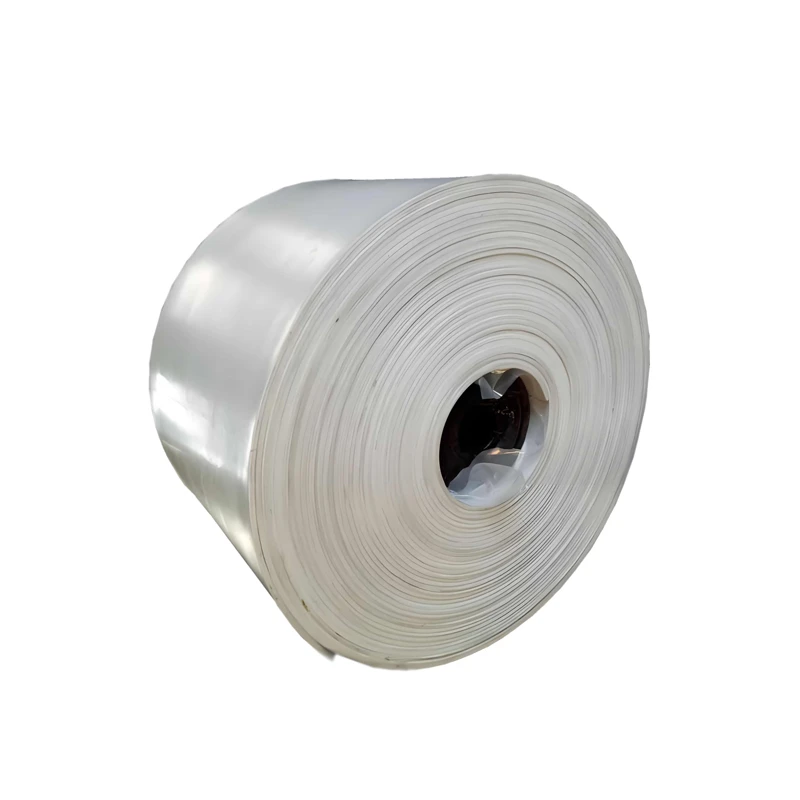
- Carcass Material: High-strength synthetic fabrics like Polyester (E) and Nylon (P) are commonly used to form the carcass. For strong acid and alkali resistance, fabrics are often treated with specialized coatings or made from specific synthetic fibers that are inherently more resistant. A 3 ply conveyor belt configuration, using an EP (Polyester-Nylon) fabric weave, provides an excellent balance of tensile strength, low elongation, and impact resistance.
- Cover Compounds: The most critical component for chemical resistance. Specialized rubber compounds, such as Chloroprene (Neoprene), Butyl, or EPDM (Ethylene Propylene Diene Monomer), are formulated. These compounds are selected for their excellent resistance to specific acids (e.g., sulfuric acid, hydrochloric acid) and alkalis (e.g., caustic soda, ammonia), as well as oxidation and ozone. Fillers, curing agents, and anti-degradants are precisely mixed to achieve the desired physical and chemical properties.
2. Calendering & Ply Assembly
- Calendering: The prepared rubber compounds are fed into a calender machine, which rolls them into thin, uniform sheets. These sheets form the top cover, bottom cover, and skim rubber layers that encapsulate the fabric plies.
- Ply Assembly: Multiple layers of the carcass fabric (e.g., 3 plies for a 3 ply conveyor belt) are laid out. Skim rubber is applied between each ply to ensure excellent adhesion and flexibility, and to prevent delamination. The top and bottom cover sheets are then applied to the assembled plies.
3. Vulcanization (Curing)
- The assembled raw belt is placed into a vulcanizing press. Under precise control of heat and pressure, the rubber compounds undergo a chemical cross-linking process, transforming them from a plastic state into an elastic, durable material. This process imparts the final physical properties, including tensile strength, abrasion resistance, and crucial chemical resistance.
4. Finishing & Quality Control
- After vulcanization, the belt is trimmed to precise width and length specifications. Edges may be reinforced or sealed.
- Testing Standards: Rigorous quality control is conducted according to international standards such as ISO 15236 (Conveyor belts with a textile carcass — Dimensions, chemical, electrical and fire resistance), ASTM D378 (Rubber conveyor belts — Test methods), and DIN 22102. These tests include tensile strength, elongation, adhesion between plies and covers, abrasion resistance, and critically, chemical immersion tests to verify resistance to specified acids and alkalis.
- Service Life: A well-manufactured strong acid and alkali resistant conveyor belt conveyor belt typically offers a service life of 3-7 years, significantly longer than standard belts in corrosive environments, depending on operating conditions and maintenance.
Target Industries & Advantages:
- Petrochemical: Handling corrosive chemicals like sulfuric acid, nitric acid, and various hydrocarbons. Advantages include superior corrosion resistance, reducing costly material degradation and equipment replacement.
- Metallurgy & Mining: Transporting acidic ore slurries, pickling baths, or caustic waste products. Benefits include extended operational uptime due to reduced belt failures, and enhanced safety by preventing chemical spills.
- Water Supply & Drainage / Waste Treatment: Conveying sludges treated with flocculants or highly corrosive wastewater. These belts offer exceptional resistance to a wide pH range, ensuring reliability in critical municipal infrastructure.
- Fertilizer Production: Moving phosphoric acid, ammonia-based compounds, and other aggressive fertilizer ingredients. Energy saving is achieved through optimal material flow and reduced friction due to specialized cover compounds.
The inherent corrosion resistance and robust construction of these belts translate into significant operational advantages, including reduced maintenance, enhanced safety, and greater energy efficiency by preventing material build-up and ensuring smooth transport.
Technical Specifications and Performance Parameters
Understanding the precise technical specifications of an acid and alkali resistant conveyor belt conveyor belt is crucial for proper system design and operational integrity. These belts are engineered with specific parameters to ensure optimal performance in aggressive chemical environments.
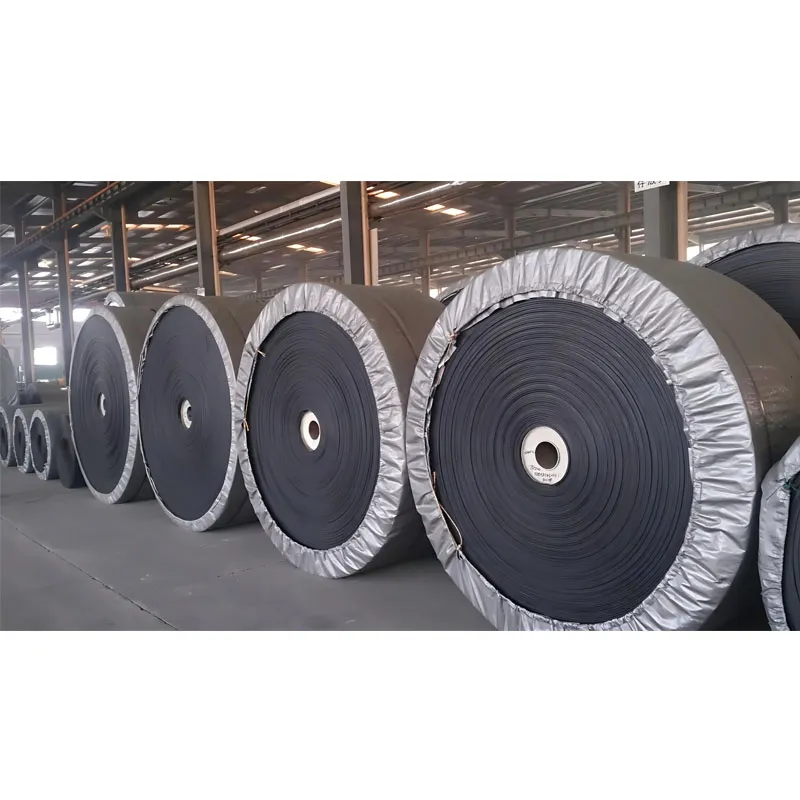
Typical Product Specification Table: Strong Acid And Alkali Resistant Conveyor Belt
| Parameter | Specification | Measurement Standard |
|---|---|---|
| Belt Width | 300mm to 2200mm (customizable) | ISO 21101 |
| Tensile Strength (Nominal) | EP100 to EP600 (N/mm) | ISO 21101, ASTM D378 |
| Number of Plies | 2-6 plies (commonly 3 ply conveyor belt for general use) | Internal QA, ISO 15236 |
| Cover Thickness (Top/Bottom) | Top: 3-15mm, Bottom: 1.5-6mm | ISO 21101 |
| Chemical Resistance Type | Acid, Alkali, and Oil (Specific compounds: Neoprene, Butyl, EPDM) | ISO 15236, ASTM D471 (Chemical Immersion) |
| Operating Temperature Range | -25°C to +80°C (up to 120°C for special formulations) | Internal Testing |
| Max. Acid Concentration | Up to 40% (Sulfuric Acid), 30% (Hydrochloric Acid) | ASTM D471 (Specific Chemical Resistance) |
| Max. Alkali Concentration | Up to 30% (Sodium Hydroxide) | ASTM D471 (Specific Chemical Resistance) |
| Adhesion Strength (Cover to Ply) | ≥ 6 N/mm | ISO 21102 |
These parameters highlight the rigorous design principles, ensuring the belt maintains its structural integrity and chemical inertness throughout its operational life. The selection of a specific belt should always be matched to the exact chemical composition and concentration of the materials being conveyed, along with operating temperatures and mechanical stress factors.
Application Scenarios for Strong Acid and Alkali Resistant Belts
The specialized resistance of these belts makes them indispensable in industries where aggressive chemicals are routinely handled. Their deployment ensures both operational efficiency and the safety of personnel and equipment.
- Chemical Processing Plants: Transporting raw materials, intermediate products, and waste in facilities producing acids, alkalis, salts, and organic chemicals. This includes the conveyance of materials like concentrated hydrochloric acid, sulfuric acid, nitric acid, caustic soda flakes, or phosphoric acid slurries.
- Fertilizer Manufacturing: Moving corrosive components such as phosphate rock, superphosphate, potash, and various compounds that become highly reactive when wet or exposed to air. The belts must withstand both acidic and alkaline conditions present in the production stream.
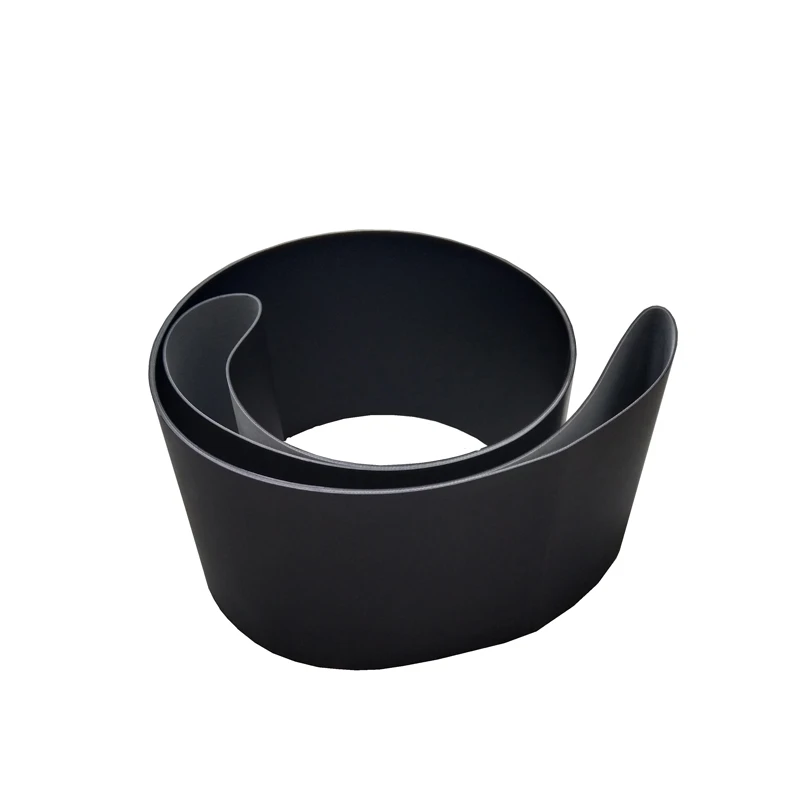
- Mining and Mineral Processing: Handling acidic ore slurries, such as those from copper or nickel extraction, or materials undergoing acid leaching processes. In some applications, a blue conveyor belt might be specifically used for visual identification of chemically resistant applications or to meet certain industry standards for material segregation.
- Metallurgical Industry: Conveying materials in pickling lines (where steel is treated with acid to remove impurities), transporting corrosive fluxes, or handling by-products that are highly acidic or alkaline.
- Waste Water Treatment Facilities: Moving sludges and effluent that often contain a complex mix of acids, alkalis, and oxidizing agents, resulting from industrial and municipal waste treatment processes.
- Pulp and Paper Industry: Transporting wood chips and pulp that are processed with strong chemicals (e.g., sodium hydroxide, sodium sulfite, chlorine dioxide) during the pulping and bleaching stages.
In each of these scenarios, the ability of the conveyor belt conveyor belt to resist degradation from chemical exposure is critical. This prevents material contamination, extends equipment lifespan, and most importantly, safeguards against hazardous leaks or spills that could pose environmental and safety risks.
Technical Advantages of Specialized Conveyor Belts
The distinct advantages of strong acid and alkali resistant conveyor belts extend beyond mere chemical resilience, offering a holistic improvement in operational performance, safety, and cost-efficiency.
- Unmatched Chemical Resistance: The primary advantage is the ability to maintain structural and functional integrity when exposed to concentrated acids (e.g., sulfuric, hydrochloric, nitric) and alkalis (e.g., sodium hydroxide, potassium hydroxide). This prevents chemical attack, softening, swelling, or hardening of the rubber covers, which are common issues with standard belts.
- Extended Service Life: By resisting chemical degradation, these belts significantly outperform general-purpose belts in corrosive environments. This translates into fewer belt replacements, reduced maintenance interventions, and substantial savings in operational expenditure (OpEx) over time.
- Enhanced Operational Uptime: Fewer belt failures directly contribute to increased system uptime and production continuity. Industries relying on continuous processes, such as petrochemicals or metallurgy, benefit immensely from this reliability, avoiding costly production stoppages.
- Improved Safety Profile: The integrity of the belt in hazardous environments minimizes the risk of chemical leaks or spills, which can cause severe environmental damage, worker injury, and regulatory non-compliance. These belts contribute to a safer working environment.
- Reduced Maintenance Costs: Their durability and resistance to degradation mean less frequent inspection, repair, and replacement. This leads to lower labor costs, reduced spare parts inventory, and a more predictable maintenance schedule.
- Consistent Performance: The specialized cover compounds ensure that the friction, abrasion resistance, and tensile properties of the belt remain consistent throughout its life, even under continuous chemical exposure. This allows for stable material handling and predictable operational parameters. For instance, a robust 3 ply conveyor belt structure provides the necessary mechanical strength to support heavy loads without compromise, even when the surface is constantly challenged by aggressive substances.
- Adaptability to Extreme Conditions: Beyond chemical resistance, these belts often exhibit enhanced performance against heat, cold, and abrasion, offering a comprehensive solution for multifaceted challenging industrial settings.
These technical advantages collectively underpin the value proposition of investing in a high-quality, chemically resistant conveyor belt conveyor belt, ensuring long-term operational excellence and safety.
Vendor Comparison and Selection Criteria
Selecting the right vendor for specialized conveyor belts is as critical as selecting the belt itself. Decision-makers must evaluate vendors based on a comprehensive set of criteria that go beyond mere product specifications.
Key Comparison Factors:
- Material Expertise and R&D: A leading vendor will demonstrate deep knowledge in polymer chemistry and material science, evidenced by continuous R&D and innovative product formulations. They should be able to provide detailed material data sheets and chemical compatibility charts.
- Manufacturing Quality & Certifications: Look for vendors with ISO 9001 certification for quality management and adherence to international product standards (e.g., ISO, DIN, ASTM). Certifications like REACH or RoHS compliance for environmental responsibility are also valuable.
- Customization Capabilities: The ability to tailor belt dimensions, cover compounds, ply configurations (e.g., specific 3 ply conveyor belt designs), and surface profiles to unique application requirements is a significant differentiator.
- Technical Support & After-Sales Service: Comprehensive pre-sales consultation, installation guidance, and responsive after-sales support, including troubleshooting and maintenance advice, are crucial for long-term operational success.
- Track Record and Client Portfolio: A history of successful deployments in similar challenging environments, backed by testimonials or references from established industrial clients, indicates reliability and experience.
- Lead Times and Logistics: Timely delivery is critical. Evaluate a vendor’s production capacity, lead times for standard and custom orders, and their logistical capabilities to ensure smooth project execution.
- Warranty and Guarantee: Clear warranty terms covering defects in material and workmanship, along with performance guarantees, provide assurance and mitigate risks.
Vendor Comparison Table (Illustrative)
| Feature/Criterion | Vendor A (Example) | Vendor B (Example) | Vendor C (Example) |
|---|---|---|---|
| Chemical Resistance Range | Broad spectrum (pH 1-13) | Specific to strong acids only | Moderate acid/alkali (pH 3-11) |
| Carcass (Ply) Options | EP, NN, Steel Cord (up to 6 plies) | EP, NN (up to 4 plies) | EP only (2-3 plies) |
| Certifications | ISO 9001, DIN, ASTM, REACH | ISO 9001, ASTM | ISO 9001 |
| Customization Lead Time | 4-6 weeks | 6-8 weeks | 8-10 weeks |
| Warranty Period | 3 years | 2 years | 1 year |
| Geographic Reach | Global distribution | Regional (Asia-Pacific) | Local (Country-specific) |
A thorough vendor evaluation based on these criteria ensures a long-term, reliable partnership, leading to optimal performance of the conveyor belt conveyor belt system.
Customized Solutions for Unique Industrial Demands
Recognizing that no two industrial applications are exactly alike, specialized conveyor belt manufacturers offer extensive customization options. This flexibility is crucial for optimizing performance in highly specific and challenging environments.
- Tailored Cover Compounds: Beyond general acid and alkali resistance, specific chemical formulations can be developed to resist particular chemicals or concentrations (e.g., highly concentrated sulfuric acid, specific organic solvents, oxidizing agents). This ensures maximum protection and longevity.
- Dimension and Ply Configuration: Belts can be manufactured to precise widths, lengths, and thicknesses. The number of plies (e.g., from a 3 ply conveyor belt to multi-ply heavy-duty belts) and carcass material (EP, NN, CC) can be chosen to meet specific tensile strength, impact resistance, and troughing requirements of the system.
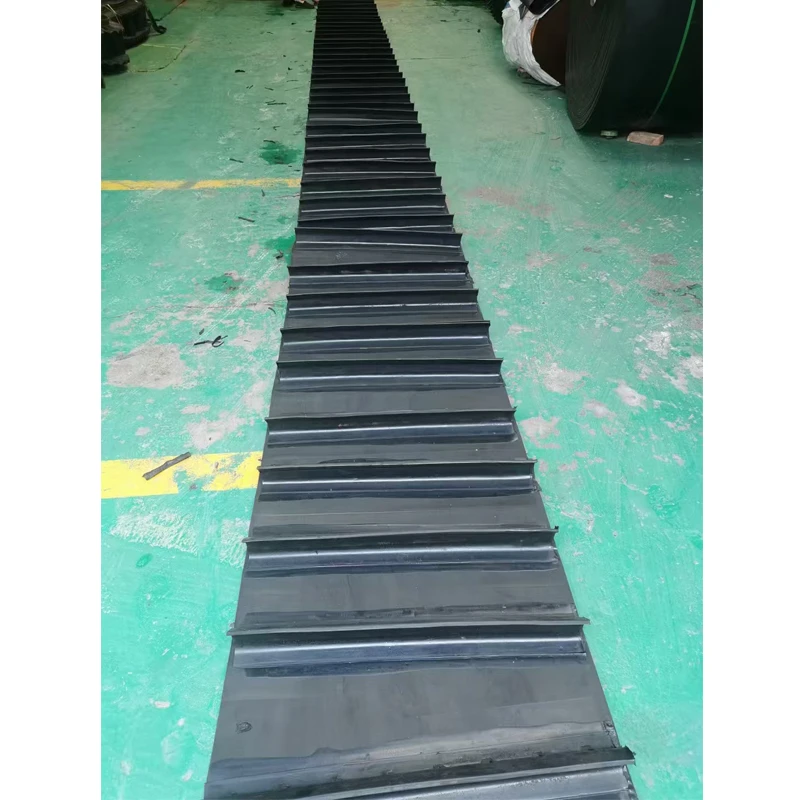
- Specialized Top Cover Profiles: For inclined conveyors or applications requiring improved material grip, various cover profiles can be incorporated (e.g., cleated, corrugated sidewalls, raised patterns). These profiles can also be made from the same chemically resistant compounds.
- Edge Reinforcement: For applications with frequent edge wear or chemical attack, specially reinforced edges can be designed using stronger compounds or additional protective layers to extend belt life.
- Integrated Sensor Technology: Customization can include embedding sensors for real-time monitoring of belt condition, temperature, or chemical exposure, facilitating predictive maintenance and enhancing safety.
- Food-Grade or Anti-Static Properties: For specific industries, customization can extend to food-grade materials (FDA/EU compliant) or anti-static properties for explosive environments, while retaining chemical resistance. This is where a specific color like a blue conveyor belt might be specified for hygiene or safety coding.
The ability to provide these customized solutions ensures that the Strong Acid And Alkali Resistant Conveyor Belt integrates seamlessly into existing systems, addresses unique operational challenges, and delivers optimal performance tailored to the client's exact needs.
Application Case Studies
Real-world examples demonstrate the tangible benefits of deploying Strong Acid And Alkali Resistant Conveyor Belts:
Case Study 1: Sulphuric Acid Production Facility
Challenge: A major petrochemical complex faced frequent belt failures (every 6-8 months) on their conveyor system transporting sulfur ore and highly acidic intermediates (up to 30% H2SO4) to a reaction chamber. Standard rubber belts rapidly degraded due to chemical attack, leading to unscheduled downtime and high replacement costs.
Solution: The facility implemented a custom-engineered conveyor belt conveyor belt with an EPDM cover compound specifically formulated for high resistance to concentrated sulphuric acid, featuring a robust EP400, 4-ply carcass. The belt also incorporated reinforced edges to combat lateral chemical exposure.
Outcome: After three years of continuous operation, the specialized belt showed minimal signs of chemical degradation. Belt replacement frequency was reduced by over 80%, leading to a 25% reduction in overall maintenance expenditure for that specific line and a significant increase in production uptime. Operator feedback highlighted improved safety due to the elimination of chemical residue build-up and leaks.
Case Study 2: Municipal Wastewater Treatment Plant
Challenge: A large municipal wastewater treatment plant utilized conveyors to move dewatered sludge, which contained a corrosive mix of various chemicals (ranging from pH 3 to pH 12) from flocculants, disinfectants, and industrial discharges. Their existing belts lasted less than a year, suffering from rapid deterioration and hardening.
Solution: A bespoke Strong Acid And Alkali Resistant Conveyor Belt with a multi-purpose Butyl rubber blend cover, designed to resist a wide pH range and oxidizing agents, was installed. The belt was designed as a 3 ply conveyor belt configuration to optimize flexibility over the plant's numerous transfer points and rollers, and its distinct blue conveyor belt coloring also aided in visual identification for maintenance scheduling.
Outcome: The plant reported a doubling of belt service life (from under 1 year to over 2.5 years and still operational). This reduced labor hours for replacement and disposal, and minimized environmental risks associated with potential belt failures. The overall return on investment was estimated at 150% within the first two years of operation, primarily from reduced operational costs.
Trustworthiness: FAQ, Lead Time, Warranty, and Support
Establishing trustworthiness is paramount for B2B relationships. Here’s a focus on common concerns for the Strong Acid And Alkali Resistant Conveyor Belt:
Frequently Asked Questions (FAQ)
- Q: How do I know which chemical resistance level I need?
A: Provide us with the Material Safety Data Sheet (MSDS) of the chemicals being conveyed, including concentration, temperature, and specific exposure conditions. Our technical team will recommend the optimal cover compound. - Q: Can these belts handle both acid and alkali simultaneously?
A: Yes, many of our specialized cover compounds are formulated for broad-spectrum chemical resistance, effectively handling materials across a wide pH range. Specific testing data for various pH levels is available upon request. - Q: What is the maximum operating temperature for these belts?
A: Standard acid and alkali resistant belts typically operate up to +80°C. However, custom formulations can withstand temperatures up to +120°C for intermittent periods, or for specialized chemical applications. - Q: How does the conveyor belt conveyor belt compare in cost to standard belts?
A: While the initial investment for specialized belts is higher than standard belts, their significantly extended service life and reduced maintenance requirements in corrosive environments lead to a lower total cost of ownership (TCO) and better return on investment over time.
Lead Time and Fulfillment
Standard configurations of Strong Acid And Alkali Resistant Conveyor Belts typically have a lead time of 3-5 weeks from order confirmation to dispatch. Custom-engineered solutions, depending on the complexity of material formulation and manufacturing, may require 6-8 weeks. We maintain robust production capabilities and a streamlined logistics network to ensure timely delivery globally. Expedited production options are available for urgent requirements, subject to capacity.
Warranty Commitments
All our Strong Acid And Alkali Resistant Conveyor Belts come with a comprehensive warranty against manufacturing defects in materials and workmanship. The standard warranty period is 2 years from the date of shipment, subject to proper installation, maintenance, and operating conditions as outlined in our product manuals. Extended warranty options are available for specific projects, providing added peace of mind for critical applications.
Customer Support and After-Sales Service
Our commitment to our clients extends far beyond product delivery. We provide dedicated customer support, including:
- Technical Consultation: Expert advice on belt selection, system design, and material compatibility.
- Installation Guidance: Detailed instructions and, where necessary, on-site supervision or training for proper belt installation and splicing.
- Maintenance Support: Recommendations for optimal maintenance schedules and best practices to maximize belt lifespan.
- Troubleshooting: Responsive assistance to diagnose and resolve operational issues, minimizing downtime.
- Parts & Accessories: Availability of complementary components and spares to ensure continuous operation.
Our goal is to ensure your conveying system operates efficiently and reliably throughout its entire service life.
Conclusion
The Strong Acid And Alkali Resistant Conveyor Belt represents a critical advancement in material handling technology for demanding industrial applications. Its specialized construction and advanced polymer compounds offer unparalleled resistance to corrosive chemicals, ensuring operational continuity, enhanced safety, and significant long-term cost savings. By adhering to stringent manufacturing processes, meeting international testing standards, and offering comprehensive customization and support, these belts deliver robust performance where standard solutions fail. Investing in such a specialized conveyor belt conveyor belt is not just a purchase; it is a strategic decision that fortifies critical industrial operations against the most aggressive chemical environments, ultimately contributing to greater efficiency, safety, and profitability.
References
- ISO 15236-1:2016. Conveyor belts with a textile carcass — Dimensions, chemical, electrical and fire resistance — Part 1: General requirements. International Organization for Standardization.
- ASTM D378-19. Standard Test Methods for Rubber Conveyor Belts. ASTM International.
- DIN 22102:2011-09. Conveyor belts with textile plies - Conveyor belts for general applications. Deutsches Institut für Normung e.V.
- Mordor Intelligence. "Conveyor Belt Market – Growth, Trends, COVID-19 Impact, and Forecasts (2023 - 2028)."
- ScienceDirect. "Rubber compounds for conveyor belts: A review on recent advancements." Journal of Applied Polymer Science.