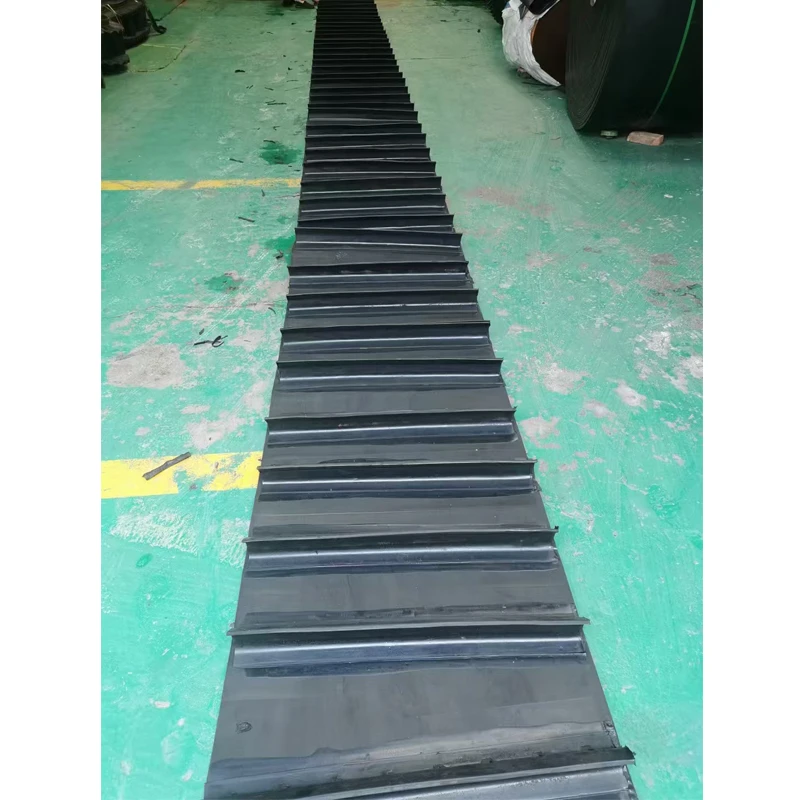
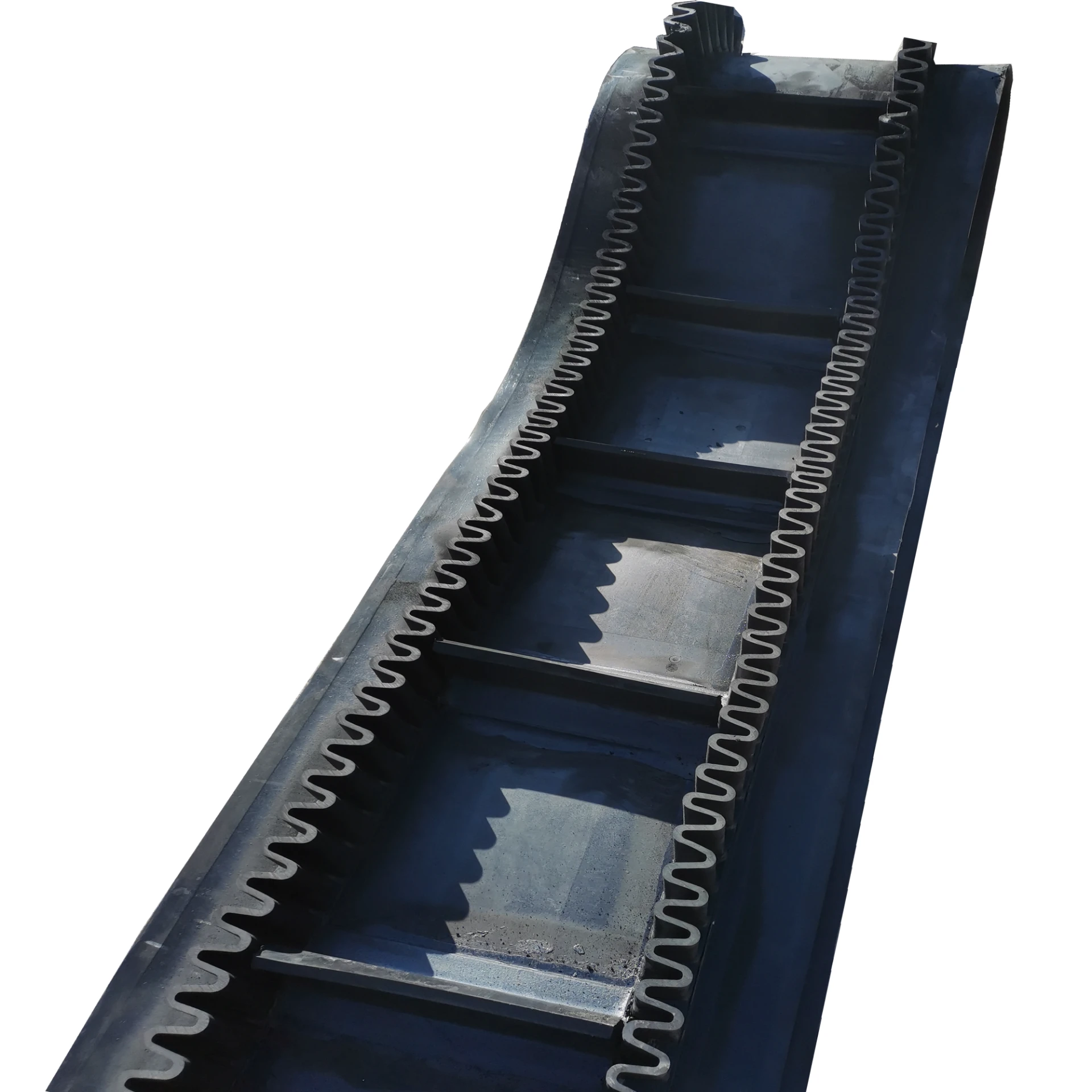
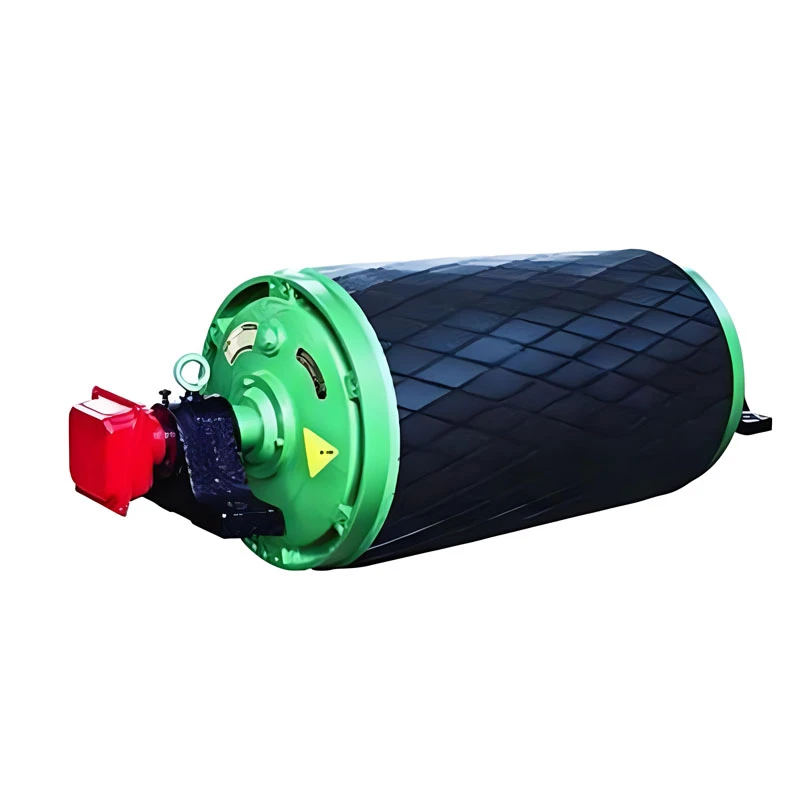
Expandable Conveyor Systems is a key solution in the industry, specifically within manufacturing, shipping, and logistics. This article explores how https://www.hgconveyorbelt.com supports professionals with durable, high-performance products, and explains why this product is an ideal choice for businesses in these sectors.
Table of Contents
- Expandable Conveyor Systems Overview
- Benefits & Use Cases of Expandable Conveyor Systems
- Cost, Maintenance & User Experience
- Sustainability & Market Trends
Expandable Conveyor Systems Overview
At its core, an expandable conveyor system is exactly what it sounds like — a conveyor belt that can stretch or contract to fit different lengths depending on the workspace or task at hand. Frankly, it’s a practical innovation that solves a lot of logistical headaches, especially in warehouses or shipping docks where space and workflow change constantly.
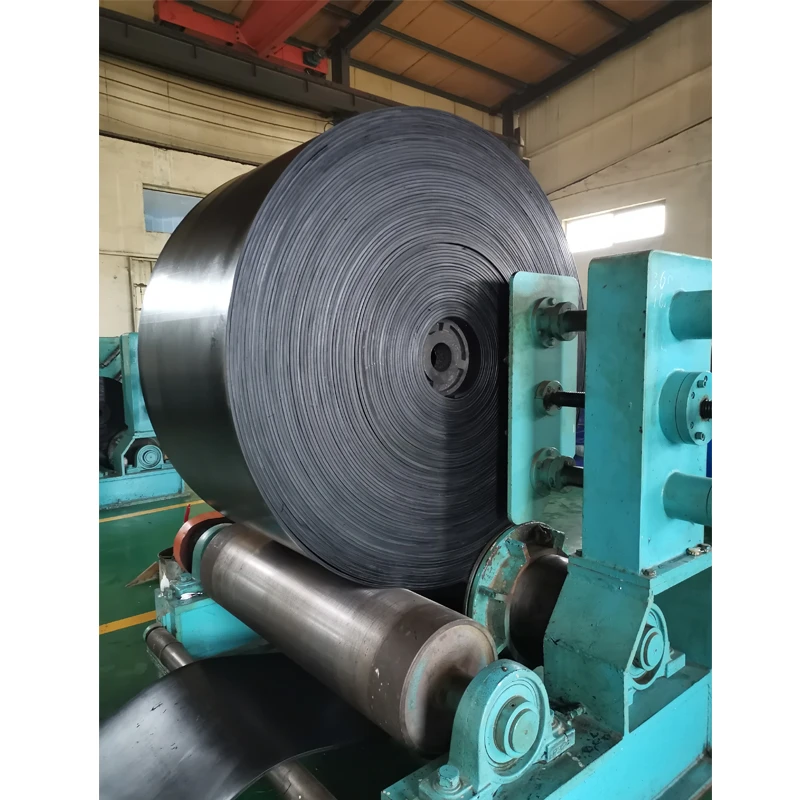
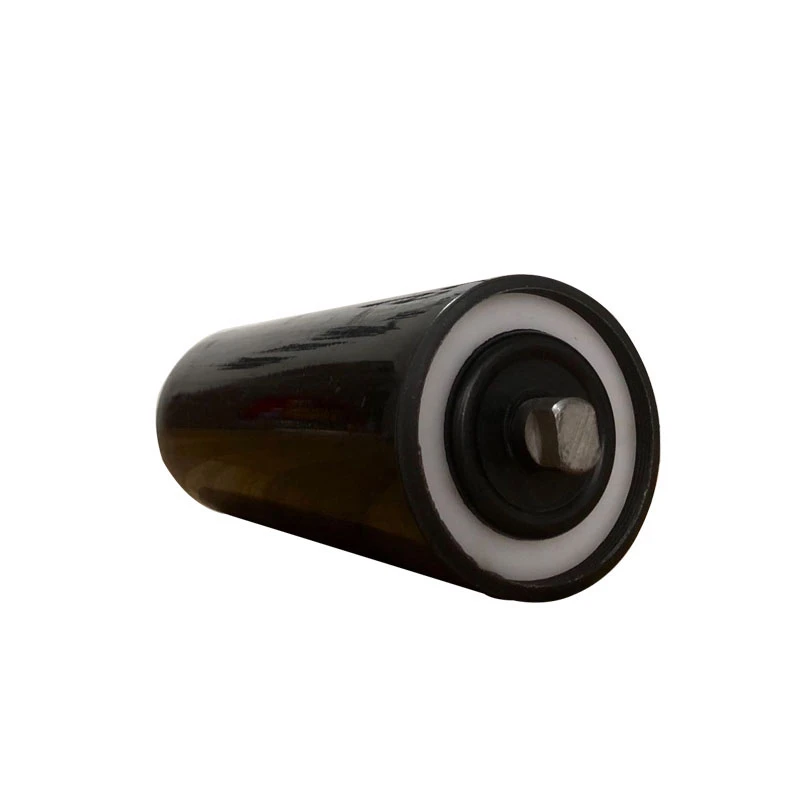
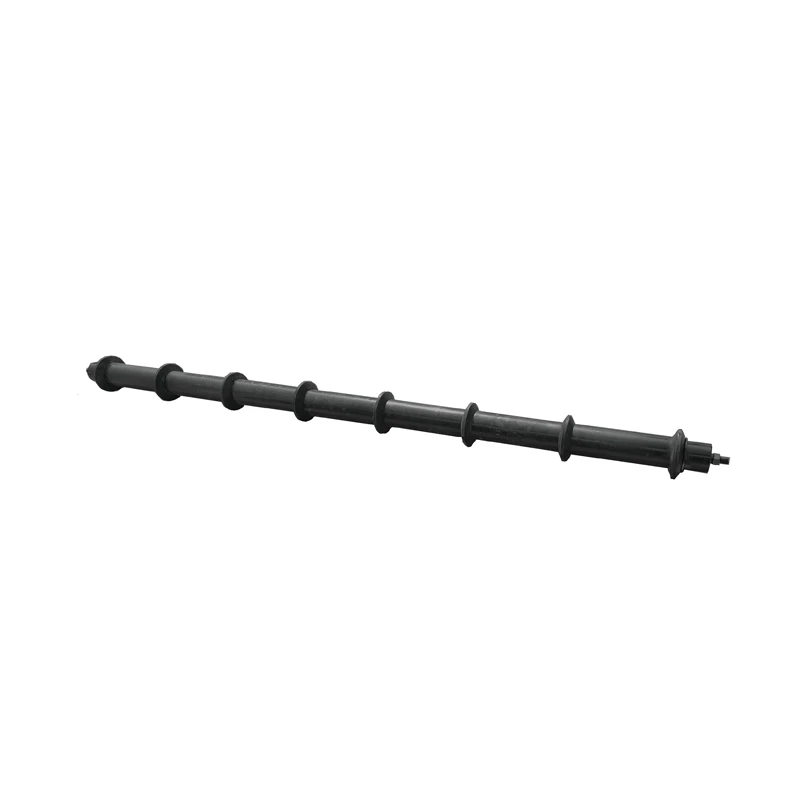
HG Conveyor Belt’s expandable models are renowned for their robust construction, typically featuring corrosion-resistant steel frames paired with durable rollers. These systems can be adjusted manually or powered hydraulically, accommodating lengths from about 3 feet up to over 30 feet. You know, I’ve noticed more facilities are shifting toward motorized drives for better control and smoother handling of packages.
- Expandable conveyors reduce the footprint when not in full use, saving valuable floor space.
- Key specs include load capacity of up to 110 lbs/ft and belt widths ranging from 20 to 36 inches.
- A local warehouse recently reported a 15% increase in operational speed after integrating these systems into their sorting lines.
Benefits & Use Cases of Expandable Conveyor Systems
The real charm of expandable conveyor systems lies in flexibility. In industries like e-commerce, distribution centers, and postal services, workflows can be unpredictable—and that’s where these conveyors shine. They slide out to extend the picking or packing line when there’s a surge in orders, then compress back to clear space during quieter times.
Compared to traditional fixed-length conveyors, HG’s expandable systems offer smoother transitions between different conveyor sections, minimizing product jams and reducing manual handling. Oddly enough, many engineers say the modular design saves not only space but also time spent on belt replacement and routine maintenance—because parts are easier to access and swap out.
- Adjustable length speeds up loading/unloading across multiple docks.
- Features like non-slip rollers and side guards enhance safety and product integrity.
- Its competitiveness comes from the balance of cost and adaptability – no need to invest in multiple fixed conveyors.
Cost, Maintenance & User Experience
For decision makers, understanding the total cost of ownership is crucial. Expandable conveyor systems from HG Conveyor Belt might come with a higher upfront price tag than basic fixed conveyors, but the ROI tells a different story. These systems often reduce labor costs by cutting down manual movement of goods and are known for long-lasting components, meaning fewer costly repairs.
Customers frequently mention the ease of maintenance. The design prioritizes easy access to rollers and belts with quick-release mechanisms. It feels like a thoughtful approach, not just engineering for the sake of it. Also, the ability to fold and reduce conveyor length reduces warehouse clutter, enhancing the overall workflow environment.
| Specification | HG Conveyor Belt Expandable System | Typical Competitor Model |
|---|---|---|
| Load Capacity | 110 lbs/ft | 100 lbs/ft |
| Max Length | 30+ ft | 25 ft |
| Belt Width | 20-36 in. | 24 in. |
| Maintenance Access | Quick-release parts | Standard bolts |
| Drive Type | Manual & Hydraulic options | Manual only |
Sustainability & Market Trends
Sustainability is no longer a buzzword but a core business principle—improving that conveyor line isn’t just about speed or throughput, but minimizing environmental impact too. HG Conveyor Belt has taken steps to use recycled steel components wherever possible and designs conveyor belts for easy recycling at end-of-life. Oddly enough, this rarely sacrifices durability, which is often the biggest contributor to electronic waste.
On market trends, you’ll notice a steady rise in interest for intelligent conveyor systems with IoT sensors for predictive maintenance, but expandable conveyors remain a staple because of their straightforward, mechanical reliability. In fact, industry reports project a 7% CAGR for these systems in the next five years, driven by e-commerce growth and automation adoption. Regulations on workplace safety also nudge companies toward conveyors with better safety features like HG’s integrated side guards and emergency stops.
Frequently Asked Questions about Expandable Conveyor Systems
- What is Expandable Conveyor Systems and how does it work?
- Expandable conveyor systems are conveyors designed to stretch or compress in length to adapt to varying workspace needs. They work through interconnected, telescoping rollers that extend or retract smoothly, either manually or with hydraulic assistance, allowing flexible material handling.
- What are the main benefits of using Expandable Conveyor Systems in industrial applications?
- Key benefits include space-saving flexibility, faster loading/unloading processes, reduced manual labor, and enhanced safety. Their adjustable length allows adapting quickly to changing operational demands without investing in multiple fixed conveyors.
- How does Expandable Conveyor Systems compare to traditional alternatives?
- Unlike fixed conveyors, expandable systems offer adaptable length and ease of transport. They reduce downtime for reconfiguration and generally provide better maintenance access. While a bit pricier initially, they deliver greater long-term value.
- What industries can benefit most from Expandable Conveyor Systems implementation?
- Sectors like e-commerce fulfillment, postal and parcel delivery, automotive manufacturing, and food packaging extensively use expandable conveyors to streamline material flow and optimize floor space.
Conclusion on Expandable Conveyor Systems from china
To wrap things up, expandable conveyor systems provide a blend of adaptability, efficiency, and durability that few other material handling options can match. If you’re seeking to optimize warehouse workflows or reduce downtime in your shipping operations, these systems from https://www.hgconveyorbelt.com are definitely worth considering. Their balance of cost, innovation, and user-friendly maintenance sets them apart in the market.
- Recap the value of Expandable Conveyor Systems.
- - Visit our website: https://www.hgconveyorbelt.com
| Vendor | Product Range | Customization | Lead Time | Warranty |
|---|---|---|---|---|
| HG Conveyor Belt | Fixed, Expandable, Powered | High (sizes, drives, accessories) | 4-6 weeks | 2 years |
| Competitor A | Fixed & Modular Only | Medium | 6-8 weeks | 1 year |
| Competitor B | Expandable, Powered | Low | 5-7 weeks | 18 months |
Reflecting on the evolution of conveyor technology, it's clear that flexibility and durability remain at the heart of efficient material handling. Expandable conveyor systems aren't just a passing trend—they're a practical response to real-world operational challenges. For decision-makers who juggle costs and functionality, it feels like a smart investment.
- Industry Study: Material Handling Trends, Logistics Today, 2023.
- Customer Report: Efficiency Gains Post Conveyor Upgrade, HG Conveyor Belt, 2024.
- Market Analysis: Global Conveyor Systems Growth, Supply Chain Insights, 2023.