What Are Ball Bearing Nylon Rollers and Why Do They Matter?
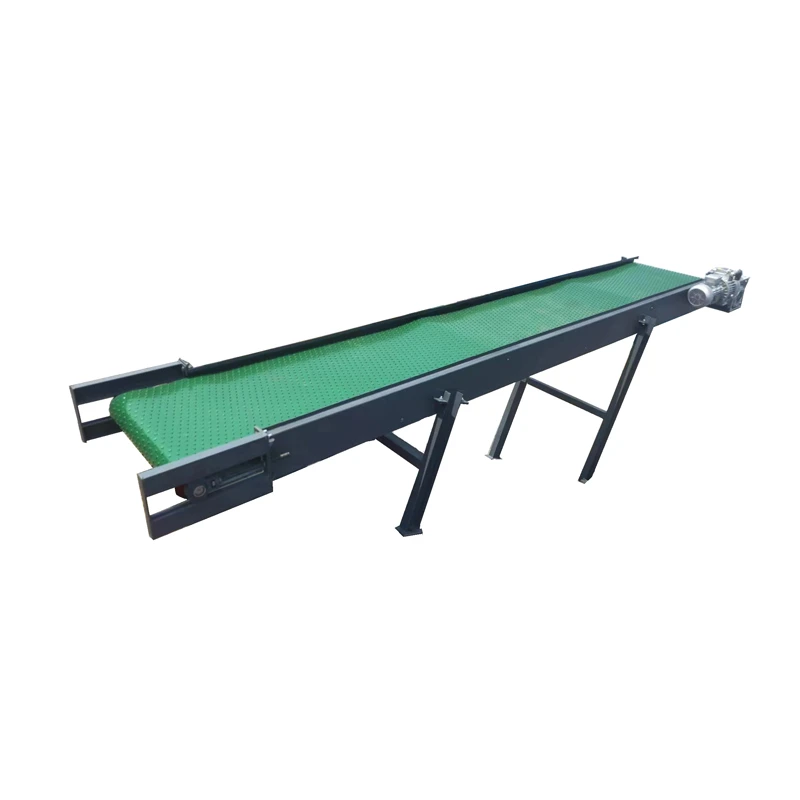
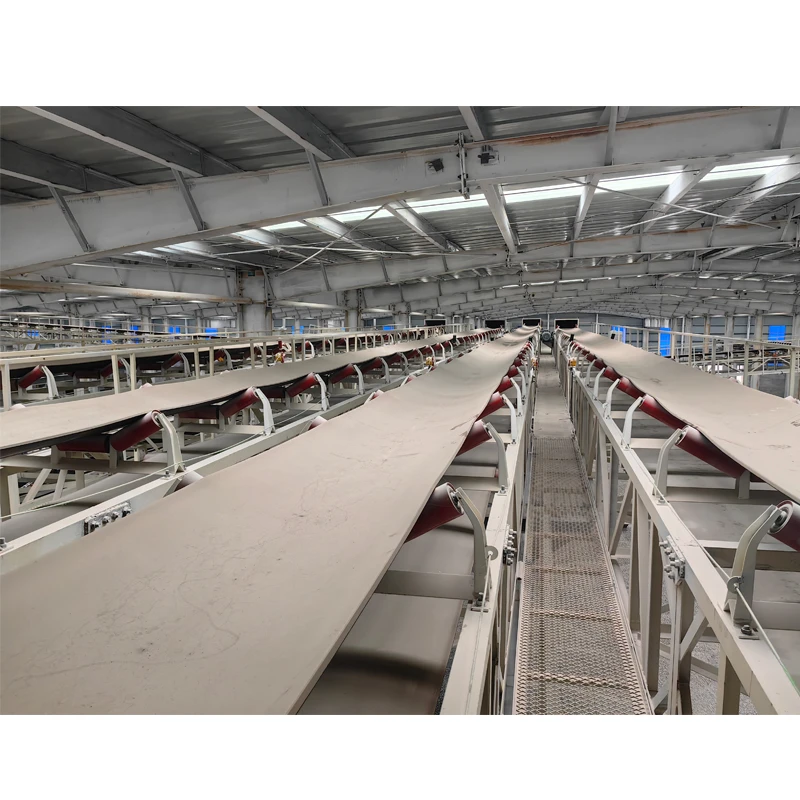
When you think of conveyor systems or industrial machinery, the small but mighty components like ball bearing nylon rollers often fly under the radar. Yet, these rollers play a crucial role in ensuring smooth, efficient, and low-maintenance operations across diverse industries worldwide. Understanding these rollers means we’re better equipped to design, maintain, or innovate conveyor systems that support global trade, manufacturing, and even humanitarian relief efforts.
Why is this so important globally? Well, the industrial conveyor market is projected to grow by 5-7% annually (source: ISO reports), and reliable components like ball bearing nylon rollers translate directly into less downtime, better productivity, and often a smaller environmental footprint. So, grasping their application and advantages is more than just technical know-how — it becomes a step toward sustainable industrial progress.
The Global Context: Conveyor Systems and Their Silent Workhorses
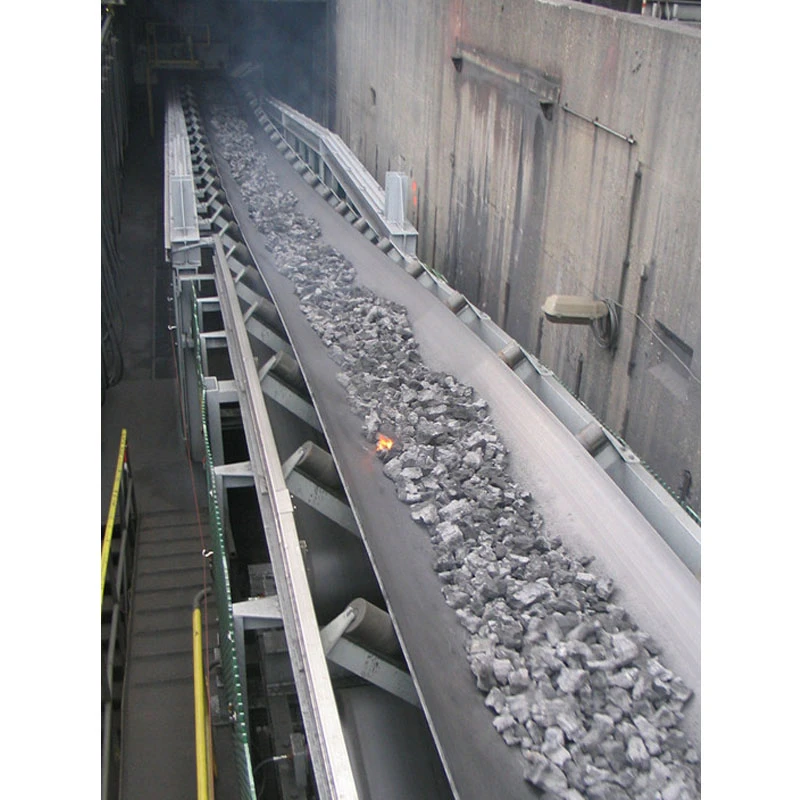
Across the world – from sprawling factories in Asia to mining operations in Latin America, and even food packaging lines in Europe – conveyor technology drives efficiency. According to the United Nations Sustainable Development Goals, improving industrial infrastructure ties directly to economic growth and innovation. However, the challenge often lies in ensuring components withstand harsh conditions and maintain reliability over long cycles.
Ball bearing nylon rollers help address these issues by offering reduced friction, noise reduction, and resistance to harsh environments. Oddly enough, even sectors like humanitarian aid use conveyor and roller systems to streamline material handling – think emergency supply chains needing quick assembly. So, the component that seems mundane ends up vital.
What Exactly Are Ball Bearing Nylon Rollers?
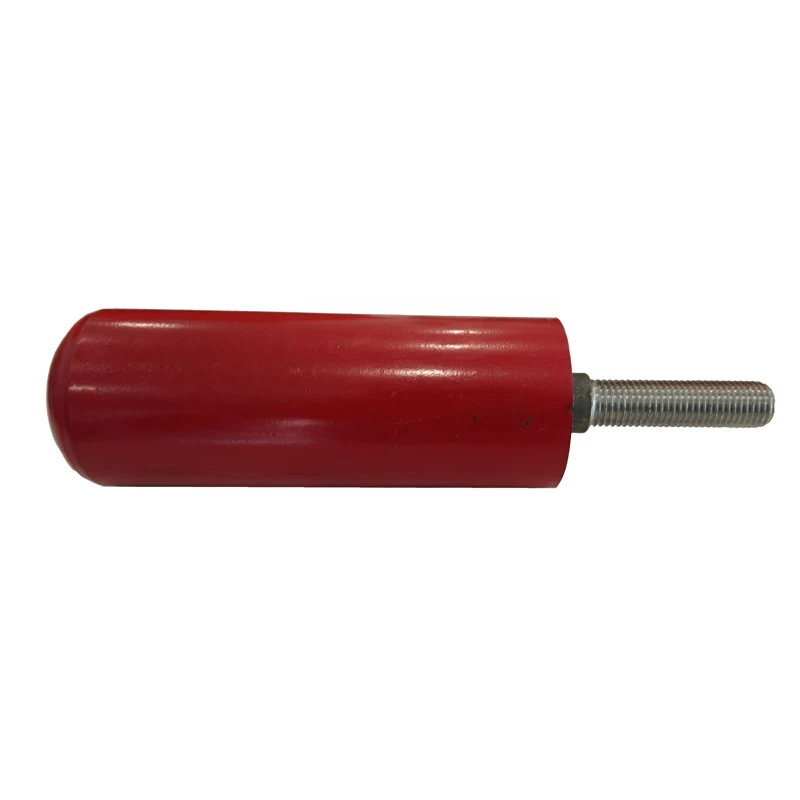
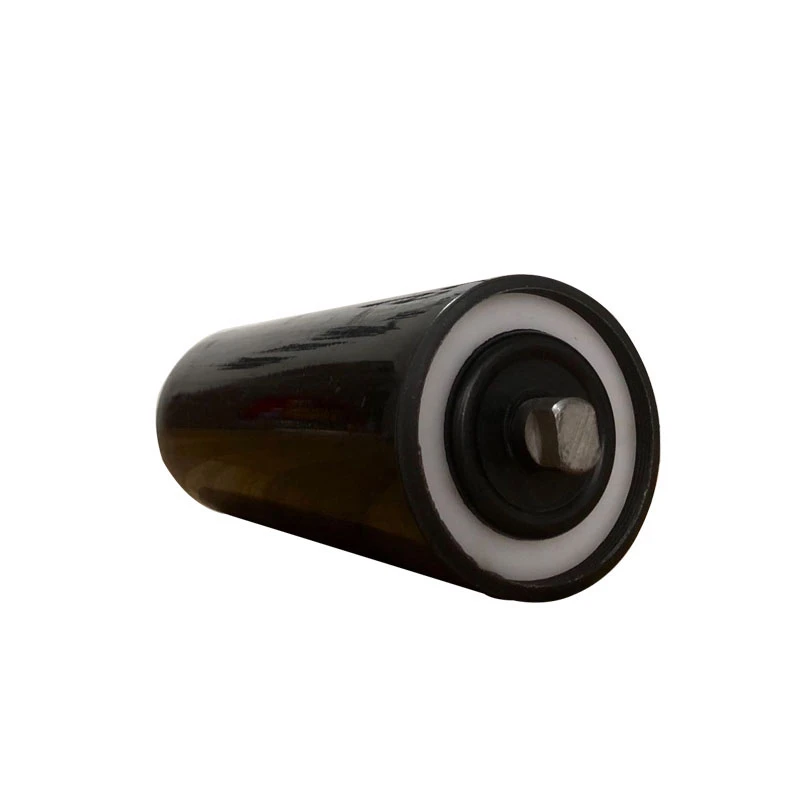
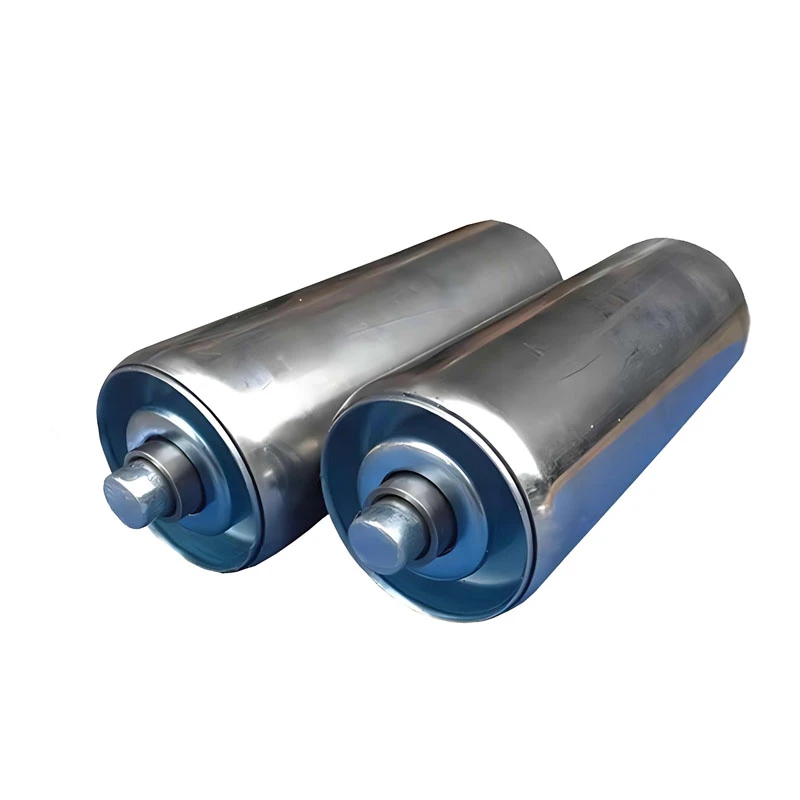
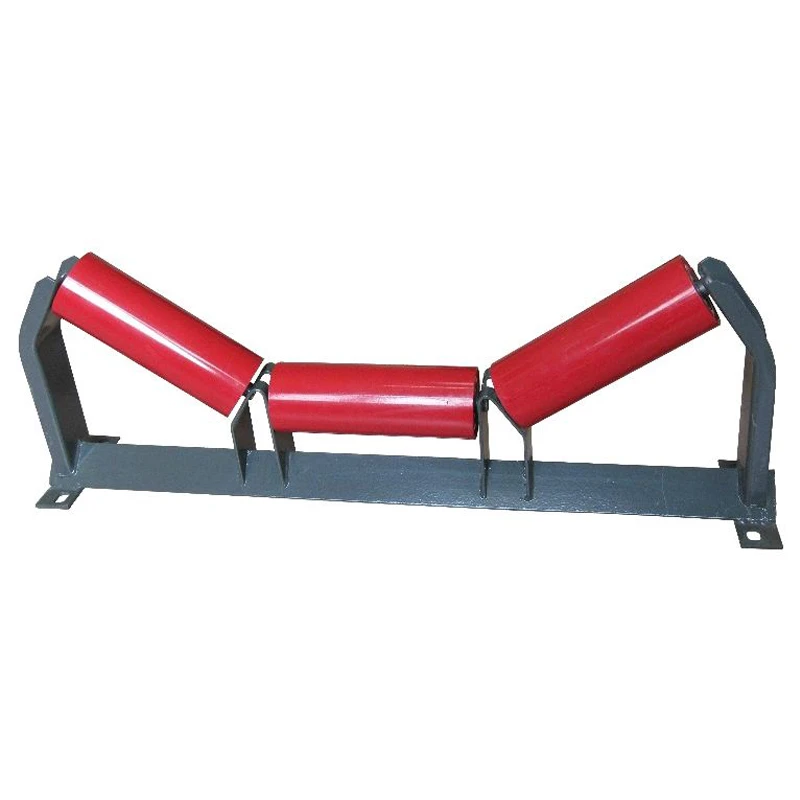
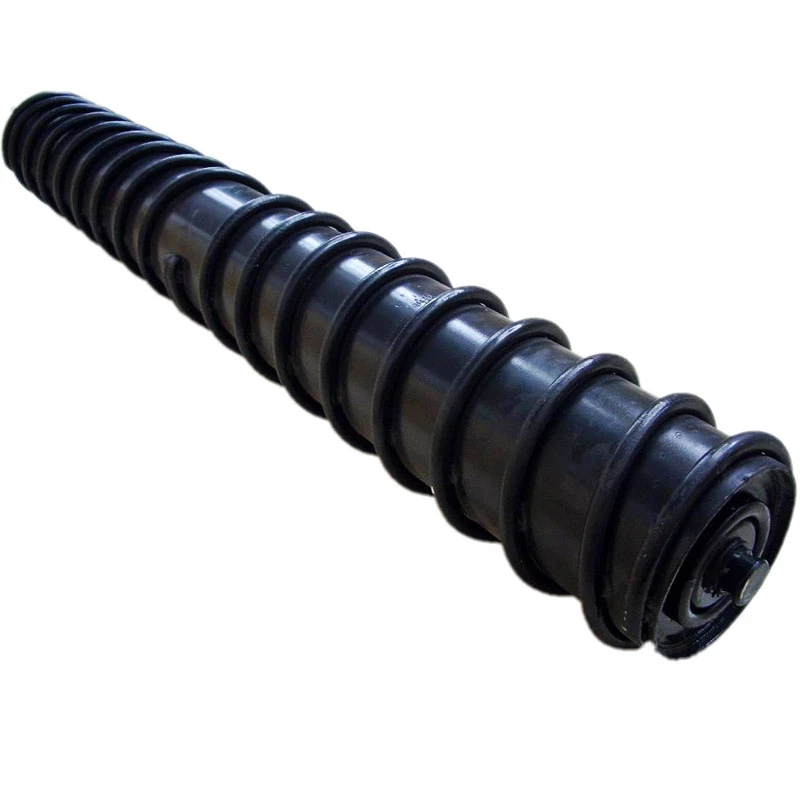
In simplest terms, ball bearing nylon rollers are cylindrical wheels made primarily of nylon material, incorporating ball bearings to reduce friction. Imagine a roller that's both lightweight and incredibly durable, spinning effortlessly thanks to precision ball bearings housed inside. This design reduces wear on conveyor belts and machinery, providing quiet operation.
In modern industries, these rollers have become popular because nylon offers excellent resistance to chemicals and moisture compared to metal rollers which can corrode or get heavy. Ball bearings allow the roller to spin freely under heavy loads, which keeps things moving smoothly—in real terms, less energy and maintenance are needed.
Core Components and Why They Matter
Durability
The nylon used in these rollers is typically a high-grade, impact-resistant polymer. It can withstand repetitive mechanical stresses and resist abrasion from metals, dust, or debris — no small feat in industrial environments. Many engineers say this durability translates into longer equipment lifespans and reduced replacement costs.
Friction Reduction
Ball bearings inside allow the roller to turn with minimal resistance. This means motors require less power to move conveyor belts, and heat generation is kept in check. Less heat means less warping or damage to associated parts.
Corrosion Resistance
Unlike steel rollers that may rust under certain conditions, nylon offers natural corrosion resistance. This is especially valuable in food processing, outdoor industries, or environments where moisture and chemicals are present.
Load Capacity
Despite being lightweight, nylon rollers paired with quality ball bearings manage significant loads—sometimes in the hundreds of kilograms depending on size and design. This scalability makes them suitable for everything from small package lines to heavy mining conveyors.
Noise Reduction
One often overlooked factor is noise. Operations running 24/7 appreciate that nylon rollers significantly dampen sound compared to metal, improving worker comfort and safety.
Product Specification: Typical Ball Bearing Nylon Rollers
| Specification | Details |
|---|---|
| Material | High-Density Nylon (PA6 or PA66) |
| Bearing Type | Sealed Chrome Steel Ball Bearings |
| Diameter Range | 20 mm to 150 mm |
| Load Capacity | Up to 500 kg per roller |
| Operating Temperature | -40°C to +100°C |
| Typical Lifespan | 3-5 years, depending on conditions |
How Ball Bearing Nylon Rollers Impact Global Industries
These rollers pop up in many sectors—manufacturing plants in Germany rely on silent conveyors for high-tech assembly, while agriculture exporters in Brazil use them for sorting produce rapidly. Even in remote mining operations across Africa, nylon rollers offer resilience against dusty, corrosive environments.
Moreover, humanitarian organizations leverage conveyor systems equipped with these rollers for fast, reliable distribution of supplies. For example, when disaster relief operations require rapid sorting of food and medical goods shipped in bulk, the quiet efficiency of ball bearing nylon rollers smooths the process.
In short, wherever material handling meets the demand for endurance and efficiency, these rollers show up—and often quietly save the day.
Advantages and Why They’re Worth Investing In
- Cost Efficiency: Nylon rollers last longer and reduce wear, cutting maintenance costs.
- Sustainability: Lighter weight means less energy consumption and reduced carbon footprint.
- Operational Reliability: Less downtime due to smoother-functioning conveyors.
- Worker Comfort: Noise reduction improves workplace conditions.
- Versatility: Good performance in varied climates and industrial settings.
When you consider both the logical and emotional aspects—trust in your machinery, pride in a sustainable operation, and safety for workers—ball bearing nylon rollers feel like a small upgrade with big impacts.
Emerging Trends and Innovations to Watch
Interestingly, these rollers are evolving alongside the digital revolution. Some manufacturers are integrating smart sensors inside rollers to monitor wear and temperature — enabling predictive maintenance. On the materials front, bio-based nylon alternatives and enhanced coatings improve environmental friendliness and durability.
Conveyor automation and Industry 4.0 principles are also pushing applications towards more precise, lower-friction components. This fits right into sustainability agendas and greener energy applications, because efficient conveyors mean less power consumption and carbon. I’ve heard engineers say these innovations are turning what used to be a “simple” roller into a smart asset.
Facing Challenges: What Holds Back Ball Bearing Nylon Rollers?
Of course, it’s not all perfect. Certain conditions like extremely high temperatures (above 100°C) can degrade nylon. Heavy, abrasive loads may still wear rollers faster than expected. Additionally, the initial investment for high-grade rollers can be higher than low-cost alternatives.
Yet, forward-thinking companies counter these by selecting custom blends, blending nylon with fillers like glass fiber, or combining nylon rollers with metal versions where needed. Plus, advances in sealing ball bearings help keep contaminants out, extending life substantially.
Vendor Comparison: Leading Ball Bearing Nylon Roller Suppliers
| Vendor | Material Quality | Load Capacity | Price Range | Customization Options |
|---|---|---|---|---|
| RollerPro Inc. | Ultra High-Density Nylon | Up to 600kg | $$$ | Diameter, length, bearing type |
| ConveyMax Ltd. | Standard PA66 Nylon | Up to 450kg | $$ | Color, bearing sealing |
| NylonRollersCo. | Glass-Fiber Reinforced Nylon | Up to 500kg | $$$ | Custom sizes, load variations |
Frequently Asked Questions About Ball Bearing Nylon Rollers
1. What makes ball bearing nylon rollers better than metal rollers?
Ball bearing nylon rollers offer corrosion resistance, noise reduction, and lighter weight compared to metal rollers. They reduce energy consumption and maintenance costs due to lower friction and material wear, especially in environments with moisture or abrasive debris.
2. How long can ball bearing nylon rollers last in demanding industrial settings?
Typically, these rollers last between 3 to 5 years depending on operating temperatures, load, and environment. Proper sealing of bearings and choosing reinforced nylon variants can extend lifespan significantly.
3. Can ball bearing nylon rollers be used in food processing?
Absolutely. Nylon’s chemical resistance and non-metallic surface minimize contamination risks. Combined with sealed bearings, they meet hygiene standards in many food packaging and handling applications.
4. Are there environmentally-friendly options available?
Yes, manufacturers have started offering bio-based nylon rollers and recyclable components. These aim to reduce dependence on fossil fuels and ease disposal challenges.
5. How can I choose the right ball bearing nylon roller for my application?
Consider load capacity, operating environment (temperature, moisture, chemicals), roller size, and whether noise reduction is critical. Consulting with suppliers and reviewing product specs helps ensure the best fit.
Wrapping Up: Why Ball Bearing Nylon Rollers Deserve a Spot in Your System
In the grand scheme, ball bearing nylon rollers might not grab headlines, but within conveyor systems, they quietly make all the difference — enhancing durability, efficiency, and sustainability. Their widespread global use, from industrial assembly lines to humanitarian aid logistics, speaks volumes about their reliability.
If you’re thinking about upgrading your conveyor system or just curious to explore innovations, dive deeper and check out detailed options like those found at ball bearing nylon rollers. Having the right rollers under your belt means smoother operations ahead.