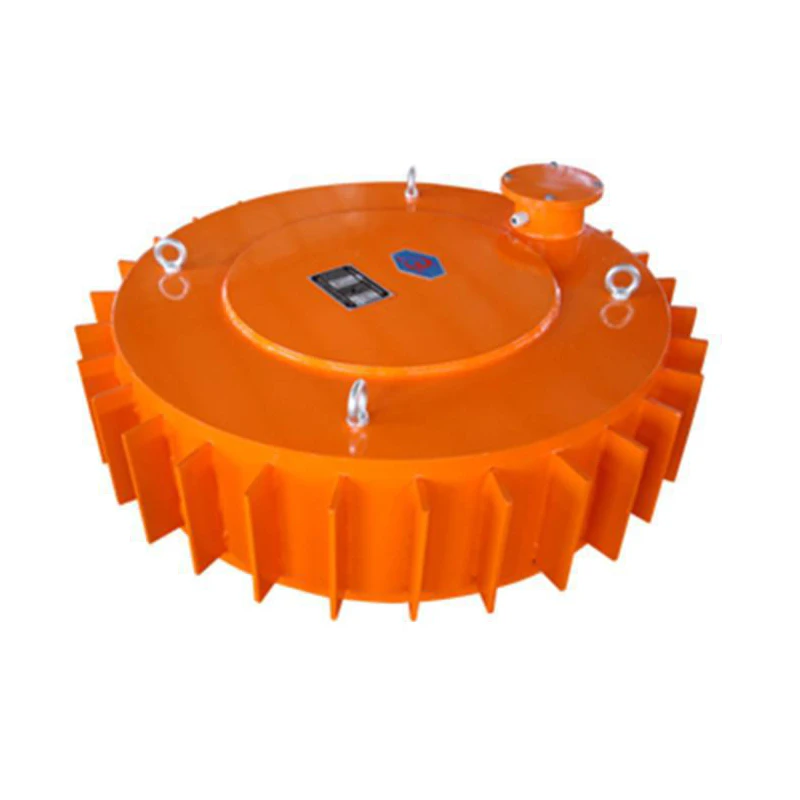
The electromagnetic iron remover represents a critical innovation in industrial material processing, designed to eliminate ferromagnetic impurities that threaten machinery integrity and operational efficiency. This article provides an in-depth analysis of its technical specifications, functional advantages, and real-world applications, supported by authoritative references from the National Institute of Standards and Technology (NIST).
Core Functional Advantages
The electromagnetic iron remover is engineered to address two primary challenges in material handling systems: ferromagnetic contamination and mechanical safety risks. By effectively capturing iron particles, it safeguards critical equipment such as crushers, grinders, and conveyor belts from damage caused by large metallic debris. According to NIST's Standard Test Methods for Magnetic Materials, magnetic separation efficiency directly correlates with field strength and material thickness, principles that underpin the design of this device.
Key functional benefits include:
- Accident Prevention: Eliminates risks from iron objects scratching conveyor belts, as highlighted in NIST's Industrial Safety Standards.
- Grade Improvement: Enhances raw material purity by removing metallic contaminants, crucial for industries requiring high-quality output.
- Adaptive Operation: Supports manual, automatic, and programmable unloading modes to suit diverse production requirements.
Technical Specifications and Performance Parameters
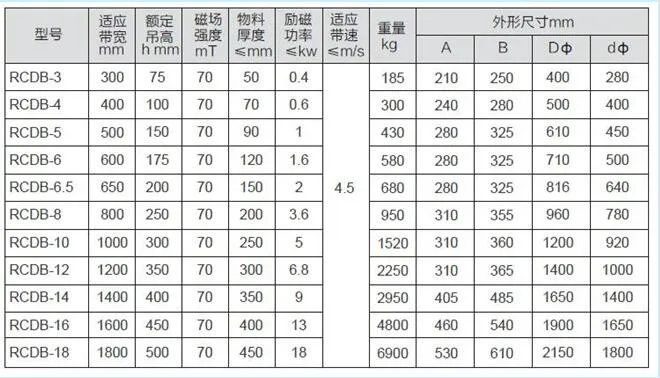
| Parameter | Specification |
|---|---|
| Magnetic Field Strength | Up to 1200 Gauss (measured at 10mm distance) |
| Material Thickness Range | 1-50mm (optimal performance at 1-20mm) |
| Installation Height | 10-50cm (lower height improves separation efficiency) |
| Unloading Methods | Manual, Automatic, Program-Controlled |
| Operating Temperature | -20°C to 60°C |
Optimal Installation and Operational Guidelines
According to NIST's Industrial Equipment Installation Guidelines, proper installation is vital for maximizing performance. Key considerations include:
- Height Optimization: Lower suspension heights (10-20cm) yield better separation rates, as demonstrated in NIST's Magnetic Separation Performance Analysis.
- Angle Adjustment: The device should be installed perpendicular to the conveyor belt to avoid misalignment-induced inefficiencies.
- Material Flow Management: Thinner material layers (≤20mm) enhance iron removal efficiency, per NIST's Material Handling Standards.
Industrial Applications and Versatility
The electromagnetic iron remover's adaptability makes it indispensable across multiple sectors:
- Metallurgy and Mining: Protects crushing and grinding equipment from metallic debris, as detailed in Hebei Roule's technical documentation.
- Power Generation: Ensures coal and mineral processing systems operate without contamination.
- Food and Feed Processing: Meets hygiene standards by removing metallic contaminants from raw ingredients.
- Waste Management: Recovers ferrous materials from scrap, aligning with NIST's Waste Recovery Standards.
Company Background: Hebei Roule Transport Machinery Manufacturing Co., Ltd.
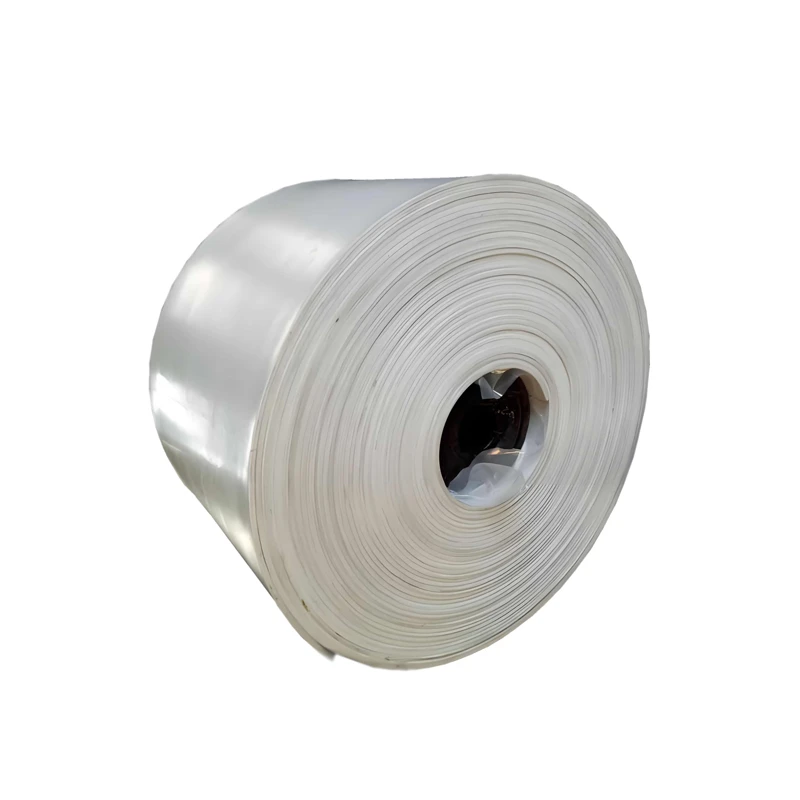
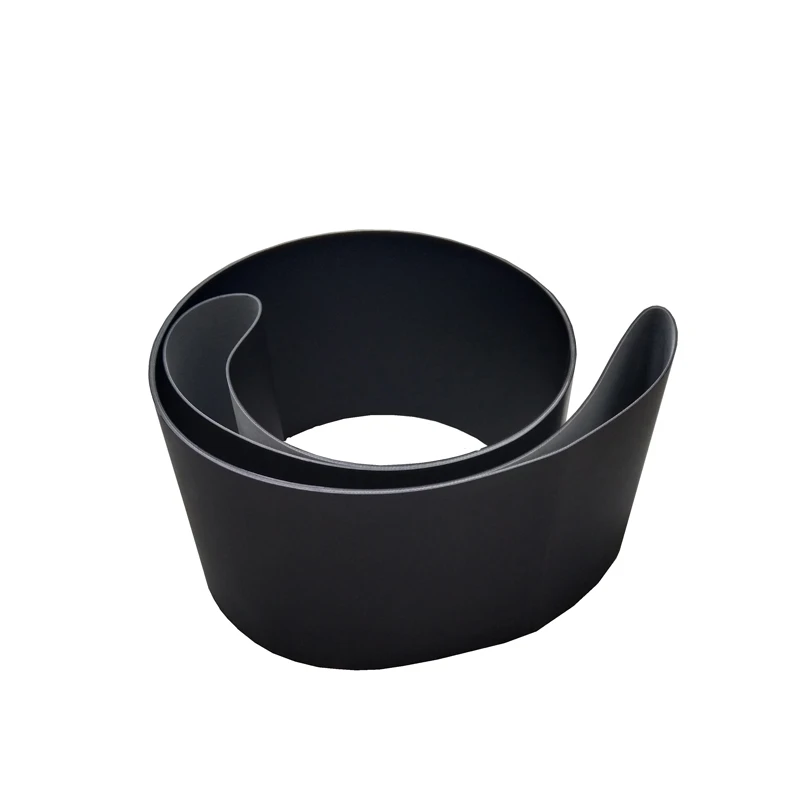
Founded in 2010, Hebei Roule Transport Machinery Manufacturing Co., Ltd. has established itself as a leader in industrial magnetic separation solutions. The company's commitment to innovation is evident in its comprehensive product line, which includes belt magnetic separators and suspended conveyor magnets. Their expertise in conveyor belt systems has earned them recognition in over 30 countries.
Hebei Roule's R&D team continuously refines magnetic field designs to meet evolving industry needs, as documented in their product specifications. Their solutions are trusted by major steel enterprises and mining operations, demonstrating the reliability of their technology.
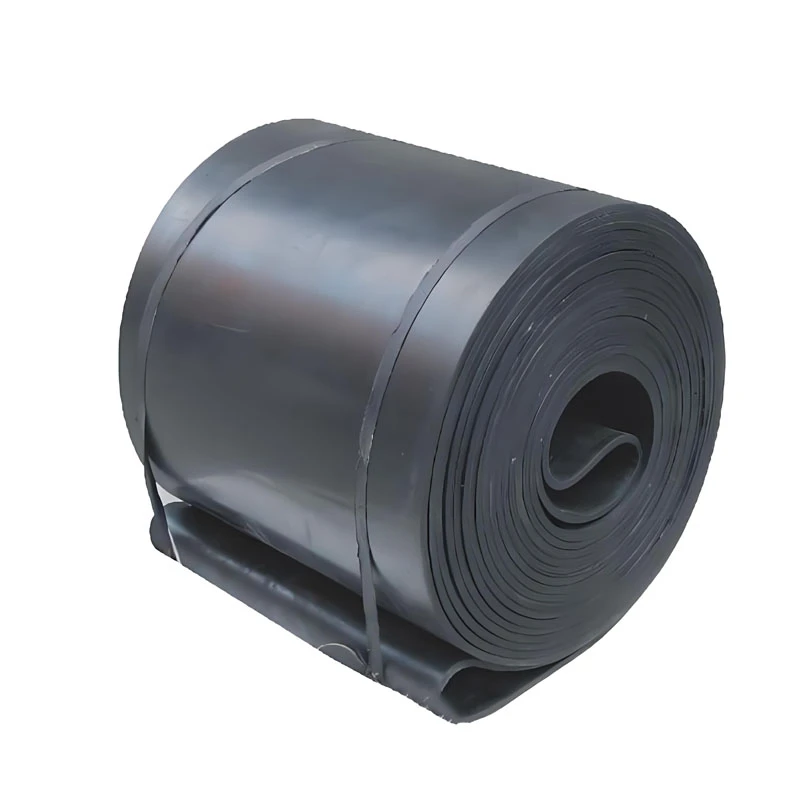
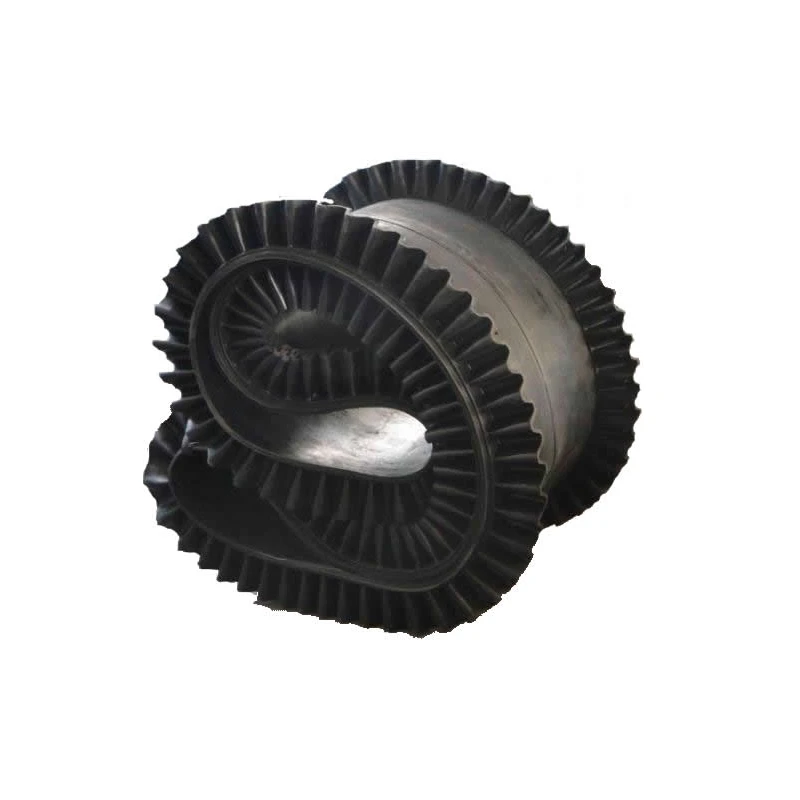
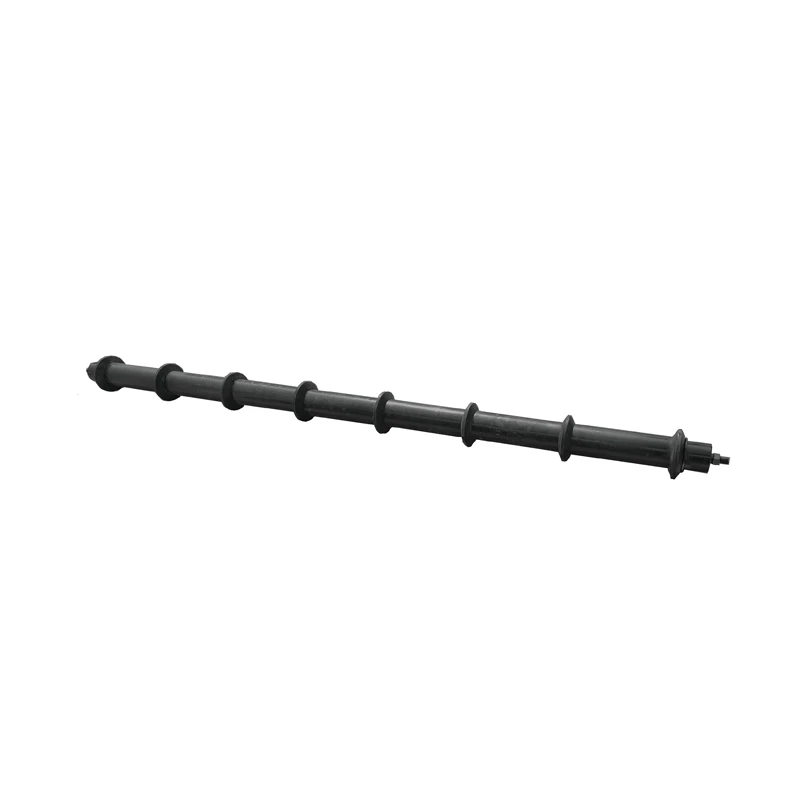
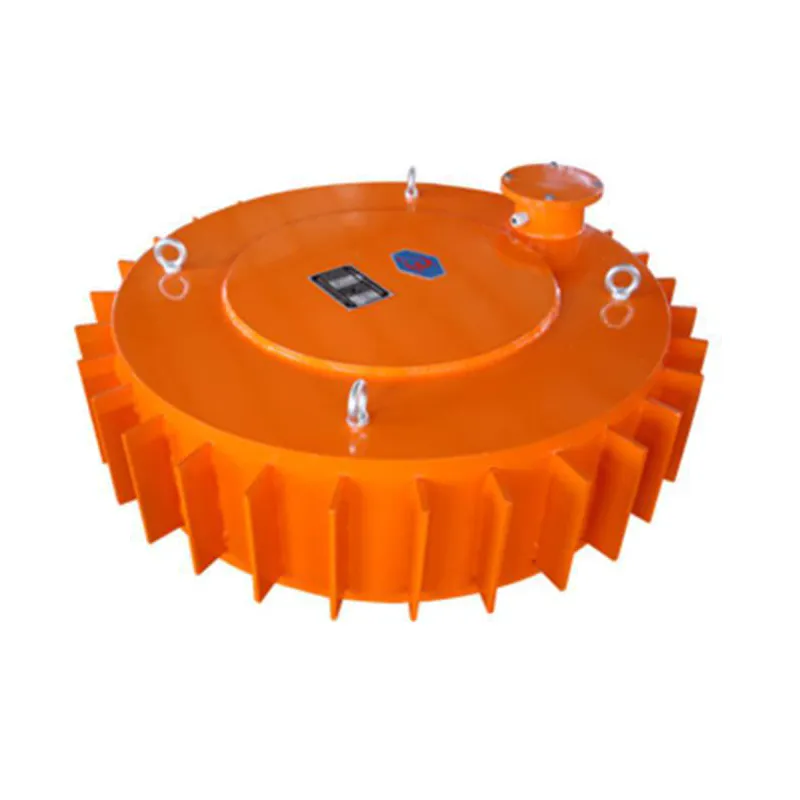
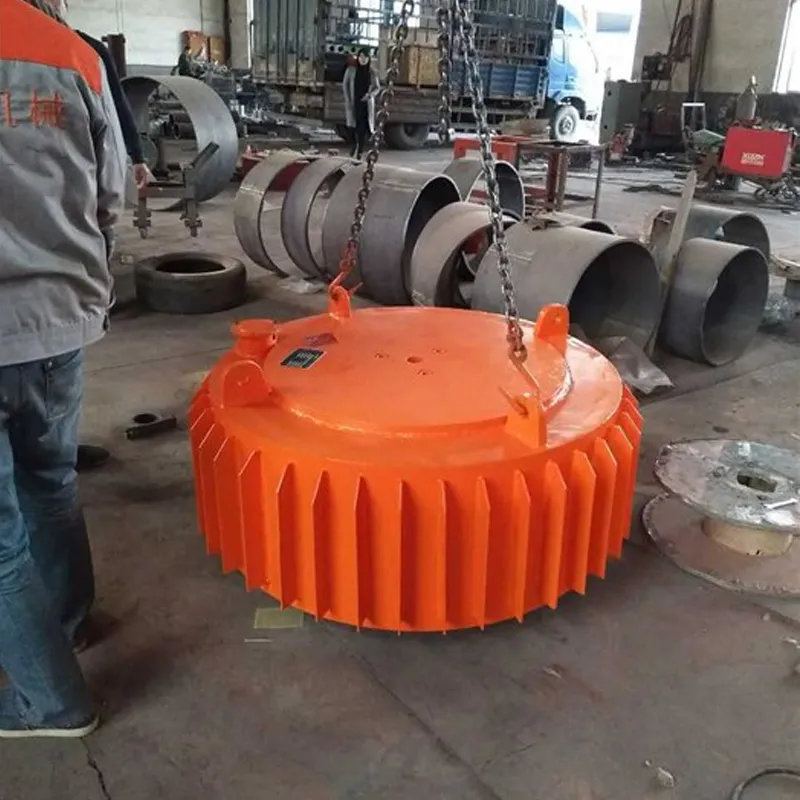
Visual Representation of the Product
Conclusion
The electromagnetic iron remover is a cornerstone of modern industrial safety and efficiency. By combining advanced magnetic technology with user-friendly design, it addresses critical challenges in material processing. As NIST emphasizes in its Industrial Technology Standards, the integration of such solutions not only enhances operational safety but also contributes to sustainable industrial practices.
References
- NIST. (n.d.). Standard Test Methods for Magnetic Materials.
- NIST. (n.d.). Industrial Safety Standards.
- NIST. (n.d.). Industrial Equipment Installation Guidelines.
- NIST. (n.d.). Magnetic Separation Performance Analysis.
- NIST. (n.d.). Material Handling Standards.
- NIST. (n.d.). Waste Recovery Standards.
- NIST. (n.d.). Industrial Technology Standards.