Understanding the Dry Fertilizer Conveyor: A Practical Look
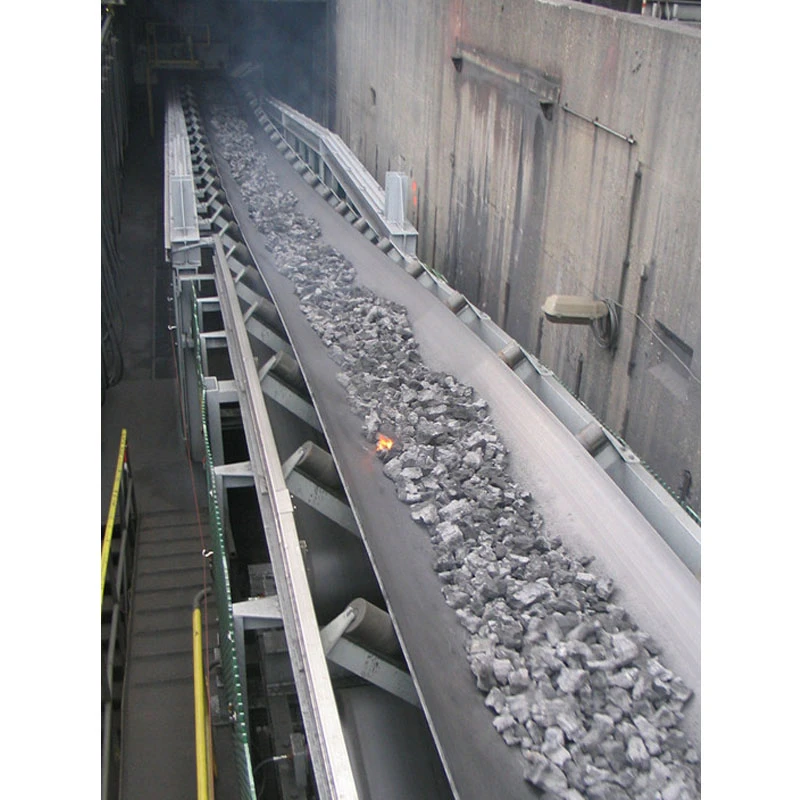
Having spent over a decade in the industrial equipment sector, particularly dealing with bulk material handling, I can say the dry fertilizer conveyor is one of those unsung heroes in agriculture logistics. It’s not flashy, but it’s crucial—moving dry fertilizer efficiently, safely, and with minimal dust generation. Oddly enough, it’s the conveyor belt's sturdy design and adaptability that make it indispensable on many farms and fertilizer production lines.
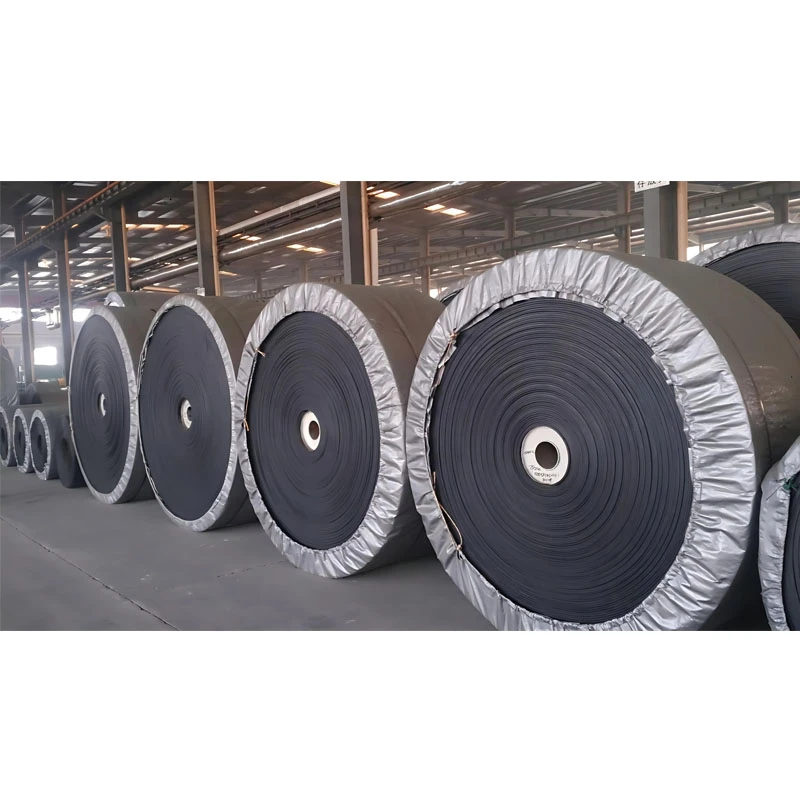
So what makes these conveyors tick? First off, the material they convey is abrasive and dusty. Fertilizer granules can vary from coarse to fine powders, and conveyors must handle these without clogging or significant wear. Speaking from experience, the belt material matters—a synthetic belt with anti-static and anti-abrasion properties is often preferred to improve longevity and reduce downtime. In fact, many engineers I've worked with swear by specialized conveyor belts that resist chemical corrosion, a must when fertilizers contain corrosive elements.
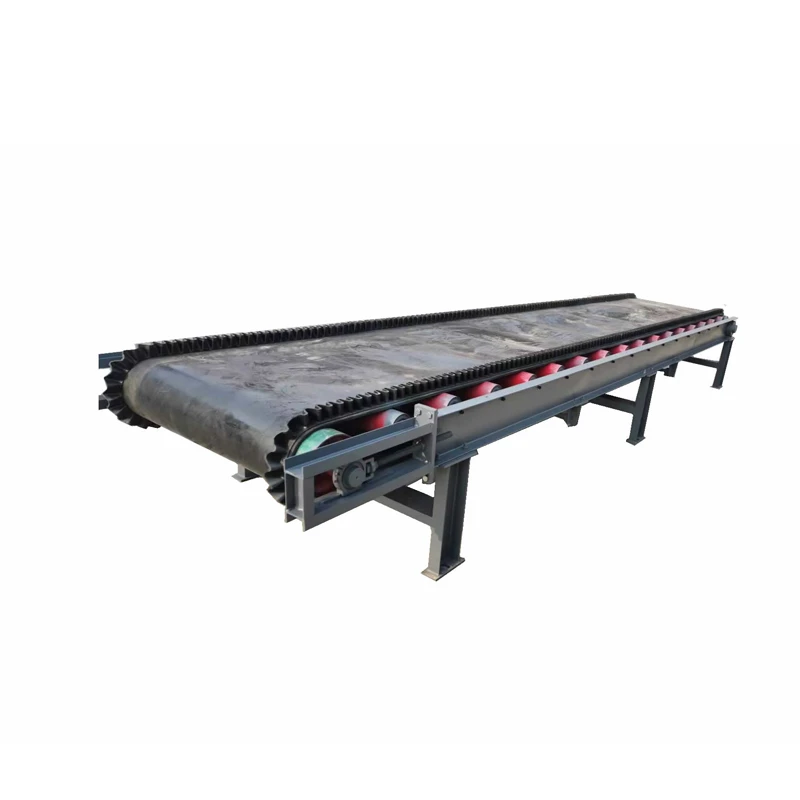
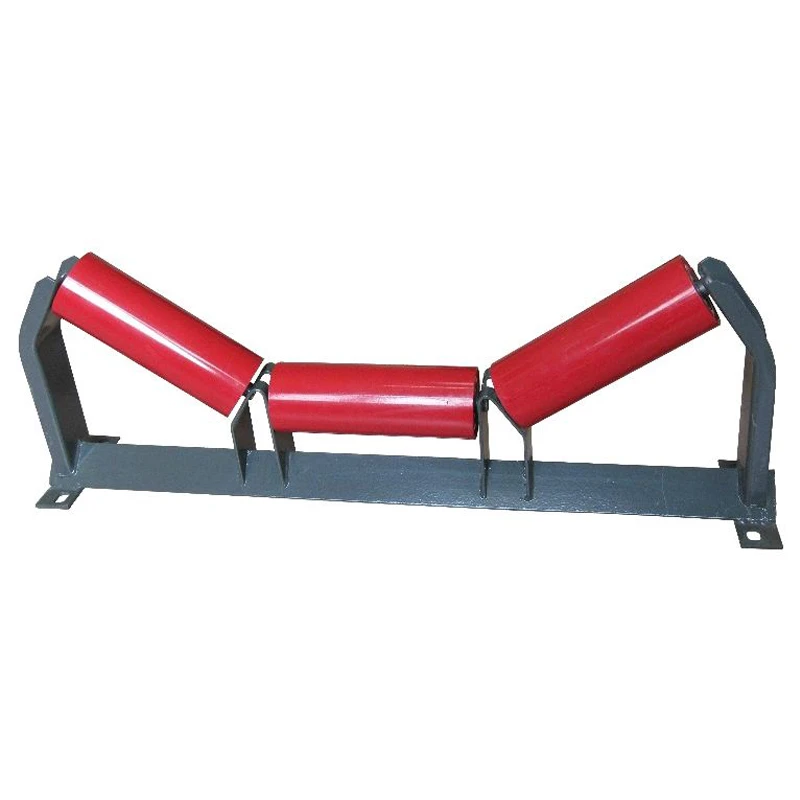
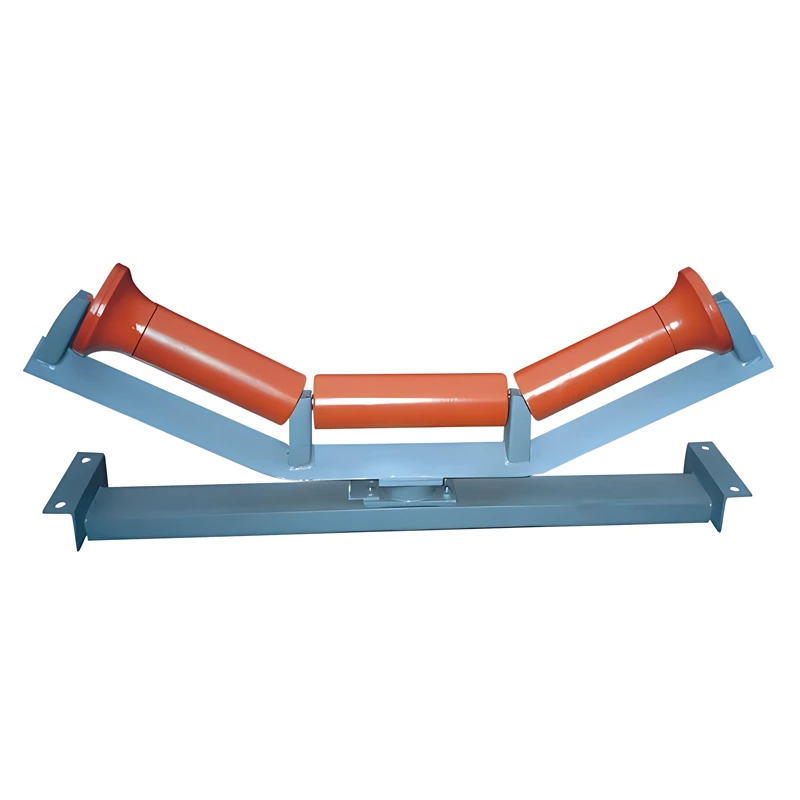
From a design perspective, dry fertilizer conveyors usually come in trough or flat configurations. The trough shape helps keep material centered, minimizing spillage during transport. Plus, most systems are enclosed or semi-enclosed, controlling dust and protecting workers and the environment—a regulatory plus. Frankly, I noticed that even small farms are adopting conveyors with built-in dust collection ports, showing how environmental awareness is shaping equipment evolution.
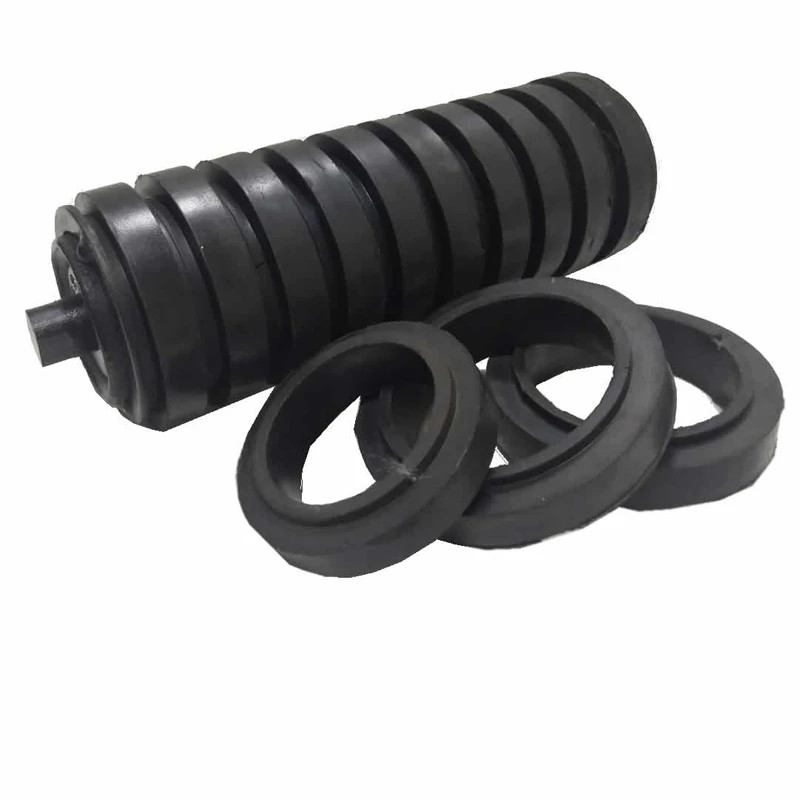
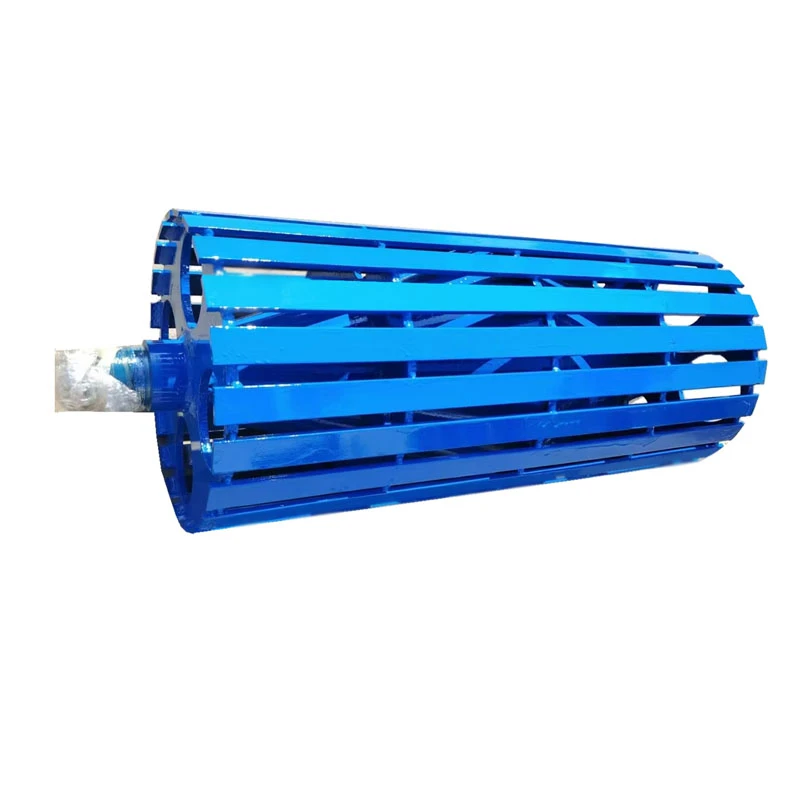
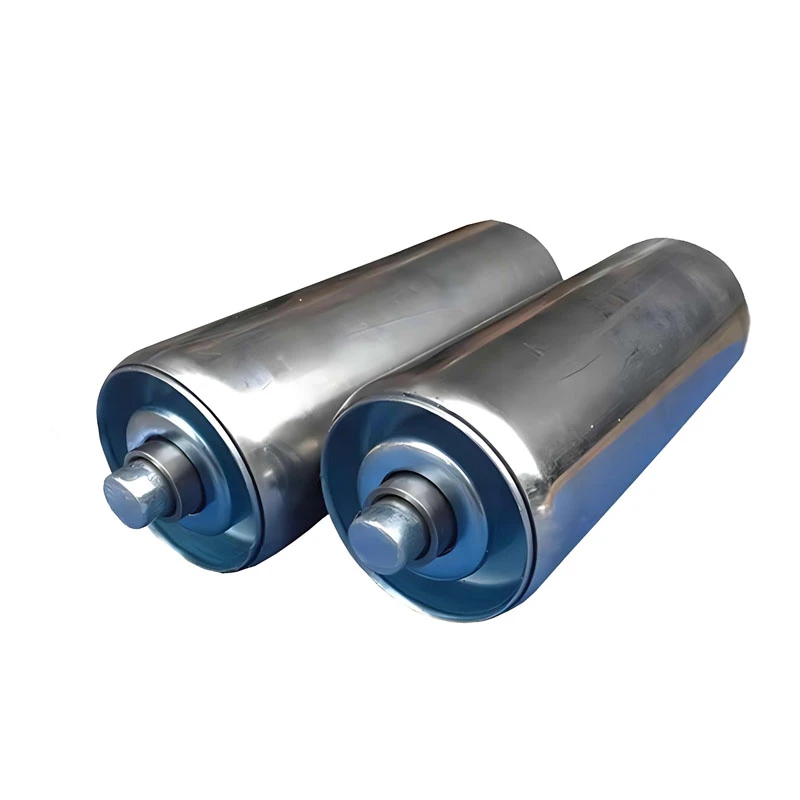
Testing and quality control are no afterthoughts here. During acceptance, conveyors go through belt tracking checks, load tests, and vibration analysis. You don’t want the belt slipping or vibrating excessively once running full tilt. I once observed a system fail a vibration check because the idler roller was not aligned correctly. The client was relieved we caught that early—otherwise, that could have meant costly downtime during peak fertilizing season.
What about customization? Well, no two fertilizer plants or farms are quite the same, so flexibility is key. Conveyor length, belt width, speed, and motor size vary widely. You can get accessories like metal detectors or magnet separators for product purity, or heated covers to prevent clumping in cold, humid environments. Sometimes, we even design modular conveyor segments for easy maintenance or reconfiguration—a real time saver in fast-paced operations.
Dry Fertilizer Conveyor Specifications
| Specification | Typical Range / Feature |
|---|---|
| Belt Type | PVC or Rubber, Anti-abrasion |
| Belt Width | 300 mm to 1200 mm |
| Conveyor Speed | 1 to 3 m/s |
| Load Capacity | Up to 30 t/h |
| Length | Customizable, 5 m to 50 m+ |
| Drive Motor | 3 kW - 15 kW, Variable speed possible |
| Dust Control | Enclosed covers, suction ports |
Vendor Comparison: What Sets Them Apart?
| Feature / Vendor | HG Conveyor Belt | Competitor A | Competitor B |
|---|---|---|---|
| Custom Belt Options | Wide variety meeting chemical resistance | Limited to rubber belts | PVC-only belts |
| Lead Time | 2-4 weeks | 4-6 weeks | 3-5 weeks |
| Dust Control Solutions | Enclosures, suction ports standard | Optional only | Not readily available |
| Warranty | 12 months full coverage | 6 months | 9 months |
| Technical Support | 24/7 expert hotline | Business hours only | Email support only |
I've seen some end-users rave about how the dry fertilizer conveyor from HG Conveyor Belt reduced their downtime and maintenance costs significantly. One of the farms we worked with had struggled for years with belt wear and material spillage — switching to an HG solution solved that, and frankly, boosted their throughput during the busy seeding season. It’s that kind of real-world improvement that keeps me interested in these humble conveyors.
If you’re weighing options, keep in mind the environment your conveyor will operate in, and check material specs carefully. Customization and local support often make all the difference—at least in my experience. These conveyors don’t just move fertilizer; they move your entire operation forward.
So there you have it—a practical, boots-on-the-ground view of dry fertilizer conveyors. Definitely a niche product, but an essential one in modern agriculture.
Reflection: In this industry, the devil’s in the details, and conveyor choices can impact entire seasons. Remember, a good conveyor isn’t just built, it’s carefully chosen.
- Industry reports on bulk material handling trends, 2023
- HG Conveyor Belt product catalog and specs, hgconveyorbelt.com
- Case studies on agricultural conveyor applications, internal documentation