Cement Conveyor: The Backbone of Efficient Material Handling
Having spent a fair share of years in the industrial equipment sector, I can tell you there's something quietly impressive about a well-engineered cement conveyor. You don’t usually hear much fanfare, but as someone who’s seen countless project sites, it’s one of those machines you sort of take for granted — until it malfunctions, that is.
So why all the fuss about cement conveyors? Well, they're essentially the tubular veins of cement manufacturing and construction sites. Their role is to transport raw or processed cement efficiently and safely from one point to another. Frankly, the smoother this transfer, the less downtime, and in this line of work, every minute counts.
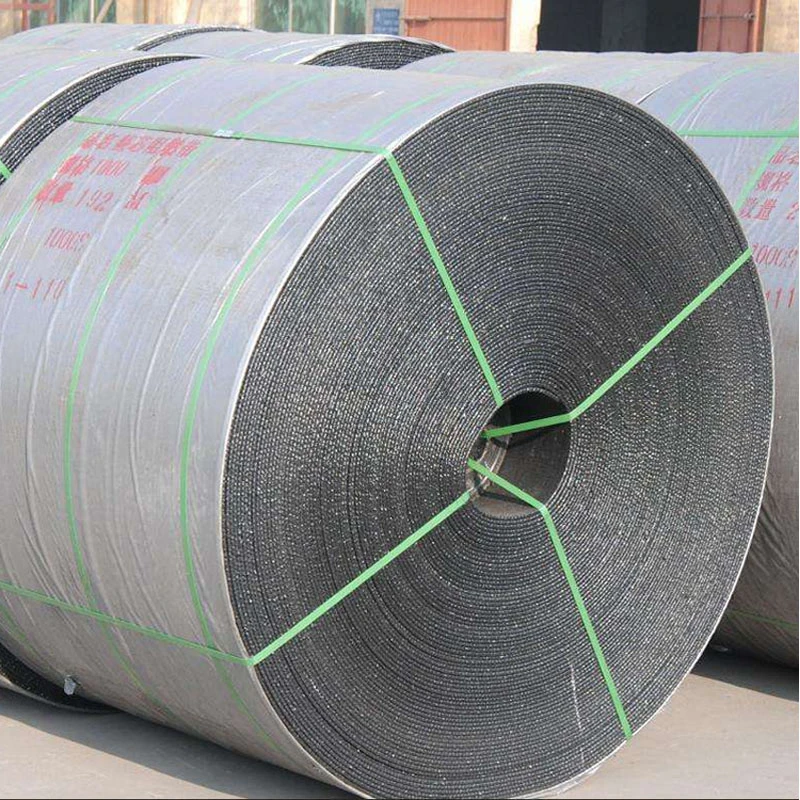
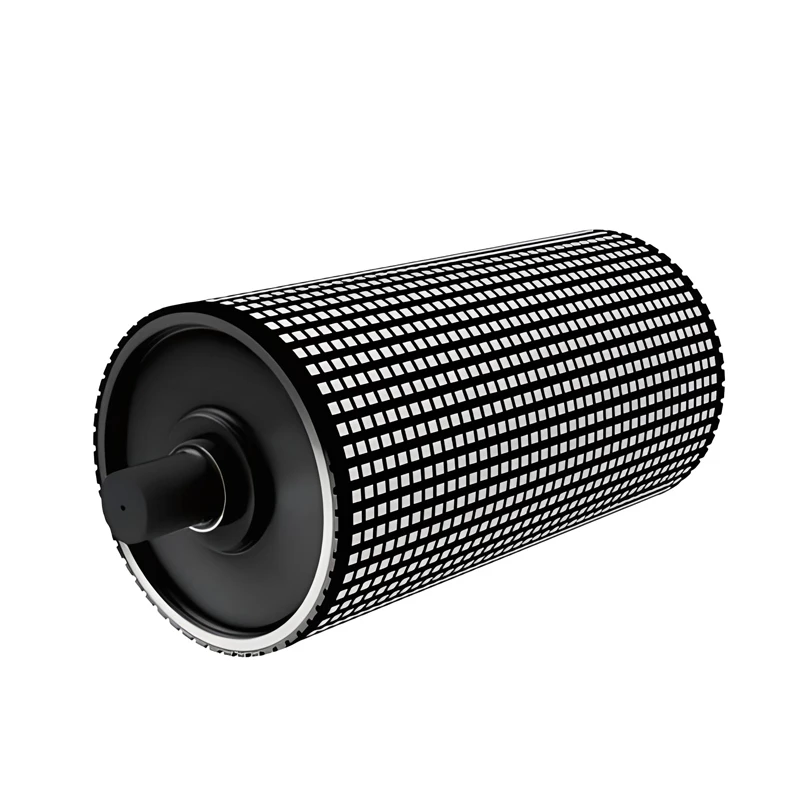
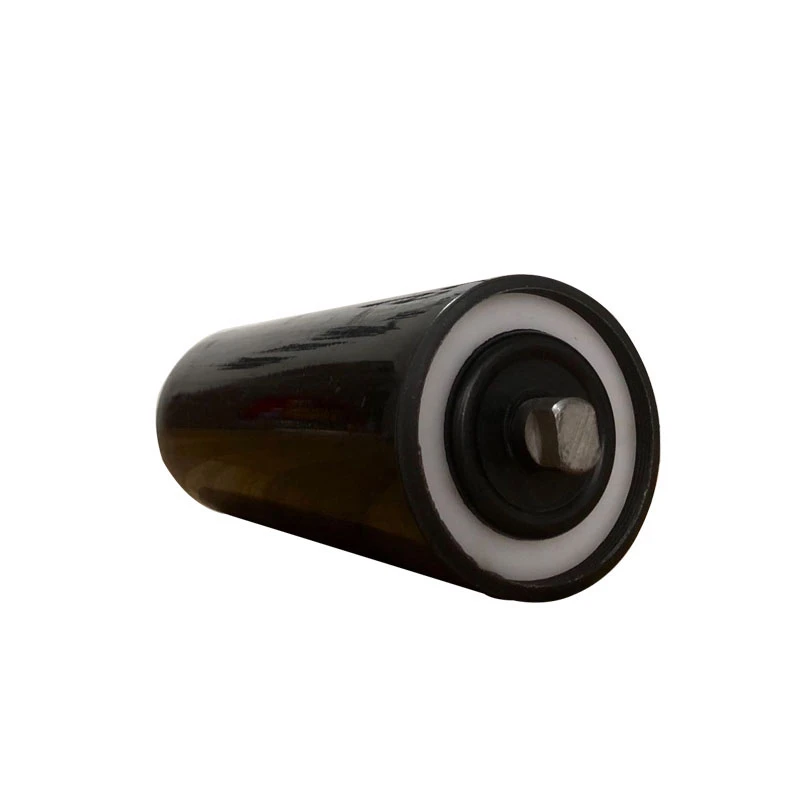
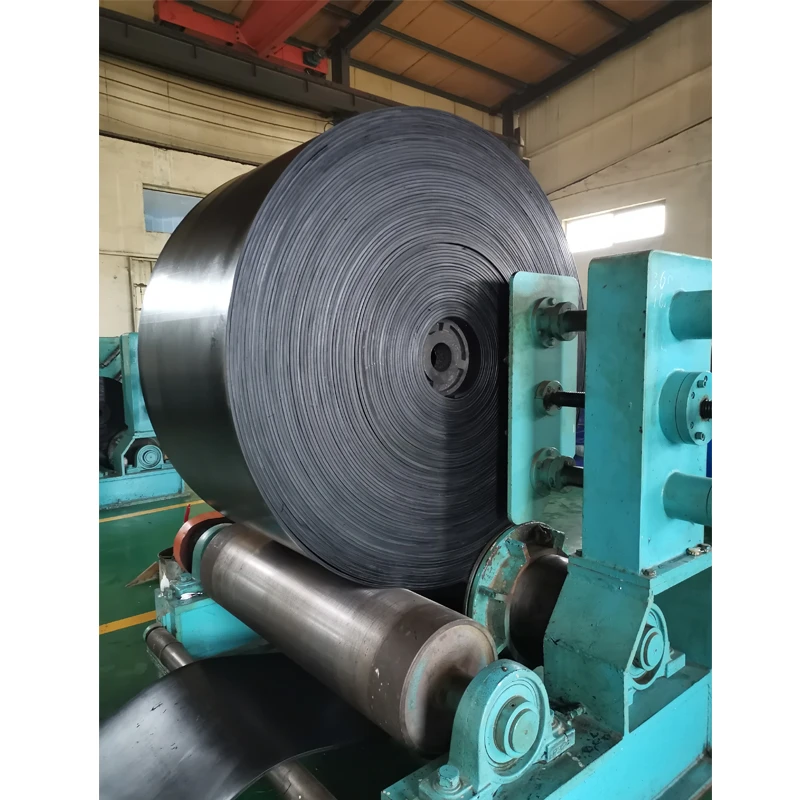
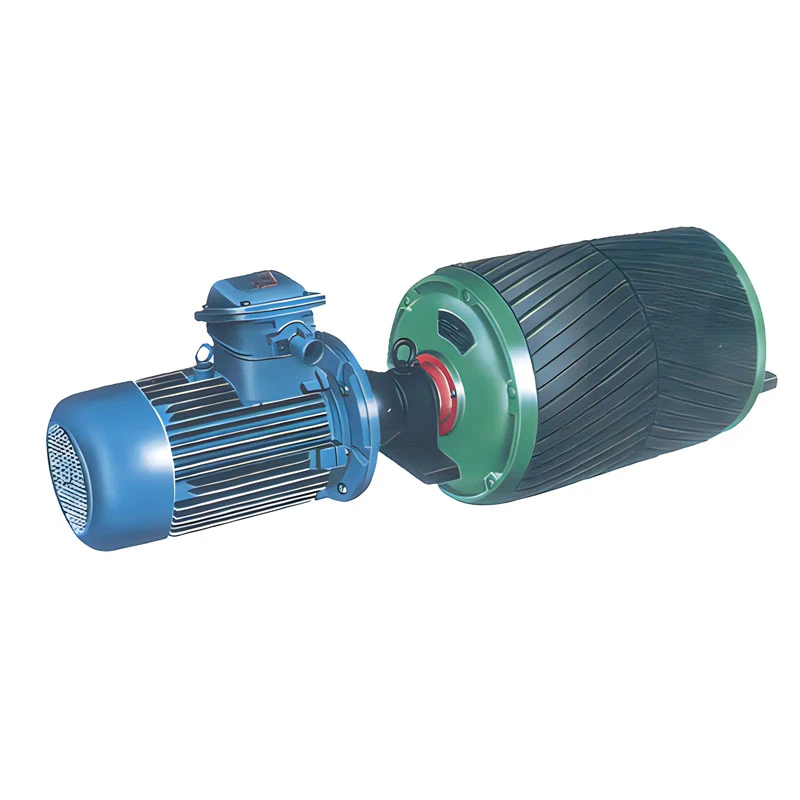
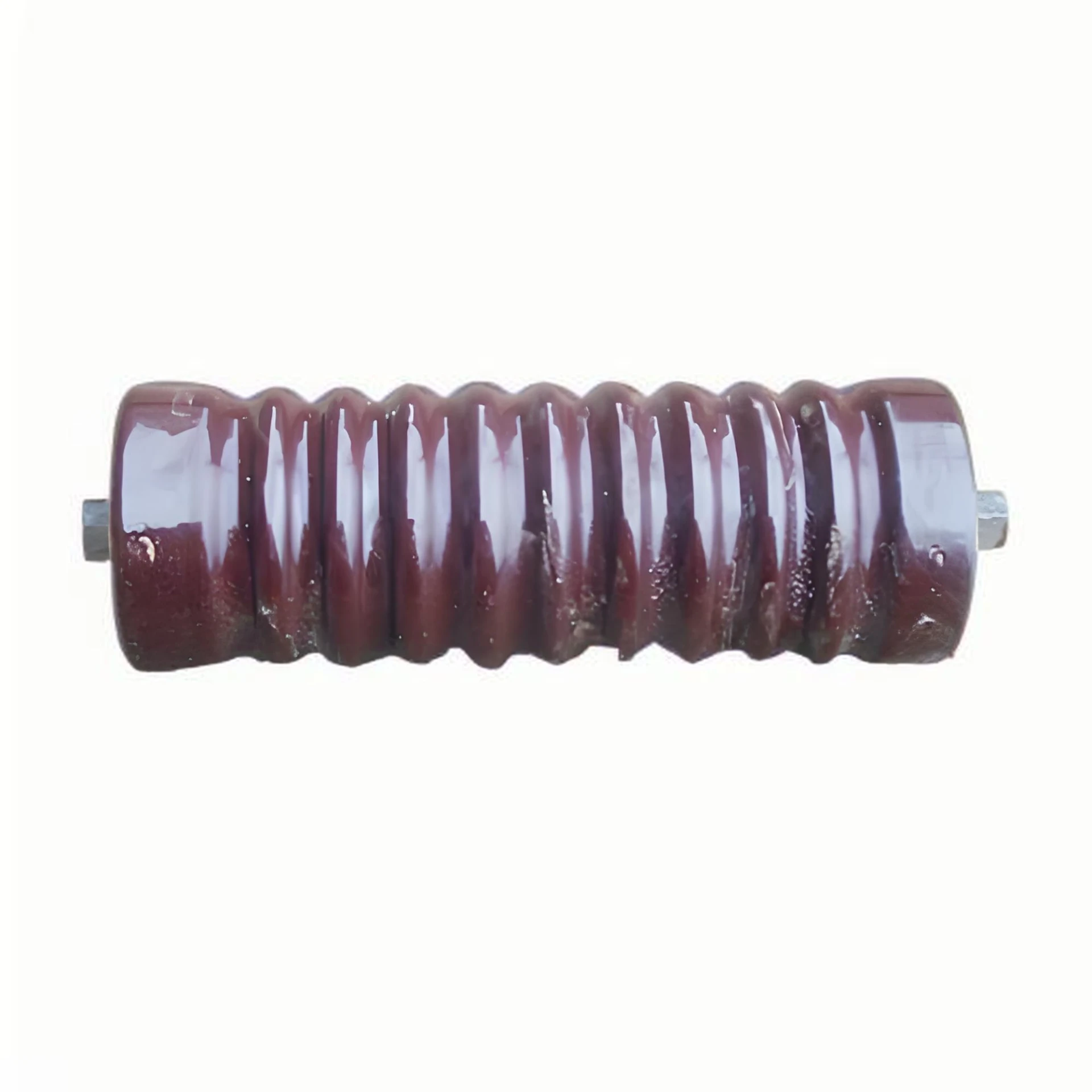
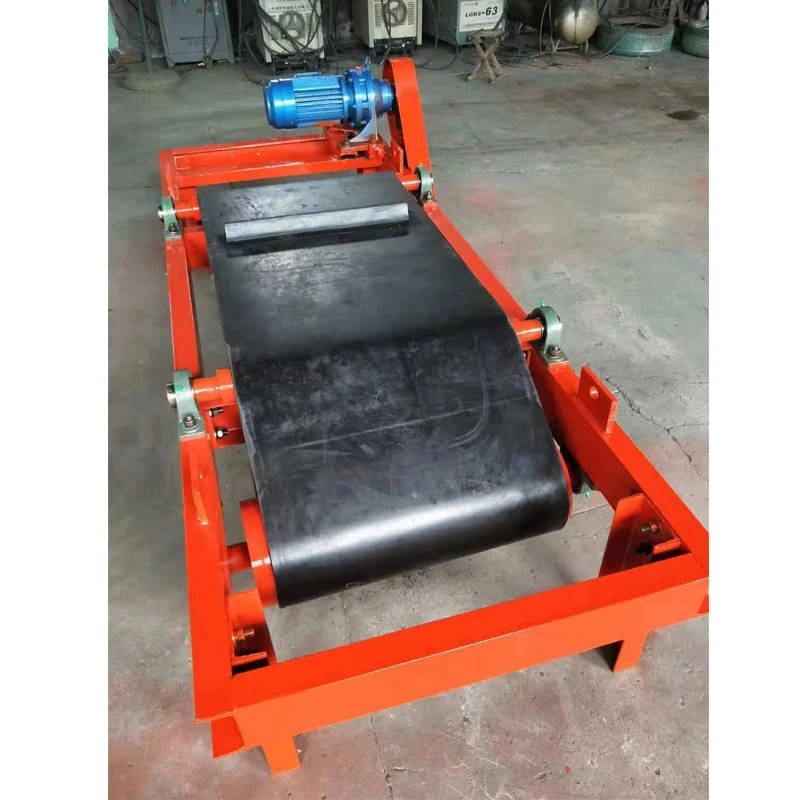
From my experience, the design has evolved steadily — moving from bulky, rudimentary belts to highly customized, robust systems that handle heavy loads in dusty, abrasive environments. A solid cement conveyor setup combines powerful motors, wear-resistant belts, and carefully engineered pulley designs. Okay, maybe a bit dry sounding, but it’s all vital stuff.
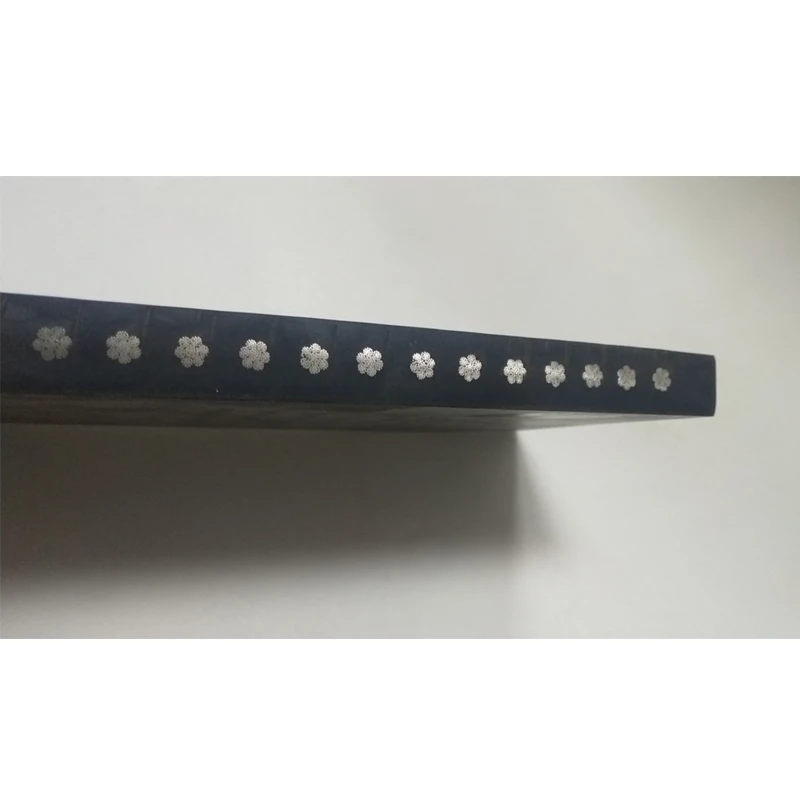
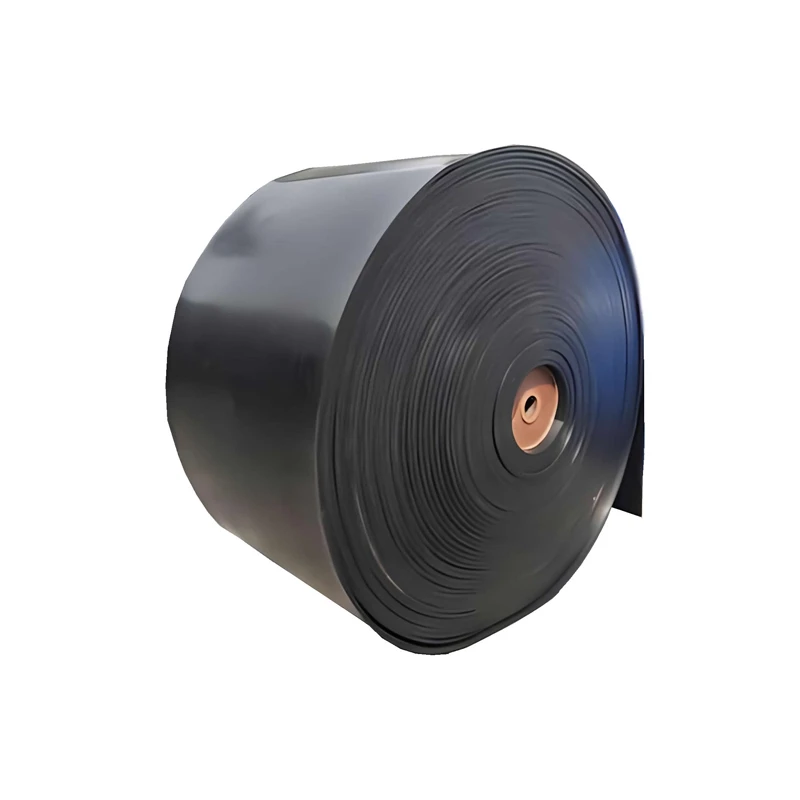
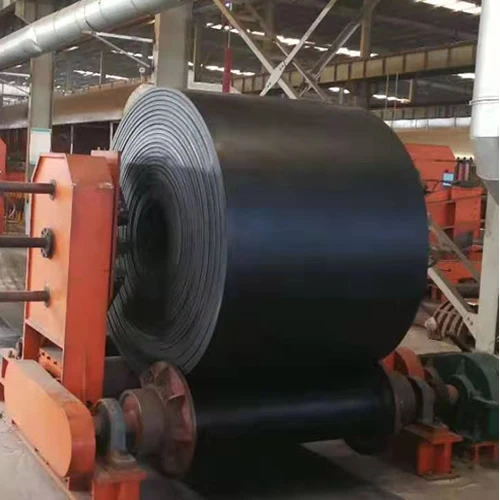
Oddly enough, one detail that often gets overlooked is the quality of the conveyor belt itself. The material has to be abrasion-resistant since cement powder can wear down standard belts faster than you'd think. High-grade synthetic rubber or PVC belts with embedded steel cords usually do the trick. I’ve seen a few belts lasting over five years in tough conditions — that’s a testament to solid material science and quality control.
Here's a quick spec overview of a typical cement conveyor belt system to give you a clearer picture:
| Feature | Specification |
|---|---|
| Belt Material | Synthetic rubber with steel-cord reinforcement |
| Belt Width | 600mm - 1800mm (customizable) |
| Load Capacity | Up to 3500 tons/hour |
| Temperature Range | -20°C to +80°C |
| Drive Type | Electric motor with variable speed control |
The actual selection of a conveyor system often comes down to matching specs and durability with your site’s particular quirks — dust levels, terrain, something as mundane as humidity. I remember one project where a poorly chosen conveyor belt quickly led to clogging and belt tearing because they didn’t consider the high alkalinity of the cement mix. Avoidable — but I suppose these stories remind us why consulting with experienced vendors matters.
Speaking of vendors, it's important you weigh both technical credentials and aftersales support when choosing. Here's a comparison table I put together based on some top names in the industry:
| Vendor | Product Range | Customization | Lead Time | After-Sales Service |
|---|---|---|---|---|
| HG Conveyor Belt | Wide (belts & conveyor systems) | High (tailored solutions) | 4-6 weeks | Excellent (global support) |
| Generic Industrial Co. | Limited (standard belts) | Low (off-the-shelf) | 2-3 weeks | Average |
| Premium Tech Solutions | Wide (incl. automation) | Moderate | 6-8 weeks | Good |
To add a small anecdote, about a year ago, I visited a cement factory in the Midwest where they had just revamped their conveyor setup. The operators proudly told me the new system reduced belt wear by nearly 30%. The trick? Switching to a higher-quality belt material combined with better dust sealing—simple, but thoughtfully done.
Customization definitely is key. Manufacturers now offer solutions that can be fitted with sensors and remote diagnostics. I suppose it’s part of the industrial IoT trend — catching problems before they spiral into costly shutdowns.
Anyway, whether you’re upgrading an existing conveyor or planning a new plant’s design, remember to look beyond just price. It’s about overall efficiency, longevity, and vendor reliability. I often say, a conveyor is more than just a belt — it’s an investment into your plant’s heartbeat.
In real terms, you can’t afford downtime in cement handling operations, so choosing a cement conveyor that balances cost with quality usually pays dividends in the long run.
To wrap it up — a robust conveyor system quietly supports the veins of industry. It’s a piece of equipment that deserves a little more appreciation than it often gets.
References
- Industry Materials Handling Handbook, 2023 Edition
- Field notes from Midwest cement facility visits, 2022-2023
- Technical product brochures from leading conveyor manufacturers