Understanding the Crusher Conveyor Belt: Backbone of Bulk Material Handling
The term crusher conveyor belt might not pop up in everyday conversations, but it silently powers much of the mineral processing and construction industries worldwide. Whether you’re in mining, quarrying, or large-scale recycling operations, these belts serve as the unsung heroes moving vast volumes of raw materials — efficiently, continuously, and safely.
Why care about crusher conveyor belts? Well, if you’re managing operations where tons of crushed stone, ore, or demolition waste must be shifted quickly and reliably, understanding these belts can lead to significant cost savings, reduce downtime, and enhance operational safety. Globally, as demand for infrastructure and resources escalates, so does the need for robust materials handling systems — making this topic surprisingly relevant far beyond its niche.
Global Context: Why Crusher Conveyor Belts Matter Today
From the World Bank data to the UN’s sustainable development goals, infrastructure development remains a huge driver of economic growth and employment worldwide. Mining-powered economies alone see millions of tons of aggregate processed daily, involving complex logistics supported by crusher conveyor systems.
Oddly enough, these conveyor belts also play a significant role beyond just pure industry. In humanitarian scenarios, like post-disaster debris removal or rapid construction of shelters, their efficiency can accelerate rebuilding efforts. Yet, challenges like belt wear, energy consumption, and system integration still persist, leading operators to constantly seek improvements.
Defining the Crusher Conveyor Belt
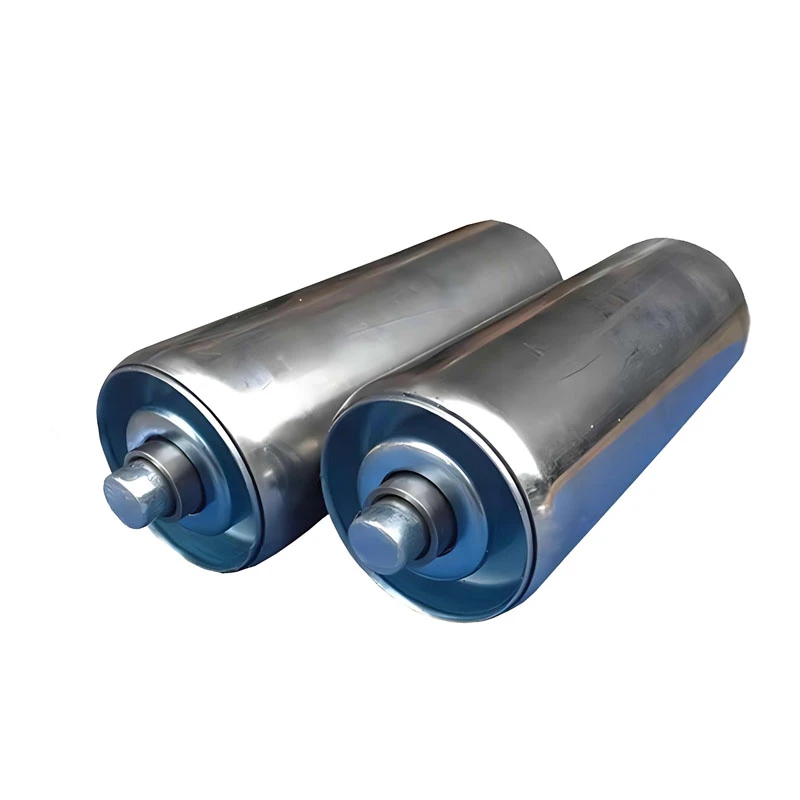
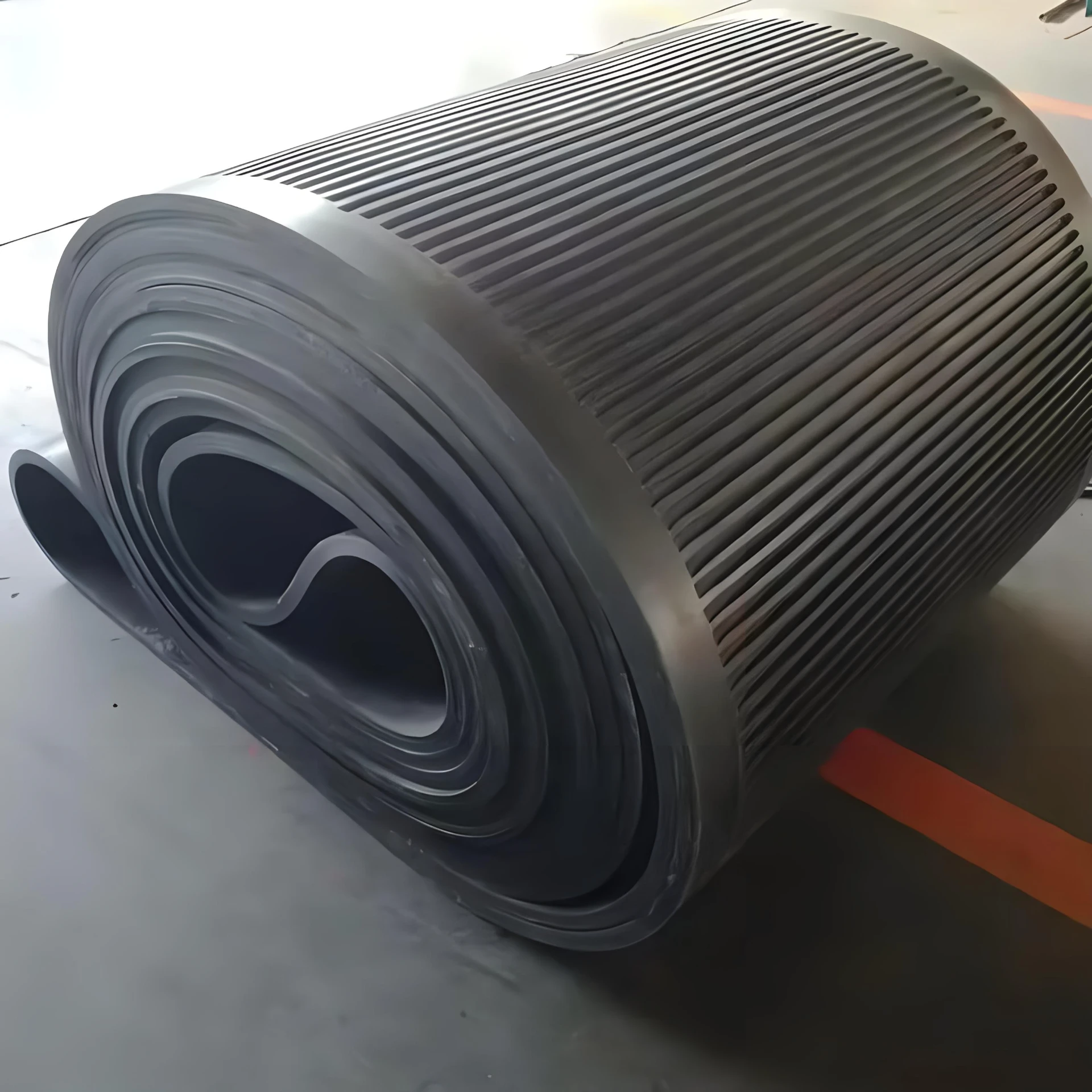
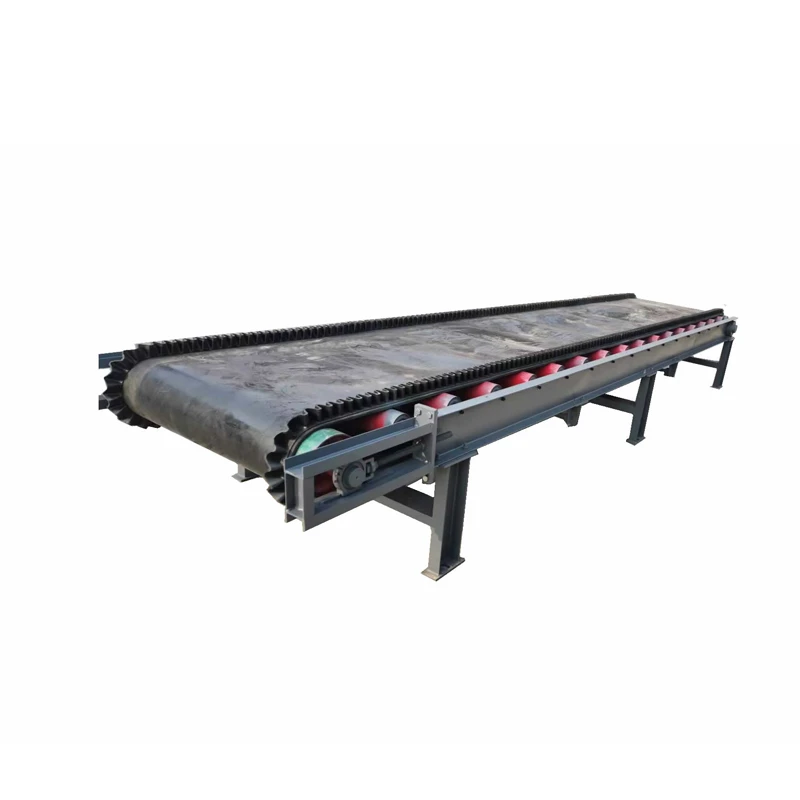
Put simply, a crusher conveyor belt is a heavy-duty conveyor belt designed specifically to transport materials coming directly from crushers. These belts must withstand abrasive materials, impact from crushed rock chunks, and exposure to dust or harsh environmental conditions.
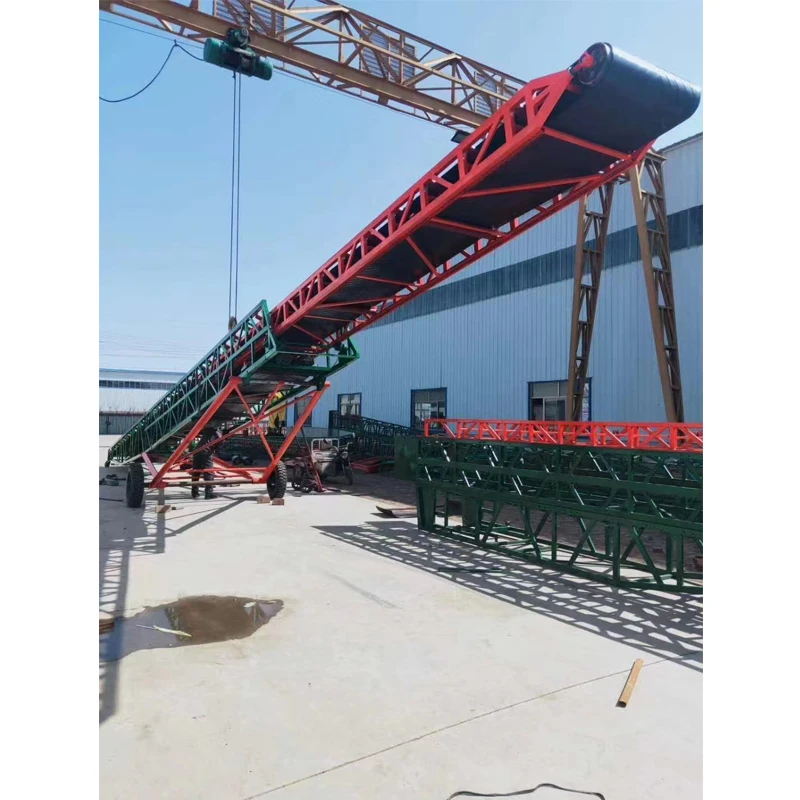
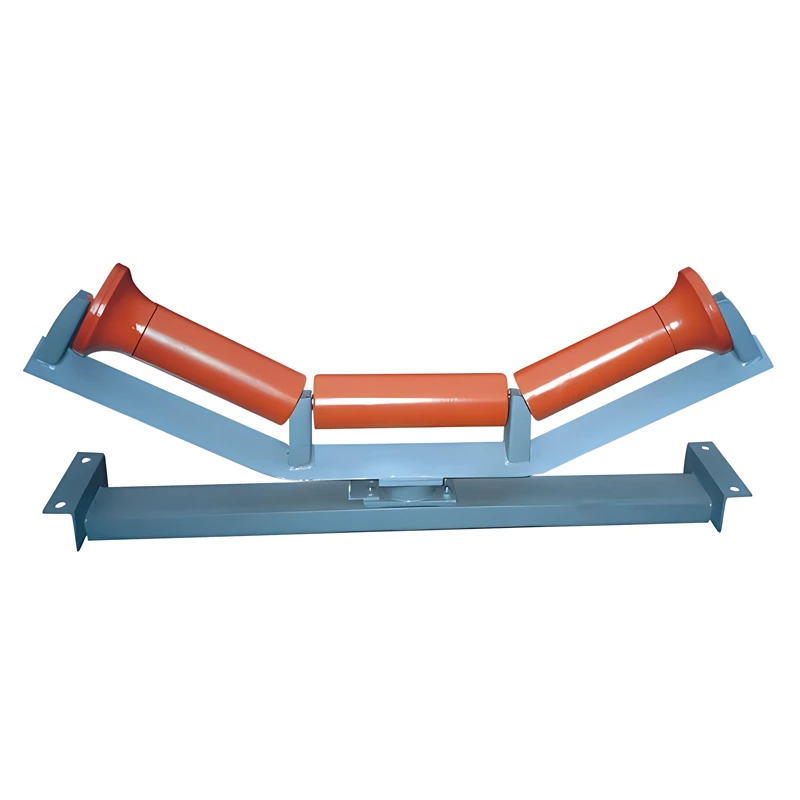
They are typically integrated as part of a larger conveyor system, tailored to move materials along production lines—from the point of crushing to processing or stockpiling. Their rugged nature connects directly to the broader industrial goals of efficiency, safety, and sustainability in resource extraction and handling.
Core Components and Key Factors of Crusher Conveyor Belts
1. Durability and Material Strength
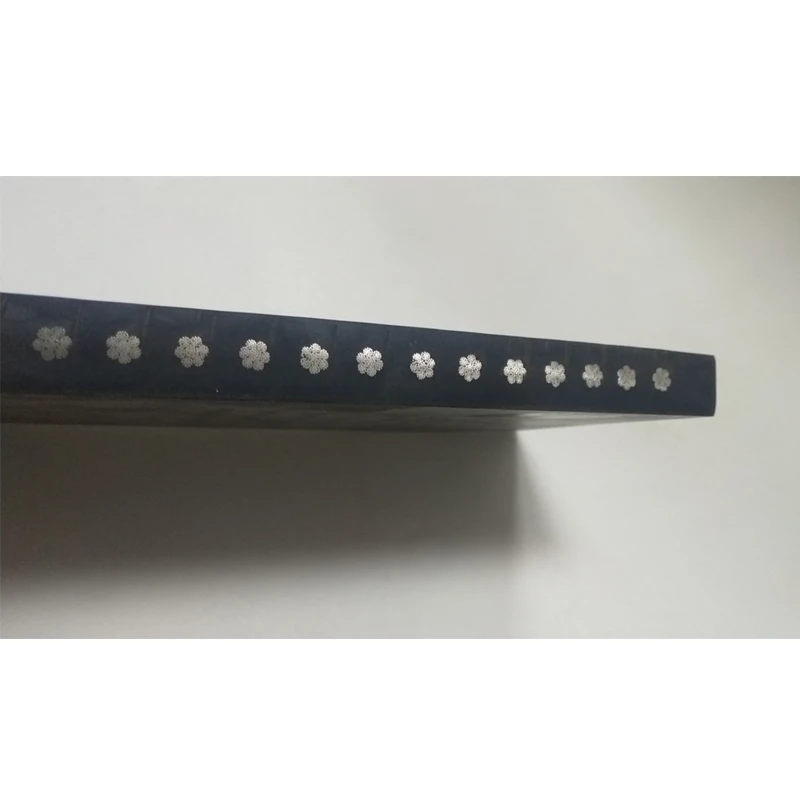
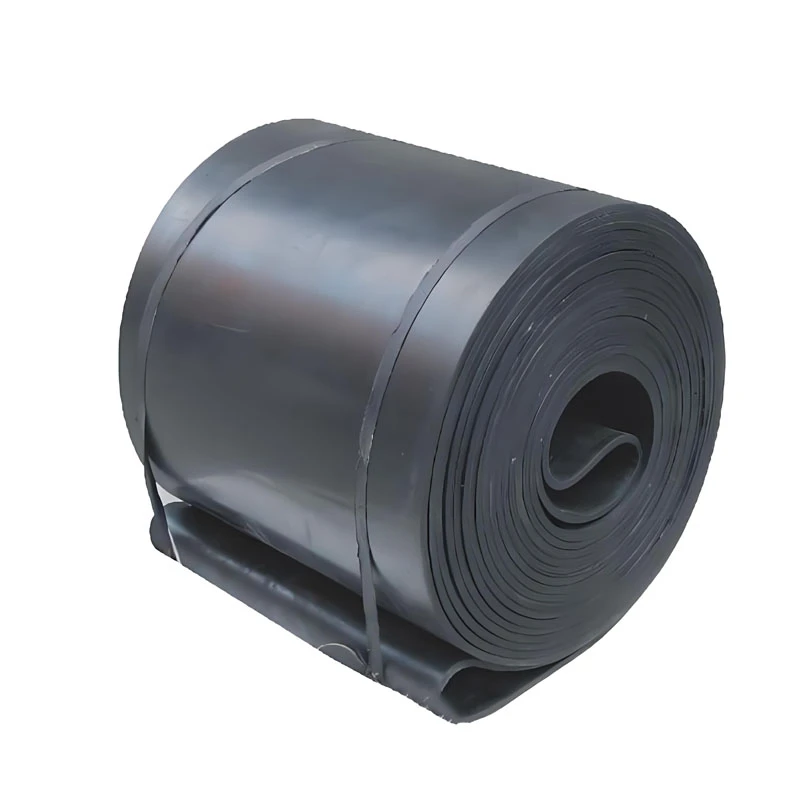
Choosing the right belt material, usually reinforced rubber composites with steel cords or fabric layers, is crucial. These enhance tensile strength and resistance against tearing, abrasion, and impact, which are common in crusher applications.
2. Impact Resistance
The feeding points near crushers often experience heavy impacts. Specialized impact-resistant covers or belt sliders are often incorporated to absorb shocks and increase lifespan.
3. Belt Width and Speed
Width varies (commonly 600mm to 2400mm and beyond), influencing capacity. Speed settings must balance throughput with safe handling, avoiding spillage and minimizing wear.
4. Energy Efficiency
Energy consumption is non-trivial. Modern belts integrate lightweight designs and low-friction components to reduce power usage — increasingly important with global sustainability drives.
5. Maintenance and Replacement Ease
Modularity in belt segments and advanced scanning technologies for wear detection help operators schedule maintenance proactively, minimizing downtime.
6. Environmental Resistance
These belts may face harsh weather, chemical exposure, or wet conditions. Hence, weatherproofing and anti-corrosive materials are often vital.
| Parameter | Typical Range | Notes |
|---|---|---|
| Belt Width | 600 mm - 2400 mm | Depends on plant capacity |
| Belt Speed | 1.5 m/s - 5 m/s | Higher speeds reduce throughput time |
| Tensile Strength | 500 N/mm - 3000 N/mm | Material-dependent |
| Cover Thickness | 5 mm - 15 mm | Affects abrasion resistance |
| Operating Temperature | -30°C to +80°C | Standard environmental tolerance |
Global Applications & Real-World Use Cases
Crusher conveyor belts form the lifeblood of mining and aggregate industries in countries like Australia, Brazil, South Africa, and Canada – places where natural resources and infrastructure ambitions intersect at scale. But the story isn’t just about heavy industry.
- Post-disaster relief: Rapid debris removal in earthquake or flood zones relies on conveyor systems that include robust crusher belts to clear material and enable reconstruction.
- Remote industrial zones: In far-flung mining camps, efficient conveyor belts minimize manual handling, improving safety.
- Recycling Plants: Crusher conveyor belts transport crushed demolition waste and metals, aiding circular economy efforts.
Such belts are chosen not only for capacity but for adaptability to harsh environmental conditions – heat, moisture, dust – depending on region.
Advantages and Long-Term Value
Investing in premium crusher conveyor belts delivers payoffs beyond immediate throughput. For instance:
- Cost efficiency: Longer belt life reduces replacement frequency, slashing expenses.
- Safety: High-quality belts reduce spillage and belt failures, protecting workers.
- Sustainability: Energy-efficient belts and manufacturing materials align with evolving regulations and company ethics.
- Innovation and trust: Dependable performance fosters operator confidence and smooth workflow.
In some ways, the belts contribute quietly but significantly to the dignity and safety of those working with heavy materials daily.
Future Trends & Innovations in Crusher Conveyor Belt Technology
The conveyor industry isn’t standing still. Green innovations are pushing lighter, more durable composites and integrating IoT sensors for real-time belt monitoring — predicting wear before failures occur. Automation trends are seeing conveyors linked directly into digital control systems, optimizing speed and energy use dynamically.
More eco-friendly rubber compounds and recycling-friendly belt designs are emerging in response to global sustainability pressures.
Challenges & Practical Solutions
Not all crusher conveyor belts perform equally under different conditions. Wear and tear, misalignment, and belt slippage remain common headaches. Yet, solutions exist including:
- Using modular belt designs to simplify maintenance.
- Applying tailored impact-absorbing belt covers.
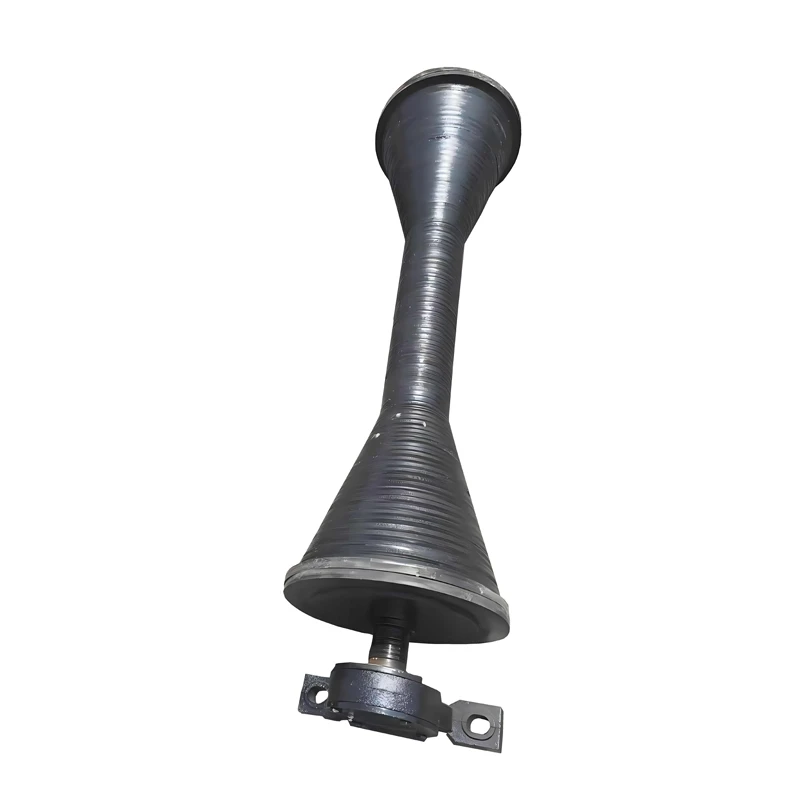
- Installing belt alignment systems for reduced off-tracking.
- Regular condition monitoring using ultrasonic or thermal imaging sensors.
Many operators report improved uptime after investing in such technological adjuncts.
| Vendor | Specialty | Material Technology | Sustainability Focus | Global Reach |
|---|---|---|---|---|
| ContiTech | Heavy-duty mining belts | Steel-cord reinforced | Focus on reduced energy use | Extensive global network |
| Fenner Dunlop | Custom abrasion-resistant belts | Composite rubber with textile layers | Recycling of old belts supported | Strong in Americas & Asia Pacific |
| Habasit | Lightweight, energy-saving belts | Thermoplastic technology | Strong sustainability initiatives | Primarily Europe and North America |
FAQ: Frequently Asked Questions About Crusher Conveyor Belts
Q1: How do crusher conveyor belts differ from standard conveyor belts?
A1: Crusher conveyor belts are specifically designed to handle heavy, abrasive materials directly from crushers. They feature reinforced materials, thicker covers, and impact-resistant layers to survive harsh conditions that standard belts might fail under.
Q2: What maintenance practices extend the life of crusher conveyor belts?
A2: Regular inspections for wear and tear, alignment checks, timely replacement of worn parts, and cleaning to prevent material buildup are key. Using sensors to monitor belt condition can help predict failures before they happen.
Q3: Can crusher conveyor belts be customized for different industries?
A3: Absolutely. Belt width, cover thickness, reinforcement type, and surface treatment can all be customized to suit industries such as mining, quarrying, recycling, and construction.
Q4: Are there eco-friendly options for crusher conveyor belts?
A4: Yes. Newer belts use recyclable materials and are produced via processes that reduce environmental impact. Plus, energy-efficient designs lower operational carbon footprints.
Q5: How does belt speed affect crusher conveyor belt performance?
A5: Higher speeds increase material throughput but can lead to more wear and spillage. Balancing speed with belt durability and material characteristics is essential for optimal performance.
Conclusion: Why Crusher Conveyor Belts Are Critical for Modern Industry
From enhancing productivity in massive mining operations to enabling quick recovery after natural disasters, crusher conveyor belts are central to moving materials reliably and safely. Their design intricacies reflect decades of engineering progress, and innovations continue to push their efficiencies further.
Long-term, investing in high-quality, well-maintained crusher belts means fewer disruptions, better sustainability, and safer workplaces — a crucial trifecta in today’s industrial landscape.
If you’re looking to upgrade or maintain your fleet of conveyor belts, visit our website for tailored solutions that marry durability with innovation.
Final thought: It’s one of those things you only really notice when it’s missing or failing—but, frankly, the crusher conveyor belt quietly keeps the world turning.