Why the Corner Conveyor Is a Silent Workhorse in Modern Facilities
Having spent more than a decade navigating the ins and outs of industrial equipment, I can say that corner conveyors often fly under the radar, yet they’re crucial behind the scenes. Think of them as the quiet connectors in a complex dance, redirecting material flows smoothly without too much fuss. Oddly enough, while straight conveyors steal the spotlight, corners are where the real spatial ingenuity happens.
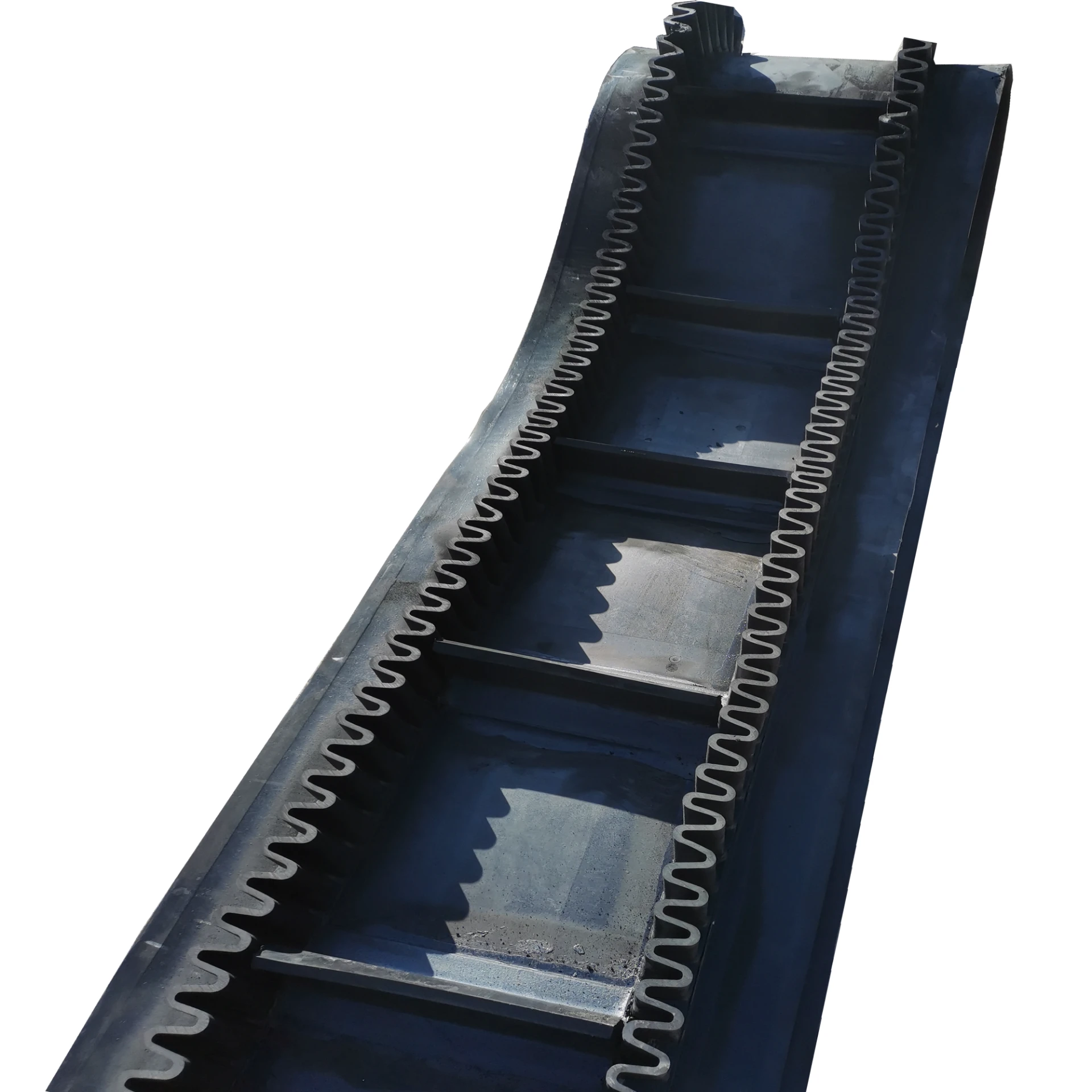
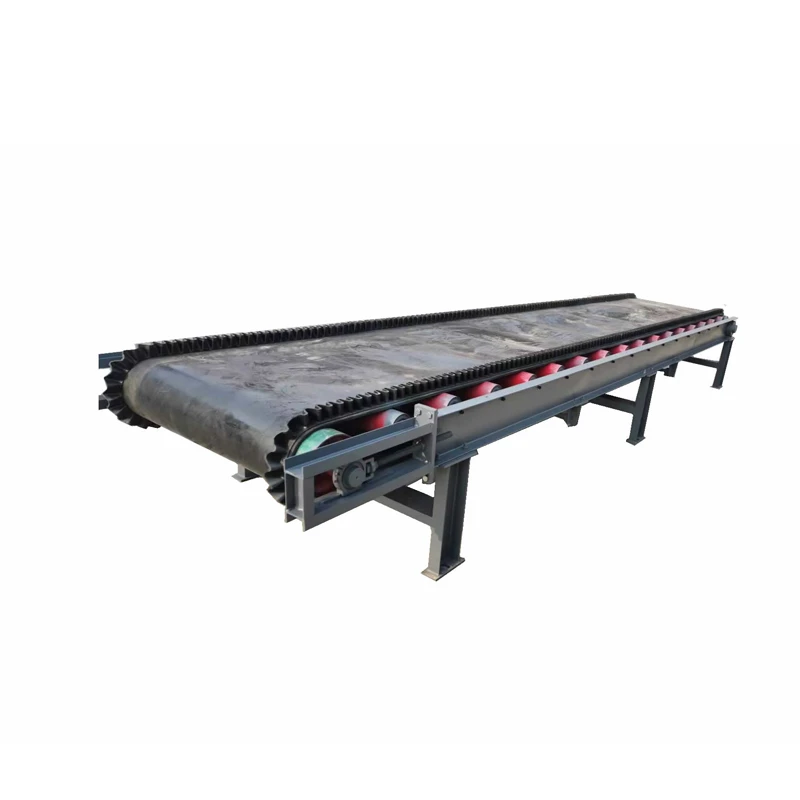
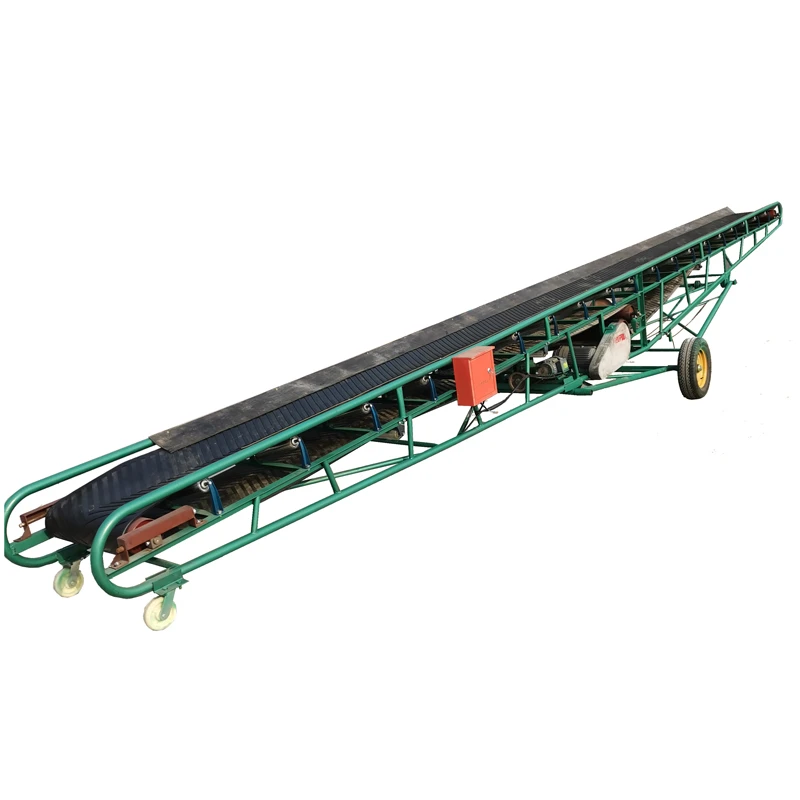
Now, corner conveyors are basically designed to transport goods around bends—typically 45, 60, or 90 degrees—making them indispensable where floor space is a premium or production lines zigzag. They often come with modular designs, which I appreciated early on when working on retrofits that demanded flexibility. “Can this bend handle the weight? Will the belt grip the goods tightly in the turn?”—these are questions I’m still asking whenever I specify one.
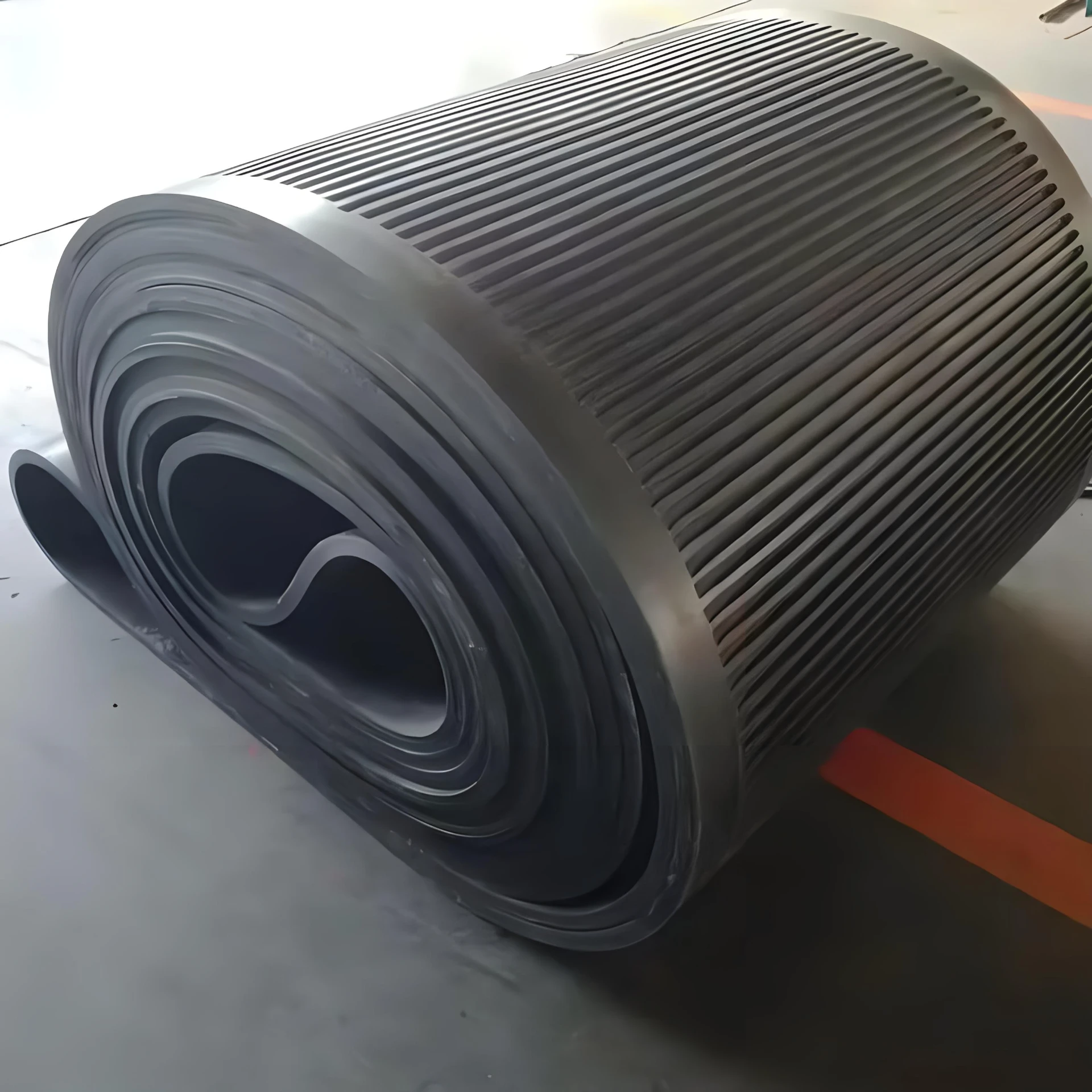
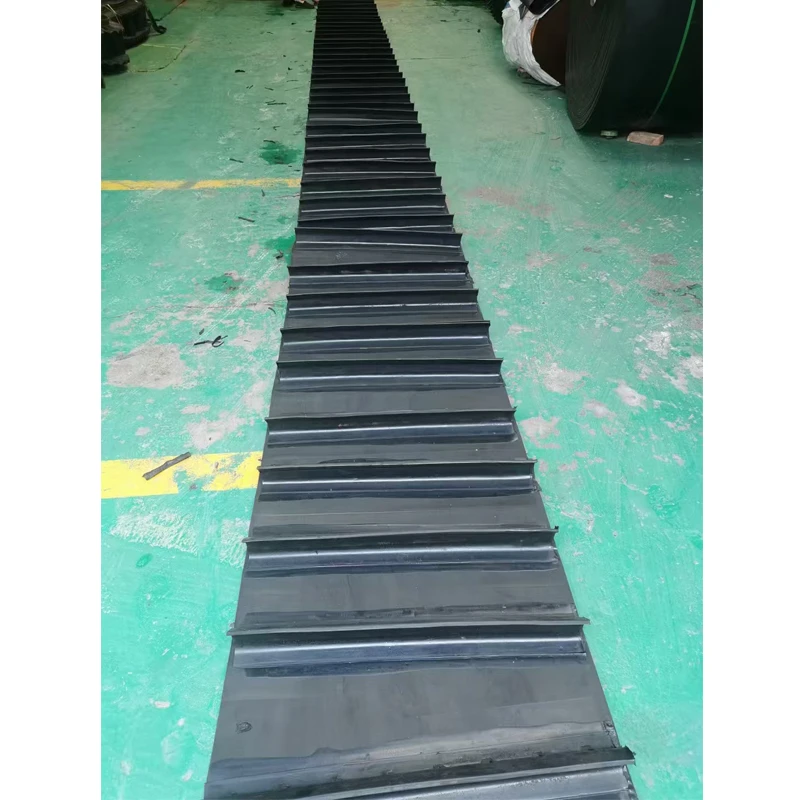
From my experience, material choices play a big role. The belts need to balance durability and friction. Nitrile rubber belts, for example, perform well on greasy shop floors, while PVC belts suit packaging plants better. The frame’s build—usually sturdy steel or sometimes aluminum—affects not only lifespan but also ease of maintenance. I recall a plant where swapping out a poorly designed corner conveyor cut downtime by 30%, because the new unit offered quicker belt replacement and better guarding accessibility.
| Feature | Details |
|---|---|
| Material Handling Angle | 45°, 60°, 90° commonly available |
| Belt Type | PVC, Nitrile Rubber, PU (custom options) |
| Speed Range | 0.1 - 2 m/s (adjustable) |
| Maximum Load | Up to 100 kg per linear meter |
| Frame Material | Mild steel (powder coated) or aluminum profiles |
| Dimensions | Customizable length & width; typical widths 300-600 mm |
One thing I noticed during factory walkthroughs is the diversity of vendors and the kinds of offerings they bring to the table. It’s no secret that not all corner conveyors are created equal. Some focus heavily on modularity and quick installation, while others emphasize heavy-duty capability or specialized belt materials. The vendor you pick can make all the difference, especially if your production line demands uptime and minimal adjustment.
| Vendor | Key Strength | Customization | Lead Time | Warranty |
|---|---|---|---|---|
| HG Conveyor Belt | Wide material range, robust design | High (bespoke angles & belts) | 4-6 weeks standard | 12 months |
| FlexLine | Modular quick-install units | Medium | 2-4 weeks | 6 months |
| HeavyDuty Conveyors | Handles extremely heavy loads | Low | 6-8 weeks | 18 months |
I’m reminded of a case a few years back where a bottling line repeatedly jammed due to poorly chosen corner conveyors. Once the plant switched to a better-quality component — tailored belt grip and precise speed control — throughput improved noticeably. The operators appreciated the reduced manual interventions, and frankly, it felt like a small revolution for that line.
To sum it up, investing time into selecting the right corner conveyor isn’t just about equipment specs; it’s about ensuring your whole operational flow remains fluid. Whether you’re reconfiguring a line or building something from scratch, these machines quietly glue your process steps together. And in real terms, that’s often what keeps your deadlines intact.
A corner conveyor might seem like a minor detail, but getting it right can make a major difference in your plant’s efficiency.
References:
1. Industry tests on conveyor belt materials, 2022
2. HG Conveyor Belt product catalog, 2023
3. Plant case study on conveyor retrofit, internal report 2019