Bend Conveyor Drum: Field Notes from a conveyor roller manufacturer
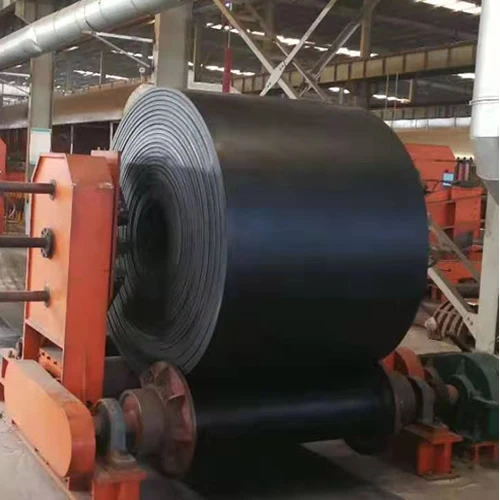
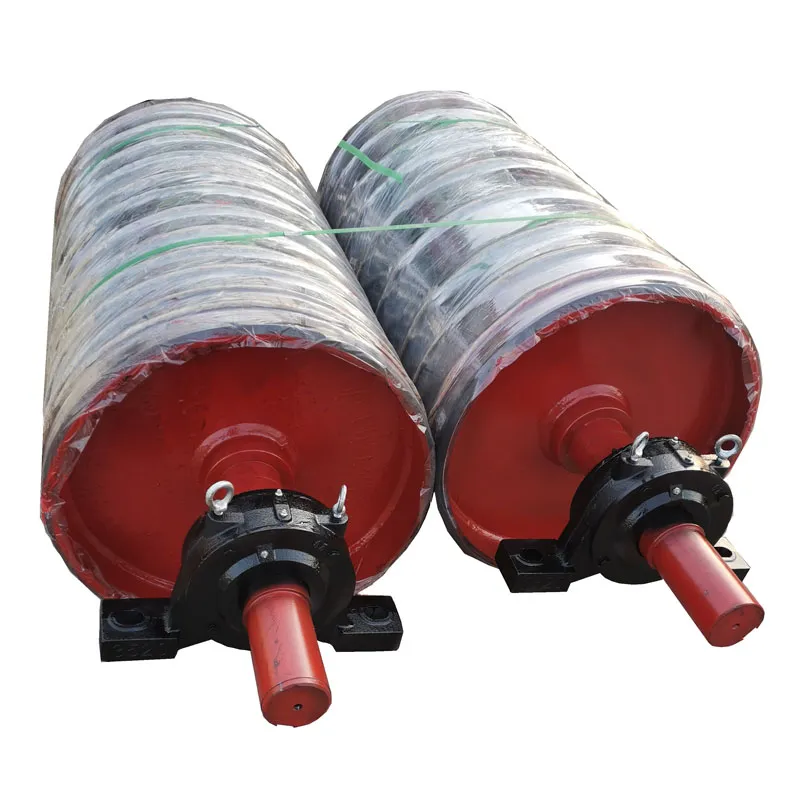
Last month, I dropped by a conveyor roller manufacturer in Hebei—Room1109, Building C, Tianshan Galaxy Plaza, No. 358 Yuhua East Road, Shijiazhuang High tech Zone, to be exact. They were running a batch of Bend Conveyor Drums (drive pulleys) with both herringbone and diamond lagging on the line. The shop floor smelled faintly of vulcanized rubber. In a good way, actually.
What’s trending (and why it matters)
Across mines, ports, and quarries, buyers want higher torque transmission with lower downtime. The current wave: thicker rubber lagging for grip, improved dynamic balancing (often G6.3), and smarter QA—UT weld checks, adhesion tests, and runout data, not just a glossy brochure. Many customers say they’ll pay a bit more for verified test sheets. I get it.
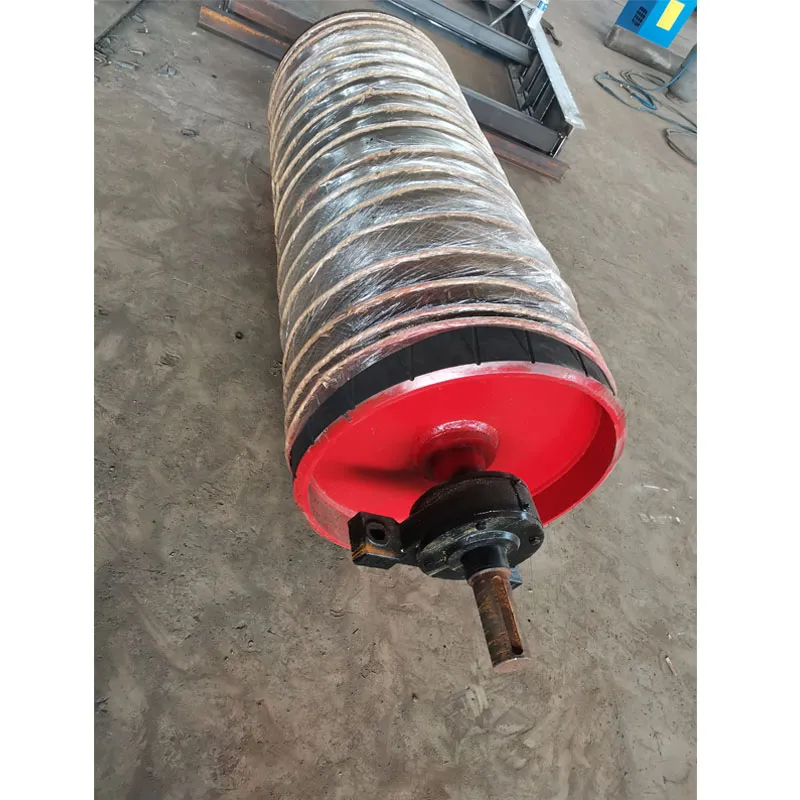
Product snapshot: Bend Conveyor Drum
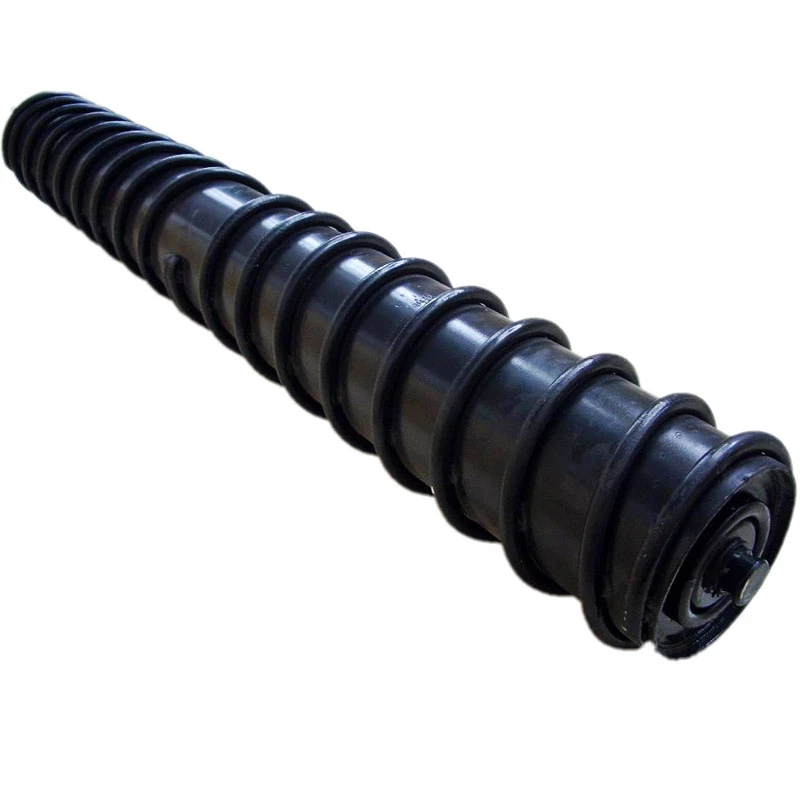
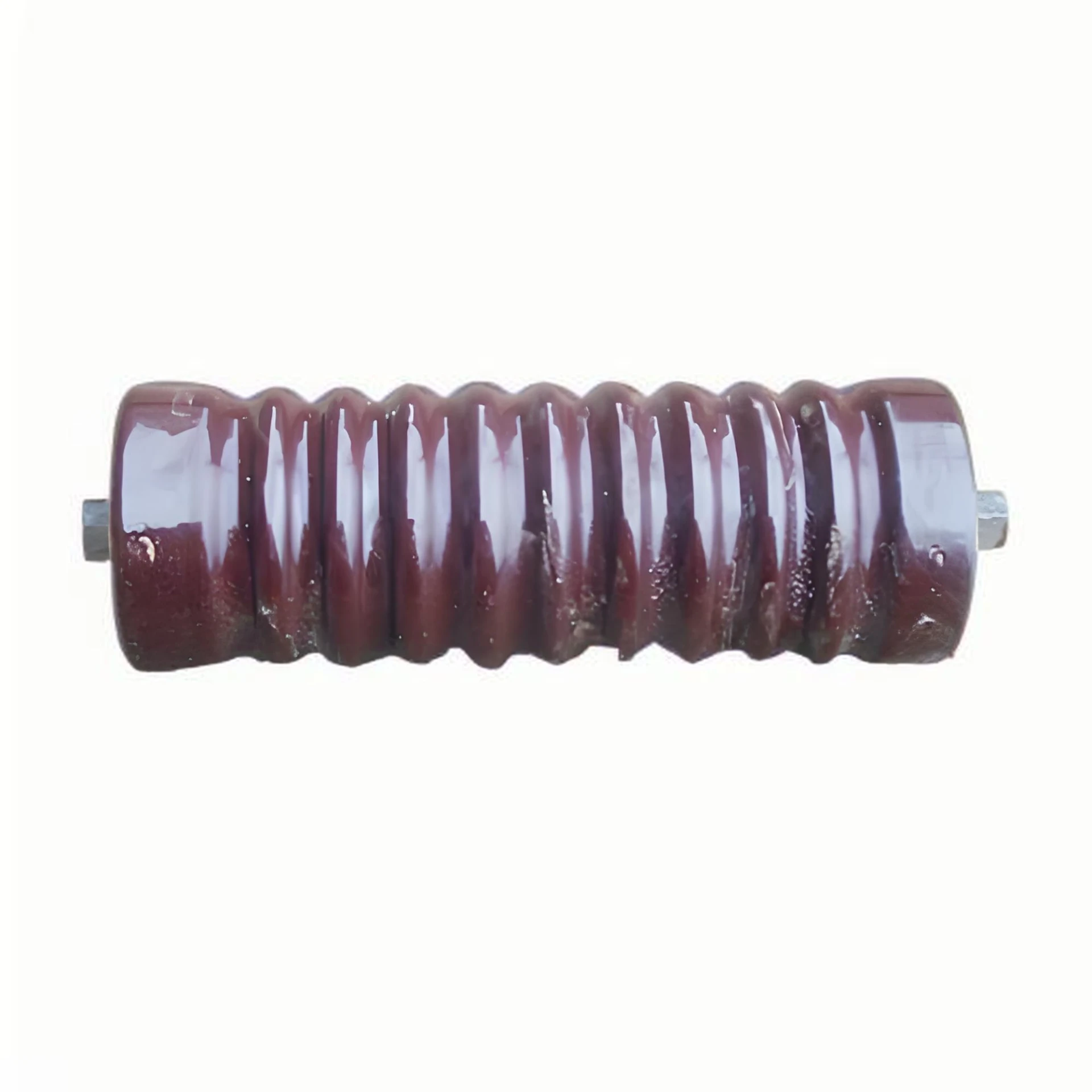
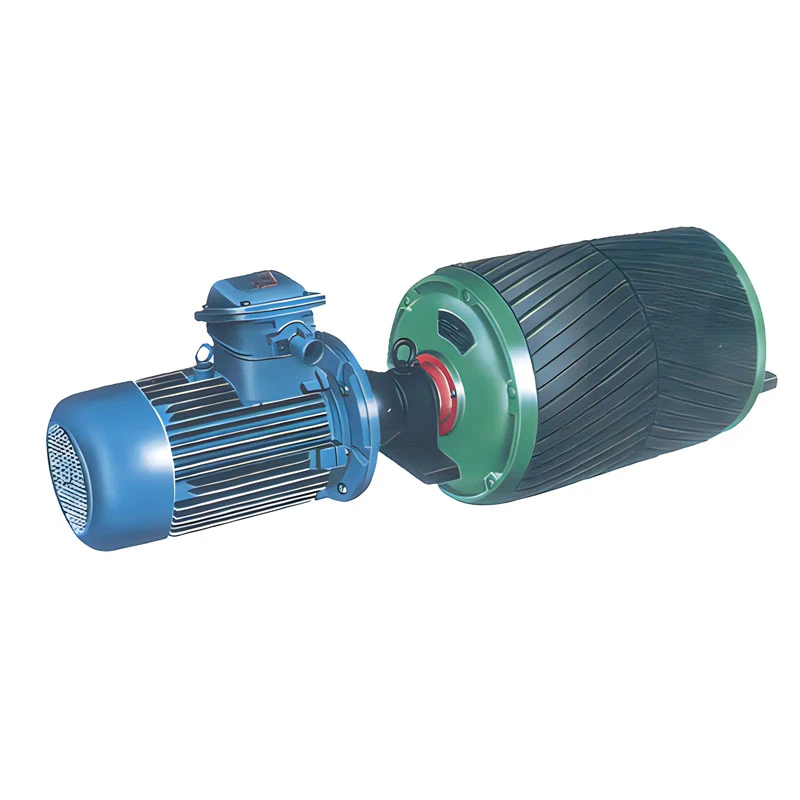
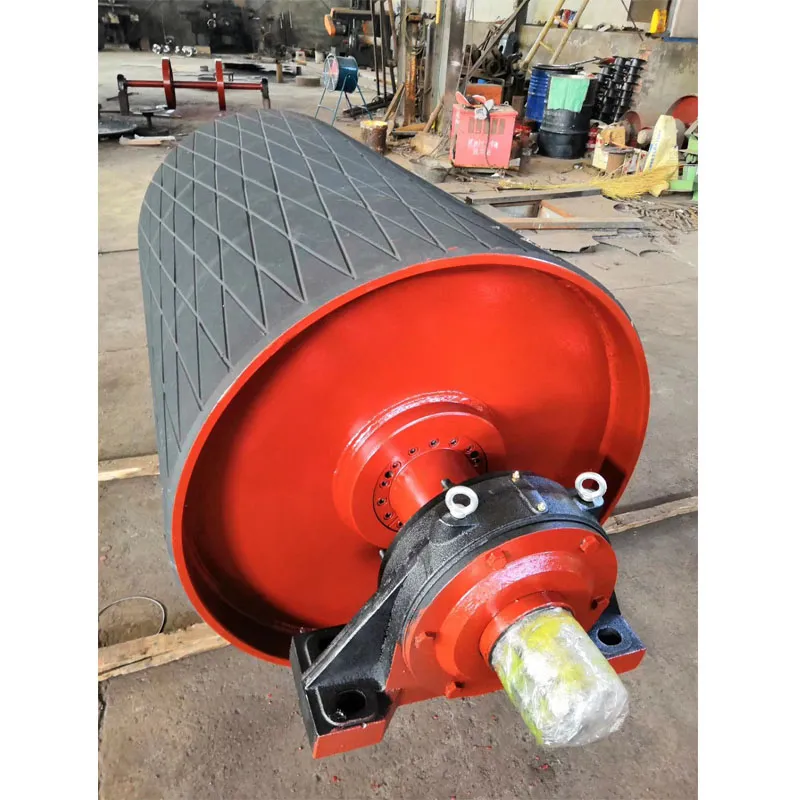
The drive pulley transmits power to the belt. Surface options: exposed smooth steel, or rubber-coated with herringbone (chevron) and diamond patterns for traction and water-shedding. Below is a real-world spec range—your mileage may vary, of course.
| Parameter | Typical Spec (≈) | Notes |
|---|---|---|
| Diameter | 220–1600 mm | Custom sizes available |
| Face width | 500–2200 mm | Match belt width + tracking margin |
| Shell material | Q235B / Q345 | Rolled and SAW welded |
| Shaft | 45# steel, keyed | Stress-relieved post-weld |
| Lagging | Smooth / Herringbone / Diamond | 8–20 mm; 60±5 Shore A |
| Balance grade | G6.3 (ISO 1940-1) | G2.5 optional for high speed |
| Runout | ≤0.3 mm TIR | Measured at face ends |
| Bearings | SKF/NSK or equivalent | Life per ISO 281 |
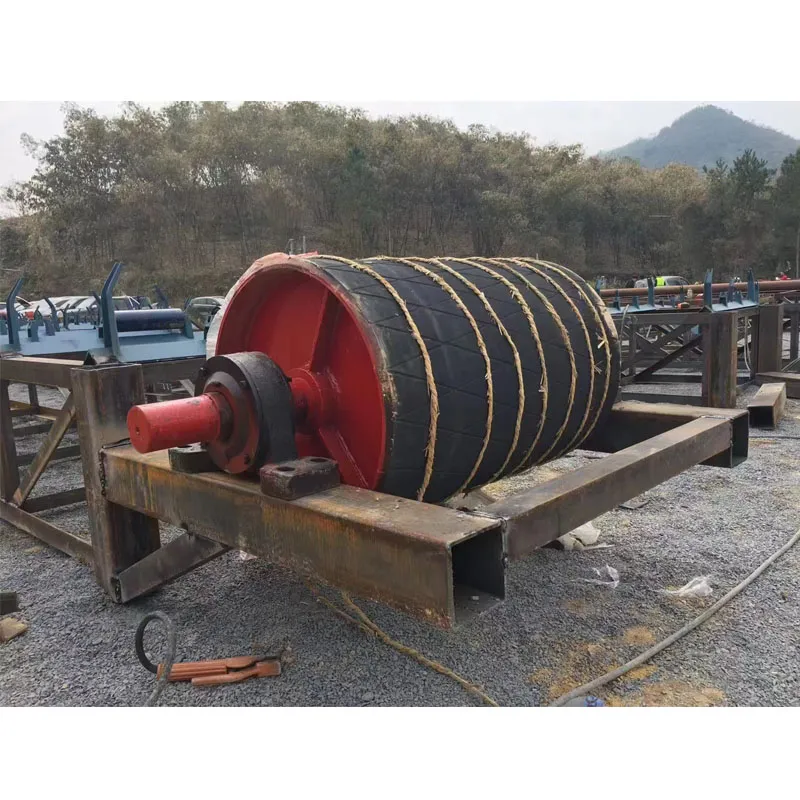
How it’s built: process and testing
- Materials: Q235B/Q345 shells, 45# shafts, rubber (NBR/EPDM based depending on duty).
- Methods: shell rolling, submerged-arc welding (per ISO 3834), precision machining, hot vulcanized lagging, dynamic balancing.
- Testing: weld UT/MPT (ISO 17640), runout and concentricity checks, rubber hardness and adhesion (ASTM D429), bearing life (ISO 281), balance per ISO 1940-1.
- Service life: around 30,000–50,000 hours in typical bulk-handling conditions—real-world use may vary with loading, alignment, and cleaning.
- Certs: ISO 9001; CE on request.
Where it works (and why users care)
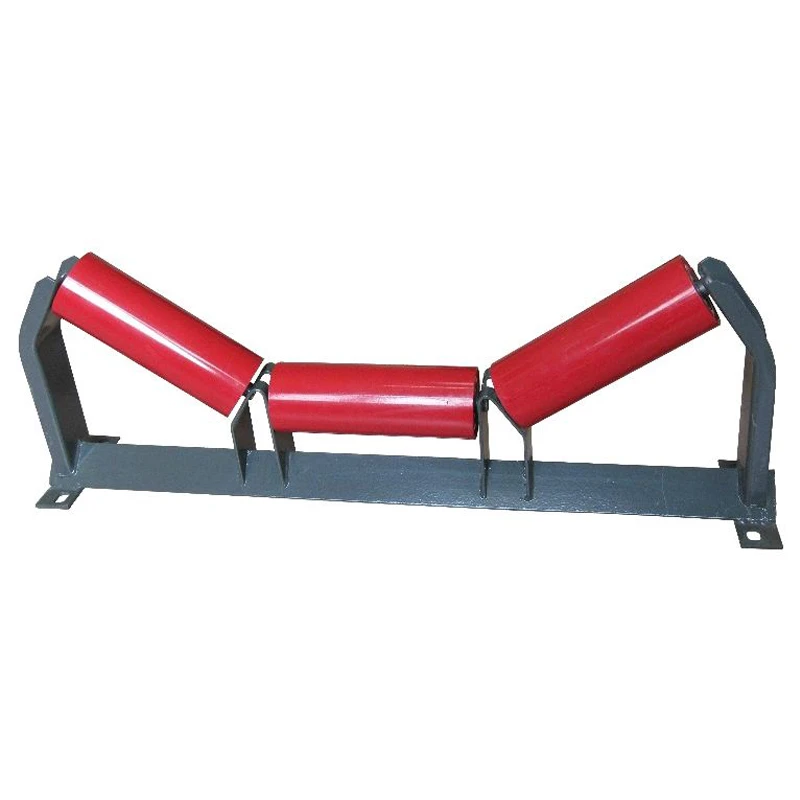
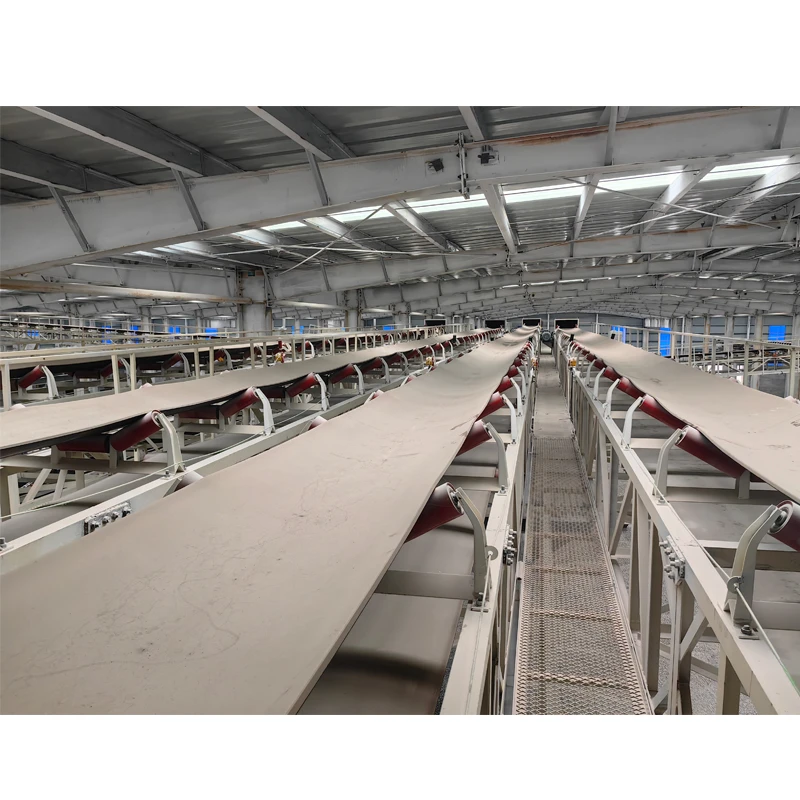
Mining, aggregates, cement, ports, steel, recycling—anywhere belts run long and heavy. Advantages? Better traction (especially with herringbone in wet conditions), reduced slip, and, surprisingly, a small bump in energy efficiency when balance is tight. One maintenance chief told me slip events dropped by ≈70% after switching to diamond lagging on a damp transfer point.
Vendor landscape: quick comparison
| Vendor | Core Strengths | Lead Time (≈) | Certs | Price Level |
|---|---|---|---|---|
| HG Bend Conveyor Drum | Custom sizes, robust lagging, traceable QA sheets | 15–30 days | ISO 9001, CE (on request) | Mid |
| Global OEM A | Global service, premium bearings | 25–45 days | ISO 9001/14001 | High |
| Regional Fabricator B | Fast rebuilds, local support | 7–20 days | Varies | Low–Mid |
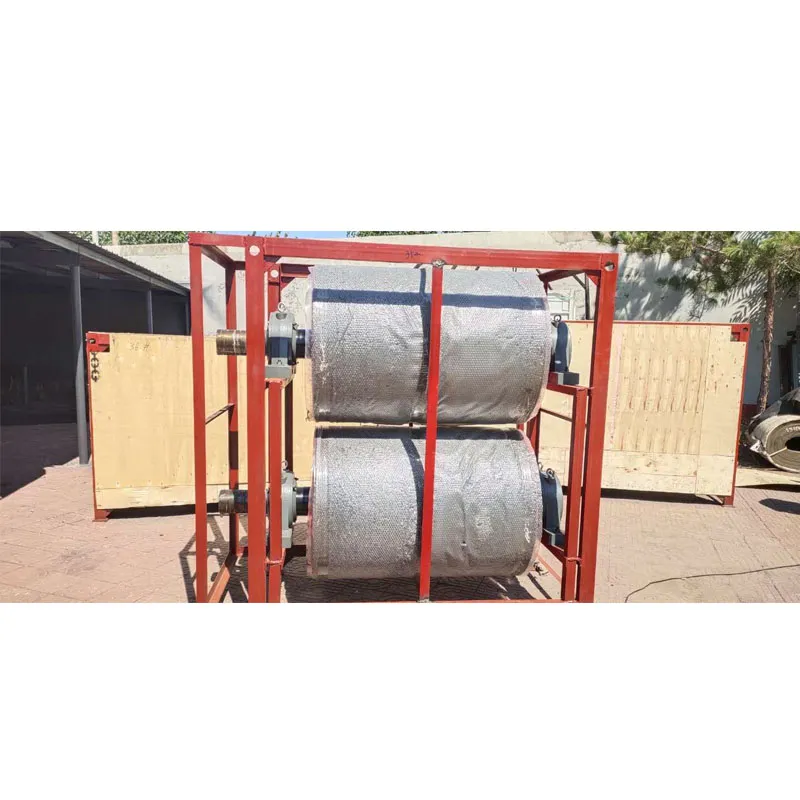
Customization and real-world notes
Options include ceramic tiles for high-slip drives, food-grade white rubber, and stainless shafts for corrosive plants. Grooving angle, lagging thickness, and keyway geometry can all be tailored. A conveyor roller manufacturer worth its salt will show you balance charts, adhesion test data, and runout measurements—not just promises.
Two quick case studies
- North China quarry: swapped to herringbone 12 mm lagging; slip alarms fell from weekly to monthly, belt wear improved visibly. Reported energy use down ≈4–6% after re-balancing to G6.3.
- Southeast Asia port: diamond-lagged drive drum on a humid shiploader; water shedding improved, start-up torque transfer more consistent, and bearing temperatures ran 3–5°C cooler.
Feedback trend? Buyers appreciate serviceability—easy bearing replacement, sealed end discs, and honest lead-time updates. To be honest, that last point saves more headaches than any fancy coating.
References
- CEMA: Belt Conveyors for Bulk Materials, 7th Edition.
- ISO 1940-1:2016 Mechanical vibration—Balance quality requirements for rotors.
- ISO 281:2007 Rolling bearings—Dynamic load ratings and rating life.
- DIN 22101:2011 Continuous conveyors—Belt conveyors for loose bulk materials.
- ASTM D429 Standard Test Methods for Rubber—Adhesion to Rigid Substrates.