A Field Note on Conveyor Buffer Roller Rubber Ring Performance
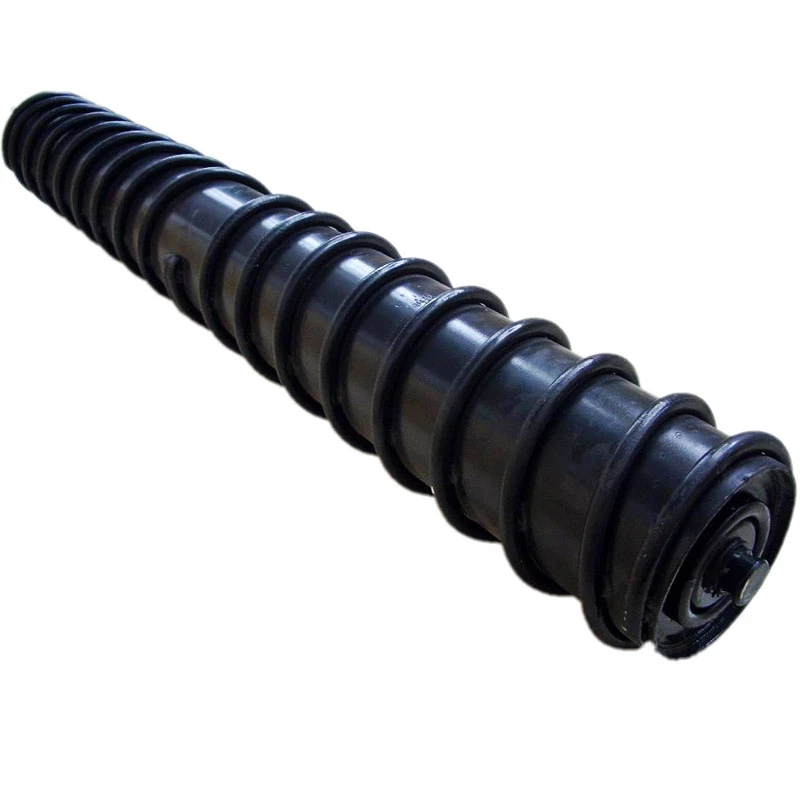
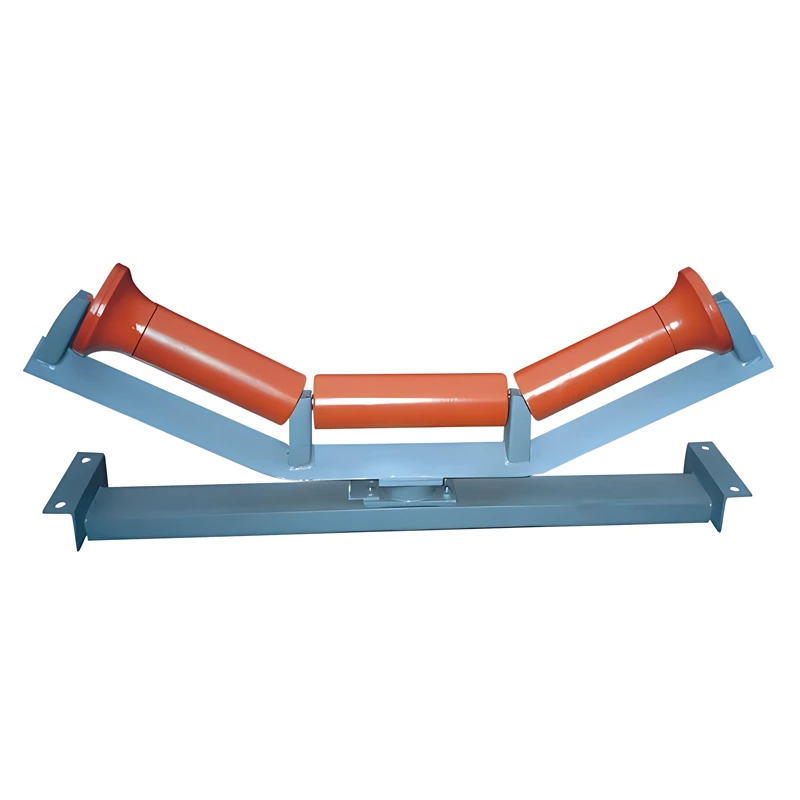
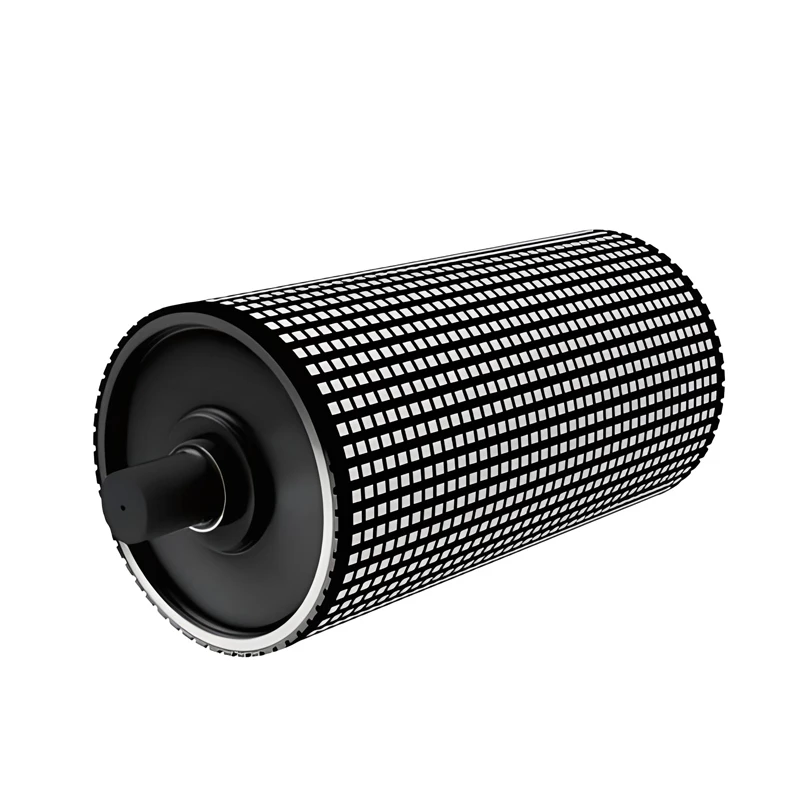
If you run bulk handling lines, you already know the loading zone can be brutal. Rubber buffer rings tame that first hit. In practice, they let the belt and impact idlers “sink” slightly, turning sharp impact into controlled deflection. The result: fewer belt gouges, quieter transfer points, and measurably longer idler life. Origin-wise, this model ships from Room1109, Building C, Tianshan Galaxy Plaza, No. 358 Yuhua East Road, Shijiazhuang High tech Zone, Hebei Province — a mouthful, yes, but also a hub for conveyor parts.
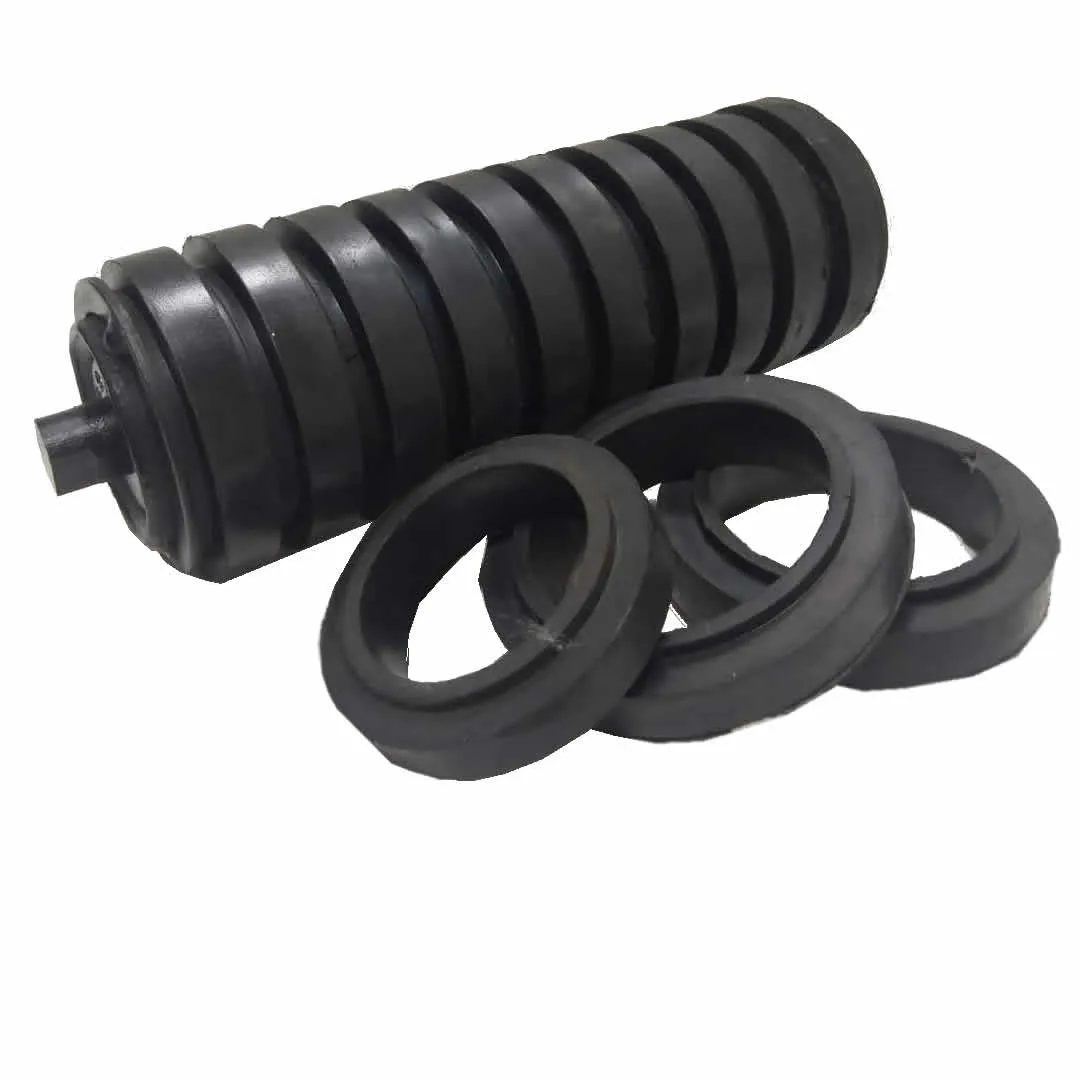
What’s trending (and why it matters)
Across quarries, ports, and cement plants, we’re seeing a steady shift toward higher-durometer rings in the center rollers and slightly softer rings at the edges — a simple tweak that spreads load and reduces edge wear. There’s also more EPDM use where ozone/UV exposure is high. To be honest, the quietness gain is underrated; many customers say night-shift noise complaints dropped immediately after swapping to rings with tighter hardness tolerances.
Product snapshot
Common sizes cover 60–164 mm ranges (outer diameter ≈), and yes, custom machining is routine. Below is a typical spec set; real-world use may vary with ore size, drop height, and belt speed.
| Material | NR/SBR blend; EPDM optional for ozone/UV; anti-static/flame-retardant compounds on request |
| Outer diameter (OD) | ≈ 60–164 mm (custom beyond this range available) |
| Inner diameter (ID) | Matched to roller shell sizes (e.g., 60/76/89/102/108 mm), press-fit |
| Hardness | 65 ±5 Shore A (center), 60 ±5 Shore A (edge) typical |
| Abrasion loss | ≤ 120 mm³ (ISO 4649, method A) typical |
| Temp range | -30 °C to +80 °C (intermittent +90 °C) |
| Color | Black, green, red (branding optional) |
| Service life | ≈ 12–36 months in loading zones; depends strongly on impact energy |
Where they shine
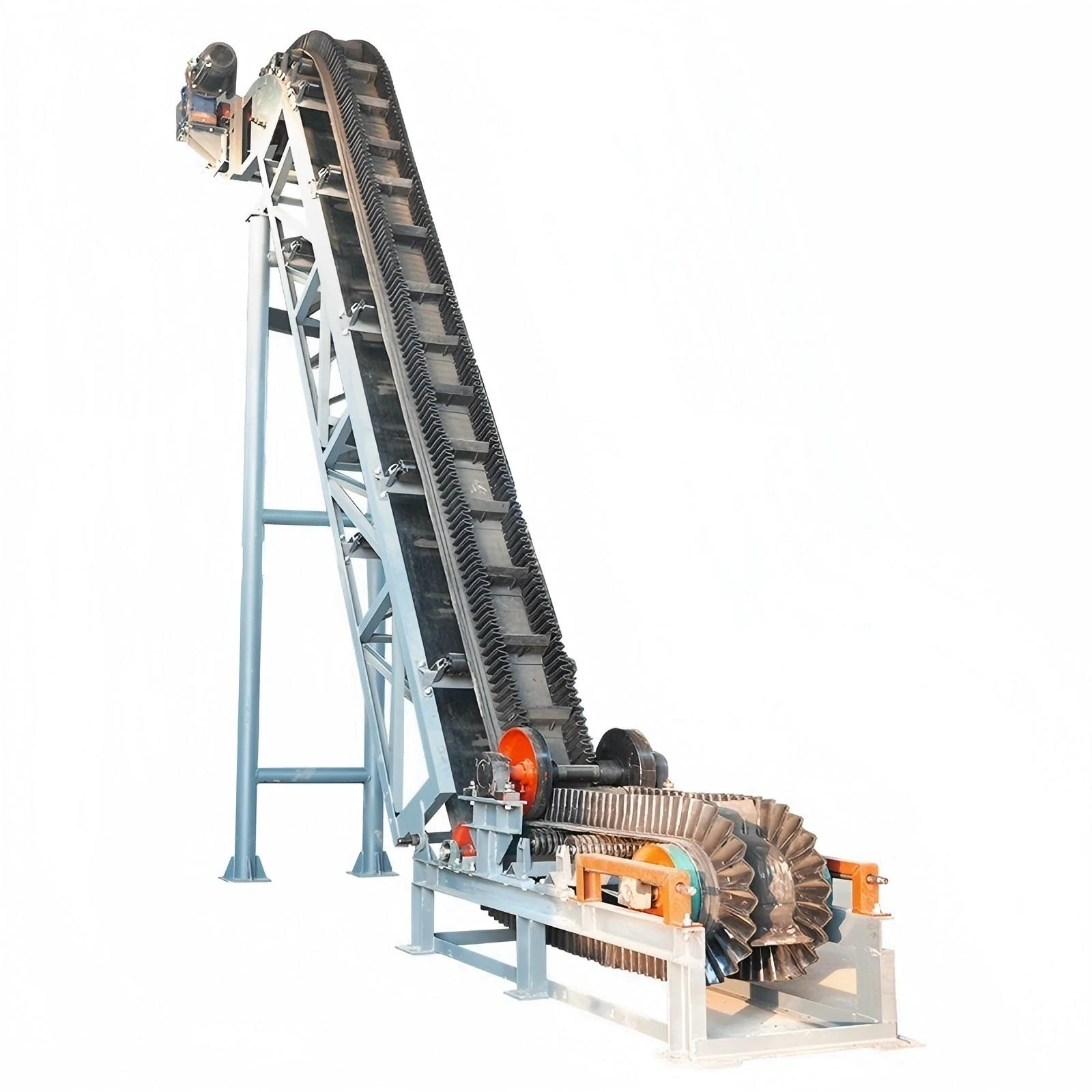
- Loading zones of belt conveyors (drop heights up to ≈2–3 m)
- Quarry, coal prep, iron ore, cement clinker, grain terminals, power plants
- Retrofits where steel rings were too harsh or noisy
Process flow and QC (how the sausage is made)
Compound mixing (NR/SBR or EPDM) → hot molding/vulcanization → post-cure → deburring → dimensional check (ISO 3302-1 M2/M3) → hardness test (ISO 48-4) → abrasion (ISO 4649) → tensile/elongation (ASTM D412) → ozone aging (ISO 1431-1) → ring mass/balance for smooth idler rotation (ISO 21940 guidance). Facilities typically run ISO 9001 systems; materials can be ordered to meet REACH PAHs limits if needed.
Customer feedback (informal but telling)
“Impact zone fines generation dropped about 15%.” “We cut idler replacement rounds by almost half.” Not lab-grade quotes, sure, yet they match our own site notes: better belt cover life and gentler starts.
Vendor landscape (quick compare)
| Vendor | Compound quality | Hardness tolerance | Customization lead time | Notes |
|---|---|---|---|---|
| HG Conveyor (Hebei) | NR/SBR, EPDM options | ±5 Shore A | ≈ 10–20 days | Good impact set; consistent OD |
| Generic Importer | SBR-heavy | ±8–10 Shore A | ≈ 25–35 days | Budget-friendly; variable finish |
| Local Fabricator | Depends on stock | ±6–8 Shore A | ≈ 7–14 days | Fast support; limited sizes |
Case story (short and real-world)
At a northern port iron ore berth, loading zone belts were scuffing weekly. After switching to Conveyor Buffer Roller Rubber Ring sets (mixed hardness layout), belt cover cuts fell by ~30% and the crew stretched idler service from 9 to ~18 months. Payback? About one quarter.
Ordering tips and customization
- Share material handled, drop height, and belt speed; it guides hardness and compound.
- Specify OD/ID, groove profile, and color coding for maintenance crews.
- Ask for test sheets: ISO 48-4 hardness, ISO 4649 abrasion, ozone aging results.
Standards and references