Understanding the Value of Conveyor Belt Second Hand for Sale
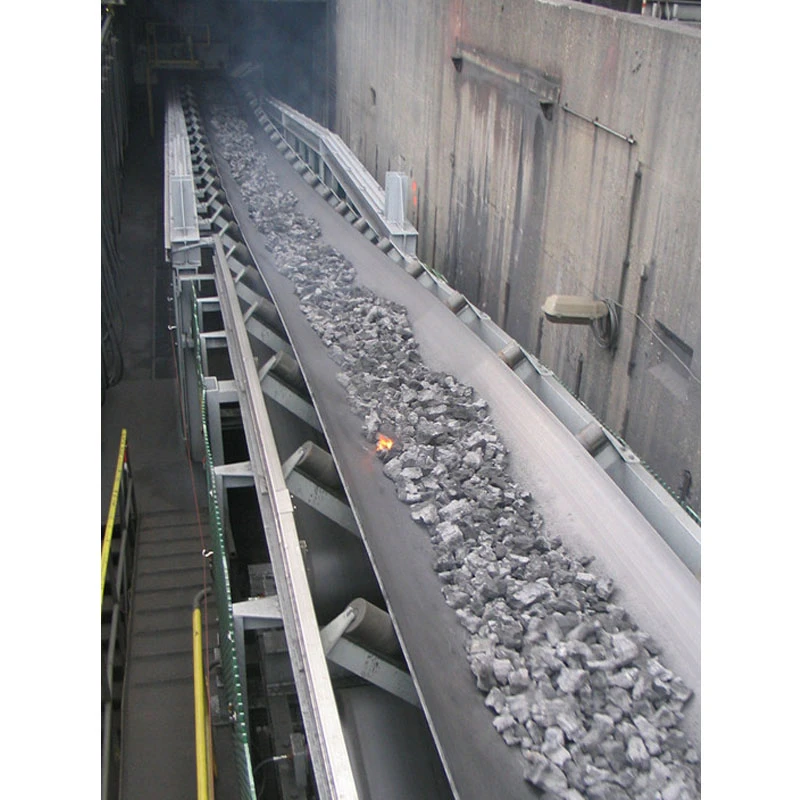
If you've ever wondered about sourcing conveyor belts without the sticker shock, you're not alone. The market for conveyor belt second hand for sale is a niche but growing segment, driven by industrial sectors that crave affordability and sustainability. Conveyor belts, essential in manufacturing, mining, food processing, and logistics, are costly but indispensable. Buying second hand often means balancing economy with performance — a challenge many industries face globally.
Why does this matter beyond just saving pocket change? Conveyor belts power the backbone of modern supply chains and production lines. Understanding the dynamics of second hand conveyor belts opens up possibilities for small and large businesses to operate sustainably and reliably, especially in regions with tight budgets or where circular economy principles are gaining ground.
Global Context: Why Are Second Hand Conveyor Belts Relevant Everywhere?
Conveyor systems are embedded in industries worldwide. According to the International Organization for Standardization (ISO), conveyor belts account for over 60% of materials handling solutions globally.[1] But the initial cost of brand new conveyor belts can cripple budgets, especially in developing markets or in fast-scaling companies.
Take mining in Africa or manufacturing hubs in Southeast Asia — they often need fast, reliable solutions without the luxury of new equipment price tags or lead times. The UN has highlighted the importance of sustainable industrialization in its Sustainable Development Goals (SDG 9), which indirectly supports the recycling and repurposing of industrial components like conveyor belts.[2]
Yet, the challenge remains: how to ensure that buying second hand does not mean compromising safety, quality, or long-term performance. This is where trusted vendors and technical insight become key players.
What Exactly Does ‘Conveyor Belt Second Hand for Sale’ Mean?
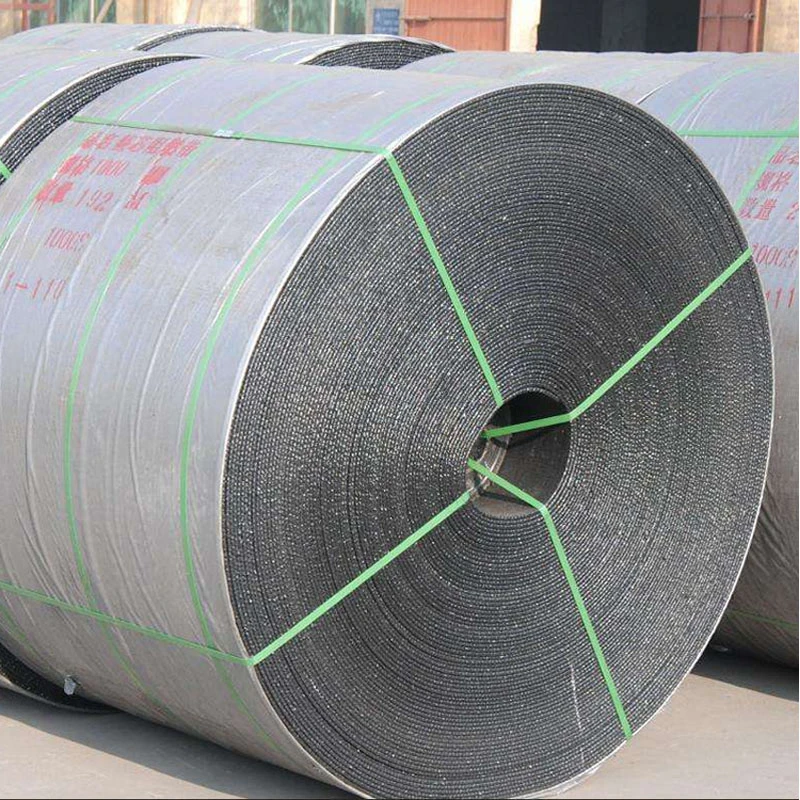
Simply put, a conveyor belt second hand for sale is a belt that has been previously owned, used, or installed, and then sold again — often after inspection, refurbishment, or cleaning. These belts can range from gently used models with minimal wear to end-of-life units repurposed for lighter-duty applications.
The concept is more than just moving used rubber strips around. In modern industry, it’s about extending an asset’s lifecycle, reducing waste, and making sure that materials handling systems stay operational without a full new investment. For humanitarian efforts or startups setting up small production lines, second hand belts can literally be a lifeline.
Durability: What Lasts and What Doesn’t
Not all used belts are created equal. A belt’s durability depends on its original material, maintenance history, and how hard it has been worked. Natural rubber and PVC belts, for example, wear differently under abrasive loads versus smooth bulk materials.
Cost Efficiency: Stretching Your Dollar
Second hand belts can reduce acquisition costs by 40–70% compared to new belts, but you have to factor in potential refurbishment or compatibility changes. Organizations savvy in cost management often combine these savings with longer-term maintenance plans.
Scalability: Flexible Options for Different Needs
Because you’re often buying on a used market, there’s a wide range of sizes, materials, and types available—making it easier to pick something tailored to your exact process. This flexibility helps when scaling production or quickly replacing worn parts without waiting for custom manufacturing.
Environmental Impact: Closing the Loop
By opting for second hand belts, companies reduce rubber waste and the energy footprint linked to the production of new belts. In an age where industrial sustainability is no longer optional, this is no small benefit.
How Are Used Conveyor Belts Applied Globally?
In real-world practice, second hand conveyor belts have found homes in places you'd sometimes least expect:
- Mining sites in South America: Where belts moved ore and gravel, many have been recycled for light-duty roles or replaced with second hand belts during expansion to avoid shutdowns.
- Disaster relief and rebuilding operations: Temporary conveyor setups often use second hand belts to move debris or supplies quickly and cost-effectively in places like Southeast Asia after typhoons.
- Small-scale manufacturing in Eastern Europe and Africa: Second hand belts help budding industrial zones manage costs while gradually upgrading infrastructure.
It’s kind of like giving industrial gear a second life — with benefits both practical and economic.
Product Specification Table
| Specification | Typical New Belt | Second Hand Belt |
|---|---|---|
| Material | Rubber, PVC, PU | Rubber, PVC (refurbished) |
| Width Range | 300mm - 2000mm+ | Varies, often 400mm - 1500mm |
| Thickness | 5mm - 20mm | Slightly worn, 4mm - 18mm |
| Load Capacity | Up to 15 tons/meter | Typically 60–85% of new capacity |
| Price | $150 - $300 per meter | $50 - $120 per meter |
Benefits and Long-Term Value to Industry
Let’s be frank: buying second hand conveyor belts is an act of trust. But if done thoughtfully, it yields strong rewards. Cost savings let smaller companies compete or grow while lowering upfront capital expenses. Environmentally, repurposing belts cuts down waste and raw material usage, supporting circular economy goals. It’s also a social win — extending the life of existing resources means efficiency is maximized, jobs are sustained, and safety is upheld with proper inspection.
Emotionally, there’s something satisfying about getting solid value without waste. Many plant managers I’ve spoken to talk about the “peace of mind” in knowing you avoided a major equipment replacement bill just by finding a reliable second hand option that met specs.
Emerging Trends and Innovations in Second Hand Conveyor Belts
The future is oddly bright for this sector:
- Digital inspection tools: Infrared and ultrasound technologies are increasingly used to assess belt integrity non-destructively.
- Eco-friendly materials: Newer belts incorporate biodegradable components, even some second hand belts are recycled into mats or other products.
- Automation and retrofitting: Combining second hand belts with smart monitoring systems for predictive maintenance.
In time, we may even see “certified pre-owned” conveyor belts with warranties — similar to what the automotive industry perfected.
Common Challenges and How They’re Overcome
The biggest hurdle? The variability in quality and history. Unlike brand new belts, you often don’t get full documentation on wear patterns or past repairs. This uncertainty raises risk.
Experts suggest a two-pronged approach: thorough vendor vetting and investing in professional inspections upon arrival. Some companies even install trial runs before full integration.
Vendor Comparison at a Glance
| Vendor | Inspection Services | Warranty Offered | Price Range (per meter) | Global Shipping |
|---|---|---|---|---|
| HG Conveyor | Full technical assessment | 6 months limited | $70 - $120 | Available |
| Global Belting Co. | Visual inspection only | None | $50 - $90 | Limited regions |
| EcoBelt Reusers | Full testing + certification | 12 months | $90 - $130 | Worldwide |
FAQ: Your Questions on Conveyor Belt Second Hand for Sale
- How can I be sure a second hand conveyor belt is safe to use?
- Always buy from reputable vendors who provide detailed inspection reports or certifications. Also, consider getting an independent inspection before installation to check wear, vulcanization quality, and material integrity.
- Is there a significant difference in lifespan between new and used belts?
- Generally, a good quality second hand belt will have a reduced lifespan—often 60–85% compared to a new belt—depending on prior use and maintenance. However, this can be acceptable when balanced with upfront cost savings.
- Can I find second hand conveyor belts suitable for food or pharmaceutical industries?
- Yes, but it’s trickier. These industries require belts with food-grade materials and excellent hygiene. Some vendors specialize in sanitized or lightly used belts specifically for such sectors.
- Where can I find conveyor belt second hand for sale online?
- There are specialized marketplaces and vendors with online listings, including conveyor belt second hand for sale platforms, offering a range of belts vetted for quality and price.
Wrapping Up: Why Conveyor Belt Second Hand for Sale Is Worth Considering
In a world where industrial efficiency and sustainability walk hand in hand, the availability of used conveyor belts — from trustworthy sources — offers a way to do both without major compromise. Whether you're a scrappy startup or a large mining concern, second hand belts can provide practical savings, lower environmental impact, and flexible options.
Interested in exploring your options? Visit https://www.hgconveyorbelt.com — they have wide selections, detailed inspections, and global shipping to help get your operations moving without costing a fortune.
After all, sometimes the best innovation is simply making what's already there work just a little harder.
References
- International Organization for Standardization (ISO), “Materials handling — Conveyor belts standards,” ISO 2003.
- United Nations, Sustainable Development Goals, Goal 9: Industry, Innovation and Infrastructure.
- World Bank, “Industry and manufacturing statistics,” 2022 Edition.