Understanding 2nd Hand Conveyor Belts: Why They Matter More Than You Think
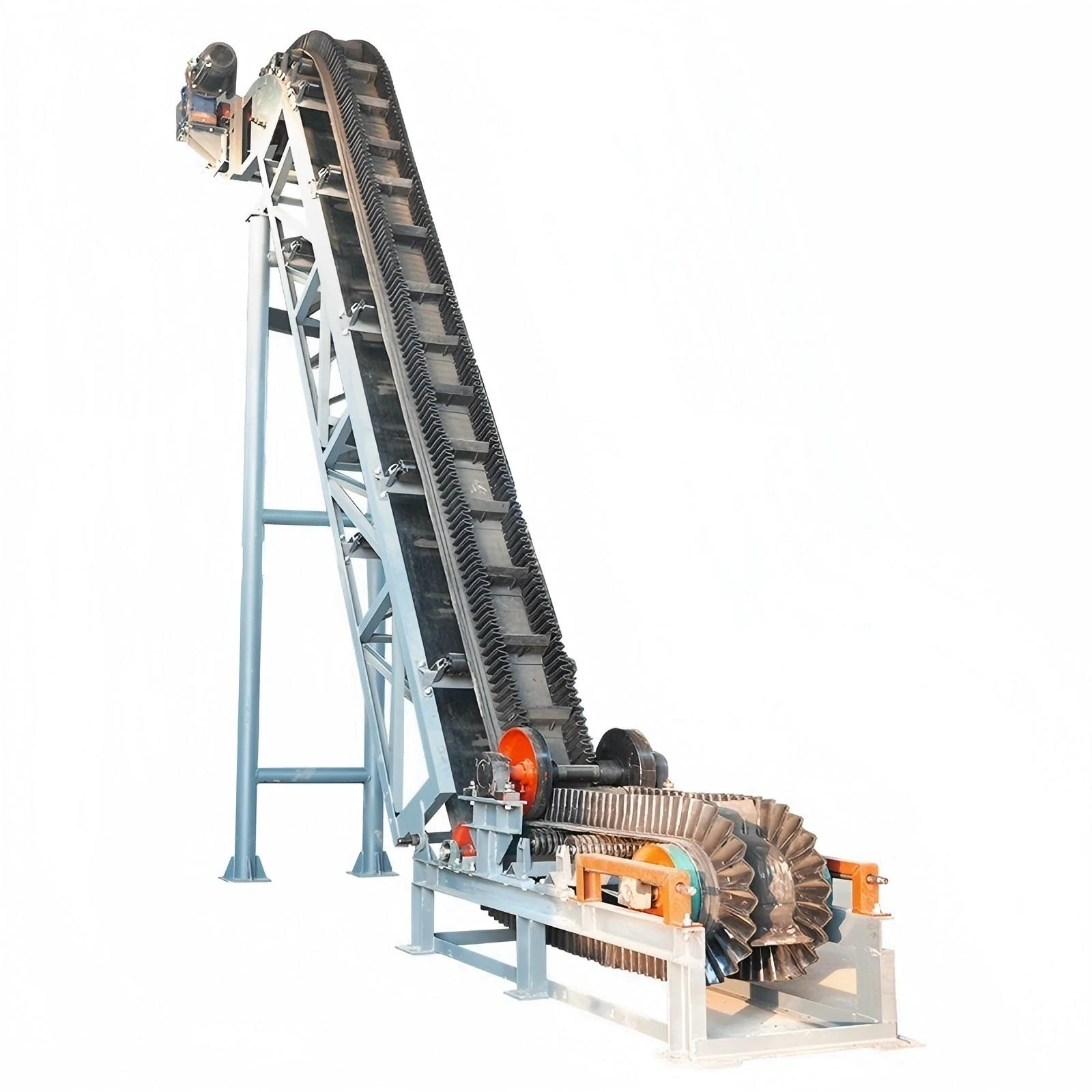
Conveyor belts are the silent workhorses across industries worldwide. But when it comes to 2nd hand conveyor belt for sale, the conversation picks up extra layers. It’s not just about cost savings anymore. It’s about sustainability, supply chain resilience, and practical reuse — especially in emerging markets and resource-challenged environments. Whether you’re running a mining operation in Chile, a warehouse in Germany, or an aid distribution center in post-disaster zones, knowing where to find reliable used conveyor belts can be a game changer.
Globally, the logistics and mining sectors alone depend on conveyor belts to move millions of tons of materials daily. According to recent studies from the International Organization for Standardization (ISO), conveyor belt demand is expected to grow 4–6% annually. But new belts can strain budgets and create waste. Enter the 2nd hand conveyor belt market, which is quietly expanding to meet both economic and environmental needs.
The Global Challenge: Cost, Waste, and Industrial Growth
Worldwide infrastructure expansion and industrial modernization means conveyor belts are everywhere — in factories, ports, and agricultural processing facilities. Yet, replacing or upgrading belts can be costly and time-consuming. According to the World Bank, industrial equipment downtime costs billions every year, often due to maintenance or belt failure.
At the same time, the environmental footprint of discarded conveyor belts is significant. These belts, typically made from synthetic rubber and steel cords, don’t biodegrade easily. The recycling options, while improving, still lag behind usage rates. So, the ability to source dependable 2nd hand conveyor belts for sale addresses two key issues: cost reduction for buyers and reducing waste for the planet.
What Exactly Is a 2nd Hand Conveyor Belt?
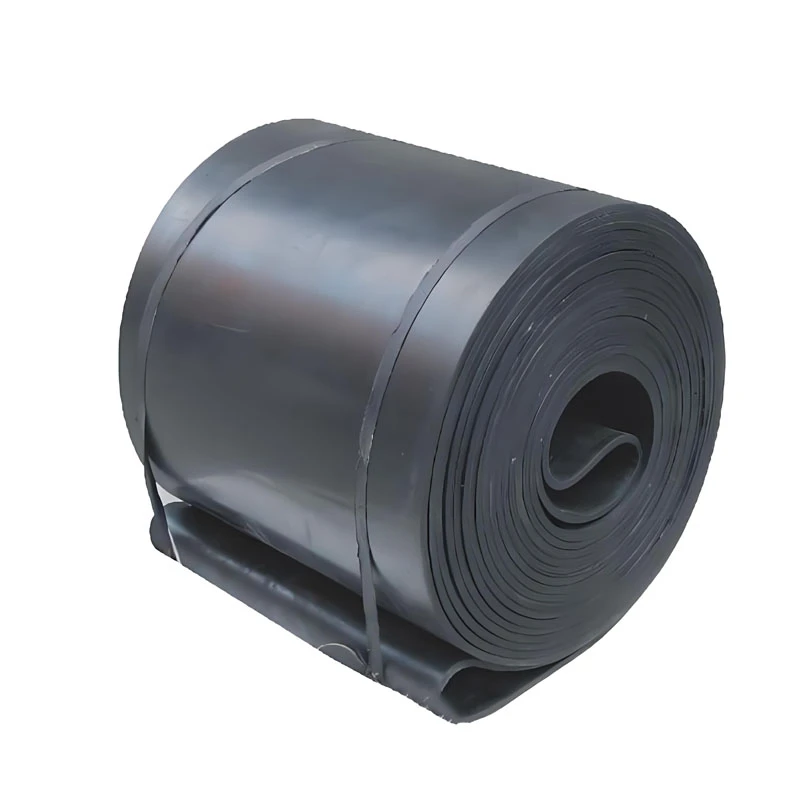
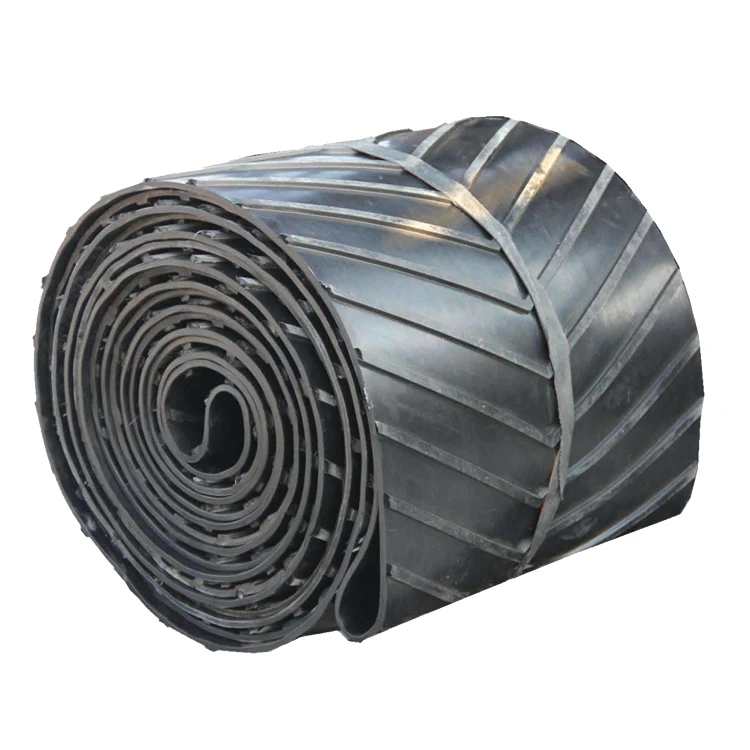
Simply put, a 2nd hand conveyor belt for sale refers to a used but serviceable conveyor belt that has previously been installed and operated in an industrial setting. These belts are inspected, sometimes refurbished, and resold instead of being scrapped.
They serve as a practical resource in industries where belt failure can slow or halt operations entirely. Suppliers often grade belts according to remaining life, condition, and thickness, giving potential buyers realistic expectations. They fit snugly into the "circular economy" model — keeping durable products in use rather than landfilled.
Core Components to Consider When Buying a Used Conveyor Belt
Durability & Remaining Service Life
Probably the biggest question customers ask is: "How long will this belt last?" Many vendors provide a remaining service life estimate, often based on thickness and visual inspections for cracks or damage. Brands like Habasit or Fenner Dunlop make belts known for longevity, but wear patterns vary by environment.
Material Composition & Strength
Conveyor belts are usually constructed from layers: rubber covers, polyester or nylon carcasses, sometimes with steel cords for high tensile strength. A 2nd hand belt’s original specs matter because they dictate what loads and speeds it can handle — vital to avoid mishaps or safety concerns.
Custom Widths and Lengths
Unlike new belts tailored exactly, used belts come in off-the-shelf dimensions. The good news? Many suppliers can cut and splice to fit your conveyor dimensions, but it may add time and cost.
Cost Efficiency Compared to New Belts
Here’s the kicker: 2nd hand belts can cost anywhere from 30–60% less than new equivalents. That’s often too tempting for smaller operations or projects with tight budgets. But remember — what you save upfront might sometimes cost extra in refitting or sooner replacement.
Certification & Quality Assurance
Responsible sellers inspect and certify their used belts for safety compliance. ISO 9001 standards and adherence to industry norms play an important role here. You wouldn’t want a belt with hidden damages to cause an accident halfway through your production run.
Environmental Impact
Opting for 2nd hand belts significantly reduces raw material consumption and waste generation, aligning procurement with global sustainability goals like those outlined by the United Nations Environment Programme (UNEP).
Mini Takeaway:
When considering a secondhand conveyor belt, focus not just on price but also durability, material specs, fit, certification, and sustainability impact — these factors define real value.
Global Applications: Who Uses These Belts and Why?
Across continents and industries, 2nd hand conveyor belts find eager users. In mining-heavy regions like Australia and Canada, worn belts from one site frequently find second lives elsewhere — often in smaller plants or emerging market projects.
In humanitarian logistics, conveyor belts are surprisingly vital. For instance, post-disaster aid hubs in Southeast Asia deploy secondhand belts to facilitate rapid cargo sorting and distribution, speeding relief efforts where budgets are limited but timing is critical.
Agricultural exporters in Africa similarly rely on affordable used belts to upgrade grain handling facilities, keeping them competitive without investment delays.
Advantages & Long-Term Value of Buying Used Conveyor Belts
- Cost Savings: Purchasers save tens of thousands, sometimes more, enabling capital reallocation.
- Sustainability: Reuse significantly lowers natural resource extraction, aligns with circular economy principles.
- Speed: Used belts can sometimes ship sooner than custom new orders, decreasing downtime.
- Social Impact: Saves jobs by making industrial upgrades feasible in developing regions.
- Safety & Trust: Established vendors offer warranties and technical support.
Product Specification Table: Sample 2nd Hand Conveyor Belt
| Specification | Details |
|---|---|
| Material | Nitrile Rubber with Polyester Carcass |
| Width | 1000 mm (can be cut to fit) |
| Length | Up to 50 meters |
| Tensile Strength | 350 N/mm |
| Remaining Thickness | ~4 mm (original 6 mm) |
| Estimated Remaining Life | 12 - 18 months (depending on usage) |
Vendor Comparison: Popular Suppliers of 2nd Hand Conveyor Belts
| Supplier | Geographical Reach | Warranty | Refurbishment Service | Typical Lead Time |
|---|---|---|---|---|
| Global Conveyor Supply | Worldwide | 6 months | Yes (on demand) | 2–4 weeks |
| Eco Belt Solutions | Europe, Asia | 3 months | Yes, including full inspection | 1–3 weeks |
| Second Life Conveyors | North America | No formal warranty | Basic visual checks only | Immediate availability |
Looking Ahead: Trends and Innovations In Secondhand Conveyor Belts
The conveyor belt industry isn’t standing still — not by a long shot. Digitization is woven into the future with IoT-enabled belt monitoring offering real-time wear tracking. Imagine a used belt with embedded sensors signaling early wear signs, extending its service life intelligently.
Material advances are also exciting. Biodegradable rubber compounds and recyclable steel carcasses are emerging. So, 2nd hand belts of the future might actually be “greener” than current new belts — who would’ve thought?
Likewise, policies encouraging circular procurement in government tenders may boost demand for refurbished equipment, conveyor belts included. The emphasis on sustainability is reshaping how industries view used components — less compromise, more opportunity.
Common Challenges and How the Industry is Tackling Them
Of course, it’s not all roses. Some buyers are rightly wary about the variability in belt conditions, potential hidden damage, or compatibility with their specific equipment.
Industry experts recommend thorough inspections including ultrasonic testing, and purchasing from certified vendors. Some companies now offer trial periods or extended warranties — a much-needed boost in buyer confidence.
Then there’s logistics; many used belts need careful handling to avoid folds or cracks during shipping. Custom packaging solutions and on-site technical assistance have become industry staples.
FAQ: Your Questions About 2nd Hand Conveyor Belts Answered
Q1: How do I know if a secondhand conveyor belt is safe to use?
Safety hinges on thorough inspections, either visual or with non-destructive testing. Certified vendors usually check belts for cracks, tears, and corrosion. Verify the belt’s remaining thickness and inquire about its documented service history before purchase.
Q2: Can used conveyor belts be customized to fit my specific machines?
Yes, most vendors offer cutting and splicing services. However, this can add to lead times and costs. It’s best to measure your conveyor accurately beforehand and consult the supplier about modification capabilities.
Q3: What industries benefit the most from purchasing used belts?
Mining, agriculture, recycling plants, ports, and humanitarian logistics are major consumers. These sectors value cost-effectiveness and often deal with rough operational environments where belt failure can halt entire processes.
Q4: How long can a used conveyor belt realistically last?
Depending on prior usage, material quality, and maintenance, used belts can last anywhere from 12 to 36 months. Heavy-load or abrasive environments may shorten lifespan. Always consult vendors’ life estimations but be prepared for variability.
Q5: Is buying a used conveyor belt truly more sustainable than new?
Absolutely. Reusing belts reduces raw material consumption, lowers manufacturing emissions, and cuts down landfill waste. It fits into global sustainability goals championed by organizations like UNEP and ISO.
Wrapping It Up: Why 2nd Hand Conveyor Belts Are Worth Your Consideration
Looking at the long game, investing in 2nd hand conveyor belt for sale isn’t just a budget hack — it’s a savvy move toward sustainability and supply chain robustness. The industry is evolving, with better certifications, refurbishment tech, and digital enhancements making used belts a more trustworthy choice.
Whether you manage a large-scale industrial operation or oversee logistics in a budget-constrained environment, used conveyor belts offer practical, economic, and environmental benefits. Curious to see what’s available? Visit our website: 2nd hand conveyor belt for sale and explore a range of vetted options.