Understanding the Global Relevance of Second Hand Conveyor Belt for Sale
Conveyor belts silently power much of the global economy—from mining to logistics and everything in between. But have you ever stopped to wonder what happens when these critical components reach the end of their initial lifecycle? Enter the market for second hand conveyor belt for sale. This niche might sound straightforward, but its implications tap into environmental sustainability, operational cost-savings, and even humanitarian logistics. Globally, industries are increasingly embracing reused conveyor belts as a pragmatic solution to reduce waste, optimize budgets, and maintain continuous operations—especially where budgets are tight or supply chains disrupted.
According to the International Organization for Standardization (ISO), sustainable practices in manufacturing and operations are driving a 12% annual increase in demand for refurbished industrial equipment worldwide. What’s fascinating is how second hand conveyor belts fit snugly into this trend—leveraging existing assets to maximize utility and minimize environmental footprint.
Before diving deeper, it’s worth noting: many industries face supply chain challenges intensified by recent global events. The option to turn to pre-owned conveyor belts often solves immediate operational bottlenecks without compromising reliability. So, if you’re wondering whether to browse a second hand conveyor belt for sale offering, you've got good company.
What Exactly Is a Second Hand Conveyor Belt for Sale?
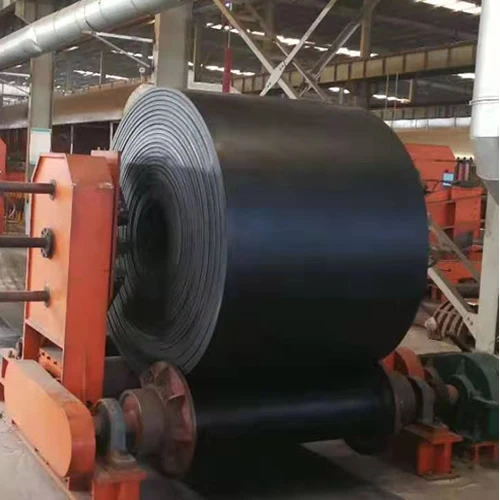
In simple terms, a second hand conveyor belt for sale is a previously used belt that has been inspected, refurbished, and reconditioned for resale. While technically “used,” these belts are often restored to have many hours of reliable service left.
Typically, these belts come from industries where conveyor systems have been upgraded or decommissioned, such as mining companies moving to newer technology, or factories altering their production lines. By purchasing a second hand belt, businesses can acquire high-quality belts without incurring the full cost of brand-new materials.
Beyond industrial cost efficiency, these belts have a humanitarian angle too. NGOs and disaster relief operations sometimes rely on second hand conveyor belts to set up temporary logistics hubs or to process materials swiftly without waiting for new equipment. So, they’re kind of the unsung heroes in both industry and aid.
Key Components of Second Hand Conveyor Belts
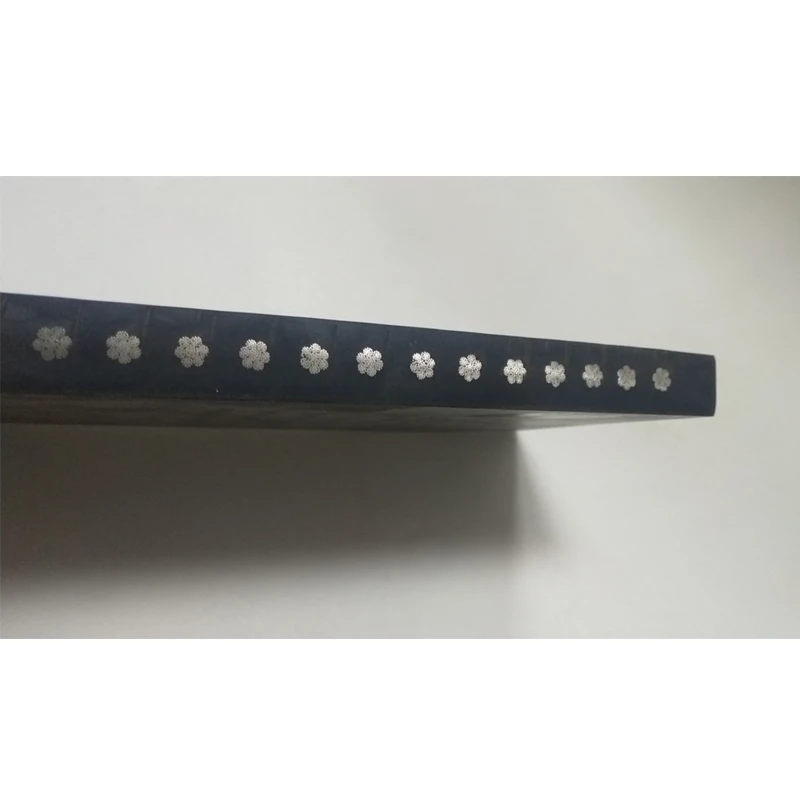
- Base Fabric: The core structural layer, often polyester, nylon, or cotton, dictates flexibility and strength.
- Cover Layers: These rubber or synthetic layers protect the belt from wear, impacting durability.
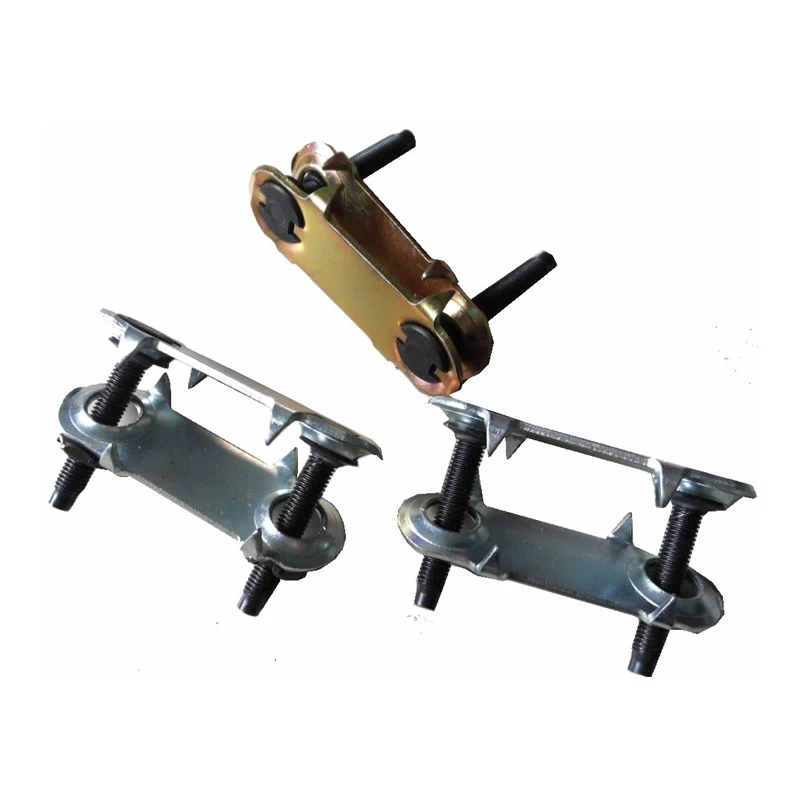
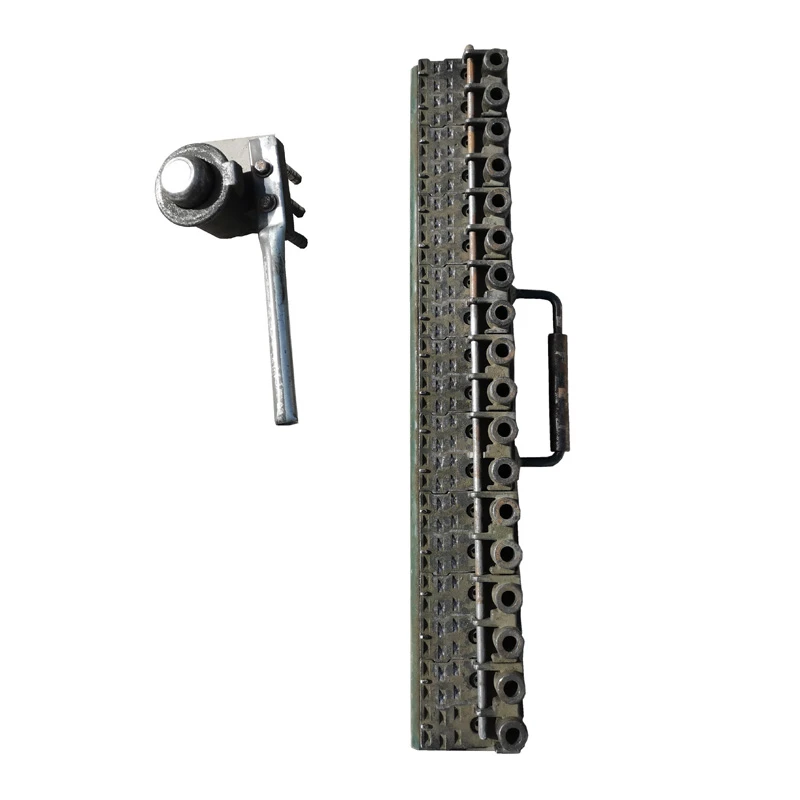
- Splices and Fasteners: Critical joints determining ease of installation and maintenance.
- Resistance Properties: Including abrasion, oil, heat, or flame resistance depending on the belt type.
Core Qualities of Second Hand Conveyor Belts: What Really Matters?
Durability
Second hand belts are evaluated for remaining useful life. For many, a belt with 50-70% of life left can be perfect. The key is thorough inspection to detect hidden damages, such as delaminations or micro-tears.
Cost Efficiency
Buying second hand can cut costs by 40-60%. For smaller factories or projects, this margin can be a lifeline that maintains competitiveness without sacrificing equipment quality.
Environmental Sustainability
Every belt reused means less rubber and textile waste in landfills, and less raw material consumption. It's a circular economy model in action.
Scalability and Availability
Unlike new belts which can require waiting months, second hand belts often are ready stock. This matters for rapid deployment projects.
Customization and Compatibility
Many second hand suppliers trim or splice belts to customer needs, providing flexible solutions similar to brand-new options.
Quality Assurance
Reputable vendors conduct rigorous tests—tensile strength, elongation, and resistance tests—to ensure safety and reliability.
Typical Product Specifications of a Quality Second Hand Conveyor Belt
| Specification | Details |
|---|---|
| Material | Nylon or Polyester fabric with synthetic rubber cover |
| Width | 600 mm to 2000 mm (custom sizes often available) |
| Thickness | 6 mm to 25 mm, depending on application |
| Tensile Strength | Up to 2000 N/mm (new equivalent) |
| Service Life Remaining | Typically 50% to 80%, certified by inspection |
| Resistance Features | Abrasion, oil, heat (up to 130°C), flame resistant options available |
How Different Vendors Stack Up: A Quick Comparison
| Supplier | Typical Price Range (per meter) | Inspection & Certification | Customization Options | Shipping & Lead Time |
|---|---|---|---|---|
| HG Conveyor Belts | $12 - $18 | Full testing & ISO-compliant inspection | Cut-to-size, splice types available | 2–4 days worldwide |
| EcoBelt Solutions | $10 - $15 | Basic visual & tensile tests | Limited sizes, mostly standard | 7–10 days |
| Global Belt Traders | $14 - $20 | Comprehensive third-party certified testing | Custom splicing & reinforced options | 5–7 days |
Real-World Applications: Where Second Hand Conveyor Belts Shine
In practical terms, second hand conveyor belts find a home in a variety of demanding environments:
- Mining Operations: Mining companies moving to new technologies often sell used belts in excellent condition—perfect for smaller or startup mines.
- Recycling Centers: These facilities are leading examples of circular economy, and second hand belts fit naturally into their ethos.
- Post-Disaster Relief: Rapid setup of supply chains in disaster zones requires fast, cost-effective materials transport—and second hand belts often fill that role.
- Remote Industrial Sites: Places where logistics and delivery are slow rely on stored second hand conveyor belts to ensure minimal downtime.
For example, after the 2019 cyclone hit Southeast Asia, many small logistics hubs used refurbished conveyor systems outfitted with second hand belts to quickly repurpose damaged facilities. It’s not glamorous, but it’s crucial.
The Many Advantages of Purchasing Second Hand Conveyor Belts
- Cost Savings: Slashes initial expenses.
- Environmental Impact: Reduces waste and supports sustainable industry practices.
- Rapid Availability: Minimizes downtime during urgent replacements.
- Reliability: When properly tested, delivers performance comparable to new belts.
- Social Responsibility: Helps industries meet stricter environmental standards and contributes to community goodwill.
In my experience, people often underestimate how much “used” doesn’t mean “bad.” There’s pride in extending the life of these essential components and helping the planet at the same time. And for those running tight operations, it’s simply good business.
The Horizon: Innovations in Second Hand Conveyor Belt Industry
The future’s not just about selling old belts—it’s about smarter refurbishment and digital tracking. Some pioneers are introducing traceability chips into belts to monitor wear in real time. Others apply rejuvenation treatments with advanced polymers to extend life further.
Plus, with rising green energy adoption, many conveyor systems move toward lower friction belts and compatibility with renewable power sources. Such trends trickle down to after-market second hand sales—improving efficiency across the board.
Facing Challenges Head-On
Of course, it’s not all smooth. The biggest hurdle tends to be quality variability. Not all second hand belts are created equal—some come with undisclosed damages or short remaining lifespans.
To overcome that, buyers should insist on vendors who perform certified inspections and provide warranty-like assurances. Online marketplaces with thorough reviews and technical consultation can also reduce risk.
Frequently Asked Questions About Second Hand Conveyor Belt for Sale
- Q: How can I be sure a second hand conveyor belt is safe to use?
- A: Trusted vendors provide detailed inspection reports including tensile strength, wear, and resistance tests. Request certification before purchasing.
- Q: What industries make the most use of second hand conveyor belts?
- A: Mining, recycling, agriculture, and disaster relief sectors frequently rely on them for cost-effective, rapid deployment solutions.
- Q: How long does a second hand conveyor belt typically last?
- A: Depending on condition and maintenance, many can function reliably for 3–7 years after refurbishment.
- Q: Are customized sizes available for used conveyor belts?
- A: Yes, many suppliers will cut and splice belts to your specification, much like new orders.
- Q: Can ordering a second hand belt internationally affect delivery time?
- A: It varies by supplier, but many vendors offer expedited shipping given the immediacy often needed for replacement belts.
Wrapping Up: Why Second Hand Conveyor Belts Deserve More Attention
To summarize, the second hand conveyor belt for sale market may lack flashiness, but it carries a lot of weight—both literally and figuratively. It’s a sector that supports cost savings, environmental care, and operational agility worldwide. For companies and organizations serious about sustainability and efficiency, exploring this option makes genuine sense.
So, if you’re in the market or just curious, I suggest visiting our detailed listings and getting a firsthand sense of what’s available. Trust me, once you understand the value and the options, you might never think about conveyor belts quite the same way again.
References: