Thinking of upgrading your return side? Here’s how to buy conveyor rollers the smart way
If you’re currently hunting where to buy conveyor rollers, especially return (parallel) rollers, you’re not alone. Plants everywhere are tightening uptime targets and, frankly, the quiet heroes keeping belts running are the rollers you rarely notice—until they squeal. I’ve walked enough quarries and recycling lines to know: good return rollers are a surprisingly cheap insurance policy.
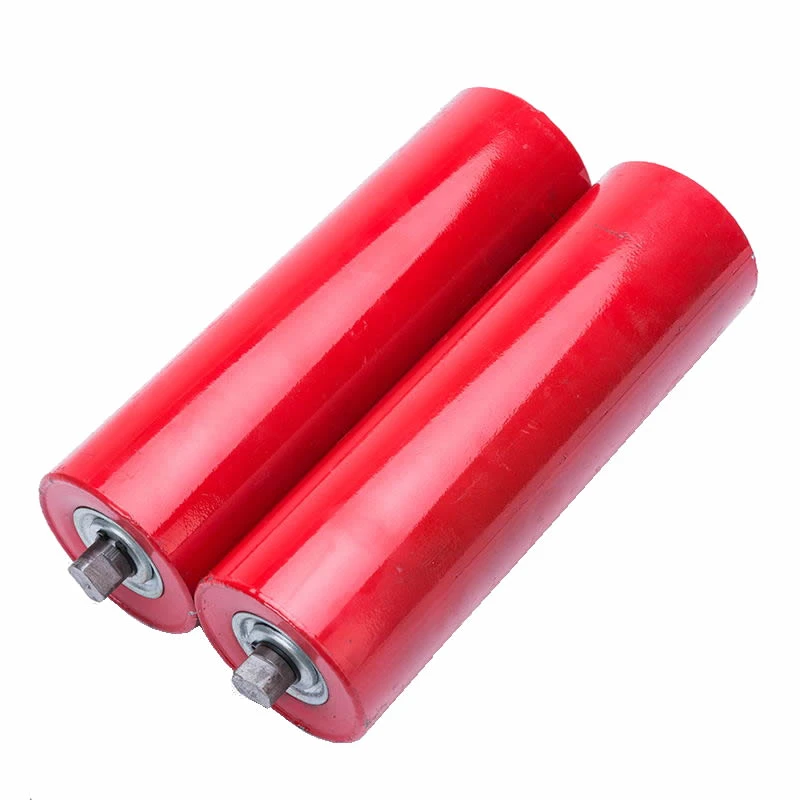
Product snapshot: Conveyor With Parallel Return Rollers
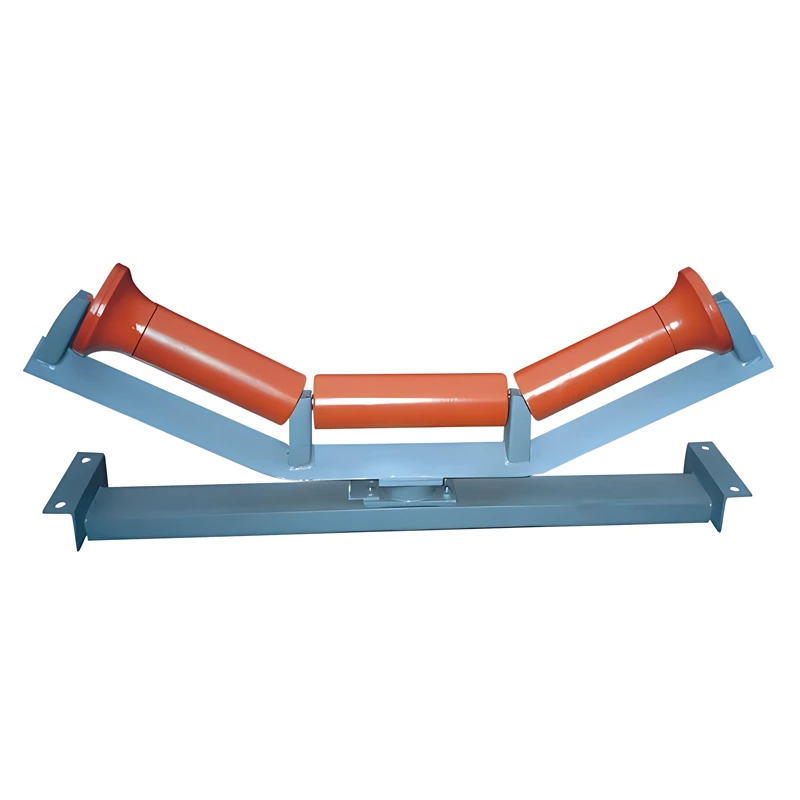
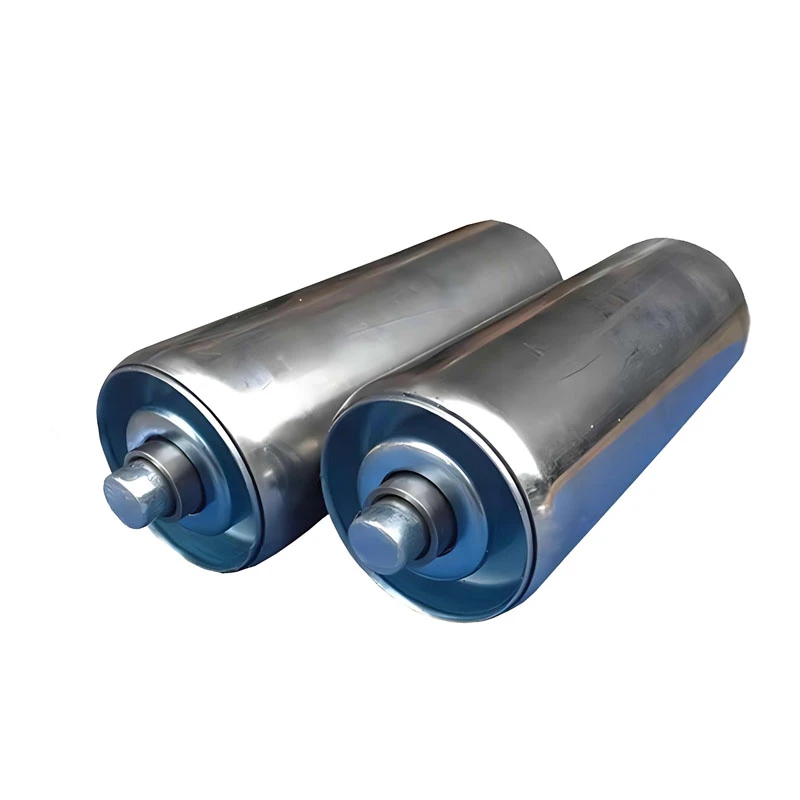
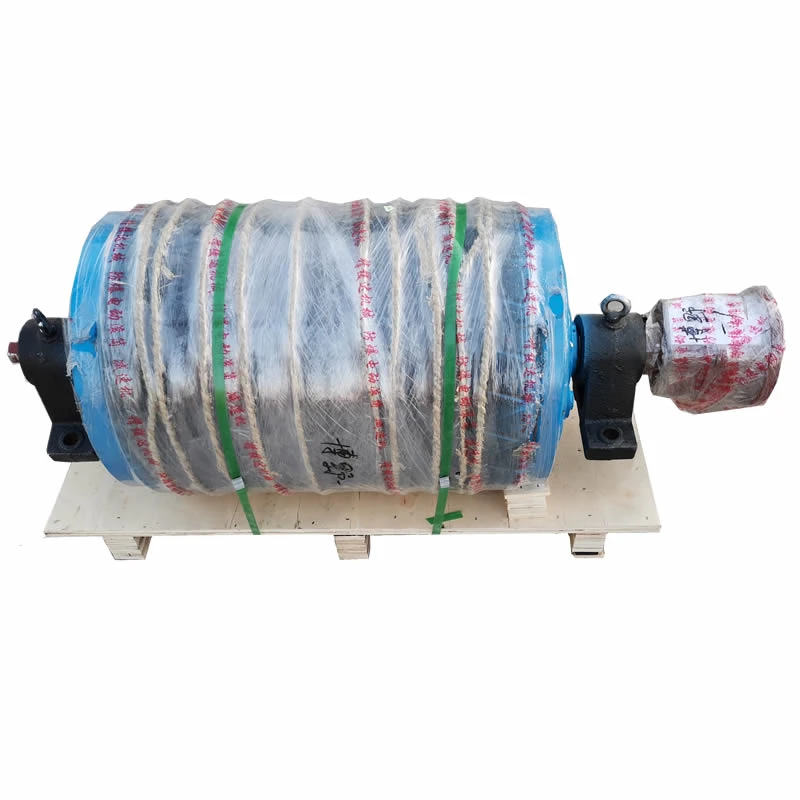
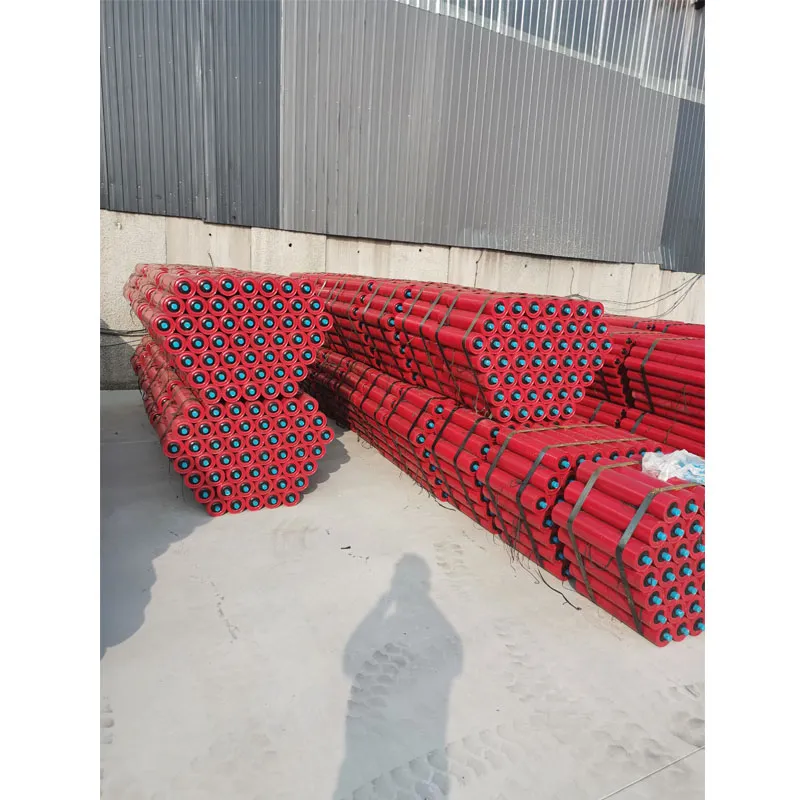
HG’s return rollers (origin: Room1109, Building C, Tianshan Galaxy Plaza, No. 358 Yuhua East Road, Shijiazhuang High Tech Zone, Hebei Province) are designed to support the unloaded belt on the return strand, keeping circulation smooth and stable. In practice, that means less belt flap, less spillage, and fewer stoppages. Many customers say noise drops right away after swap-in—small thing, big morale win.
| Parameter | Spec (≈ real-world) |
|---|---|
| Roller diameter | Ø89–159 mm |
| Length | 300–2200 mm |
| Shaft | 20–40 mm, 45# steel |
| Bearings | 6204/6205 2RS, ISO 281 L10 ≥ 30–50k h |
| Sealing | Multi-labyrinth + contact seal |
| Runout (TIR) | ≤ 0.7 mm (typical) |
| Balance | ISO 1940-1 G40 (return duty) |
| Finish | Powder coat or galvanized |
| Temp range | ≈ -20°C to +80°C |
| Standards | CEMA classes, ISO practices |
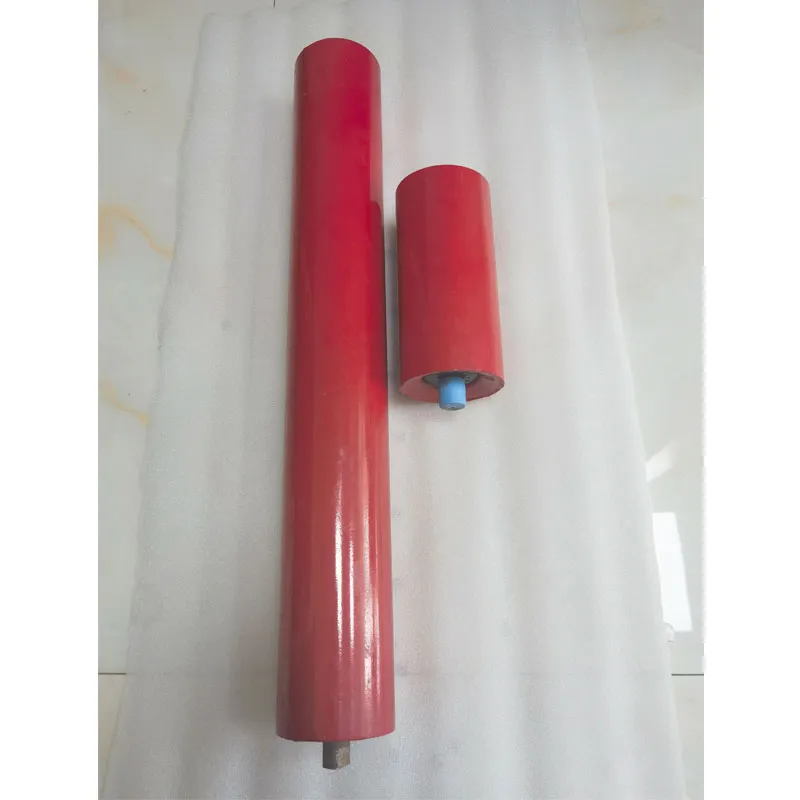
How they’re built (short version)
- Materials: Q235B/S235JR steel tube, 45# steel shaft, low-noise deep-groove bearings, NLGI-2 grease.
- Methods: automated press-fit, CO2 welding, precision machining for journal tolerance.
- Surface: powder coat or zinc—salt-spray tested ≈ 72 h to ASTM B117.
- Testing: runout gauge, noise at 600 rpm, dynamic balance to ISO 1940-1, seal ingress checks (IP-like rig).
- Service life: often 3–5 years in clean duty; harsher lines vary (abrasives change everything).
- Industries: mining, aggregates, cement, ports, grain, recycling, power plants.
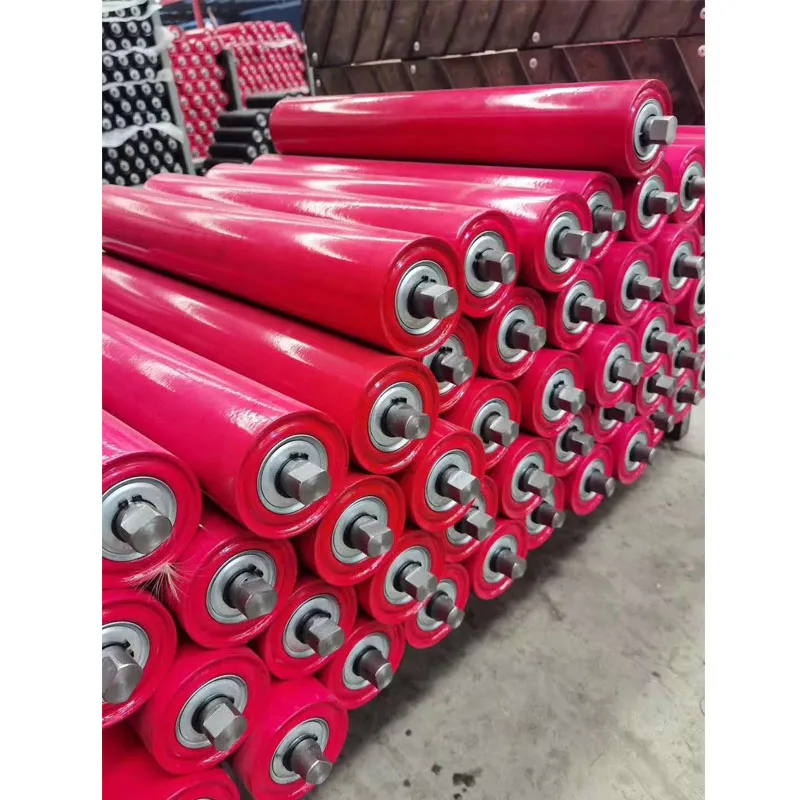
Where they shine
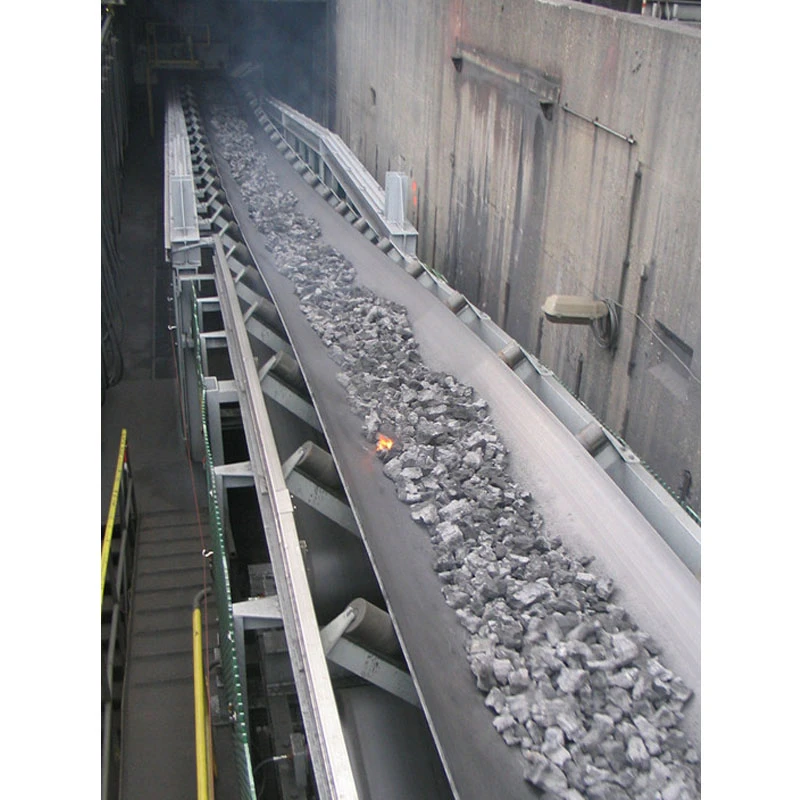
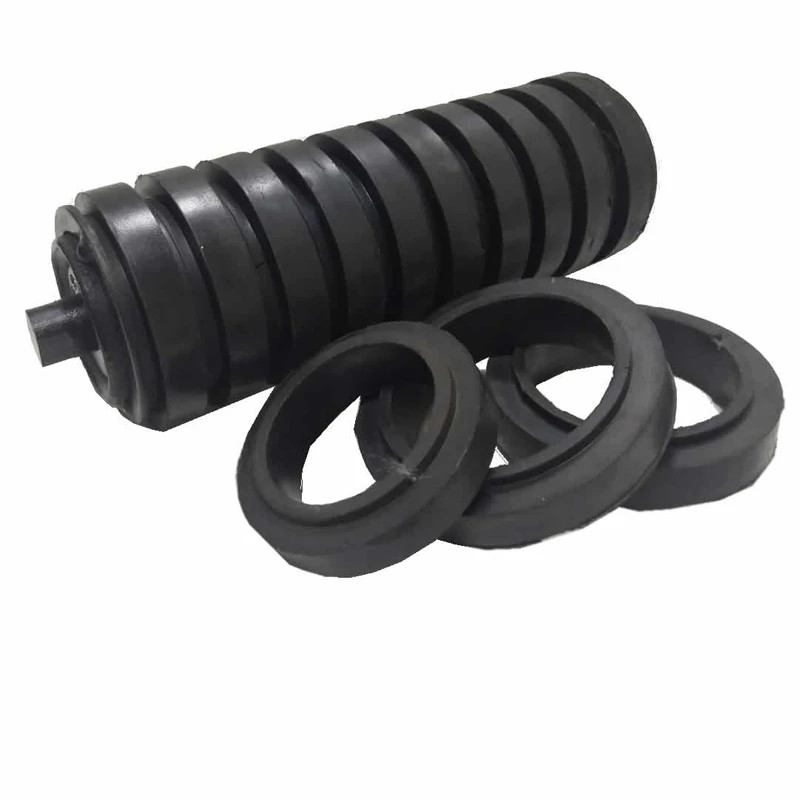
Return runs with belt widths 500–1800 mm, moderate speeds, and lines chasing lower noise and cleaner tracking. Add rubber discs on sticky applications to shed carryback. For corrosive air, galvanizing pays for itself (I guess faster than you’d expect).
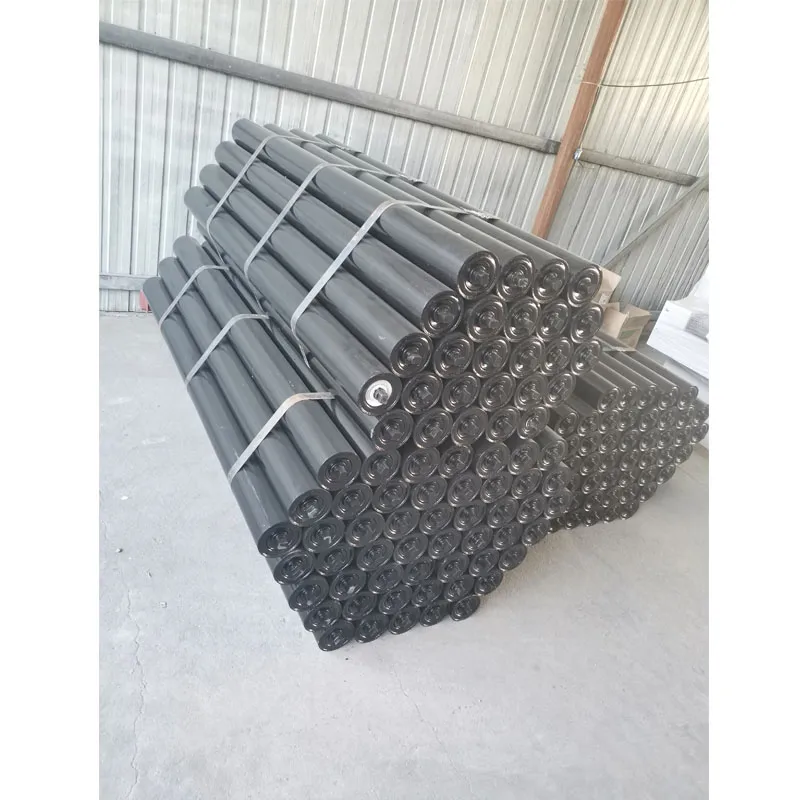
Vendor landscape (quick comparison)
| Vendor | Strengths | Lead time | Certs | Price (≈) |
|---|---|---|---|---|
| HG Conveyor (China) | Strong customization, solid sealing, competitive MOQs | 2–4 weeks | ISO 9001, material certs | $–$$ |
| Rulmeca (EU) | Premium build, broad global stock | Stock–6 weeks | ISO 9001 | $$$ |
| PROK (AU) | Mining-grade options, tough coatings | 3–6 weeks | ISO 9001 | $$–$$$ |
Real-world note
A Hebei aggregate plant swapped 120 return rollers during a planned stop. Result: ≈ 7 dB noise reduction and fewer belt flap alarms in windy weather. Maintenance lead told me, “unexpectedly quiet—operators noticed first.” Not a lab test, sure, but it tracks with what I’ve seen.
Buying checklist
- Belt width and speed, plus environment (dust, moisture, chemicals).
- Target runout and balance grade; ask for test reports.
- Seal type and grease; verify bearing brand and ISO 281 life.
- Coating choice: powder vs. zinc; request ASTM B117 data.
- Spare stock strategy—rollers are cheap downtime insurance.
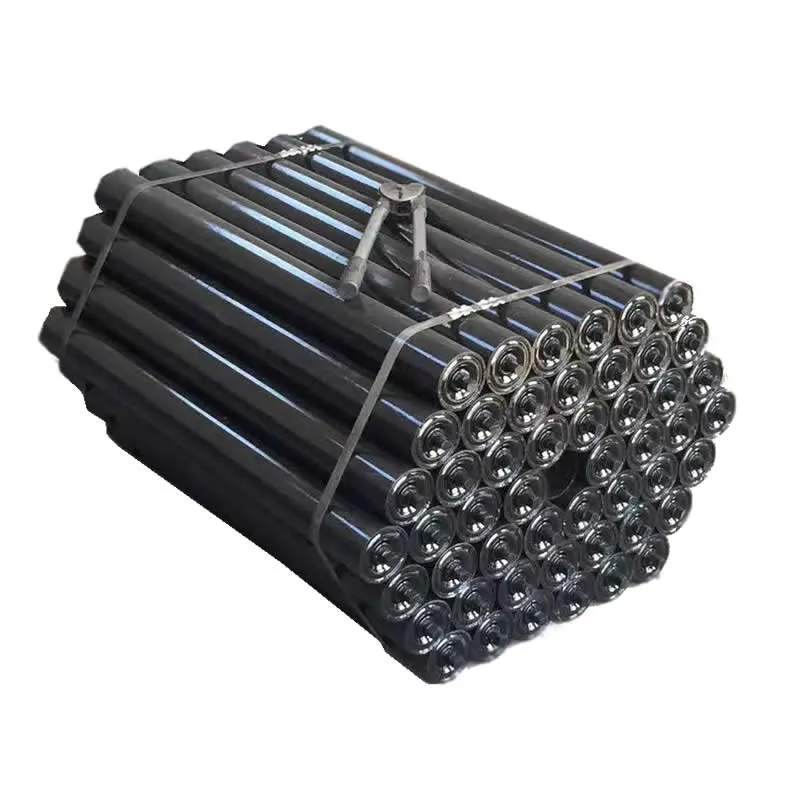
If you plan to buy conveyor rollers for sticky materials, consider disc return rollers; for corrosive air, go galvanized; for high speed, tighten the balance spec. And, to be honest, don’t skimp on seals—water ingress kills bearings faster than any spreadsheet suggests.
Citations
- CEMA Standard No. 502: Bulk Material Belt Conveyor Idlers. Conveyor Equipment Manufacturers Association.
- ISO 1940-1: Mechanical vibration — Balance quality requirements for rotors in a constant (rigid) state.
- ASTM B117: Standard Practice for Operating Salt Spray (Fog) Apparatus.
- ISO 281: Rolling bearings — Dynamic load ratings and rating life.