Introduction
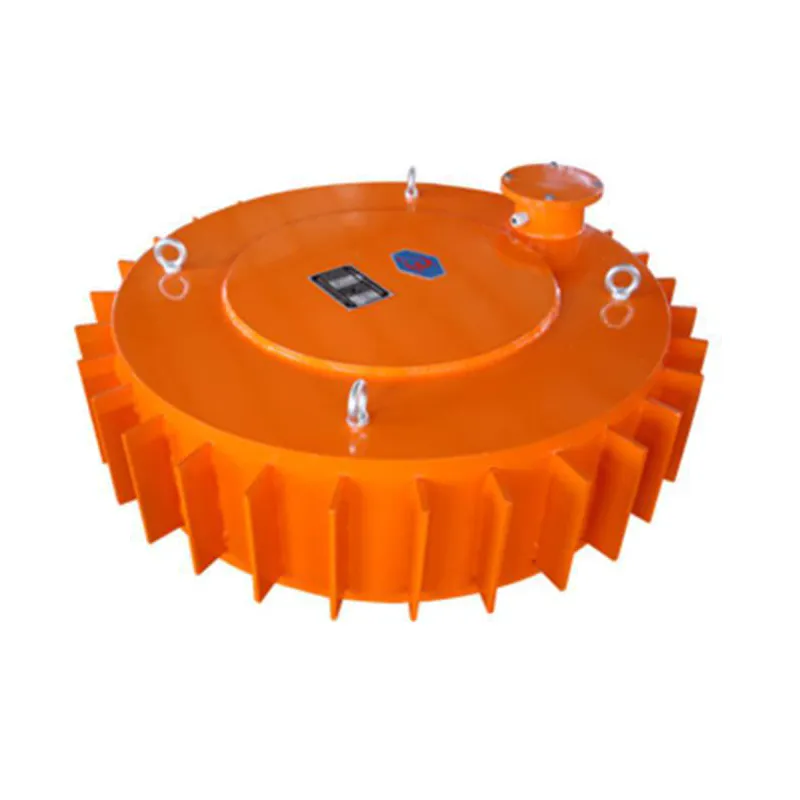
The electromagnetic iron remover is a critical component in modern industrial material handling systems. Designed to remove ferromagnetic impurities from raw materials, this device ensures the safe and efficient operation of mechanical equipment such as crushers and grinders. By preventing accidents caused by large iron parts and improving raw material quality, the electromagnetic iron remover plays a vital role in various industries. This article explores its features, advantages, technical specifications, application scenarios, and the company behind the innovation, Hebei Roule Transport Machinery Manufacturing Co., Ltd.
Key Features of the Electromagnetic Iron Remover
The electromagnetic iron remover is engineered to address the challenges of ferromagnetic contamination in industrial processes. Its core features include:
- Effective Impurity Removal: The device efficiently removes ferromagnetic impurities, ensuring the safety of mechanical systems like crushers and grinders.
- Multiple Unloading Modes: It offers manual, automatic, and program-controlled unloading options, adapting to diverse operational needs.
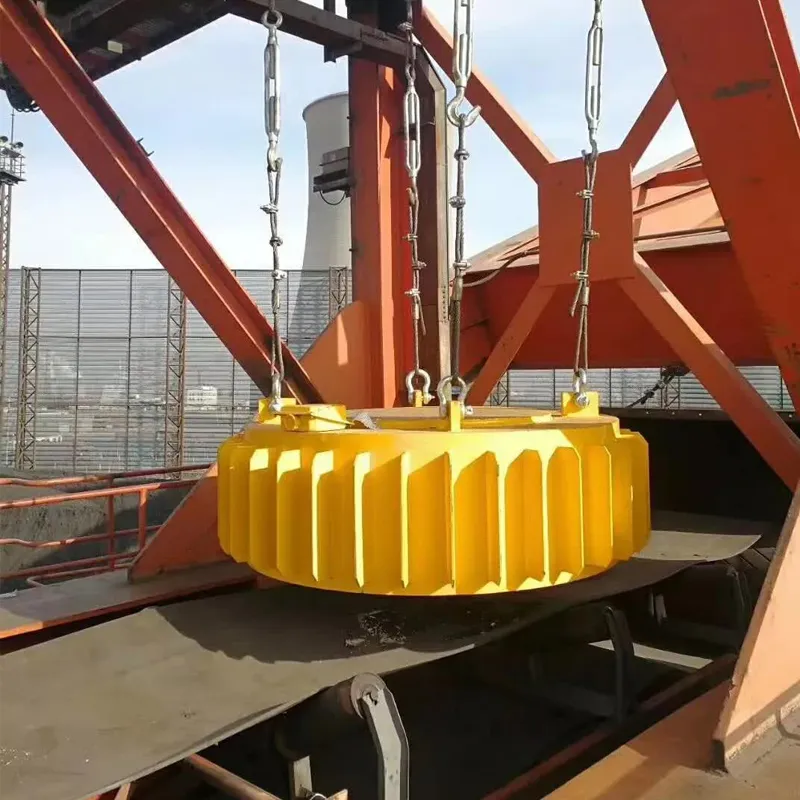
- Adjustable Installation: The iron remover can be positioned at optimal heights to maximize iron removal efficiency, depending on material thickness and conveyor belt dynamics.
- Customizable Magnetic Circuit Designs: Different magnetic circuit structures allow for tailored solutions across industries.
These features make the electromagnetic iron remover a versatile tool for maintaining equipment integrity and material quality.
Advantages of the Electromagnetic Iron Remover
The electromagnetic iron remover offers several advantages that justify its widespread adoption:
- Enhanced Safety: By preventing large iron parts from damaging conveyor belts and other machinery, it significantly reduces the risk of accidents.
- Improved Material Quality: Removing ferromagnetic impurities elevates the grade of raw materials, which is crucial for downstream processes.
- Operational Efficiency: The device ensures continuous iron removal without interrupting production, thanks to its quick-release cleaning mechanism.
- Adaptability: Its ability to adjust to different material thicknesses and installation angles makes it suitable for a wide range of applications.
These benefits highlight the device's role in optimizing industrial workflows and reducing maintenance costs.
Technical Specifications
| Feature | Description |
|---|---|
| Magnetic Field Strength | High-intensity magnetic field for effective iron removal, adjustable based on application requirements. |
| Unloading Methods | Manual, automatic, and program-controlled unloading options for flexibility. |
| Installation Flexibility | Adjustable suspension height and angle to accommodate varying material thicknesses and conveyor belt configurations. |
| Material Compatibility | Designed for use with a wide range of materials, including ores, coal, and industrial waste. |
| Construction | Durable, corrosion-resistant materials to withstand harsh industrial environments. |
Application Scenarios
The electromagnetic iron remover is utilized across multiple industries, including:
- Metallurgy and Mining: Removing iron impurities from ore to improve processing efficiency.
- Power Plants: Ensuring clean coal and ash handling to protect equipment.
- Cement and Building Materials: Preventing contamination in raw material streams.
- Food and Feed Processing: Maintaining hygiene by eliminating metal contaminants.
- Waste Treatment: Recovering steel from industrial waste for recycling.
Its adaptability to different environments underscores its importance in maintaining operational efficiency and safety.
Company Background: Hebei Roule Transport Machinery Manufacturing Co., Ltd.
Hebei Roule Transport Machinery Manufacturing Co., Ltd. is a leading manufacturer of industrial equipment, specializing in solutions for material handling and contamination control. With a focus on innovation and quality, the company develops products like the electromagnetic iron remover to meet the demands of modern industries. Their expertise in designing durable, efficient systems ensures that their products contribute to safer and more productive operations worldwide.
Installation and Optimization Tips
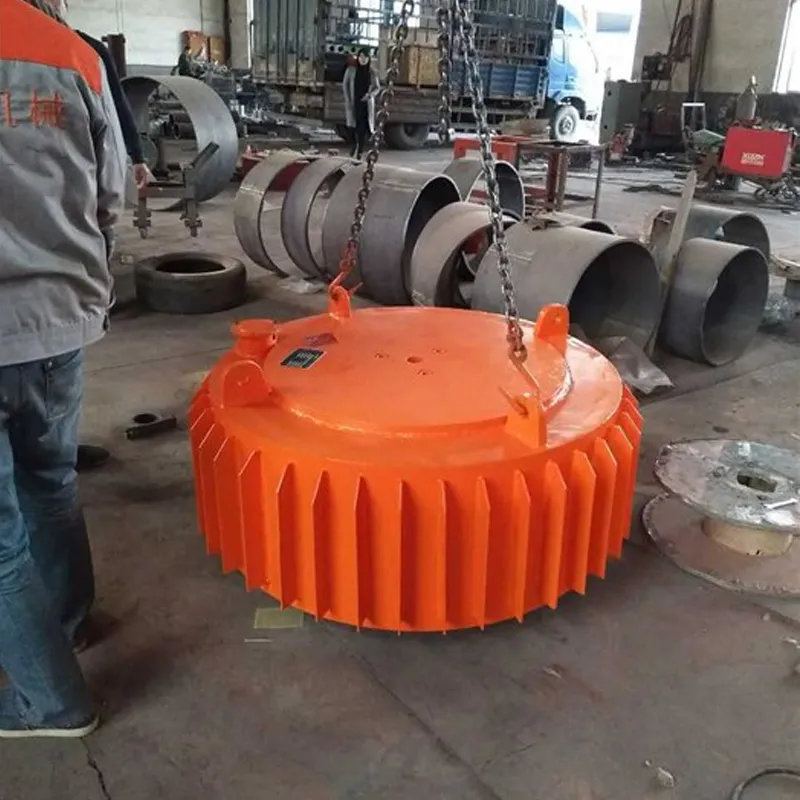
To maximize the performance of the electromagnetic iron remover, proper installation is critical. Key considerations include:
- Optimal Suspension Height: Lowering the device increases iron removal efficiency, but it must not interfere with conveyor belt operations.
- Material Thickness: Thinner materials allow for higher iron removal rates, so adjustments should be made accordingly.
- Correct Angle: Ensuring the device is hung at the right angle prevents misalignment and enhances effectiveness.
- Regular Maintenance: Periodic checks and cleaning ensure consistent performance and longevity.
Following these guidelines ensures the device operates at peak efficiency, reducing downtime and maintenance costs.
Industry Standards and Authority
The electromagnetic iron remover aligns with industry standards for safety and performance. According to the National Institute of Standards and Technology (NIST), precise measurements and standardized protocols are essential for ensuring the reliability of industrial equipment. NIST's work in metrology and measurement science provides a framework for evaluating the effectiveness of devices like the electromagnetic iron remover. By adhering to these standards, Hebei Roule ensures its products meet rigorous quality and safety benchmarks.
Conclusion
The electromagnetic iron remover is an indispensable tool for industries reliant on material handling. Its ability to remove ferromagnetic impurities, enhance safety, and improve material quality makes it a valuable asset. Backed by the expertise of Hebei Roule Transport Machinery Manufacturing Co., Ltd. and aligned with industry standards, this device exemplifies innovation in industrial equipment. As industries continue to prioritize efficiency and safety, the electromagnetic iron remover remains a cornerstone of modern material handling systems.